


 English
  中文简体
中文简体  русский
  Español
  عربى
عربى  Français
  Português
  Deutsch
  Türk
Türk
JINYE
JINYE
JINYE
JINYE
JINYE
JINYE
JINYE
JINYE
JINYE
JINYE
JINYE
JINYE
JINYE
JINYE
JINYE
JINYE

-
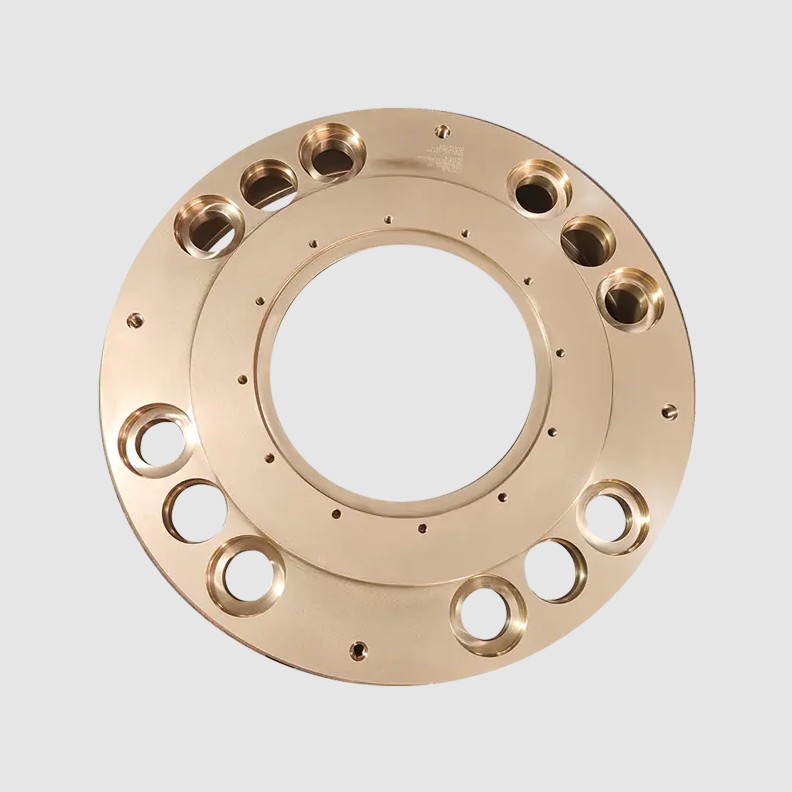 How a Controllable Pitch Propeller WorksExplore More
A controllable pitch propeller works by rotating each blade around its own axis inside the hub while the propeller shaft keeps turning at a constant or variable speed, allowing the vessel operator t...
-
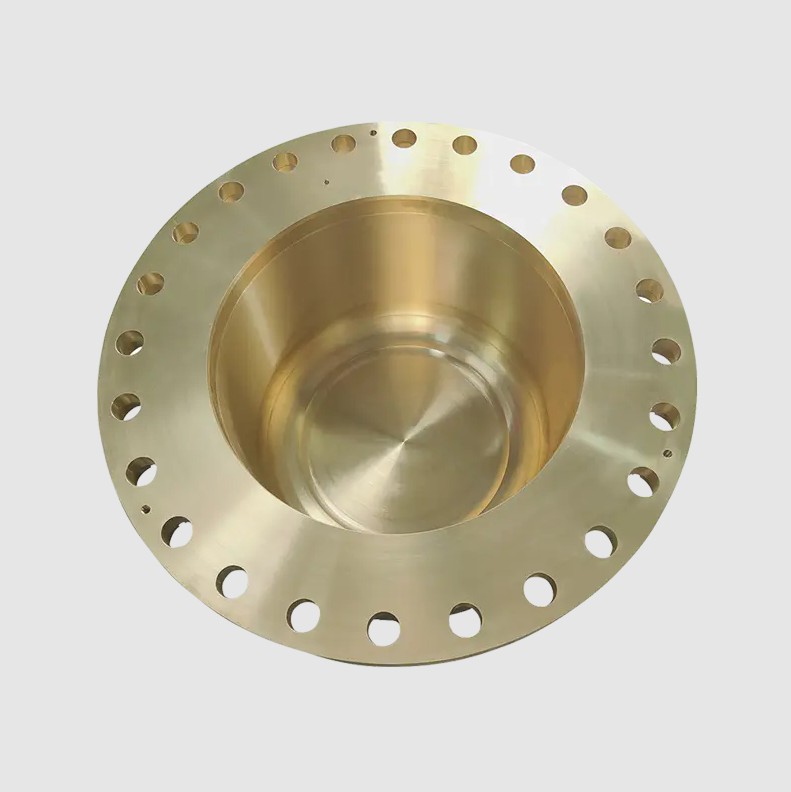 How to Inspect a Controllable Pitch PropellerExplore More
Inspecting a Controllable Pitch Propeller means checking five core areas in order: the blade surfaces, the hub sealing, the hydraulic oil and pressure system, the pitch-change mechanism function, an...
-
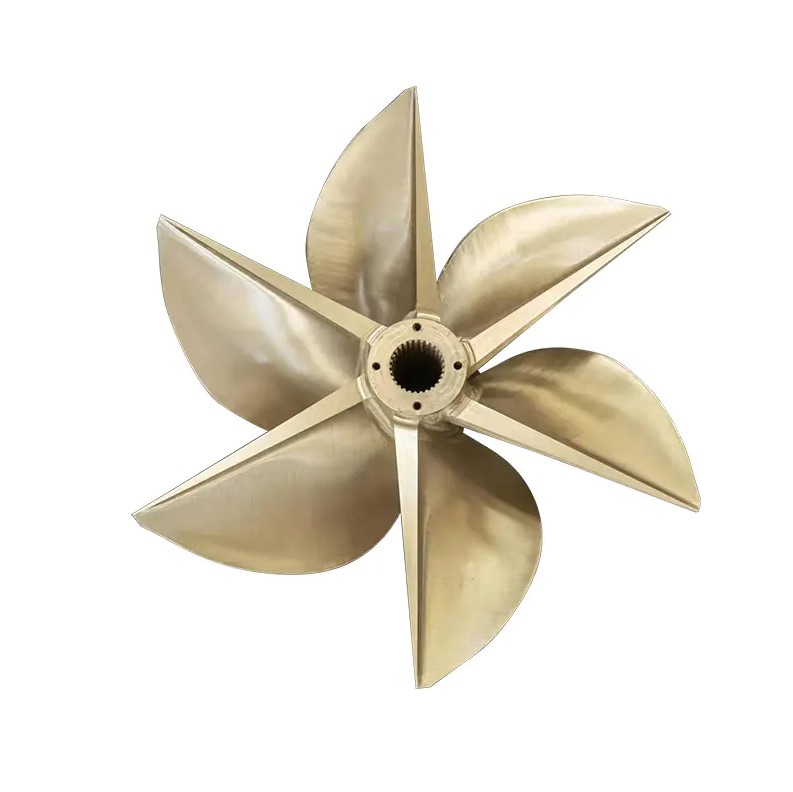 What is the working principle of a Fixed Pitch Propeller?Explore More
A Fixed Pitch Propeller generates thrust by rotating blades set at a permanently fixed angle relative to the plane of rotation. As the blades spin, their cambered aerofoil cross-section accelerates ...
-
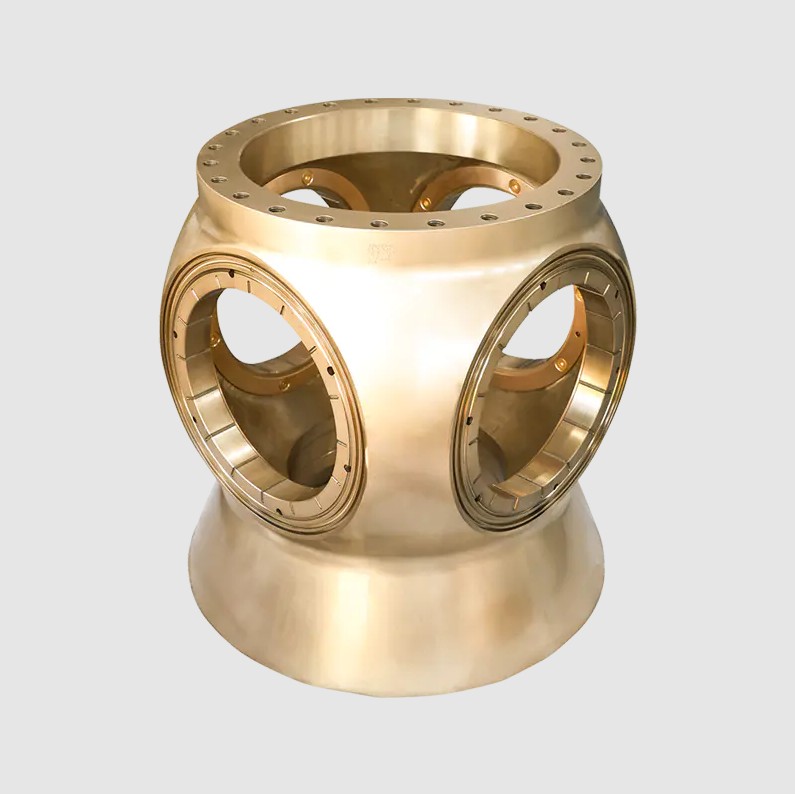 Why Use a Controllable Pitch Propeller in Ships?Explore More
Ships use a Controllable Pitch Propeller primarily because it allows the blade pitch angle to be adjusted while the propeller shaft continues rotating at a constant speed -- enabling the vessel to c...
-
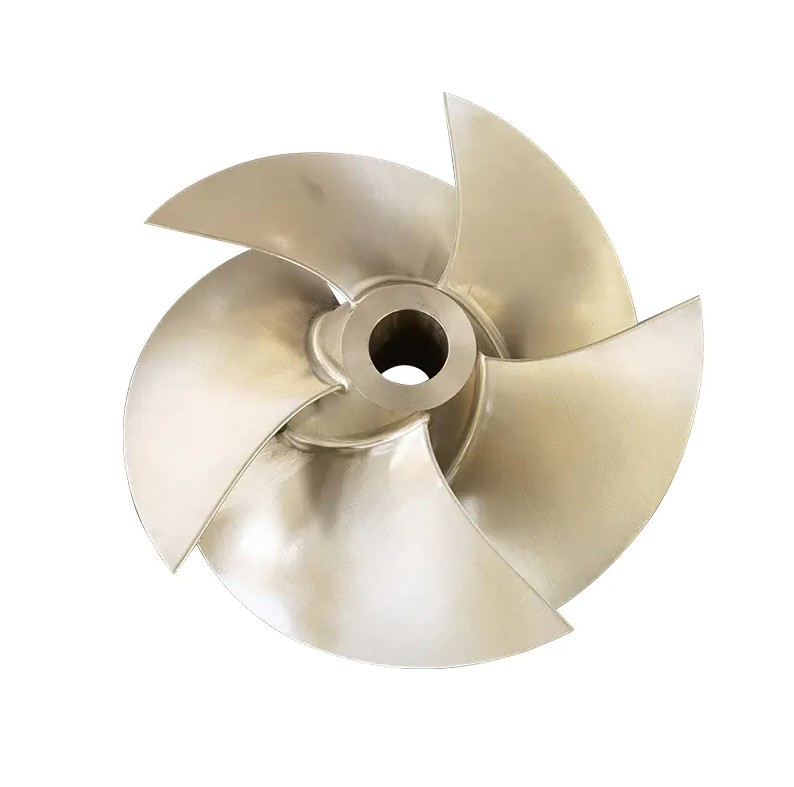 What are the applications of a Fixed Pitch Propeller (FPP)?Explore More
An FPP Fixed Pitch Propeller is one of the most widely deployed propulsion devices in the global maritime industry. Its blades are permanently cast or forged at a fixed angle to the hub -- the pitch ...
-
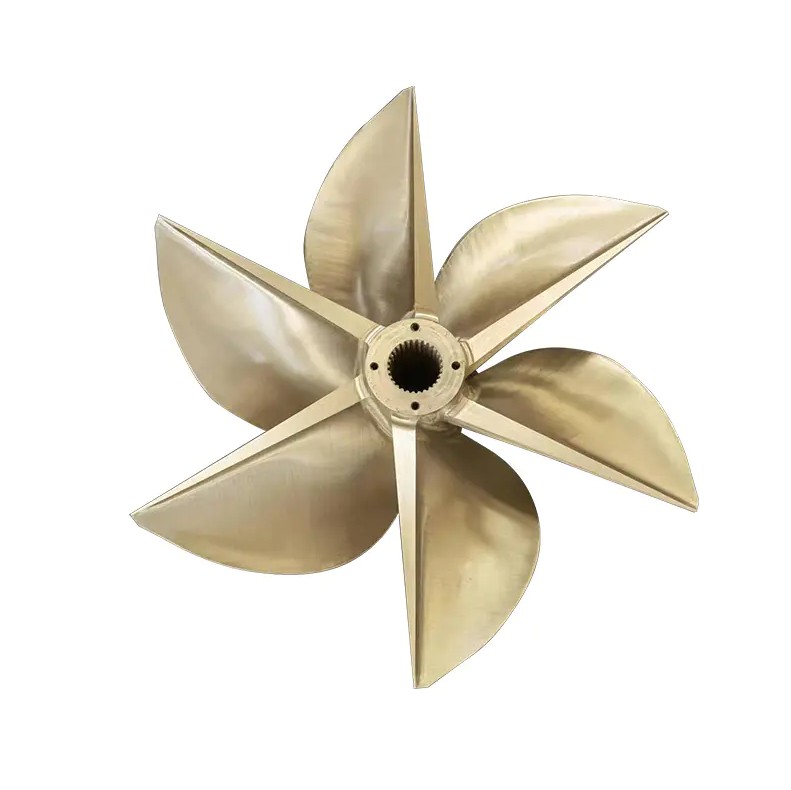 What is the working principle of a Fixed Pitch Propeller (FPP)?Explore More
A Fixed Pitch Propeller generates thrust by rotating blades set at a permanently fixed angle relative to the plane of rotation. As the blades spin, their cambered aerofoil cross-section accelerates ...
-
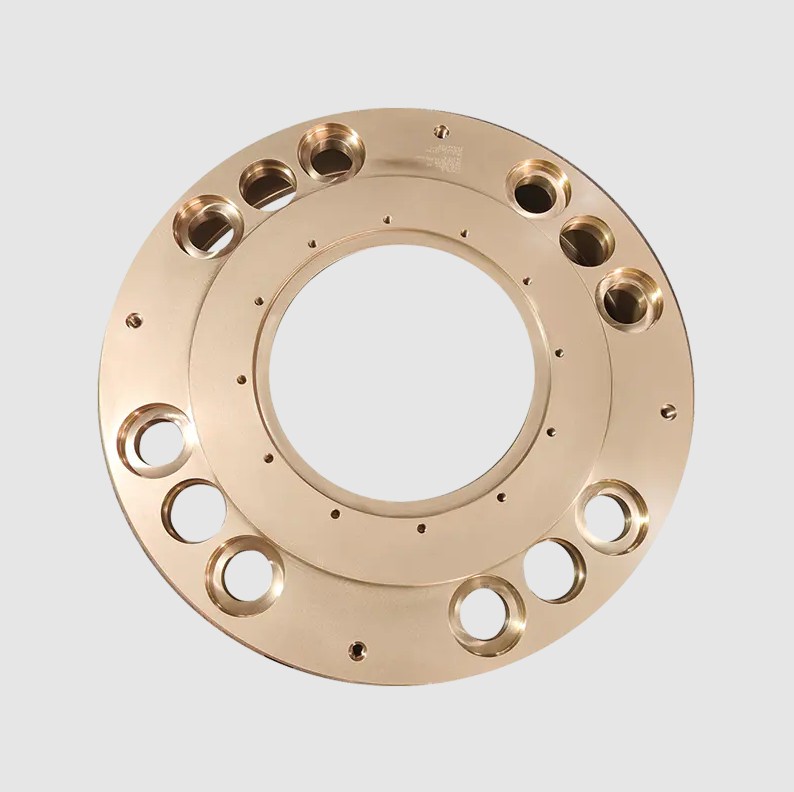 What is the purpose of a Controllable Pitch Propeller?Explore More
A Controllable Pitch Propeller (CPP) is designed to adjust the angle of its blades dynamically while the shaft continues to rotate, allowing a vessel to control thrust magnitude and direction without...
-
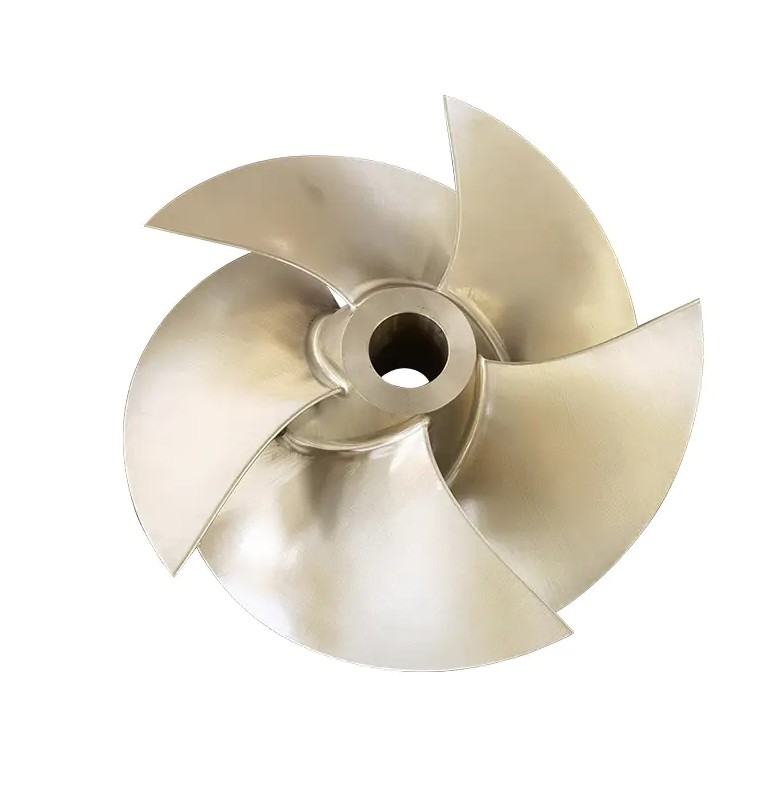 What are the main advantages of FPP Fixed Pitch Propellers?Explore More
The main advantages of FPP (Fixed Pitch Propellers) are structural simplicity, exceptional mechanical reliability, high propulsion efficiency at design conditions, significantly lower manufacturing a...
-
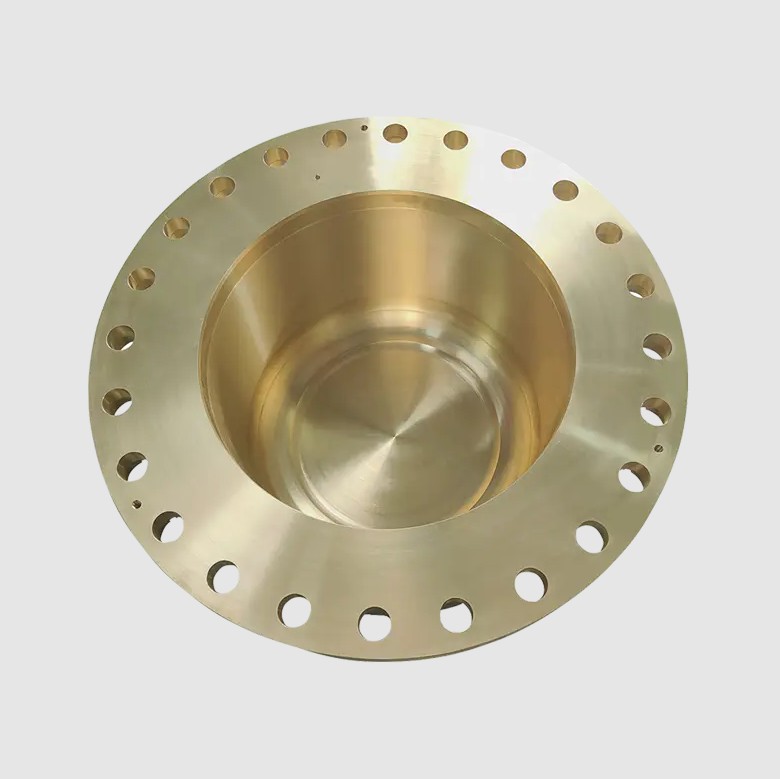 What is the working principle of an Controllable Pitch Propeller?Explore More
A Controllable Pitch Propeller (CPP) works by rotating each propeller blade around its own longitudinal axis while the shaft continues spinning at a constant speed. This rotation changes the angle at...
-
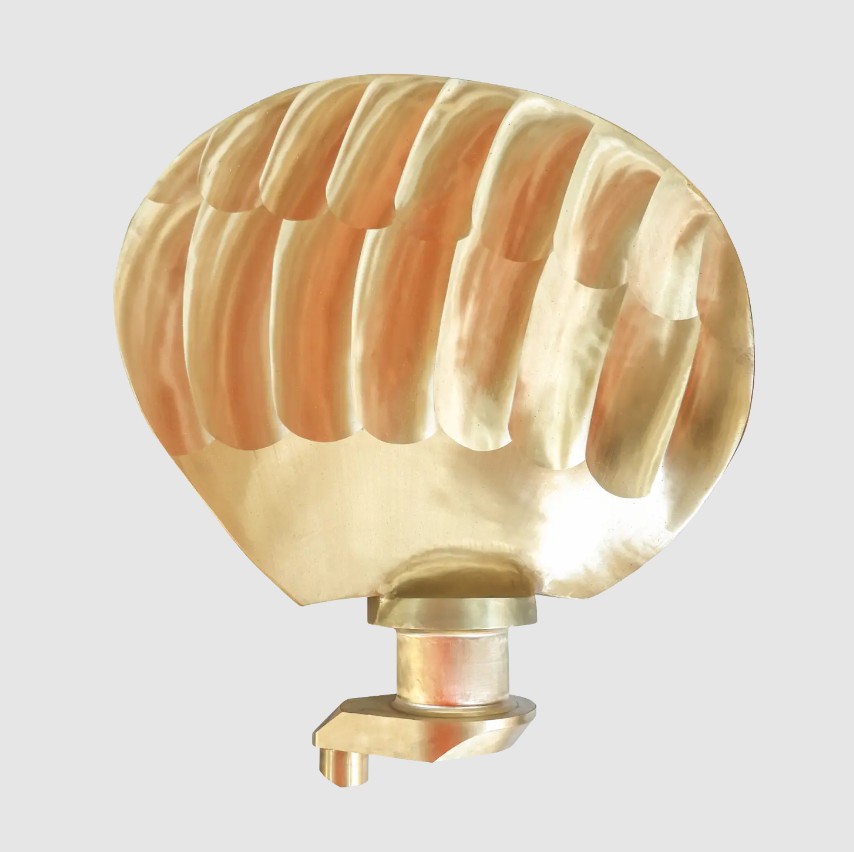 What is the difference between a fixed-pitch propeller and an Controllable Pitch Propeller?Explore More
A fixed-pitch propeller (FPP) has blades permanently set at a single angle relative to the hub — once manufactured, the pitch cannot change during operation. A controllable pitch propeller (CPP), by ...
-
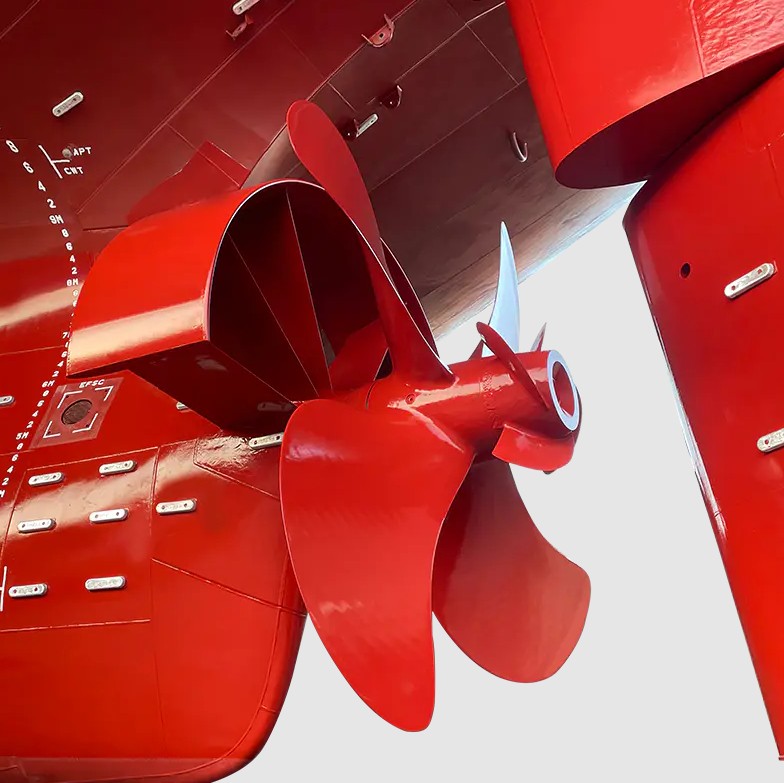 How Do Propeller Energy Saving Devices Work?Explore More
Propeller Energy Saving Devices (ESDs) work by optimizing the hydrodynamic environment around a ship's propeller — either before, at, or behind the propeller plane — to reduce rotational energy losse...
-
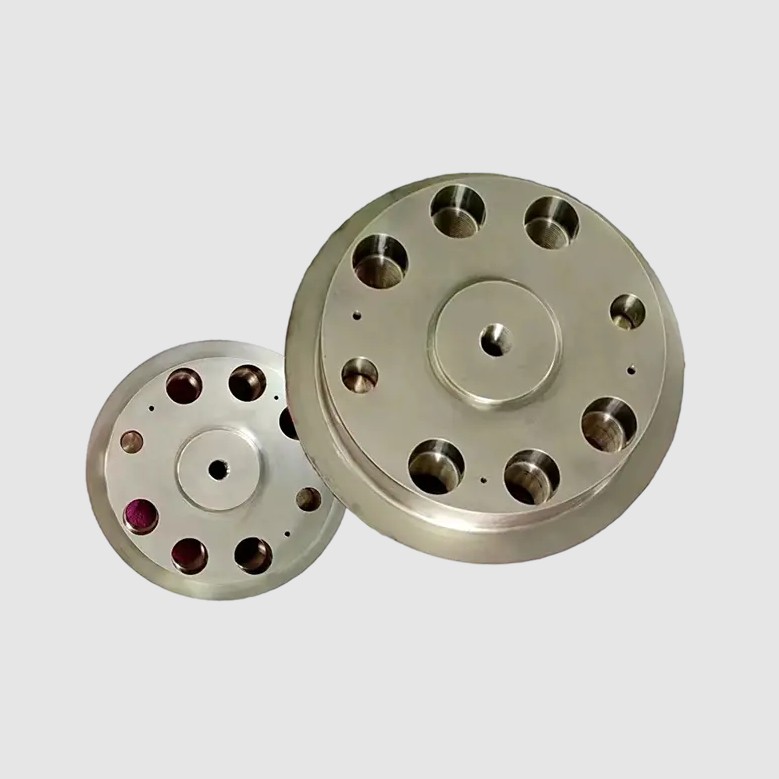 What are the advantages of a Controllable Pitch Propeller?Explore More
A Controllable Pitch Propeller (CPP) offers a decisive advantage over fixed-pitch alternatives: it adjusts blade angle dynamically without changing engine speed, delivering precise thrust control acr...
Get in Touch Now!
We're Here to Assist with
All Your Requirements
© Copyright Zhenjiang Jinye Propeller Co.,Ltd. All Rights Reserved. China Marine Copper Propeller Manufacturers Custom Marine Propeller Factory
