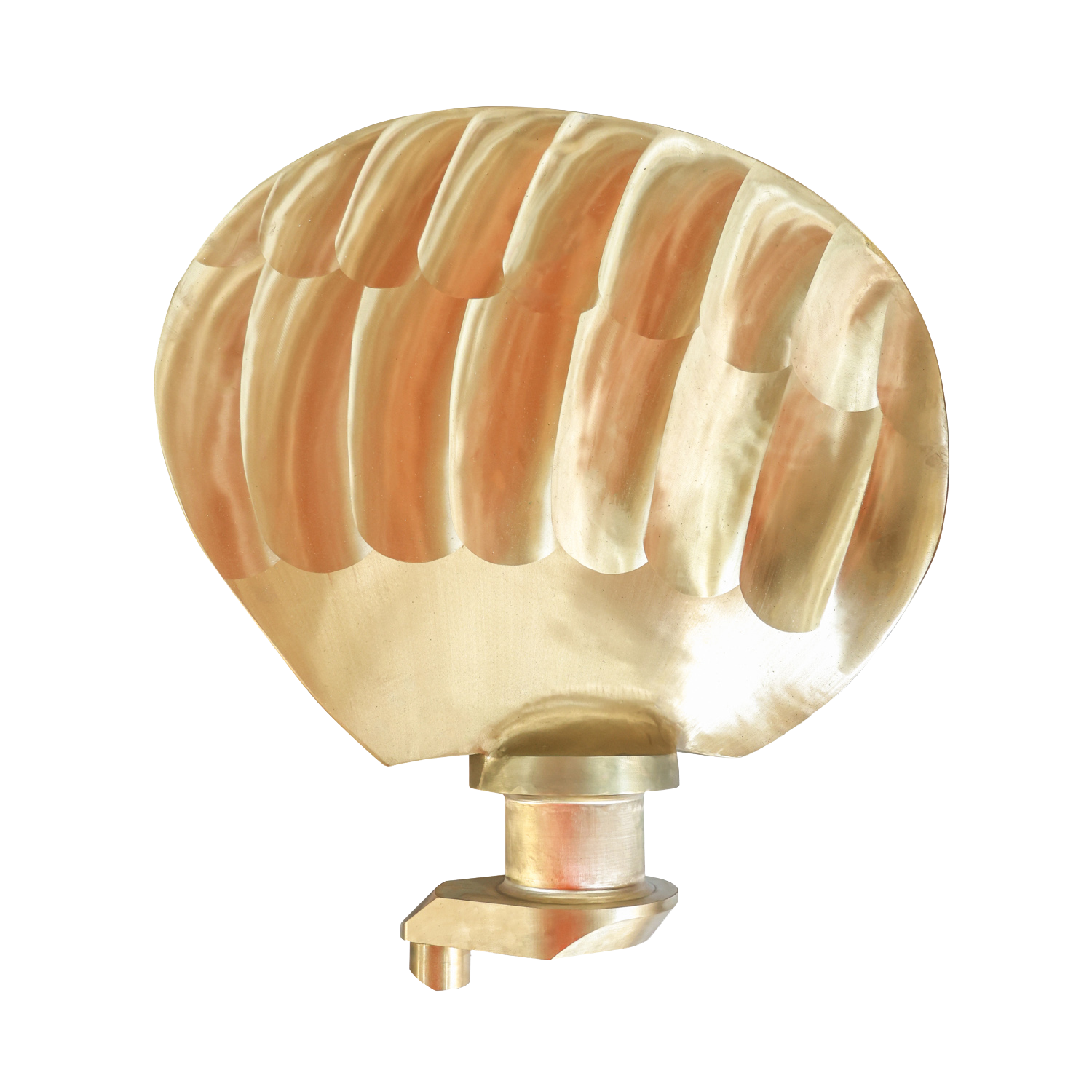
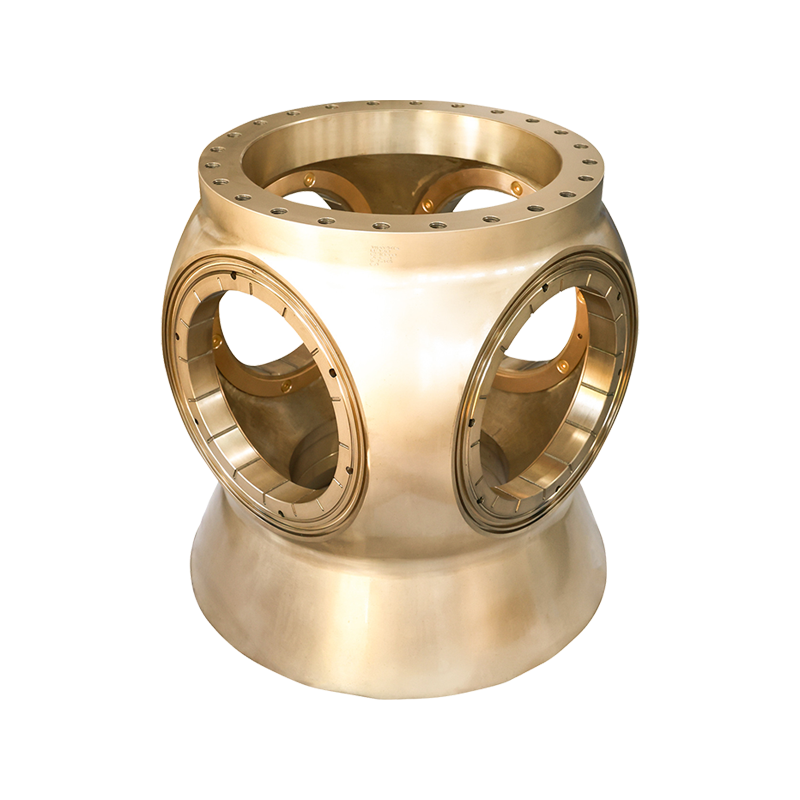
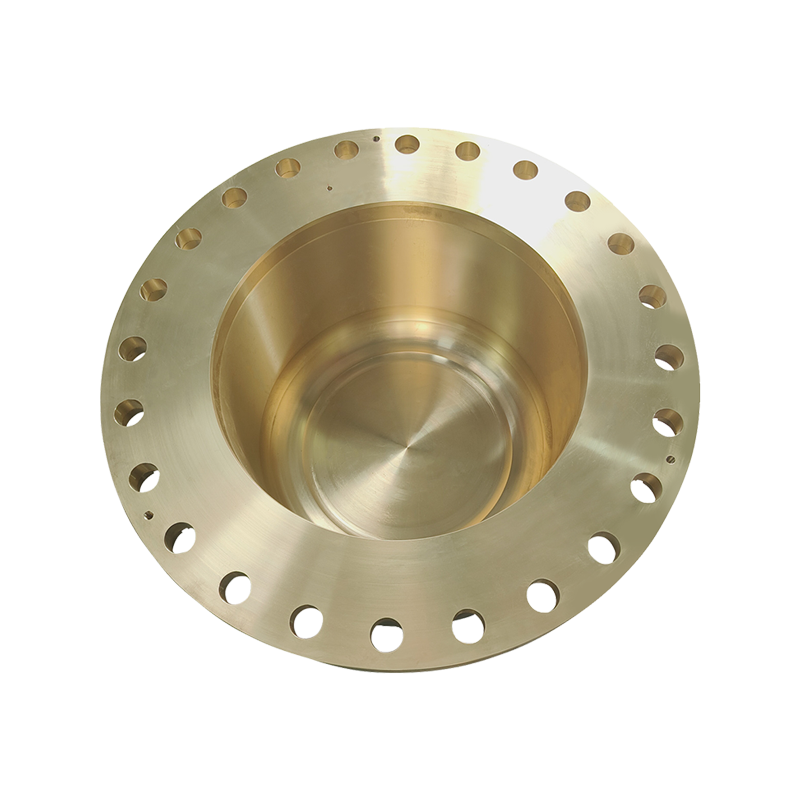
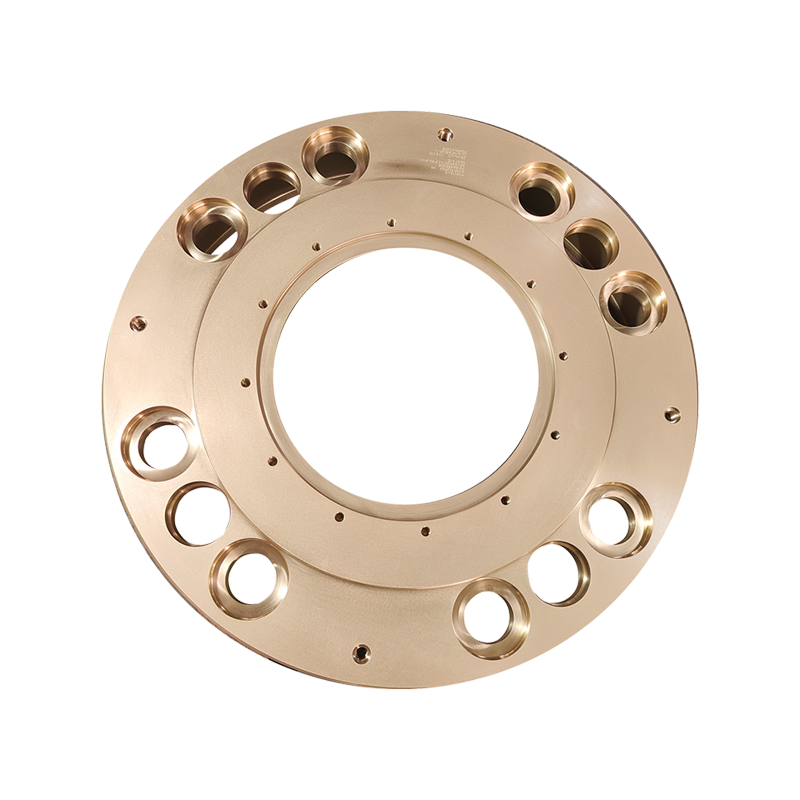
In marine power systems, Controllable Pitch Propeller (CPP, which can adjust the pitch propeller) is a key device that can dynamically adjust the blade pitch. It is also often referred to as a controllable propeller, sometimes also known as variable propeller or variable pitch prop. It breaks through the limitations of fixed pitch fixation of fixed-range propeller (FPP), and changes the blade angle in real time through mechanical or hydraulic devices, thereby flexibly adapting to different navigation conditions of the ship. It is one of the core technologies for modern ships to improve power efficiency and handling. For all types of ships, the application of this variable pitch boat propeller has greatly expanded the boundaries of navigation performance.
1. The core principles and structure of CPP
The core of the Controllable Pitch Propeller (i.e. variable pitch prop) is "adjustable pitch": the propeller blades and the hub are connected through a special mechanical structure. After the instructions are issued by the bridge, the hydraulic servo system or electric device drives the blades to rotate and change their inclination angle (i.e. pitch). This process can achieve the ship's acceleration, deceleration, reversal, etc. without changing the engine speed. For example, when the blade pitch is adjusted from the positive pitch to the negative pitch, the propeller thrust direction is reversed, and the ship can quickly decelerate or reversal, greatly improving the emergency response efficiency.
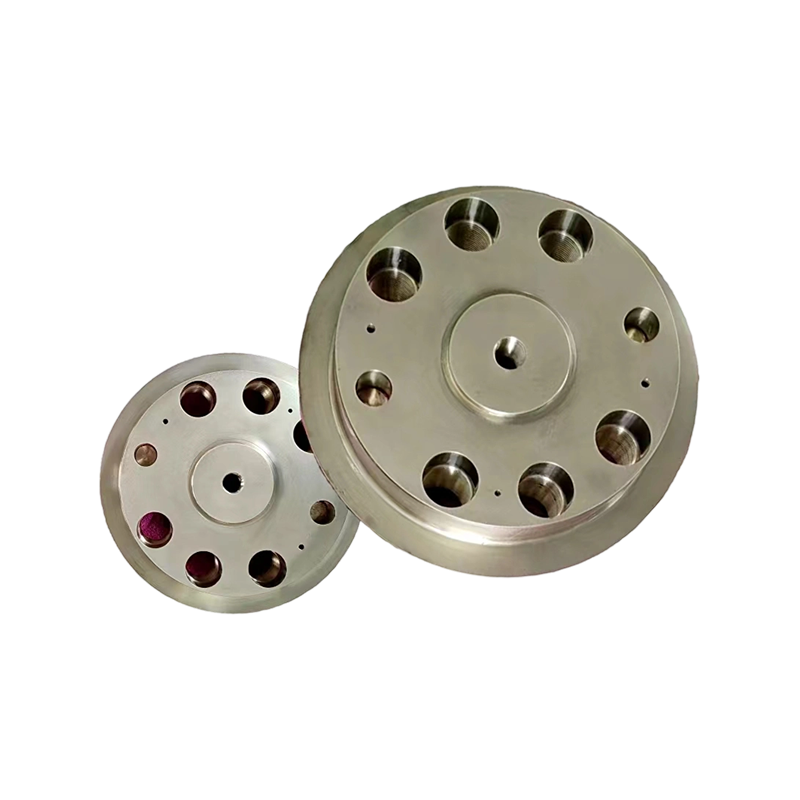
From a structural perspective, the CPP system usually includes four parts: blades, hubs, distance adjustment mechanisms, and control systems: blades are the core of thrust generation; the hubs have built-in distance adjustment mechanical structures; the distance adjustment mechanisms (hydraulic cylinders, transmission shafts, etc.) are responsible for performing pitch adjustment; the control system receives navigation instructions and accurately controls the blade angle to ensure response speed and stability. As a typical variable propeller, the precision of its structural design directly determines the reliability of distance adjustment.
2. The core advantages of CPP
Compared with fixed-range propeller, the advantages of controllerable propeller (that is, variable pitch prop) are reflected in the adaptability of multiple scenarios:
High efficiency and energy saving: The optimal pitch parameters of the ship are different at different speeds (such as low speed cruise, high speed sprint) or loads (such as full load, no load). CPP can adjust the pitch in real time, so that the propeller is always in the efficient working range and reduce fuel consumption - According to industry data, using this variable pitch boat propeller on ocean freighters can reduce fuel consumption by 5%-15%.
Flexible control: Reversal is achieved without switching engine steering, and the response time of pitch adjustment only takes a few seconds, which is much faster than the engine speed change method of fixed-range propellers. It is especially suitable for ships that require frequent start and stop and berth (such as port tugboats and passenger roulette boats).
Adapt to complex working conditions: Under harsh sea conditions (such as wind and waves, sudden changes in water flow), CPP can reduce ship bumps by fine-tuning the pitch; for multi-purpose ships (such as engineering ships that can carry cargo and tow), they can also meet different operating needs through pitch switching.
3. Key technologies and industry standards of CPP
The technical difficulties of CPP (i.e. variable pitch prop) focus on distance adjustment accuracy, structural reliability and system integration:
The distance adjustment accuracy must be controlled within ±0.1°, otherwise it will cause thrust fluctuations and energy consumption to increase, which depends on the coordination between high-precision sensors and servo control systems;
The connecting structure between the hub and the blade needs to withstand huge hydrodynamic loads. The materials are mostly made of high-strength alloys (such as nickel-aluminum bronze) and have undergone strict fatigue strength tests;
The system needs to be linked with the ship host and navigation system to achieve intelligent matching of "speed-pitch-power". Some high-end CPPs have been connected to the ship energy efficiency management system (SEEMP).
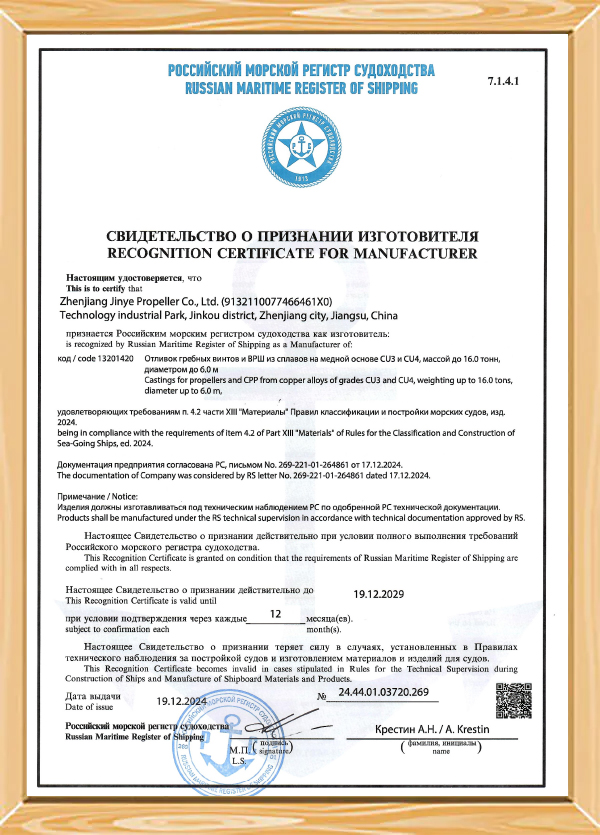
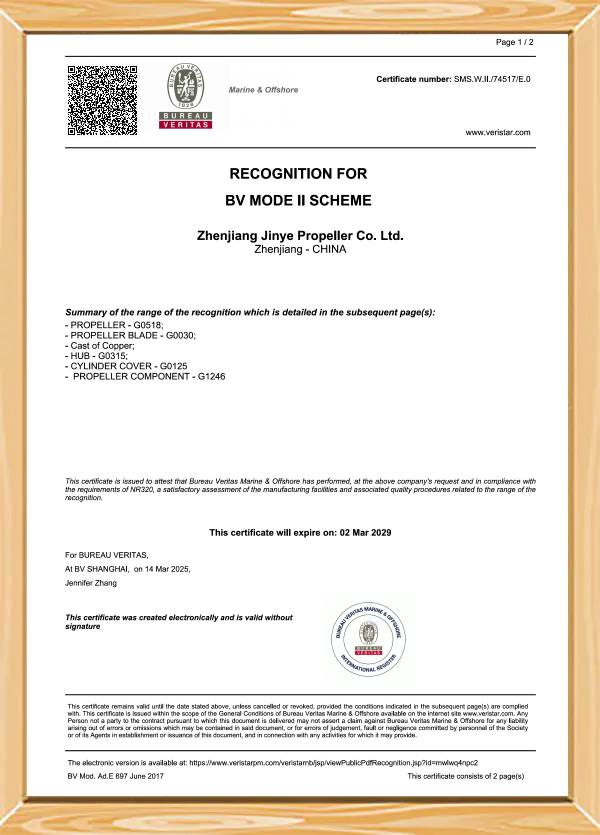
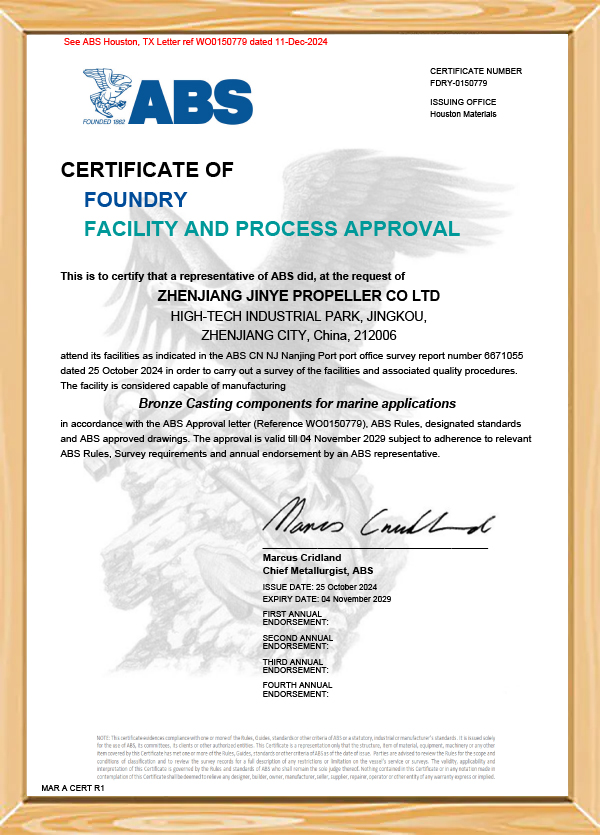
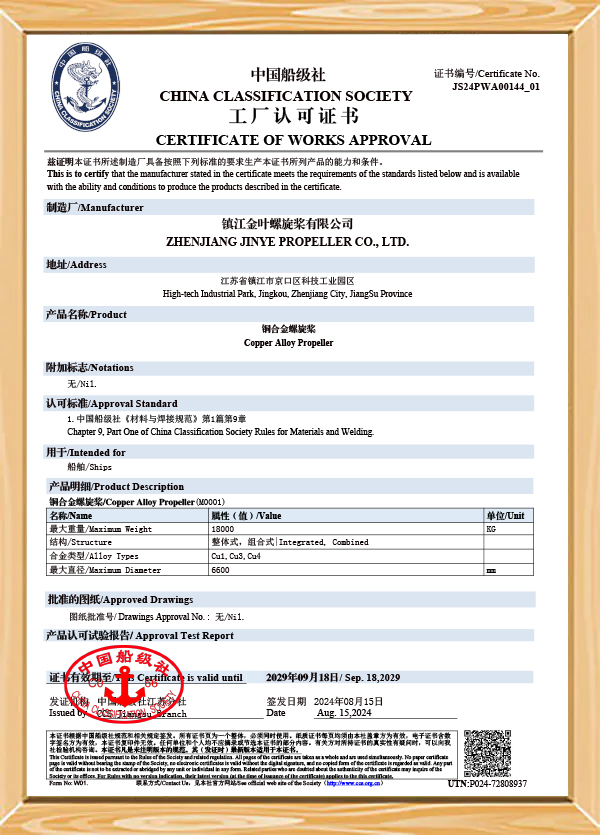
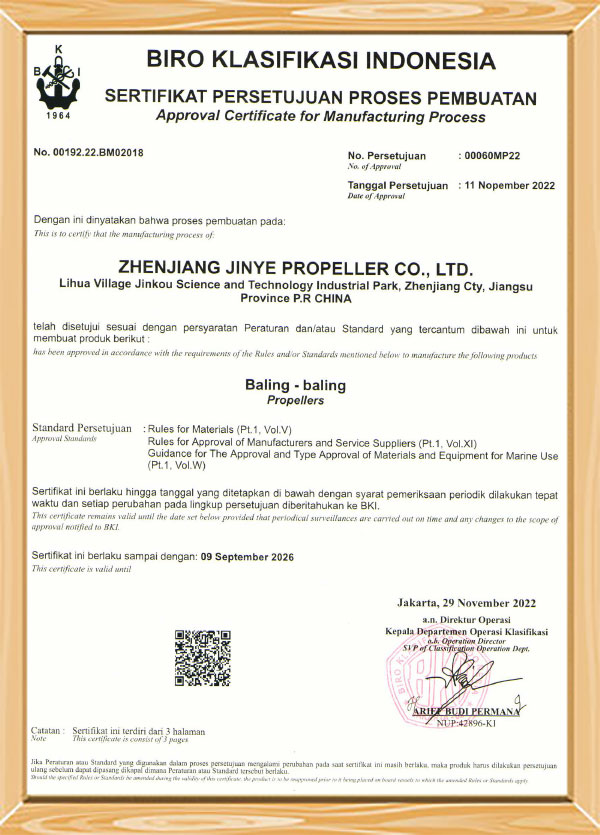
At present, the controllable pitch propeller (variable propeller) must comply with the specifications of international classification societies (such as CCS, LR, ABS), involving material certification, performance testing, safety and redundant design, etc., to ensure stability under extreme operating conditions.
4. Industry application and enterprise practice
As an important variable pitch boat propeller, CPP is widely used in ships with high requirements for handling and efficiency:
Oceanwide merchant ships (container ships, tankers): adapt to the speed requirements of different flight segments through pitch adjustment, reducing long-distance transportation costs;
Port and shipping operation ships (tugboats, pilot ships): Rely on the fast reversing function to achieve accurate berthing;
Special ships (icebreakers, marine engineering ships): Maintain operation stability through pitch fine adjustment in complex sea conditions.
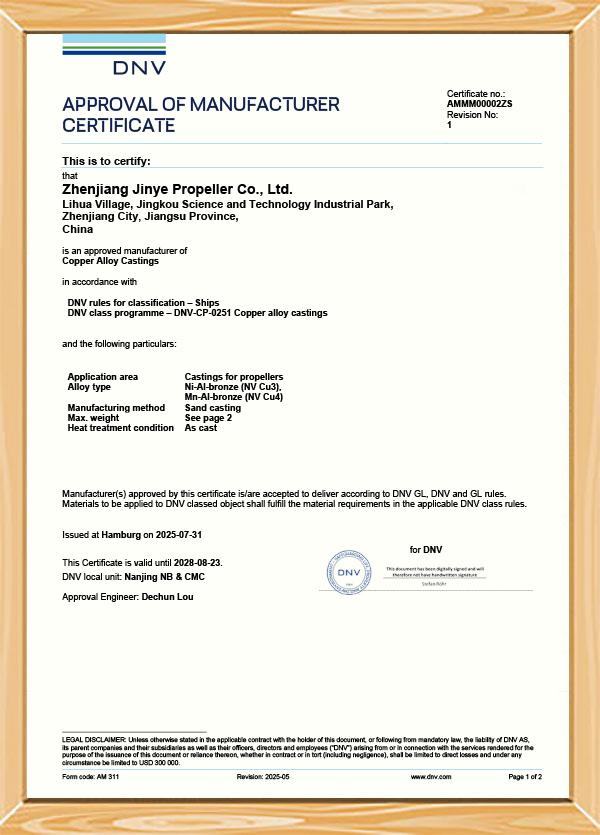
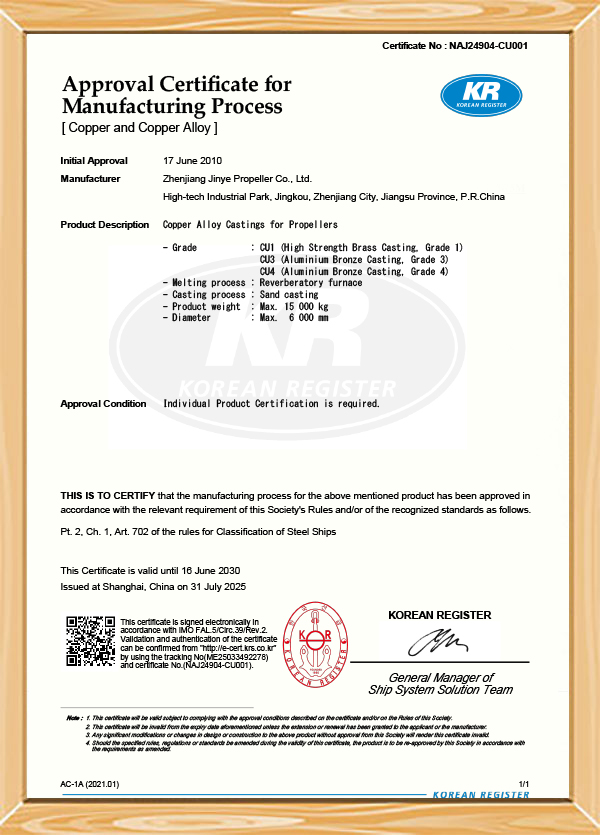
Taking Zhenjiang Jinye Propeller Co., Ltd. as an example, as an enterprise with CPP (variable pitch prop) R&D and production capabilities, its controllerable propeller product achieves a distance adjustment accuracy of ±0.05° by optimizing the hydraulic distance adjustment mechanism and blade surface design, which is suitable for the main engine power range from 2000 horsepower to 20,000 horsepower. The product not only passes certification from CCS, KR and other classification societies, but also provides customized solutions for many domestic and foreign shipping companies, such as the variable pitch boat propeller system designed for port tugs. The reversing response time is shortened to within 3 seconds, significantly improving port operation efficiency.



 English
  中文简体
中文简体  русский
  Español
  عربى
عربى  Français
  Português
  Deutsch
  Türk
Türk