


 English
  中文简体
中文简体  русский
  Español
  عربى
عربى  Français
  Português
  Deutsch
  Türk
Türk
JINYE
JINYE
JINYE
JINYE
JINYE
JINYE
JINYE
JINYE
JINYE
JINYE
JINYE
JINYE
JINYE
JINYE
JINYE
JINYE

Controllable Pitch Propeller
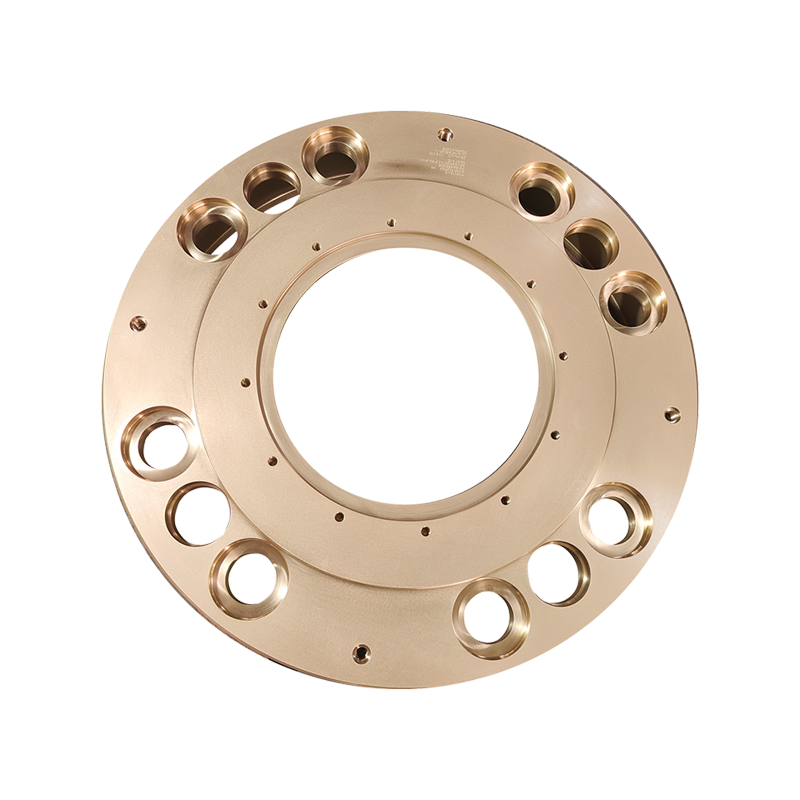
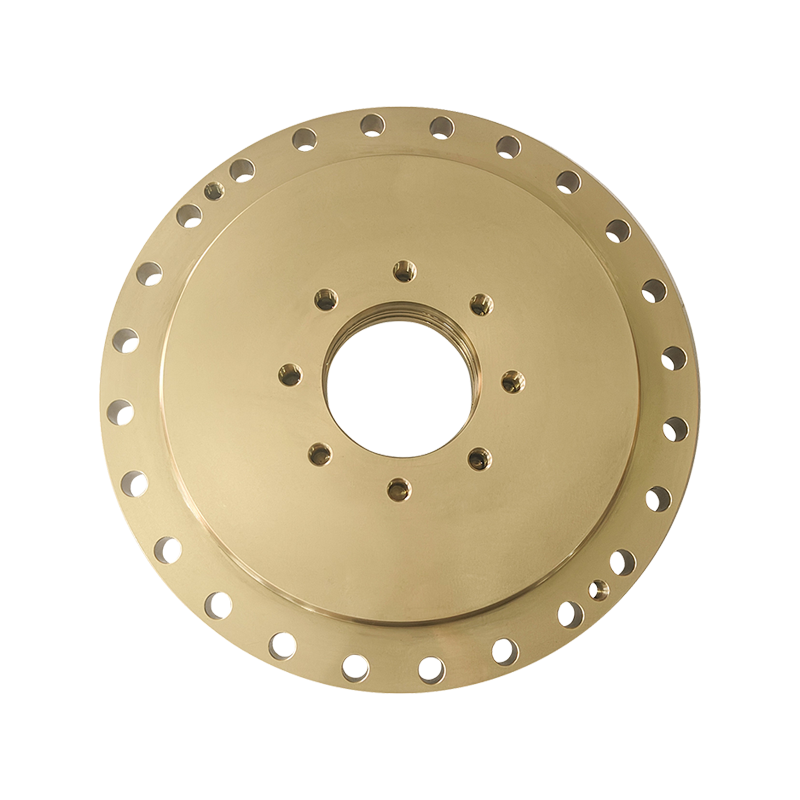
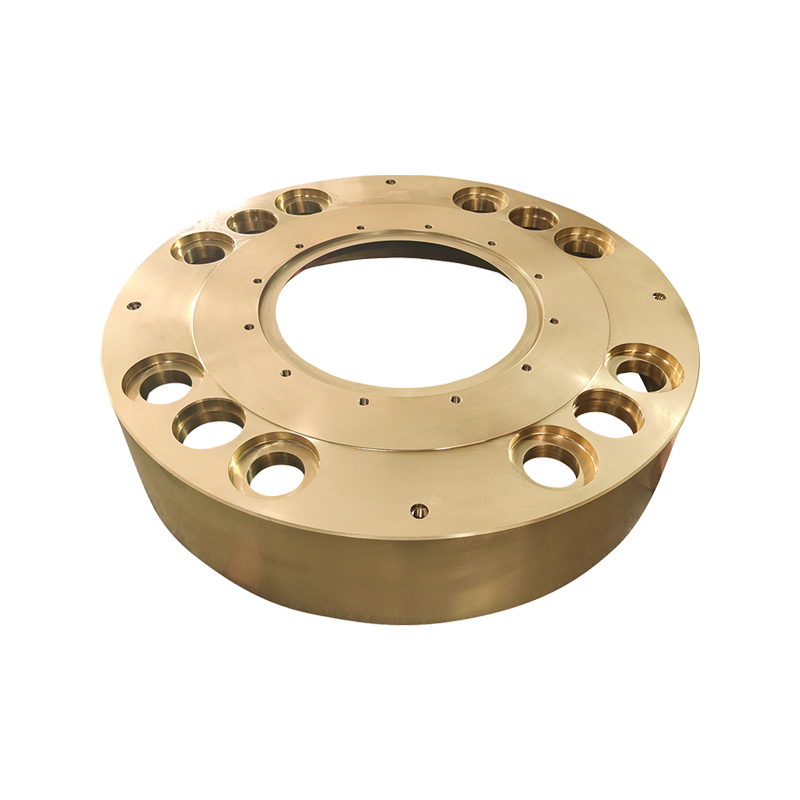
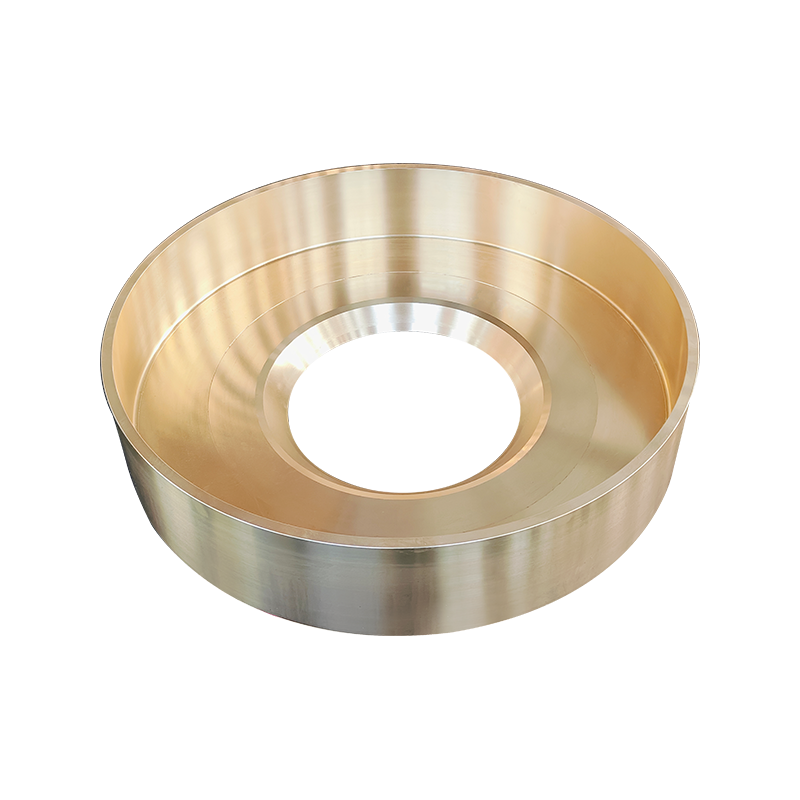
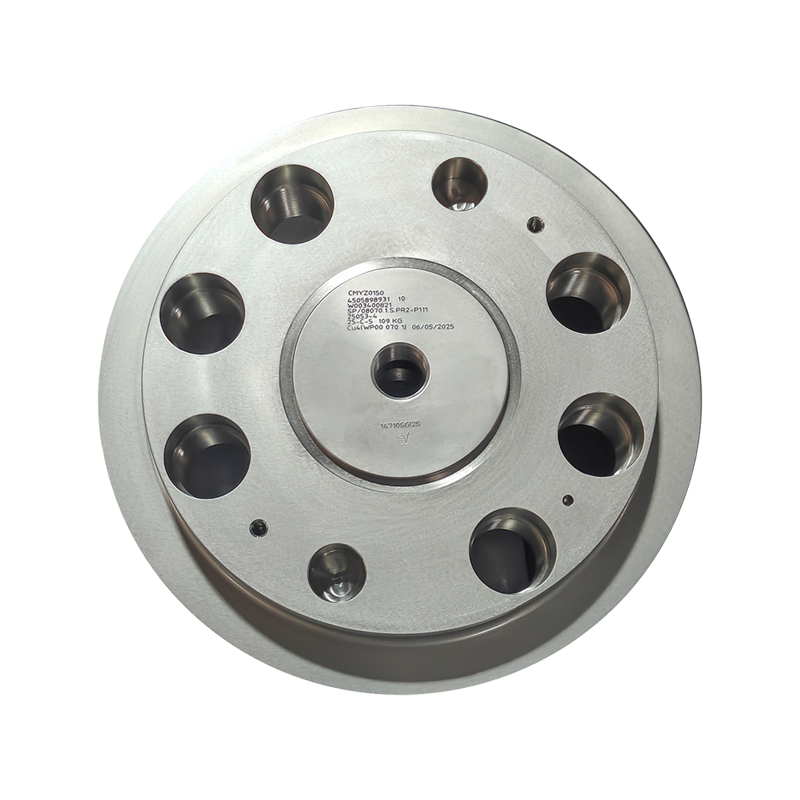
Propeller Flange Cover

Phone Number
+86-511-83386688-
To provide customers with quality products and services Obtain customer satisfaction.
-
Centering on customer needs, being honest and trustworthy, quick response, create value for customers and achieve win-win cooperation.
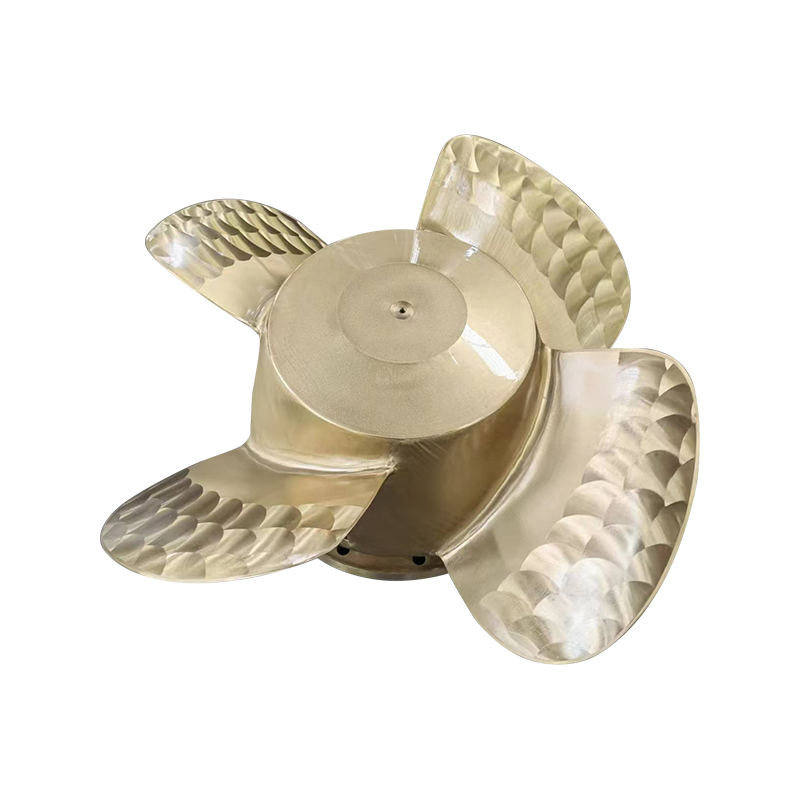
The Propeller Flange Cover of a ship propeller refers to a component installed at the front end of the propeller, usually using an integral flange or a conical detachable coupling. The main function of the flange cover is to connect the propeller shaft to the hull or other transmission components to ensure that the propeller can rotate stably and transmit power.
Product Features
High-strength structure: Made of high-quality alloy steel or stainless steel, the mechanical properties are enhanced by heat treatment.
Precision machining: Precision machining by CNC machine tools to ensure dimensional accuracy and surface finish.
Corrosion-resistant design: Special surface treatment improves seawater corrosion resistance.
Reliable connection: The optimized flange surface ensures a close fit with the transmission components.
As the core connection component of the propulsion system, the reliability of the ship propeller Propeller Flange Cover directly affects the power transmission efficiency and navigation safety of the ship. With advanced manufacturing technology, strict quality control and perfect after-sales service, we ensure that every product can meet the stringent requirements of customers.
Company

Zhenjiang Jinye Propeller Co.,Ltd.
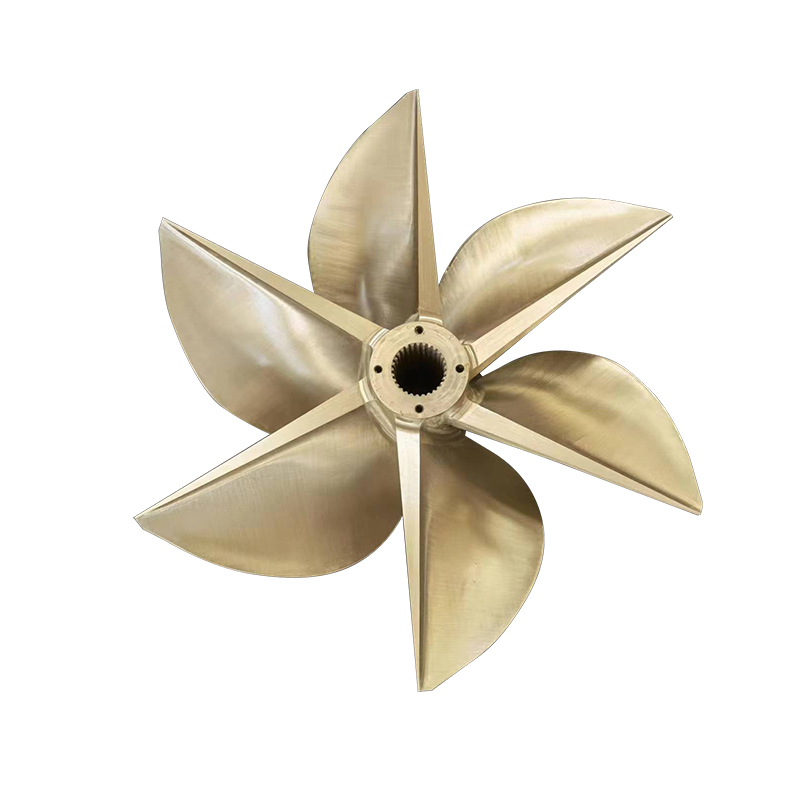
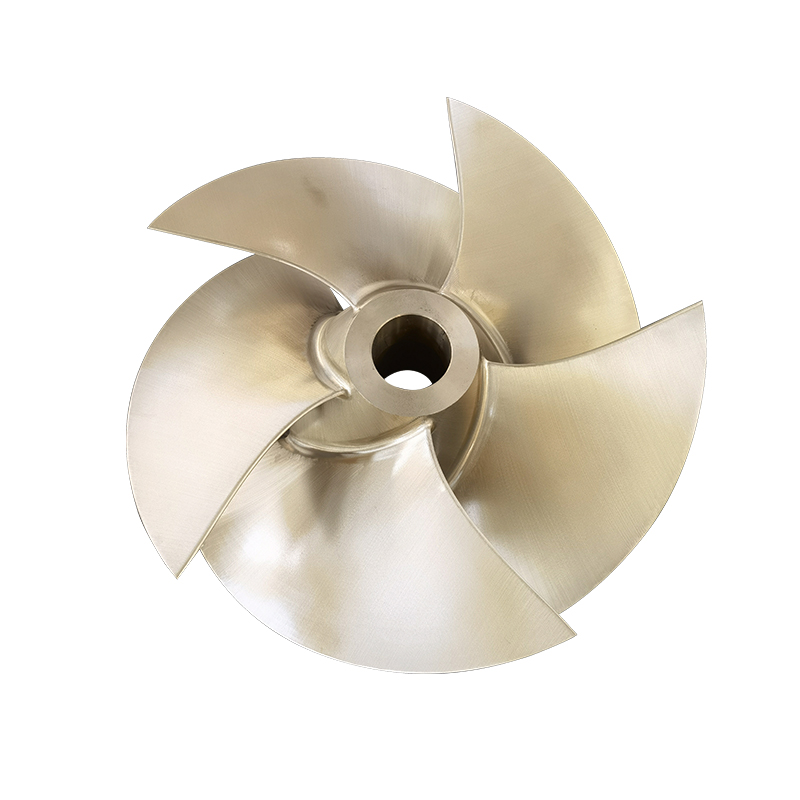
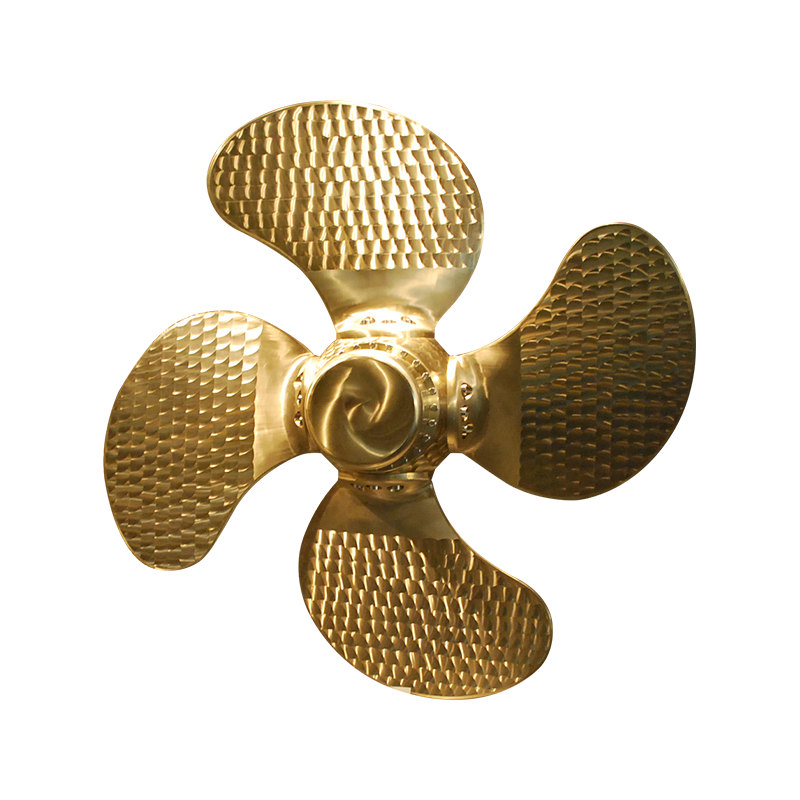
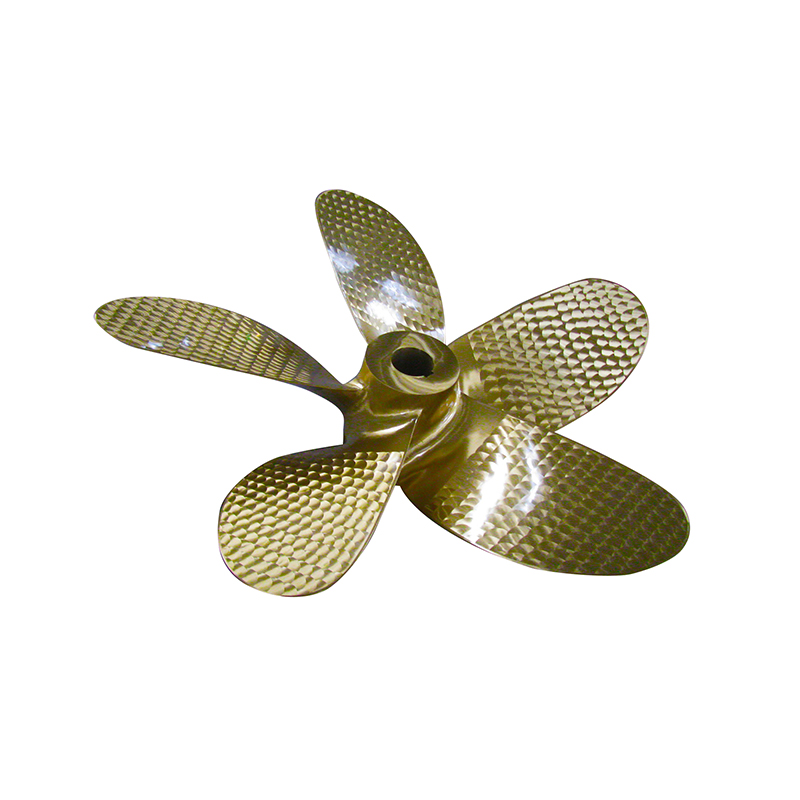
Established in 2005, Zhenjiang Jinye Propeller Co.,Ltd. is a professional China Propeller Flange Cover suppliers and Propeller Flange Cover company. Situated in Zhenjiang Jin Kou Science and Technology Industrial Park, the company spans over an area of more than 20,000 square meters. Our expertise lies in the production, manufacturing, and sales of marine copper alloy propellers and related accessories. Our product portfolio includes fixed-pitch propellers, controllable pitch propellers, propeller hubs, oil cylinders, cap fins, and other propeller attachments.

Message Feedback
Certificate Of Honor

Environmental Management System Certification Certificate

Occupational Health and Safety Management System Certification

Quality Management System Certification
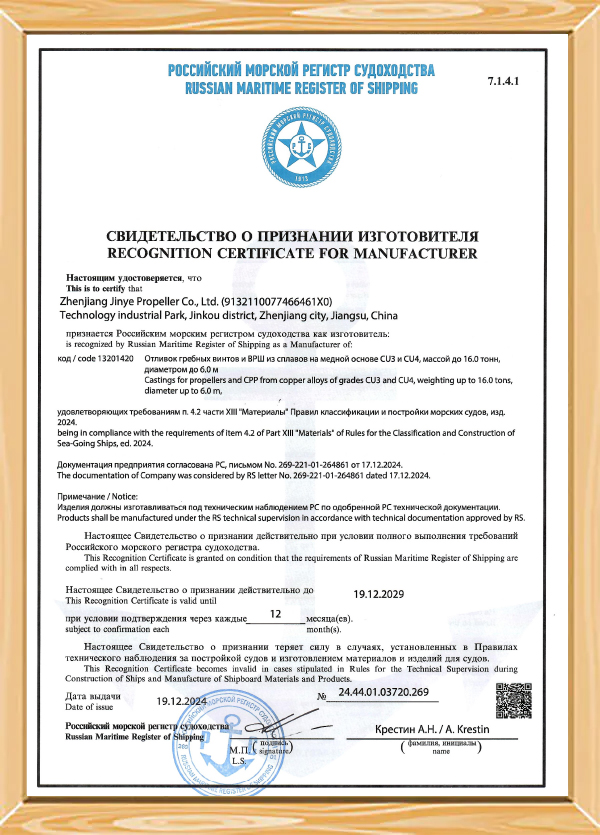
Russian Classification Society (RS)

French Classification Society (BV)
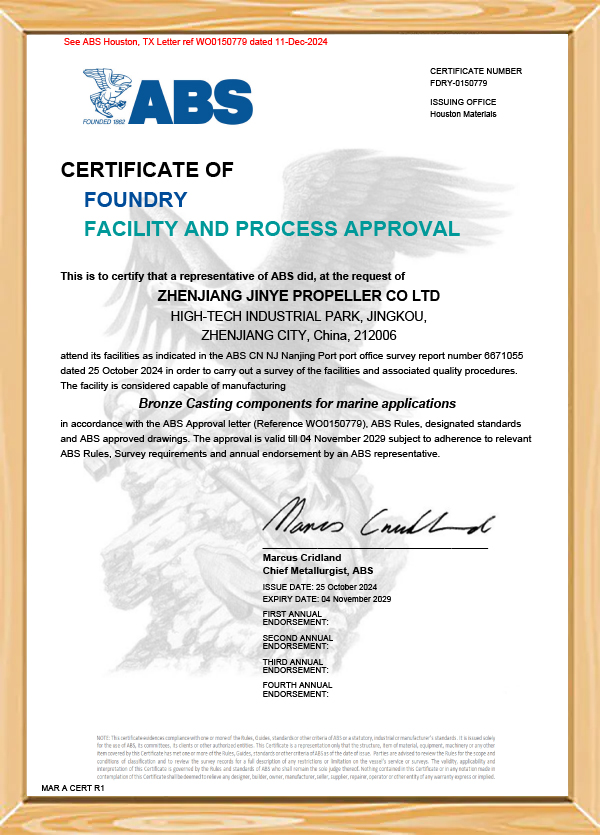
American Bureau of Shipping (ABS)

Italian Classification Society (RINA)
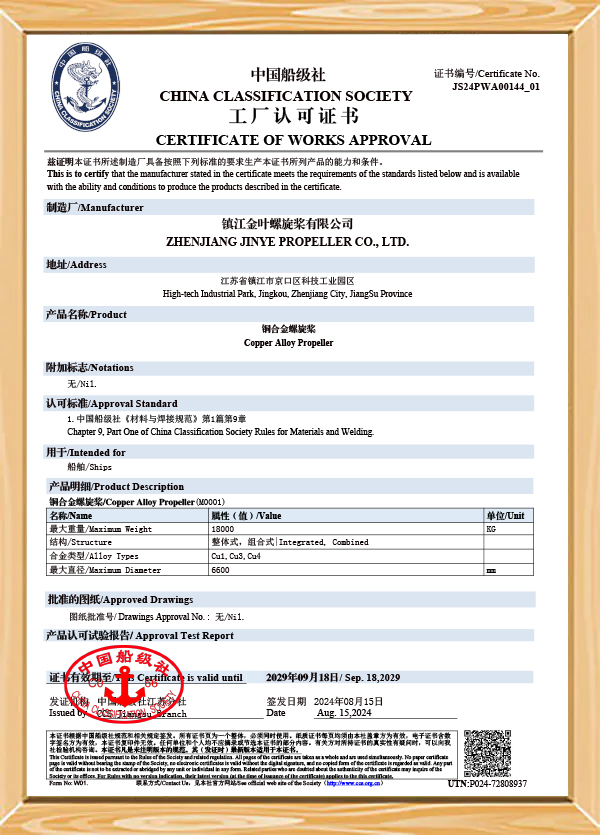
China Classification Society (CCS)
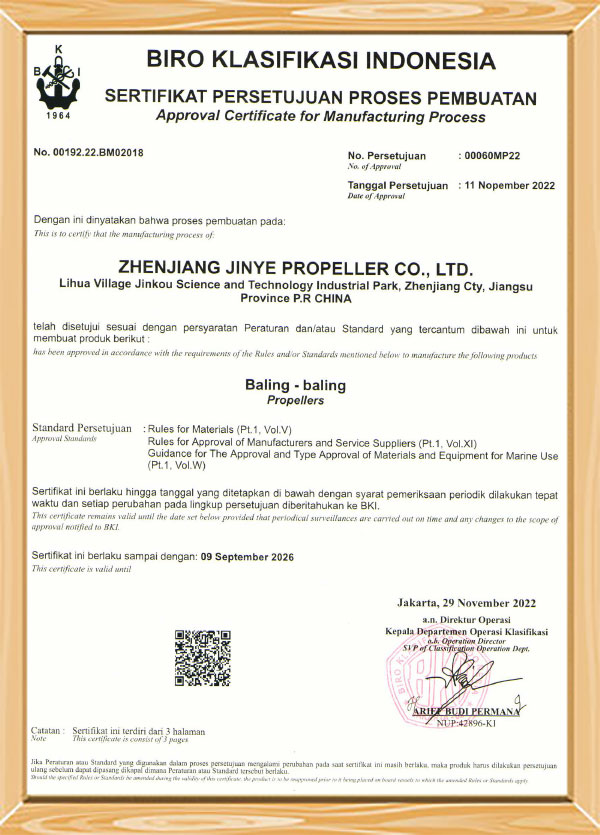
Indonesia (BKI)
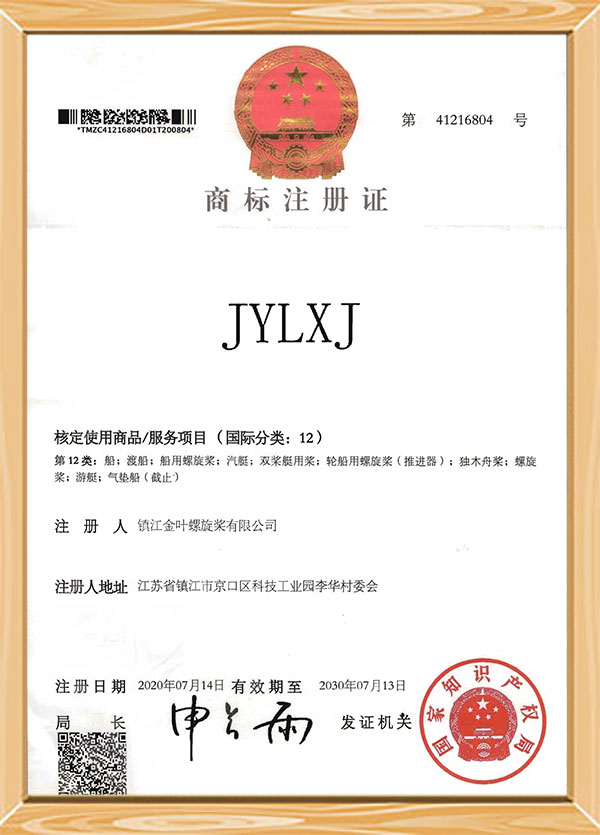
Trademark Registration Certificate
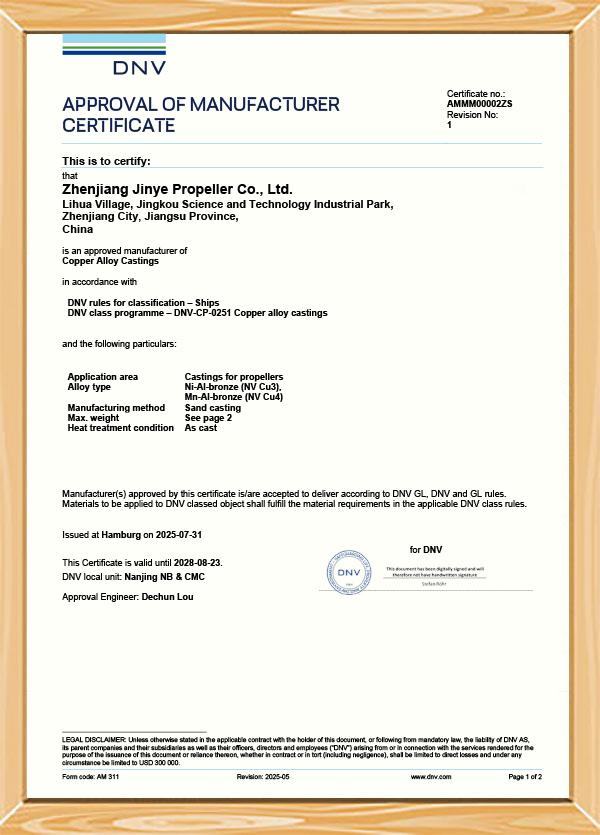
DNV-Certificate
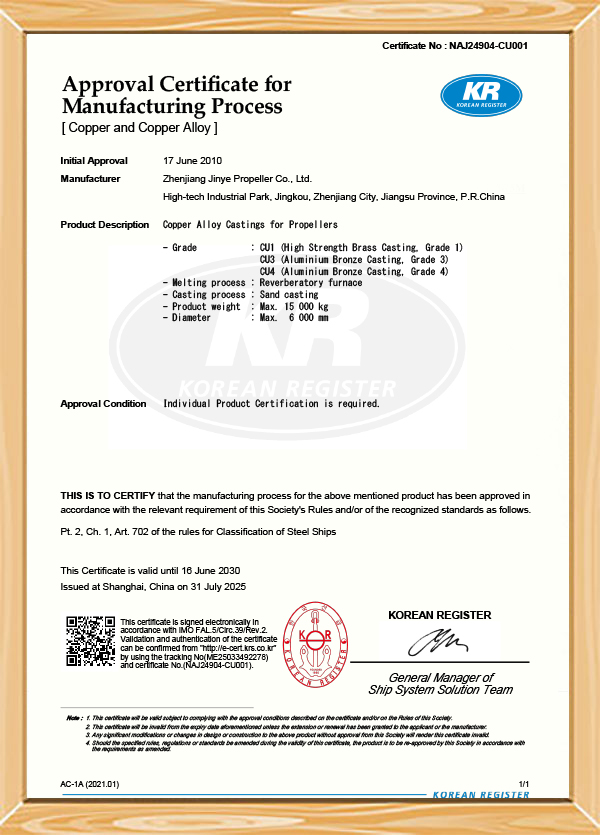
KR-Certificate
News
-
Ships use a Controllable Pitch Propeller primarily because it allows the blade pitch angle to be adjusted while the propeller shaft continues rotating at a constant speed -- enabling the vessel to change thrust magnitude and direction without changing engine RPM or requiring a reversing gearbox. T...
Read More -
An FPP Fixed Pitch Propeller is one of the most widely deployed propulsion devices in the global maritime industry. Its blades are permanently cast or forged at a fixed angle to the hub -- the pitch cannot be adjusted in service. This simplicity makes it the dominant choice for vessels operating at...
Read More -
A Fixed Pitch Propeller generates thrust by rotating blades set at a permanently fixed angle relative to the plane of rotation. As the blades spin, their cambered aerofoil cross-section accelerates water rearward, and by Newton's Third Law, the reaction force drives the vessel forward. The blade a...
Read More
Industry Knowledge Extension
1. Structure and functions of Propeller Flang Cover
The propeller flange (Propeller Flange) is a key component connecting the propeller hub and the transmission shaft. It achieves a rigid connection between the two through bolts and is a "bridge" that transmits power from the transmission shaft to the propeller. The flange cover is a protective component covering this connection part, mainly composed of the following parts:
Cover board body: usually made of cast iron, cast steel or high-strength alloy material, the shape matches the flange (mostly round or square), and has a certain thickness to withstand external impact.
Sealing components: The inner side of the cover plate may be equipped with rubber sealing rings or gaskets to prevent seawater, mud and debris from entering the flange connection gap, and avoid bolts rusting or loosening of the connection.
Fixed structure: connected to the flange or transmission shaft housing through bolts or snaps to ensure that the cover plate does not fall off during high-speed navigation of the ship or complex sea conditions.
Its core functions focus on two aspects: protection and protection:
Anti-pollution and corrosion: Isolate the erosion of flange connections by seawater, salt spray, plankton, etc., prevent bolts from rusting and thread failure, and avoid interruption of power transmission caused by corrosion.
Anti-destructive impact: When a ship is sailing or docking, it blocks direct impact of floating objects in the water (such as wooden blocks, gravel) or docking facilities on the flange, protecting the connecting bolts and flange plane from damage.
Reduce water flow interference: Some optimized flange covers adopt a streamlined structure, which can reduce the turbulence of water flow in the flange part, reduce water resistance, and indirectly improve propulsion efficiency.
Easy maintenance: Some removable flange covers provide convenient access to regular checks on flange connection status (such as bolt tightness, wear conditions), and basic maintenance is performed without dismantling the entire propeller.
2. Design differences in different scenarios
The design of Propeller Flang Cover will show significant differences depending on the type of ship, navigation environment and propeller specifications:
Large merchant ships (such as container ships and tankers):
The flange has a large size (often more than 1 meter in diameter). The flange cover must be made of high-strength cast steel to resist the impact of deep sea high pressure and strong water flow. The sealing components are mostly made of oil-resistant and seawater corrosion-resistant fluoroelastic materials to ensure that they do not age during long-term navigation.
Inland ships (such as cargo ships, ferries):
There is a lot of silt and aquatic plants in the navigation environment. The flange cover is usually designed with an anti-winding structure (such as smooth surfaces, inclined edges) to prevent the aquatic plants from wrapping the flange and causing the resistance to increase. At the same time, small drainage holes may be opened at the bottom of the cover plate to prevent silt.
Special ships (such as icebreakers, marine engineering ships):
Faced with extreme conditions such as ice impact and complex sea conditions, the flange cover will adopt a thickened design and even add reinforcement ribs. The material is upgraded to alloys with excellent low-temperature toughness (such as nickel steel), ensuring that it is not brittle at low temperatures and has stronger impact resistance.
High-speed ships (such as speedboats, passenger ships):
Focusing on fluid mechanics, flange covers mostly adopt streamlined bionic designs (such as imitating fish body curves) to reduce water flow resistance. At the same time, the application of lightweight materials (such as aluminum alloys) can reduce the overall weight and increase the speed.
3. Adaptation with ship manufacturing standards
As a protective component of a ship's power system, the production of Propeller Flang Cover must comply with the specifications of the International Maritime Organization (IMO) and various classification societies (such as CCS, ABS, BV, KR, etc.). The core standards include:
Material corrosion resistance: It must pass the salt spray test (usually required for more than 500 hours without obvious rust) to ensure that its service life is not less than 5 years in marine environments.
Structural strength: It needs to withstand a certain impact load (such as 10kN instantaneous impact force) without deformation or breaking. The connection strength between the cover plate and the flange needs to pass a vibration test (simulating continuous vibration during ship navigation).
Sealing performance: Keep it at 0.5MPa water pressure for 30 minutes without leakage, preventing seawater from entering the flange connection.
Taking professional enterprises such as Zhenjiang Jinye Propeller Co., Ltd. as an example, when producing propeller supporting parts, they will design the flange cover, propeller and flange as an integral system to ensure dimensional accuracy matching (such as the gap between the cover plate and flange is controlled within 0.5mm), and pass the classification society certification to ensure compatibility with the entire ship power system.
4. Maintenance and replacement points
To ensure that the Propeller Flang Cover continues to work effectively, the following points should be paid attention to in daily maintenance:
Regular inspection: Check whether the cover plate fixing bolts are loose and whether the seals are aging or damaged every 3-6 months (or according to the ship maintenance cycle). If the rubber ring is hardened or cracked, it must be replaced in time.
Cleaning and rust removal: Remove marine organisms and silt attached to the surface of the cover plate, grind the rust on the cover plate body and apply anti-rust paint to extend the service life.
Adaptability verification: When replacing the flange cover, it is necessary to ensure that the size and material of the new cover plate match the original flange to avoid seal failure or increased water flow resistance due to dimensional deviation.
Get in Touch Now!
We're Here to Assist with
All Your Requirements
© Copyright Zhenjiang Jinye Propeller Co.,Ltd. All Rights Reserved. Wholesale Propeller Flange Cover Suppliers
