


 English
  中文简体
中文简体  русский
  Español
  عربى
عربى  Français
  Português
  Deutsch
  Türk
Türk
JINYE
JINYE
JINYE
JINYE
JINYE
JINYE
JINYE
JINYE
JINYE
JINYE
JINYE
JINYE
JINYE
JINYE
JINYE
JINYE


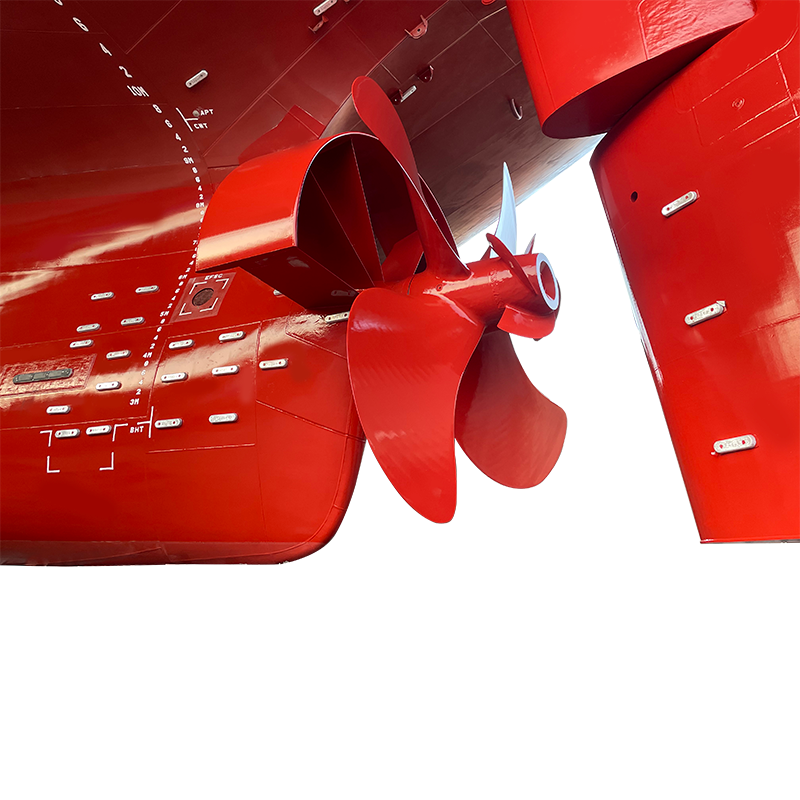
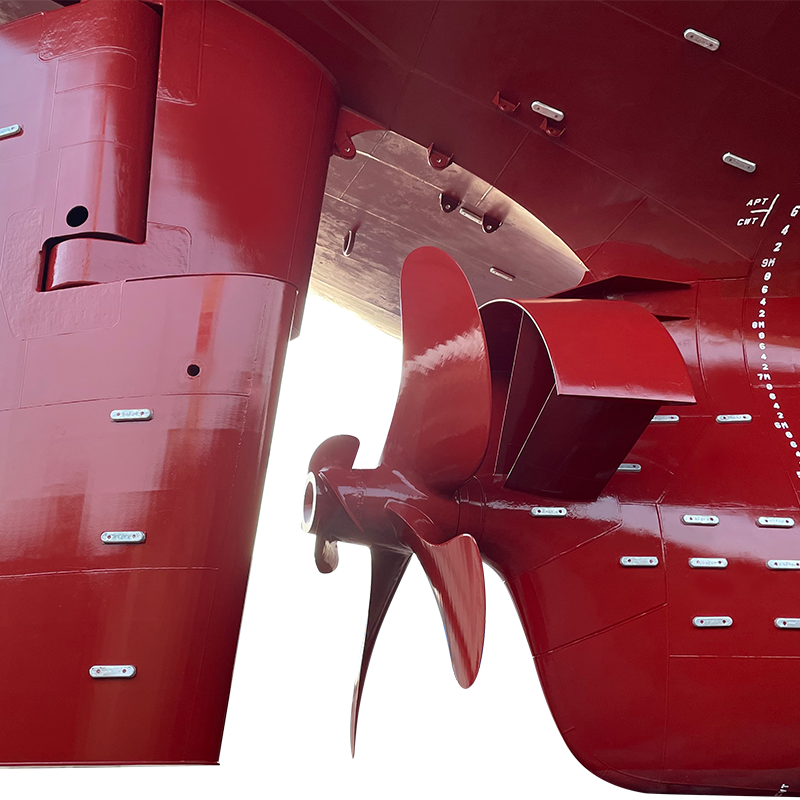
Propeller Energy Saving Devices
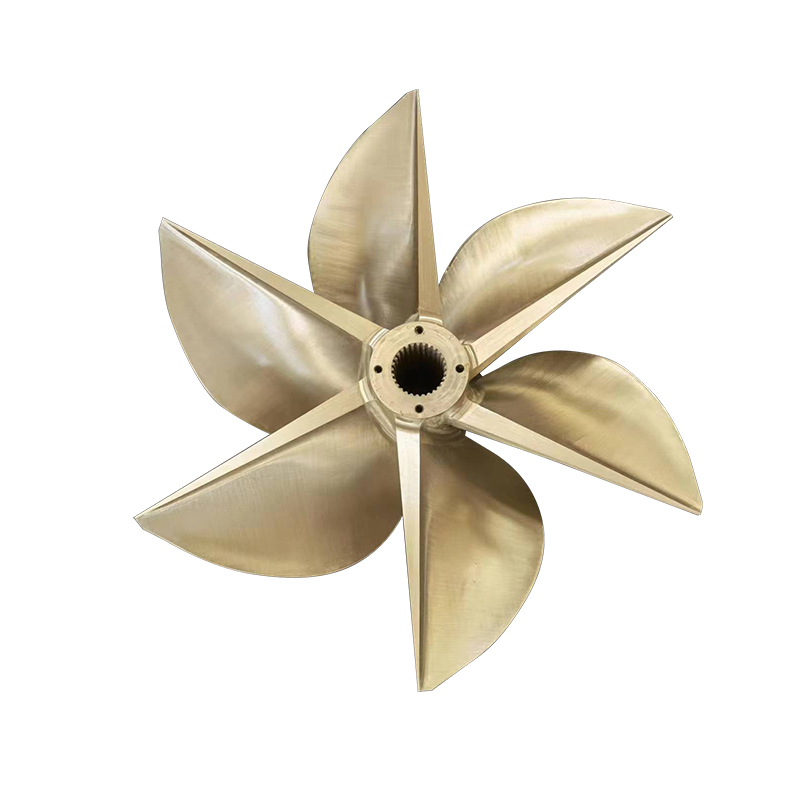
Marine Copper Alloy Propeller Vanes

Phone Number
+86-511-83386688-
To provide customers with quality products and services Obtain customer satisfaction.
-
Centering on customer needs, being honest and trustworthy, quick response, create value for customers and achieve win-win cooperation.
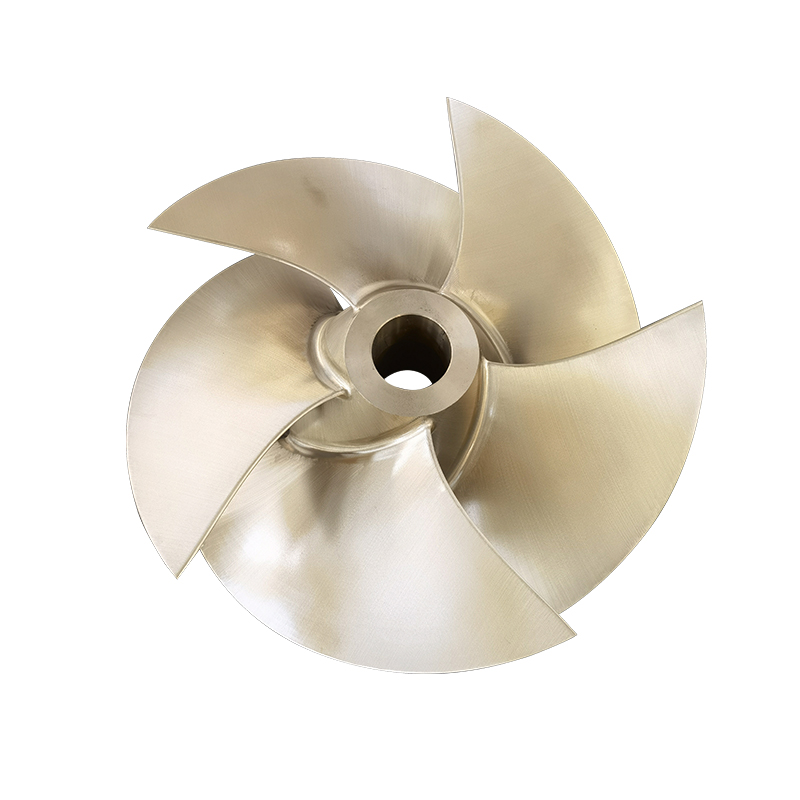
Propeller Vanes is a front-mounted hydrodynamic energy-saving device installed in front of the propeller. It is composed of a guide vane and a duct. It can improve the uniformity of the propeller inflow field, improve the hull efficiency and reduce the propeller wake rotation energy loss, and can achieve 3%-8% energy saving effect.
Core function
Improve the uniformity of inflow: the guide wheel adjusts the water flow direction through the guide vane, reduces the turbulence and eddy current in front of the propeller, makes the inflow more uniform, reduces the blade load fluctuation, and extends the service life of the propeller.
Improve the hull efficiency: optimize the water flow distribution, reduce the energy loss between the hull and the propeller, and improve the overall propulsion efficiency, especially for fat and large ships or low-speed conditions.
Reducing wake rotation loss: the guide wheel can effectively recover the rotational kinetic energy of the propeller wake, convert it into additional thrust, reduce energy waste, and further improve fuel economy.
The guide wheel optimizes the uniformity of the propeller inflow field, significantly improves the ship's propulsion efficiency, reduces energy consumption, and is an ideal choice for energy conservation and emission reduction in modern ships.
Company
Zhenjiang Jinye Propeller Co.,Ltd.
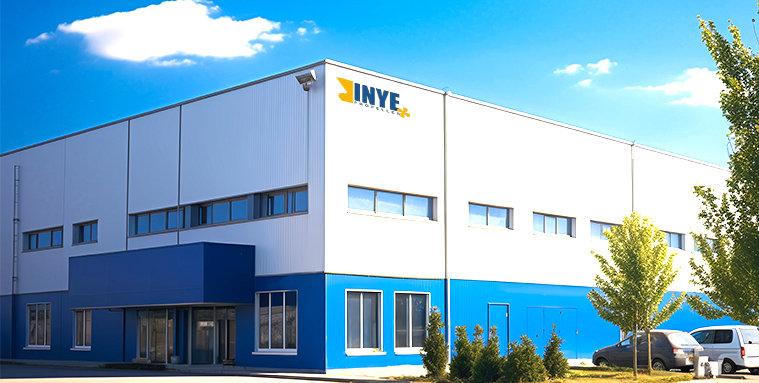
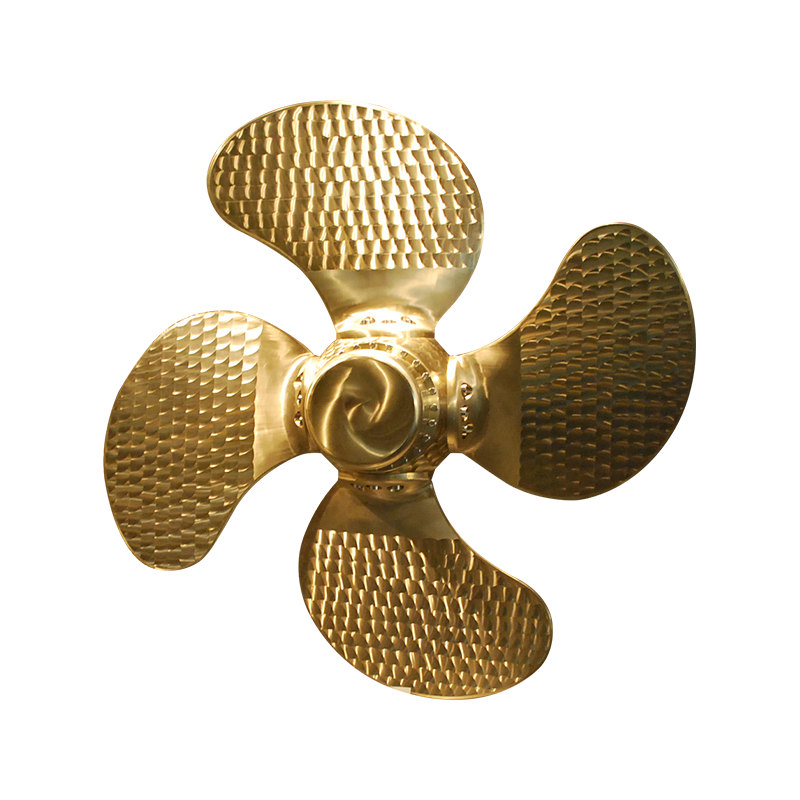
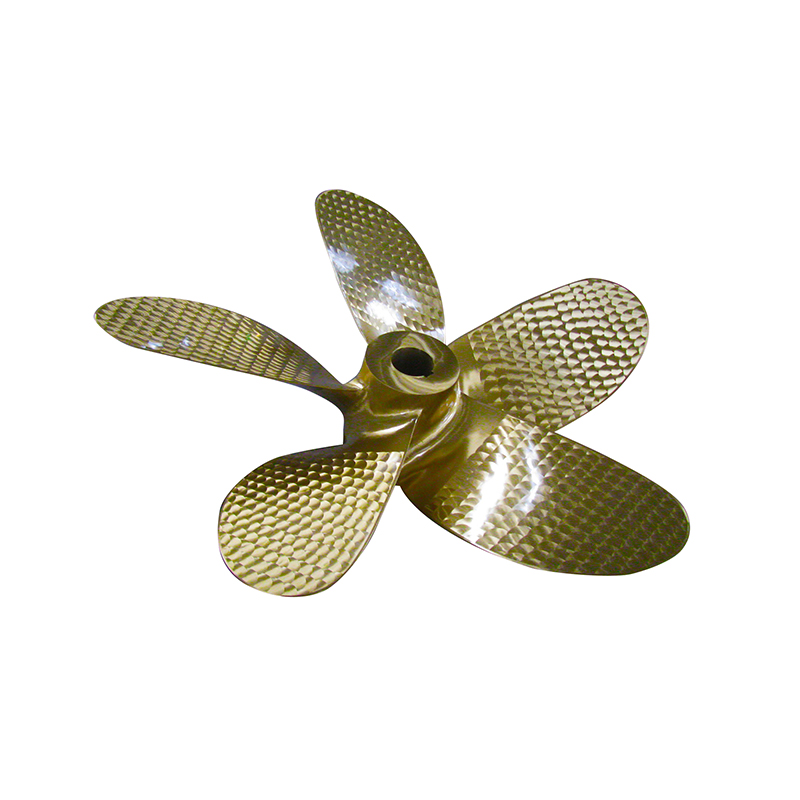
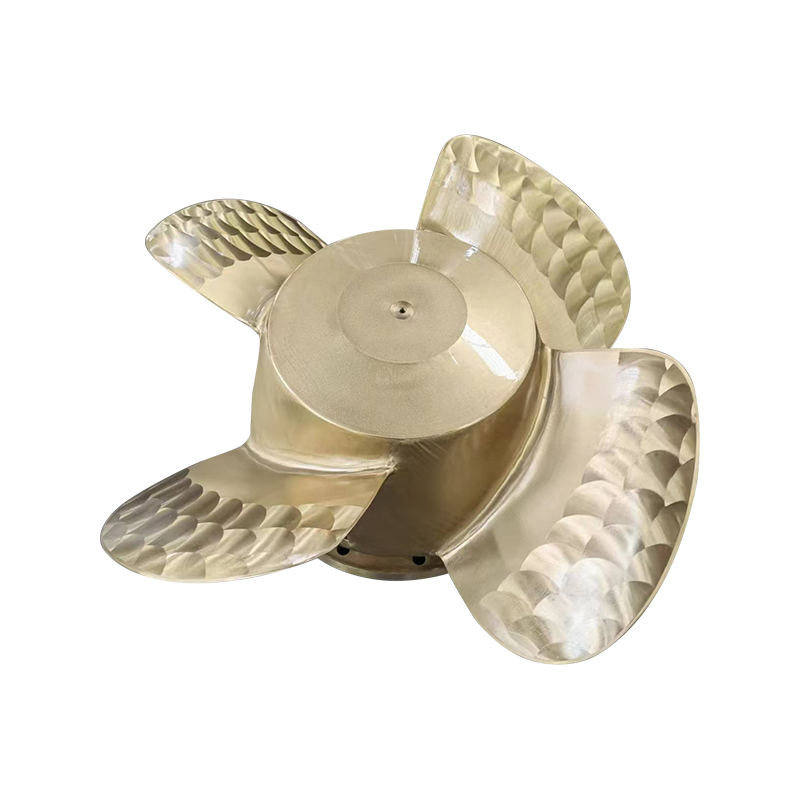
Established in 2005, Zhenjiang Jinye Propeller Co.,Ltd. is a professional China Marine Copper Alloy Propeller Vanes suppliers and Marine Copper Alloy Propeller Vanes company. Situated in Zhenjiang Jin Kou Science and Technology Industrial Park, the company spans over an area of more than 20,000 square meters. Our expertise lies in the production, manufacturing, and sales of marine copper alloy propellers and related accessories. Our product portfolio includes fixed-pitch propellers, controllable pitch propellers, propeller hubs, oil cylinders, cap fins, and other propeller attachments.

Message Feedback
Certificate Of Honor

Environmental Management System Certification Certificate

Occupational Health and Safety Management System Certification

Quality Management System Certification
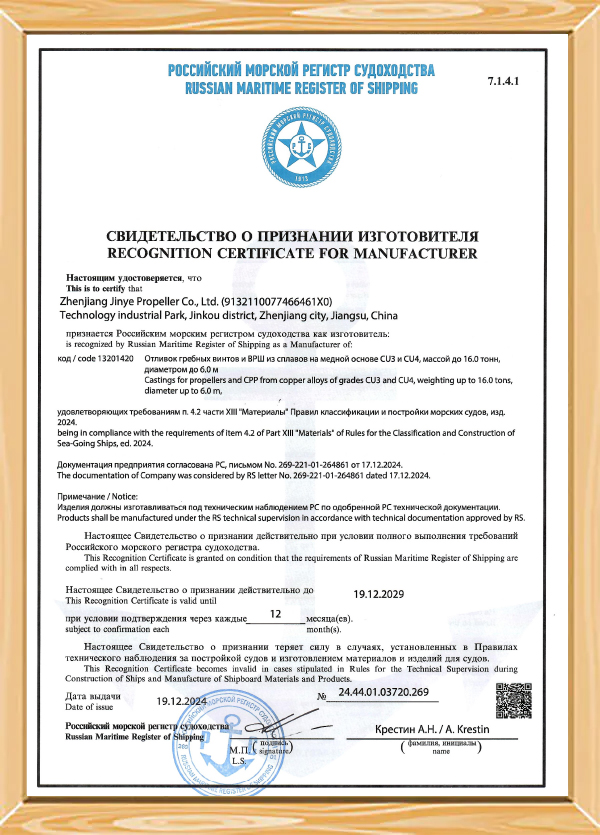
Russian Classification Society (RS)
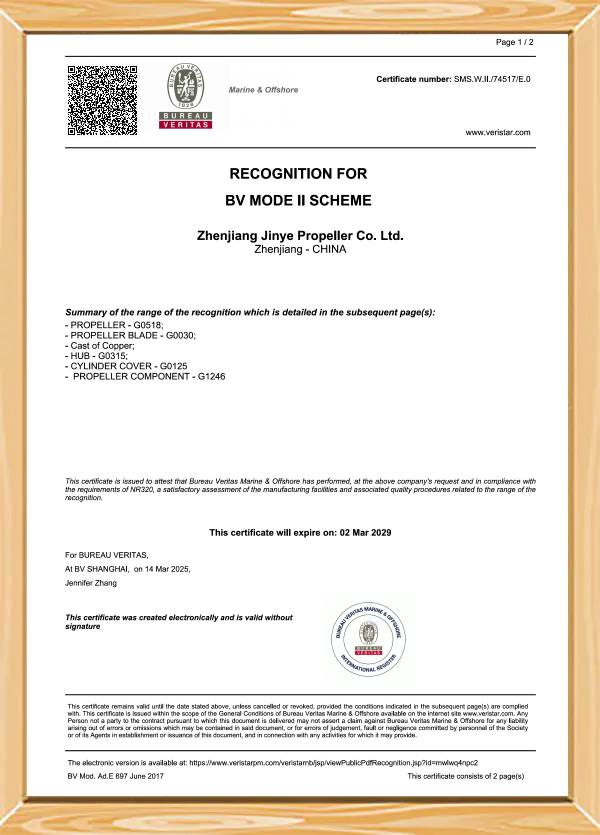
French Classification Society (BV)
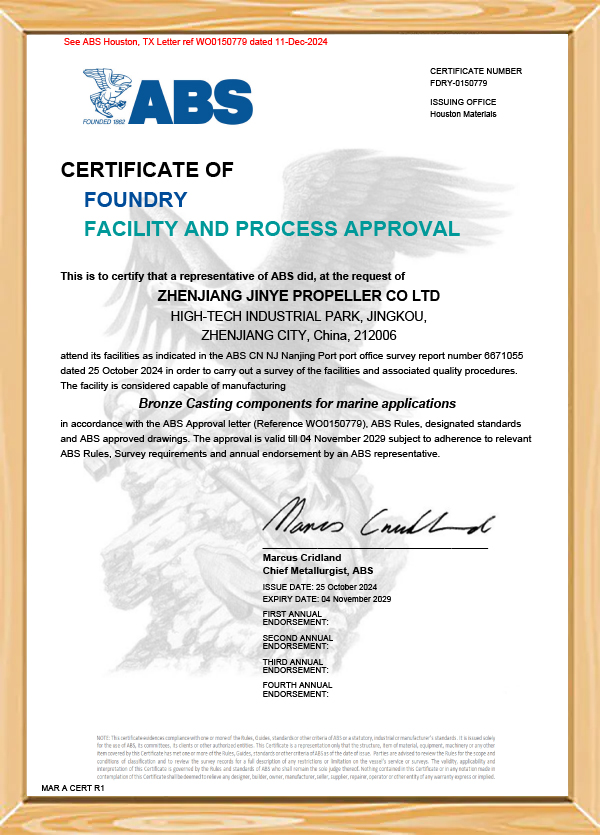
American Bureau of Shipping (ABS)

Italian Classification Society (RINA)
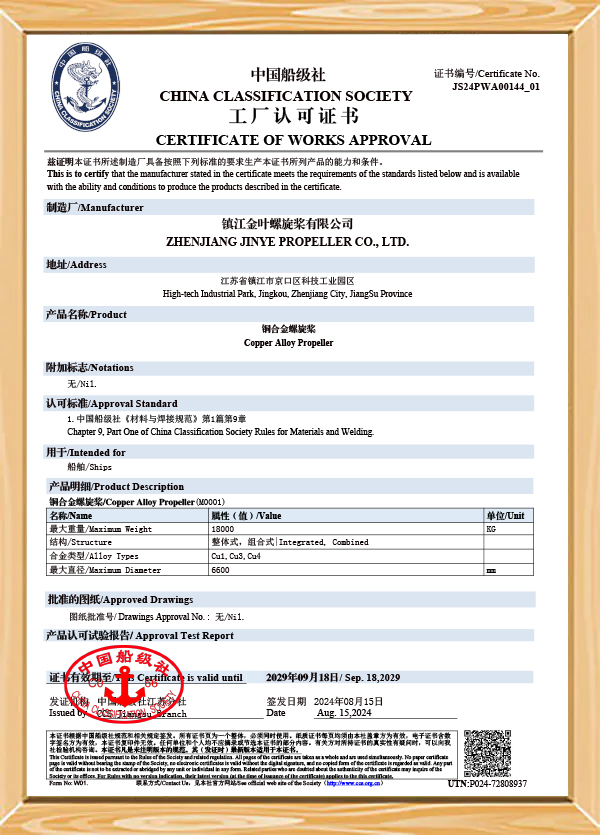
China Classification Society (CCS)
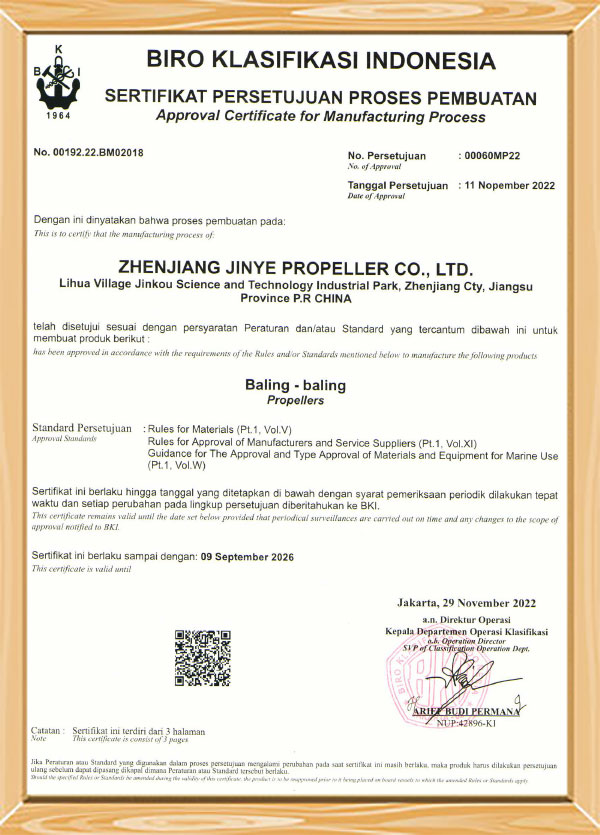
Indonesia (BKI)
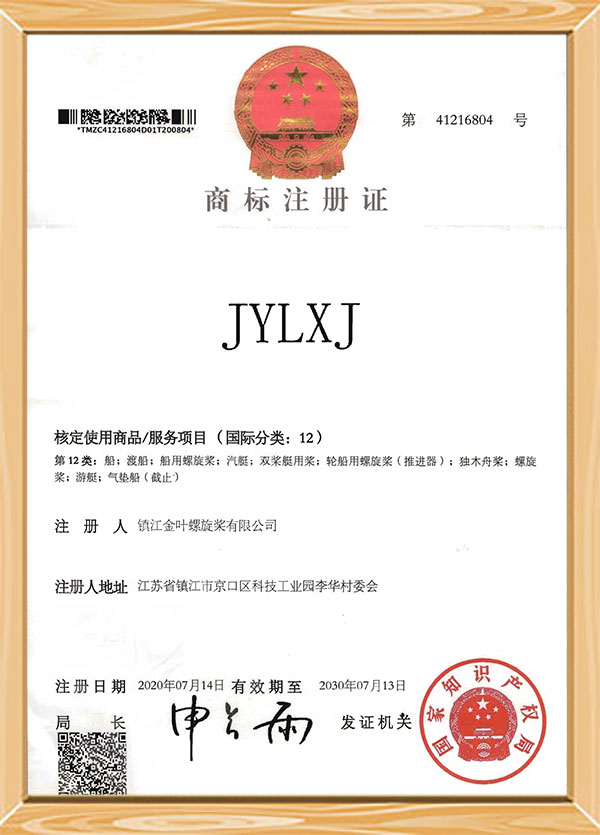
Trademark Registration Certificate
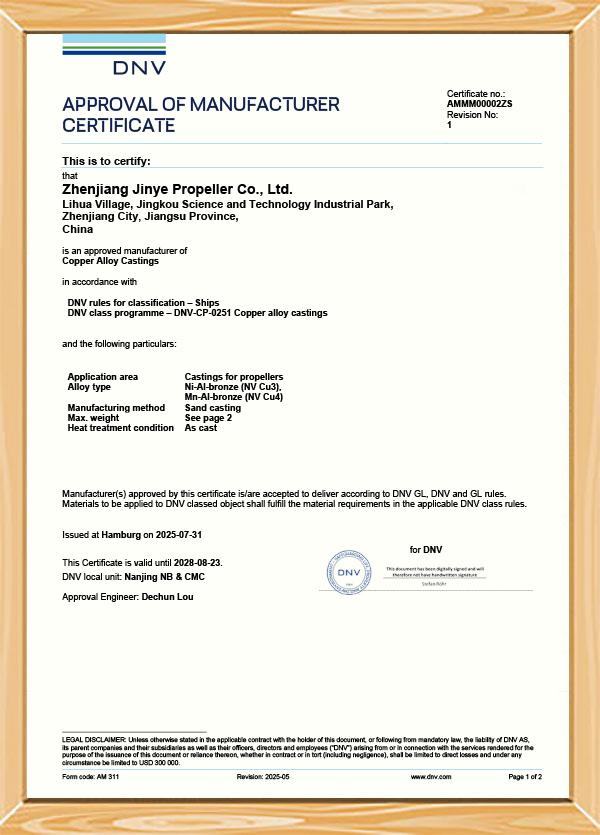
DNV-Certificate
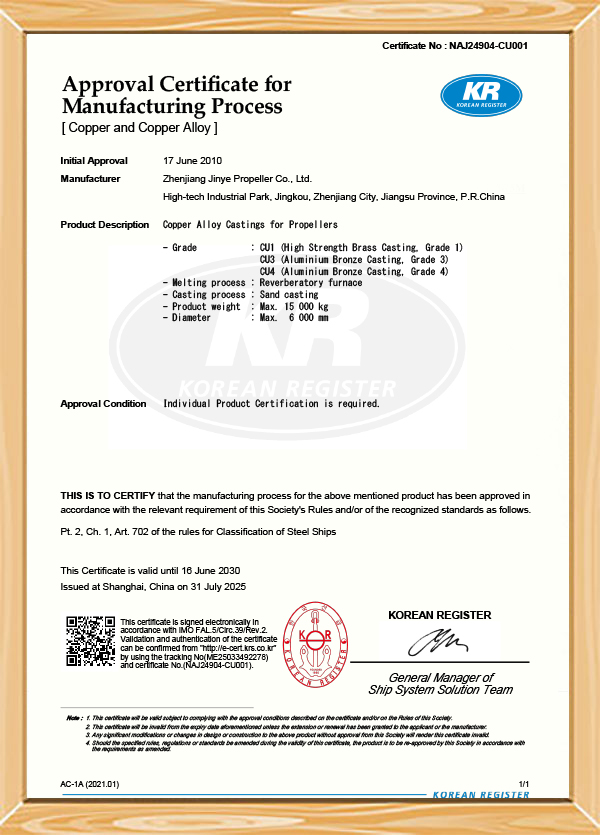
KR-Certificate
News
-
Ships use a Controllable Pitch Propeller primarily because it allows the blade pitch angle to be adjusted while the propeller shaft continues rotating at a constant speed -- enabling the vessel to change thrust magnitude and direction without changing engine RPM or requiring a reversing gearbox. T...
Read More -
An FPP Fixed Pitch Propeller is one of the most widely deployed propulsion devices in the global maritime industry. Its blades are permanently cast or forged at a fixed angle to the hub -- the pitch cannot be adjusted in service. This simplicity makes it the dominant choice for vessels operating at...
Read More -
A Fixed Pitch Propeller generates thrust by rotating blades set at a permanently fixed angle relative to the plane of rotation. As the blades spin, their cambered aerofoil cross-section accelerates water rearward, and by Newton's Third Law, the reaction force drives the vessel forward. The blade a...
Read More
Industry Knowledge Extension
Material Classification and Characteristics
Marine Copper Alloy Propeller Vanes are primarily classified into two categories: nickel-aluminum bronze and tin-bronze. Each has unique material properties:
Nickel-aluminum bronze blades: Based on a copper matrix with alloying elements such as nickel and aluminum, they offer high strength (tensile strength exceeding 600 MPa) and excellent corrosion resistance. They form a dense oxide film on their surface, protecting them from seawater, salt spray, and sediment. They also exhibit excellent cavitation resistance, minimizing damage to the blade surface caused by bubble collapse. They offer a service life of over 10 years and are suitable for use in harsh water environments.
Tin-bronze blades: With a tin content typically between 5% and 10%, they offer excellent casting fluidity, enabling precise shaping of complex blade shapes with machining accuracy within ±0.1mm. However, their strength and corrosion resistance are slightly lower than those of nickel-aluminum bronze, making them more suitable for use in waters with milder water conditions.
Application Scenario
Different types of copper alloy blades have different application areas due to their varying performance:
Nickel-aluminum-bronze blades are widely used on large merchant ships (such as container ships and oil tankers), ocean-going cargo vessels, and vessels operating in inland waterways with high sediment loads. These vessels operate in complex environments, requiring high blade strength and corrosion resistance. Nickel-aluminum-bronze blades can meet these demands for long-term, high-load operation.
Tin-bronze blades are primarily used on high-speed patrol vessels, luxury yachts, inland passenger ships, and other vessels requiring high speed and maneuverability. Their precise blade design reduces water resistance, improves propulsion efficiency, and is suitable for high-speed operation.
Key Manufacturing Processes
The manufacture of Marine Copper Alloy Propeller Vanes requires multiple precision processes:
Casting: Sand casting or investment casting is used to ensure uniform alloy composition and avoid defects such as porosity and shrinkage. Nickel-aluminum-bronze requires controlled cooling rates during casting to achieve an ideal metallographic structure, while tin bronze utilizes its excellent fluidity to ensure complete blade shape details. Machining: Blade surfaces are precision-machined using a five-axis CNC machining center, achieving a surface roughness of Ra ≤ 1.6μm to reduce frictional resistance.
Inspection: Non-destructive testing (such as ultrasonic testing and penetrant testing) is used to detect internal defects, and dimensional accuracy is verified using a coordinate measuring machine to ensure compliance with classification society standards (such as CCS and ABS).
Company Practice
Zhenjiang Jinye Propeller Co., Ltd. has mature technology in the production of marine copper alloy propeller blades.
Blade materials and blade profiles can be customized based on vessel parameters (such as speed, displacement, and navigation area), matching material performance with navigation requirements.
Equipped with advanced casting production lines and CNC machining equipment, we can consistently produce nickel-aluminum bronze and tin bronze blades of varying specifications. Our products have obtained multiple international classification society certifications and are exported to numerous countries and regions.
Get in Touch Now!
We're Here to Assist with
All Your Requirements
© Copyright Zhenjiang Jinye Propeller Co.,Ltd. All Rights Reserved. Wholesale Marine Copper Alloy Propeller Vanes Suppliers
