1. The core concept of Pitch
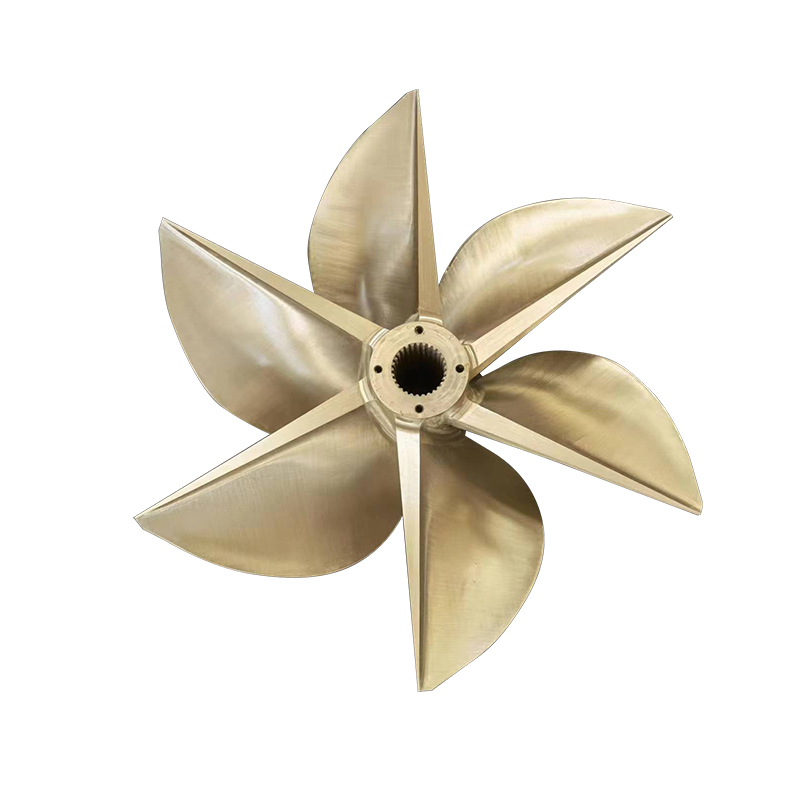
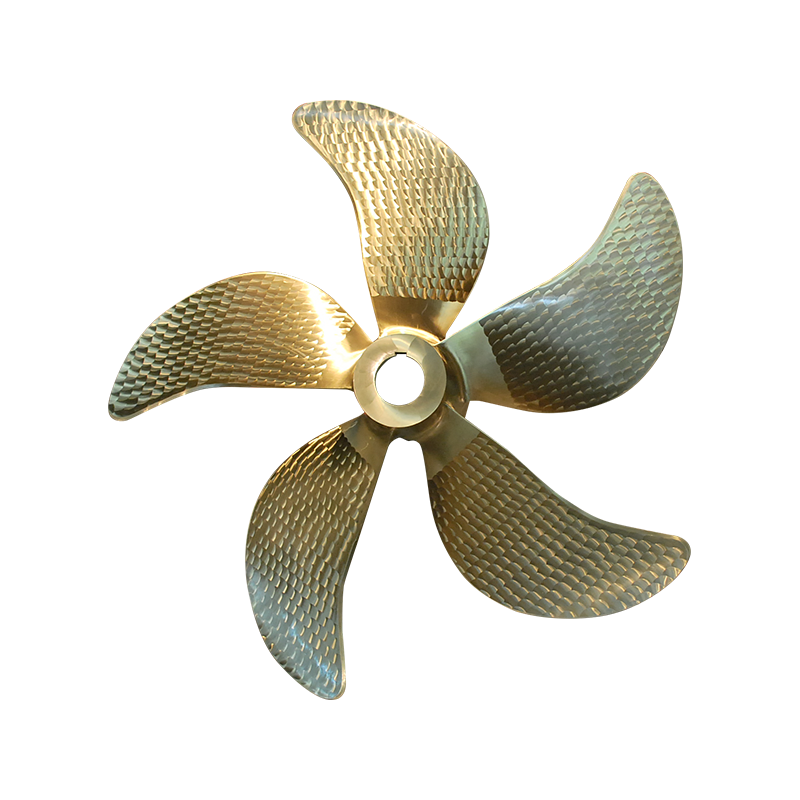
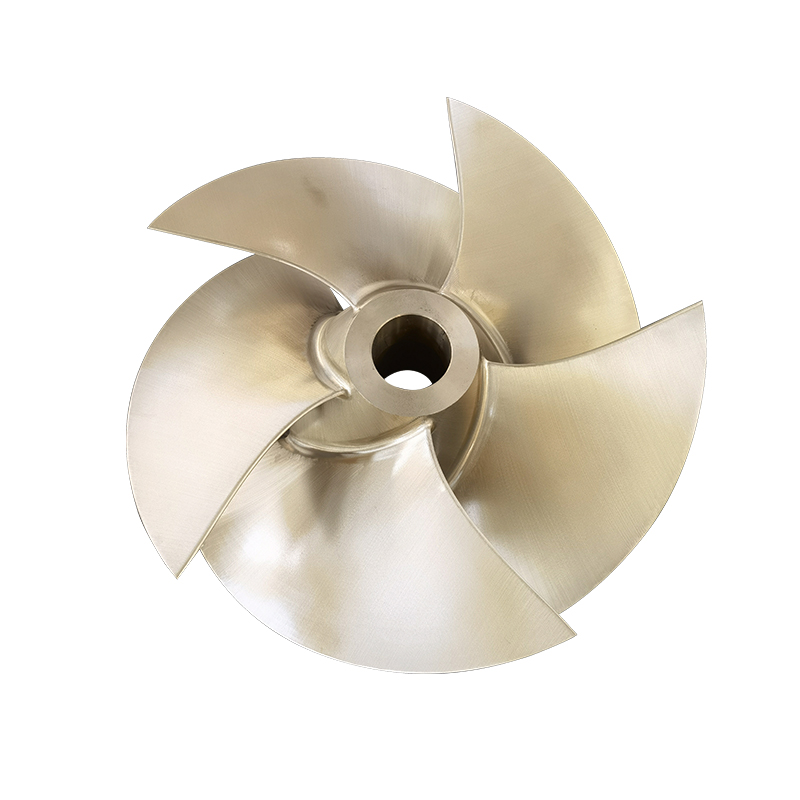
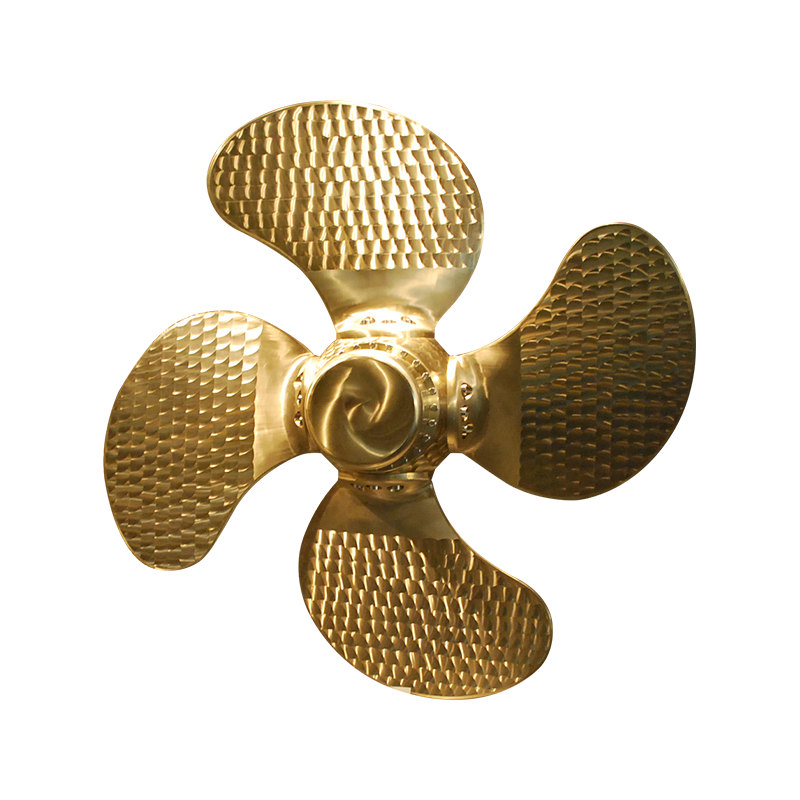
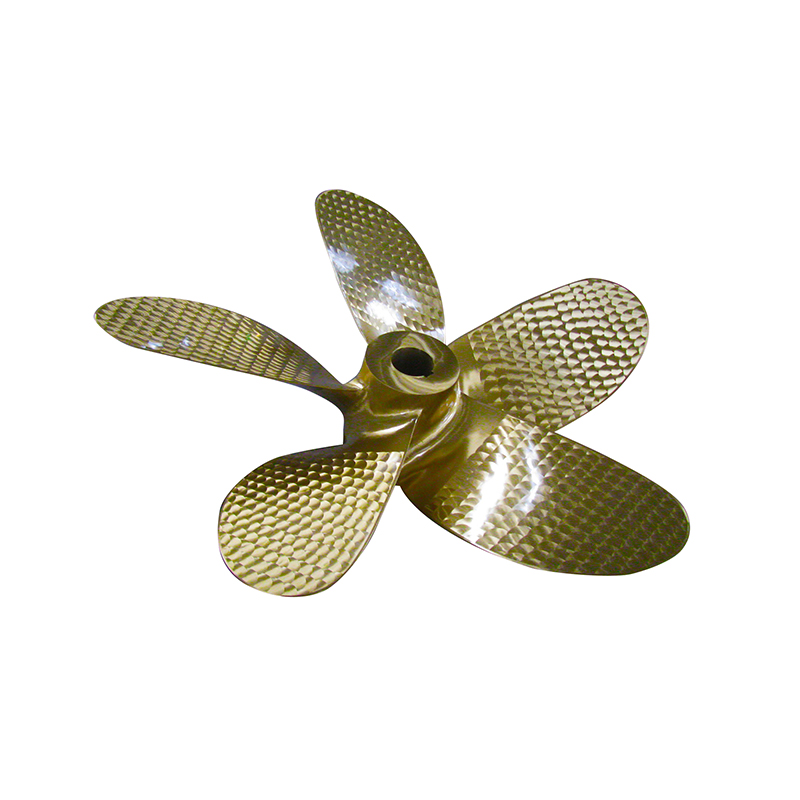
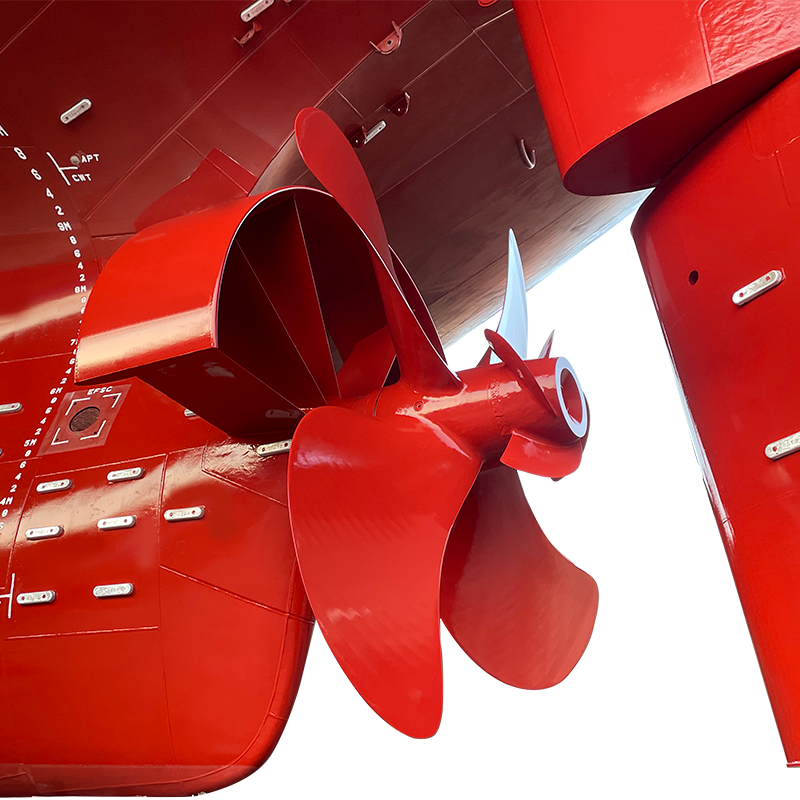
The pitch is a key parameter of a ship's propeller. It refers to the distance from which the propeller rotates around and goes forward theoretically in an ideal fluid, which directly affects the propeller's thrust, efficiency and adaptation scenario. According to the size of the pitch value, it can be divided into low/high Pitch Propeller. There are significant differences in performance and application between the two.
2. Low Pitch Propeller
Core features: The pitch value is small and the propeller blade tilt angle is gentle. It can generate large thrust at low speeds, excellent acceleration performance, and more sensitive to the "response speed" of the ship - suitable for scenarios where frequent start and stop and low-speed operations are required. However, at high speeds, the energy consumption is relatively high due to the reduced efficiency of the blades and water flow.
Typical application scenarios:
Towboats, push boats, etc. that require strong thrust to assist ships in berthing/departure port;
Special ships that require frequent adjustment of speed and direction, such as port tugboats and salvage ships;
Small fishing boats, inland cargo ships, etc., mainly use low-speed short-haul flights.
3. High Pitch Propeller
Core features: The pitch value is large and the blade inclination angle is steep. At high speeds, engine power can be converted into forward power more efficiently, suitable for long-term high-speed navigation, and has better battery life efficiency. However, the thrust is weak and the acceleration is slow at low speeds, which has certain restrictions on the "low-speed handling" of the ship.
Typical application scenarios:
Ocean freighters, container ships and other large ships that require long-distance high-speed navigation;
Commercial ships with clear speed requirements such as passenger and roulette ships, high-speed passenger ships, etc.
The operation needs of some special engineering ships (such as marine survey ships) in long-term long-term sections of the long sea.
4. Selection basis for low/high pitch propeller
The choice of the thread pitch of the ship must be based on navigation requirements, ship type, load conditions and engine power comprehensive judgment:
If the ship takes "low speed and high thrust" as the core (such as a tugboat), the low-pitch propeller is a better solution;
If the ship aims to "high speed and long range" (such as ocean freighters), high-pitch propellers can significantly improve operating efficiency;
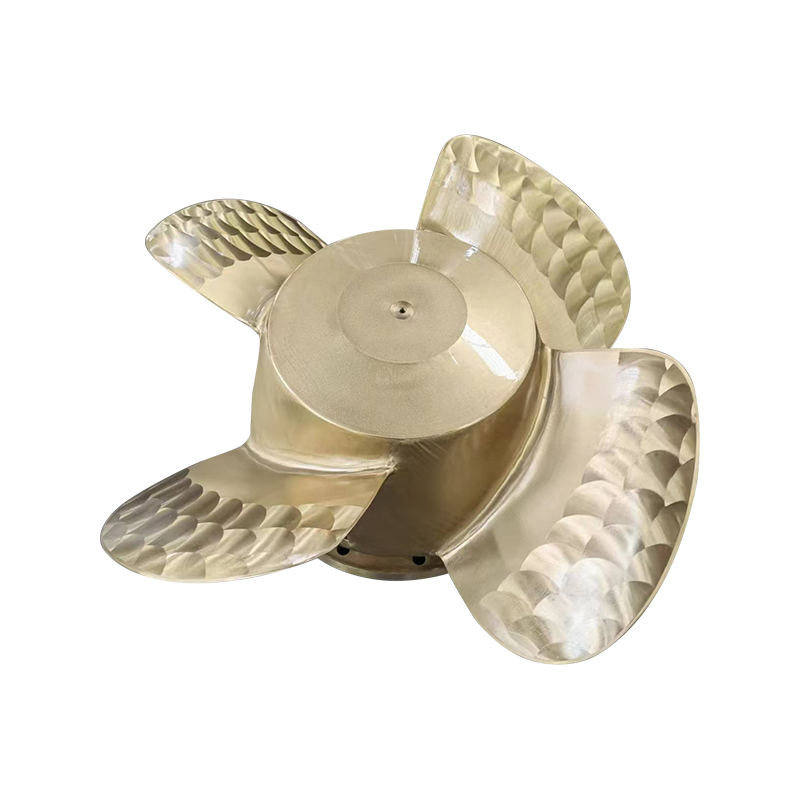
For ships that need to take into account multiple working conditions (such as some multi-purpose cargo ships), the pitch adjustment propeller (CPP) can be dynamically adjusted to achieve the switching between "low pitch thrust mode" and "high pitch efficiency mode".
5. Related practices of Zhenjiang Jinye Propeller Co., Ltd.
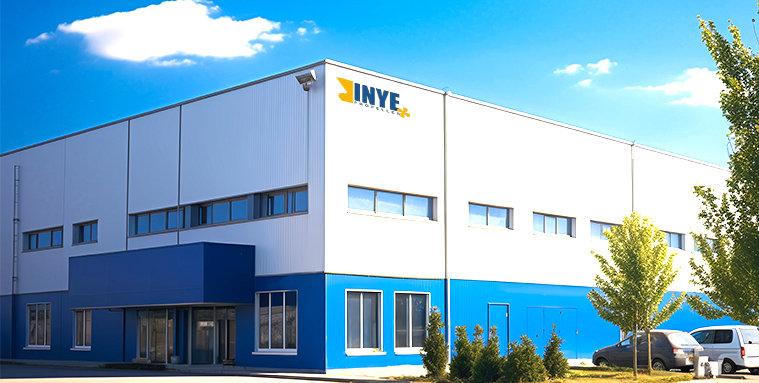
As a professional marine propeller manufacturer, Zhenjiang Jinye Propeller Co., Ltd. (established in 2005, located in Zhenjiang Jingkou Science and Technology Industrial Park) has rich technical accumulation and product capabilities in the field of low/high pitch propellers:
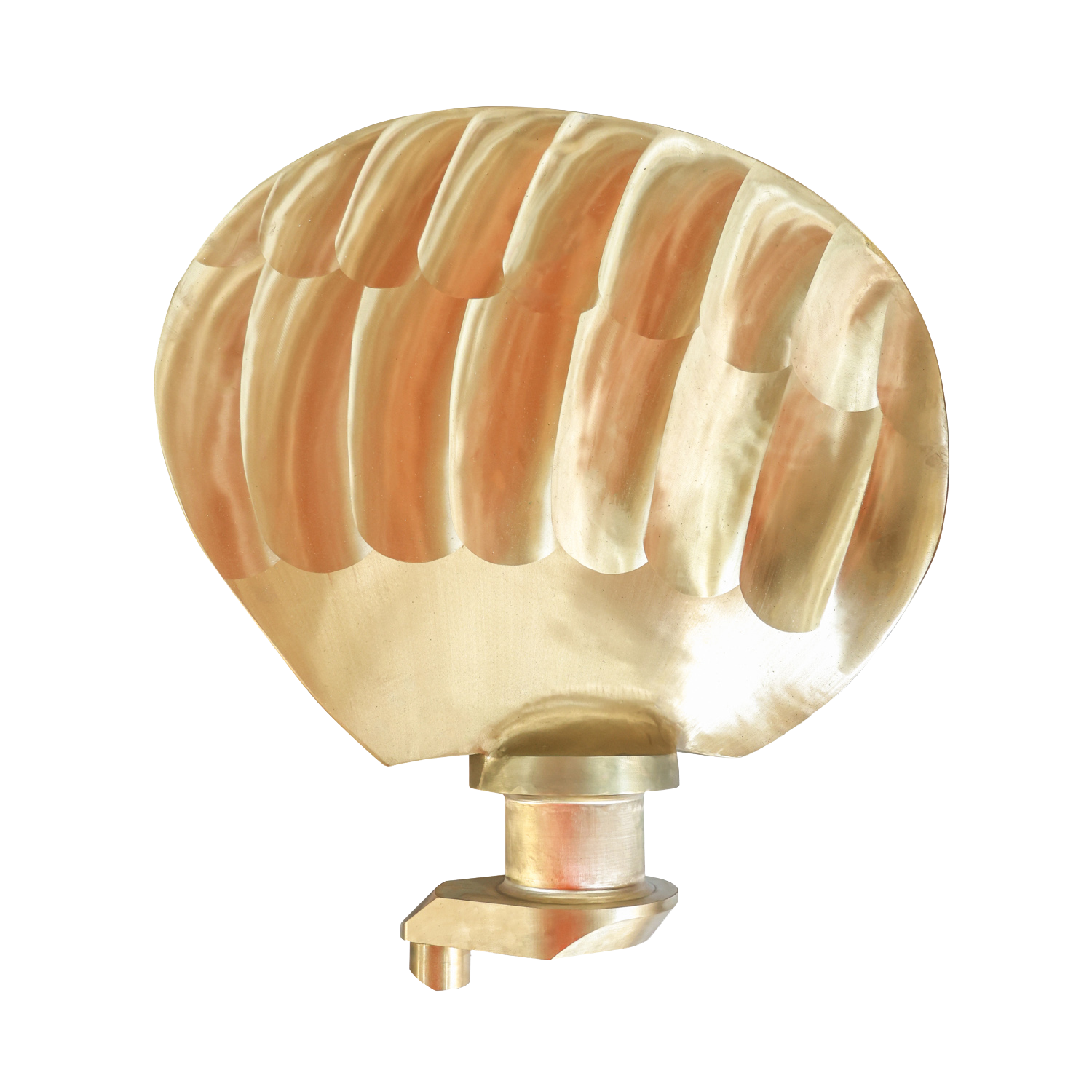
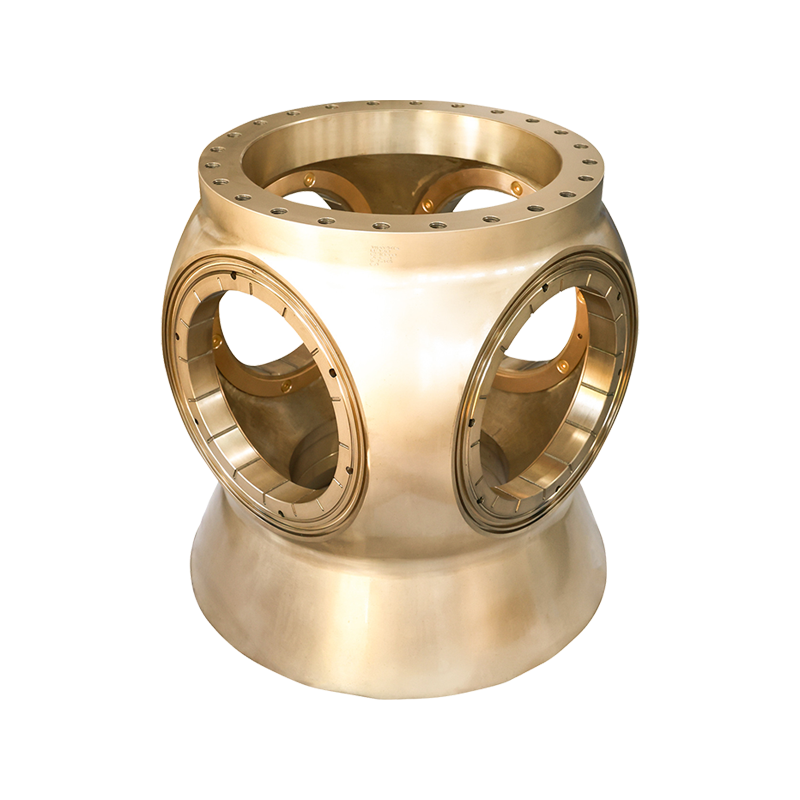
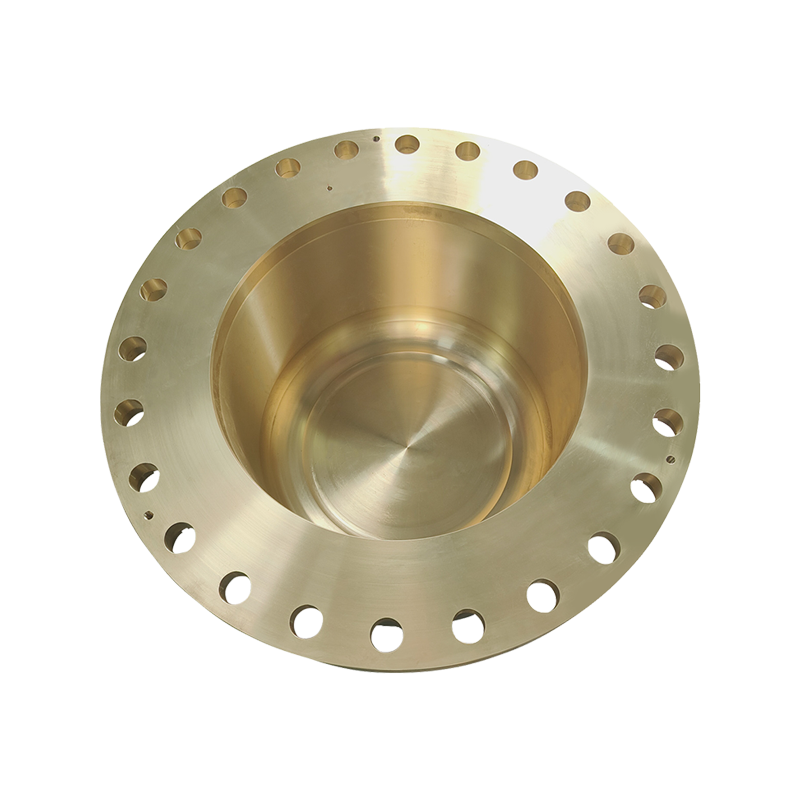
Product coverage: The company's product line includes fixed-range propeller (FPP) and pitch-adjustable propeller (CPP), which can customize products with different pitch parameters according to customer needs. Whether it is low-pitch high-thrust design or high-pitch high-performance solutions, they can be achieved through the "customized solutions" of its R&D team;
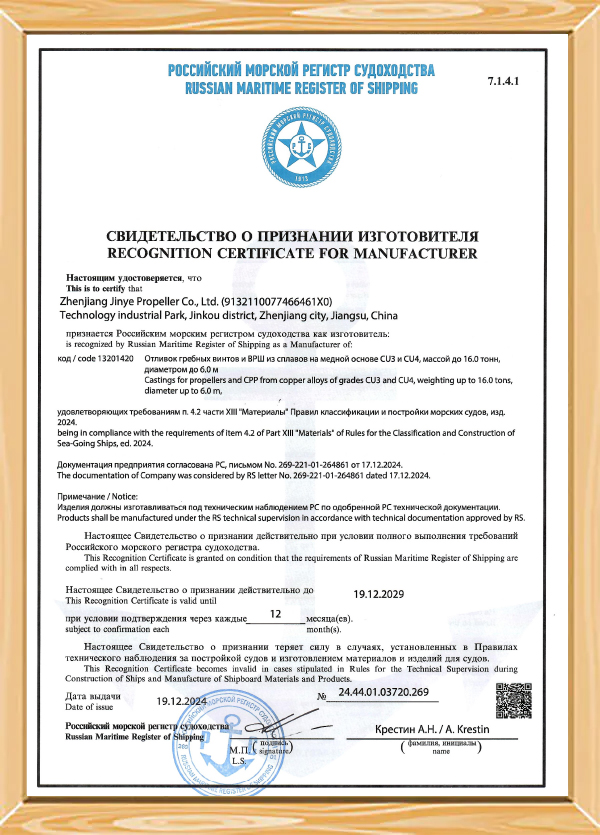
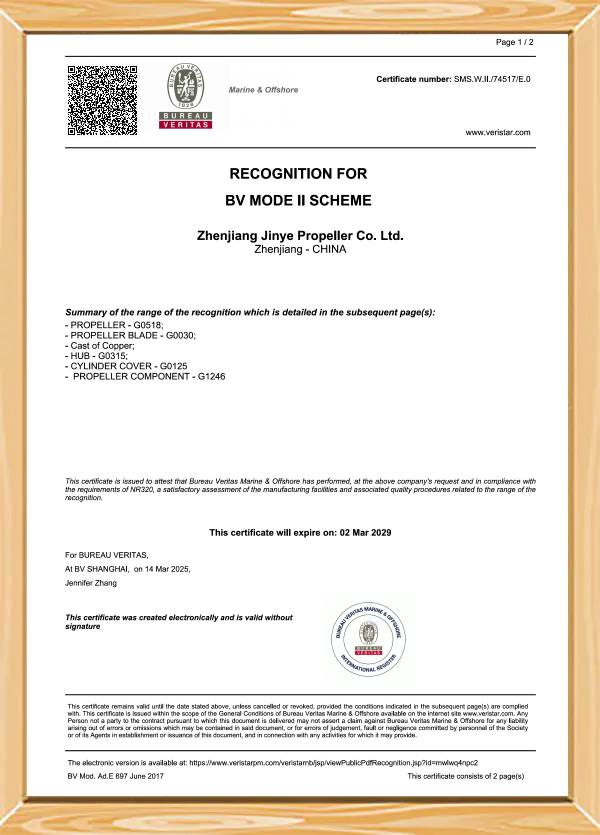
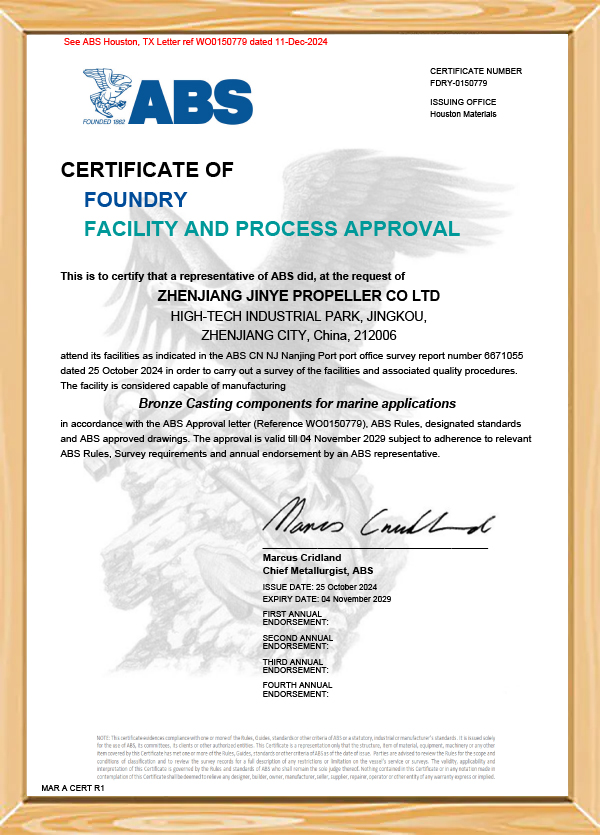
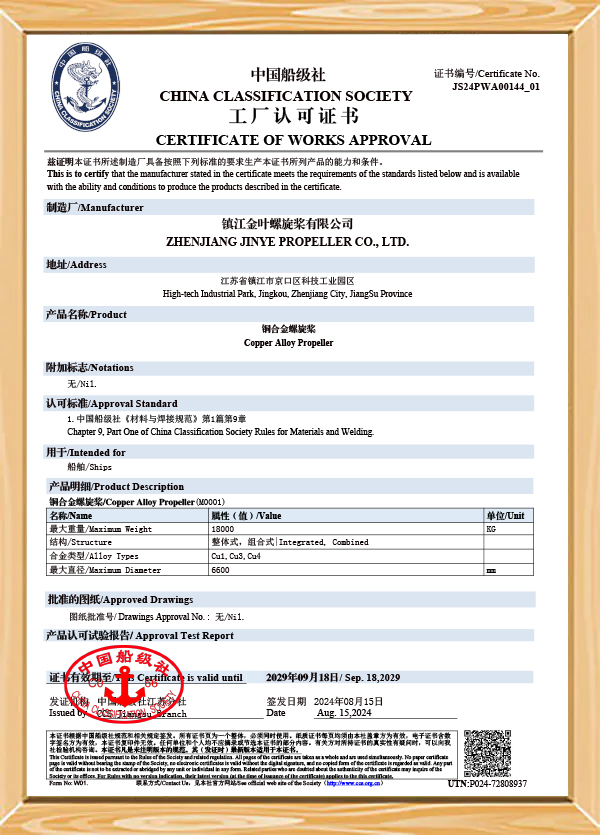
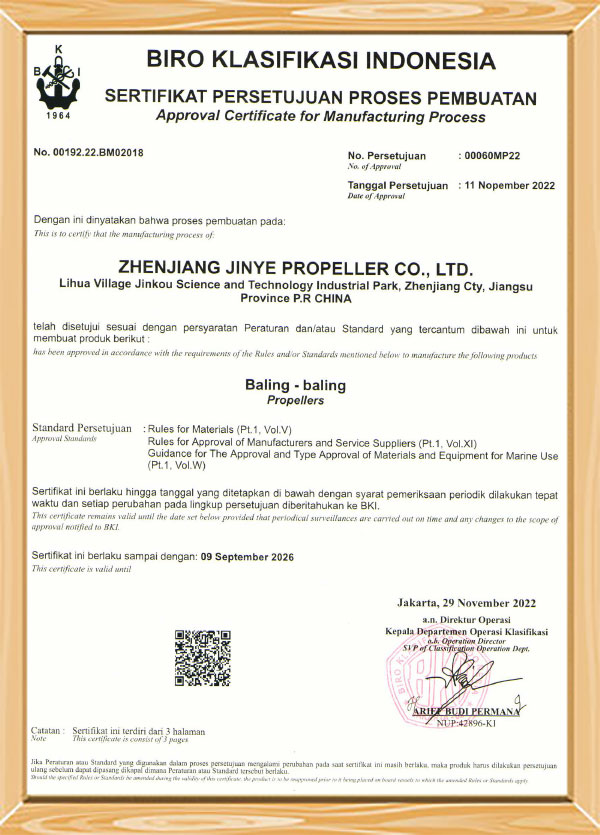
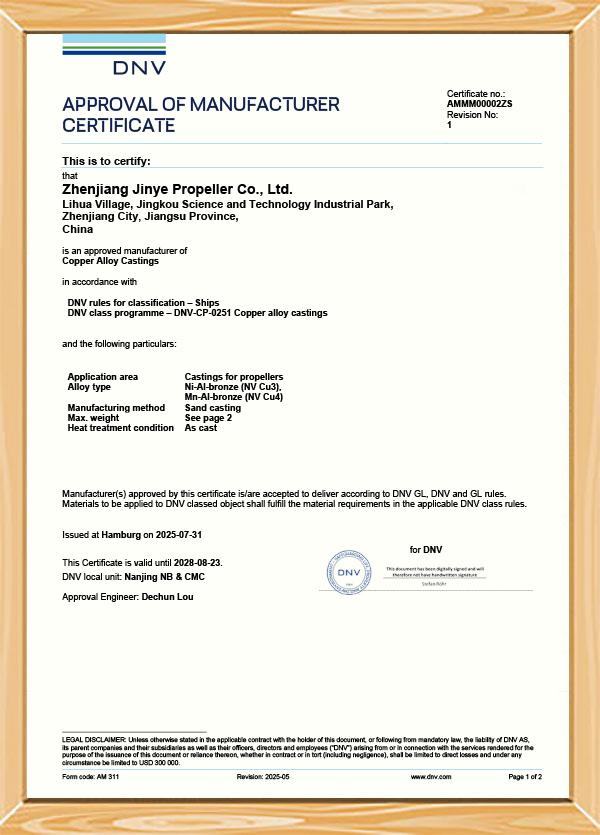
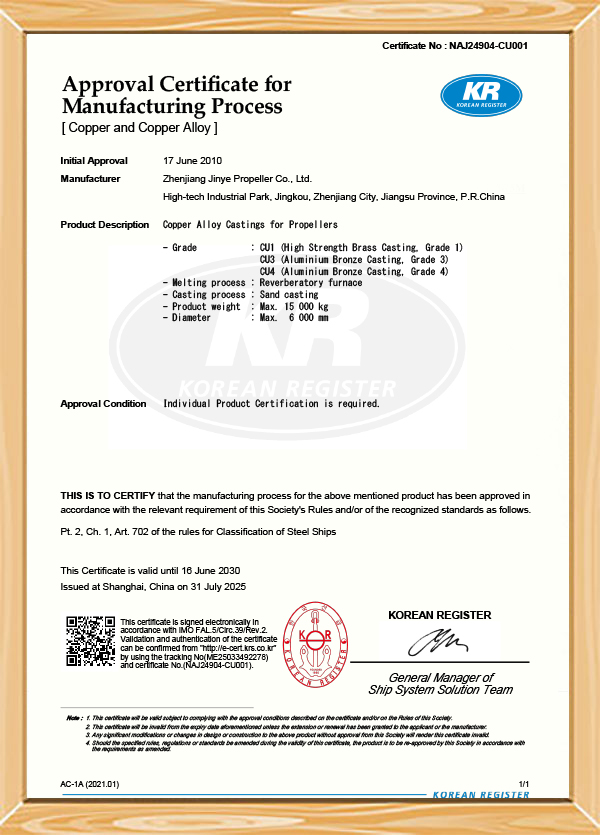
Technical Assurance: Relying on a complete quality management system (covering prenatal inspection, process monitoring and final verification), its low/high pitch propeller products comply with international classification societies such as CCS, KR, BV, etc., and have served customers in more than 60 countries around the world (such as Wärtsilä, Kongsberg and other international companies);
Scenario adaptation: In response to the working conditions of different ships such as tugboats, freighters, and special engineering ships, the company can balance thrust and efficiency by optimizing the blade surface design and pitch parameters, and meet diverse navigation scenarios.
In summary, the choice of Low/High Pitch Propeller is a key link in the design of ship power system. Zhenjiang Jinye Propeller Co., Ltd. provides reliable product solutions for customers with different pitch needs with customized R&D capabilities and international standards.



 English
  中文简体
中文简体  русский
  Español
  عربى
عربى  Français
  Português
  Deutsch
  Türk
Türk