


 English
  中文简体
中文简体  русский
  Español
  عربى
عربى  Français
  Português
  Deutsch
  Türk
Türk
JINYE
JINYE
JINYE
JINYE
JINYE
JINYE
JINYE
JINYE
JINYE
JINYE
JINYE
JINYE
JINYE
JINYE
JINYE
JINYE

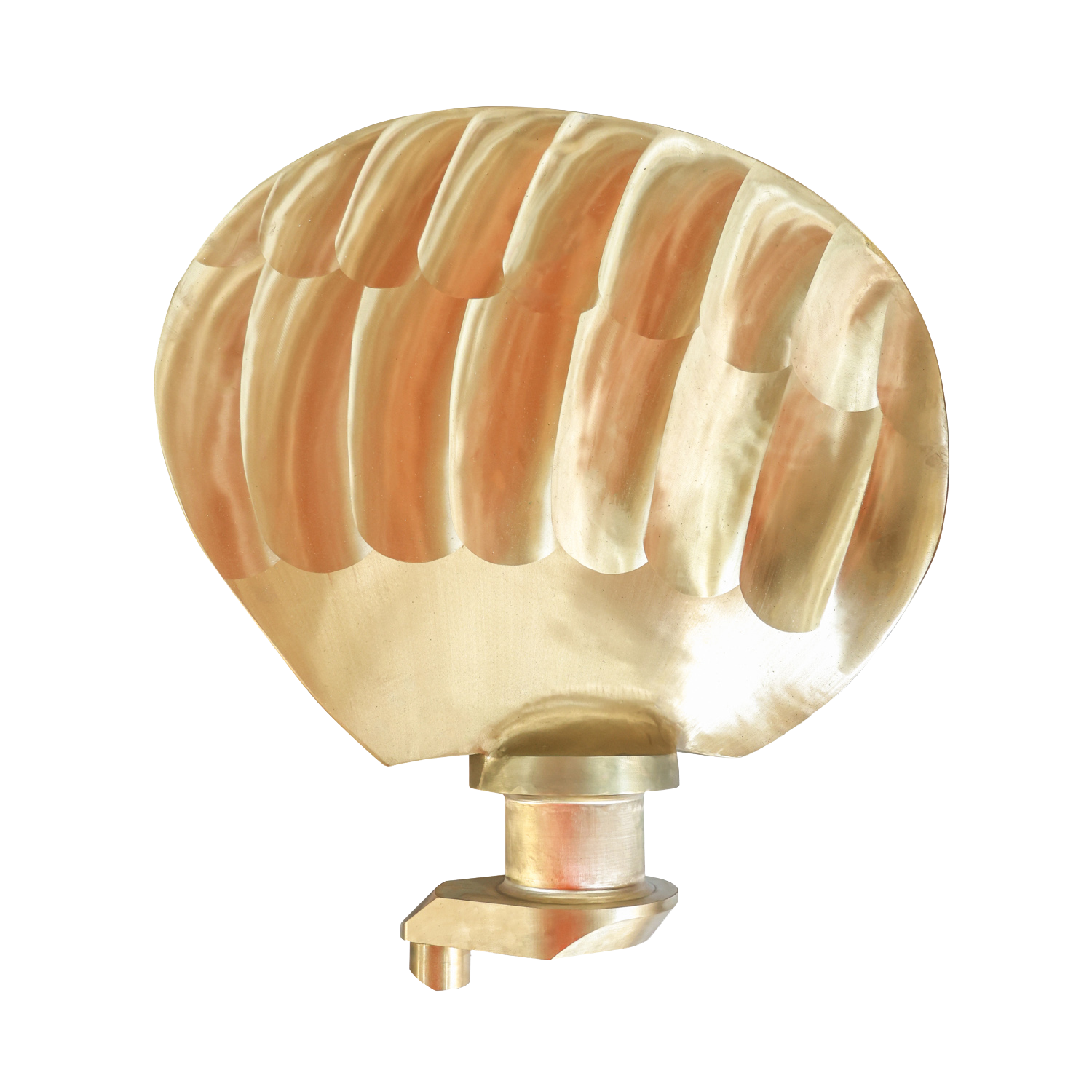
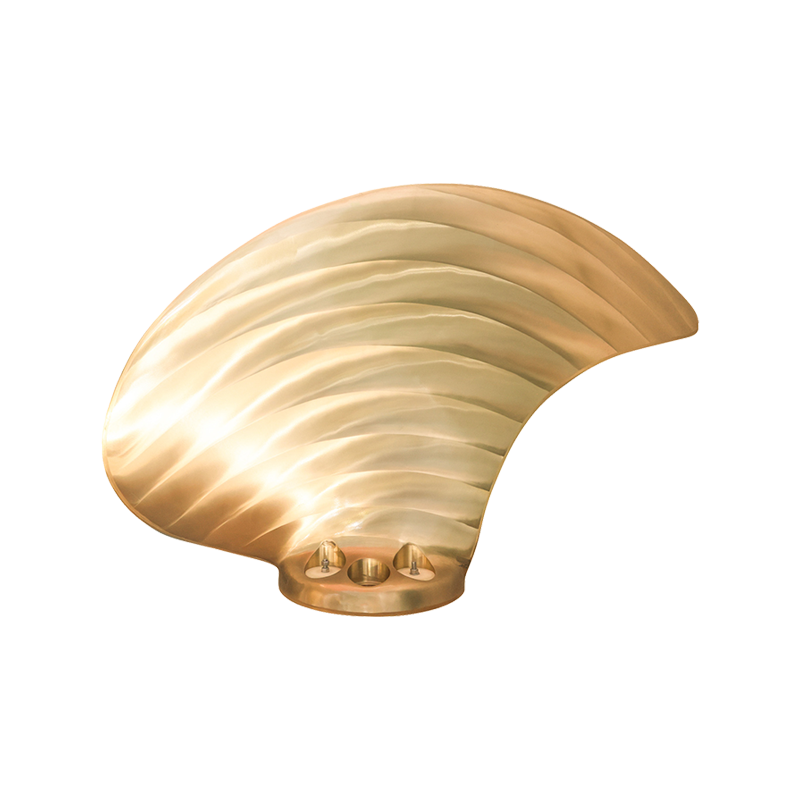
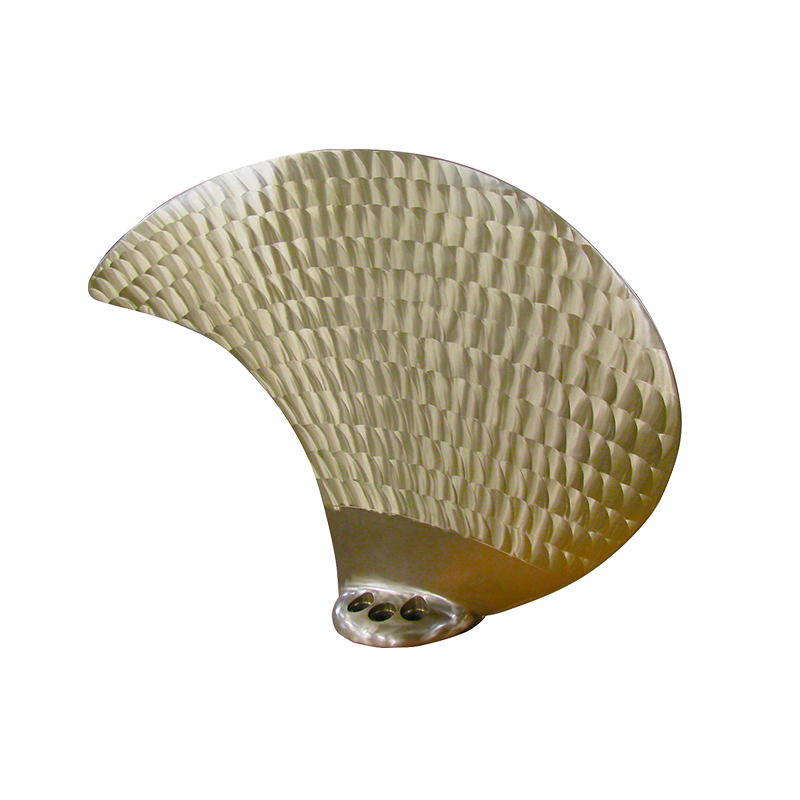
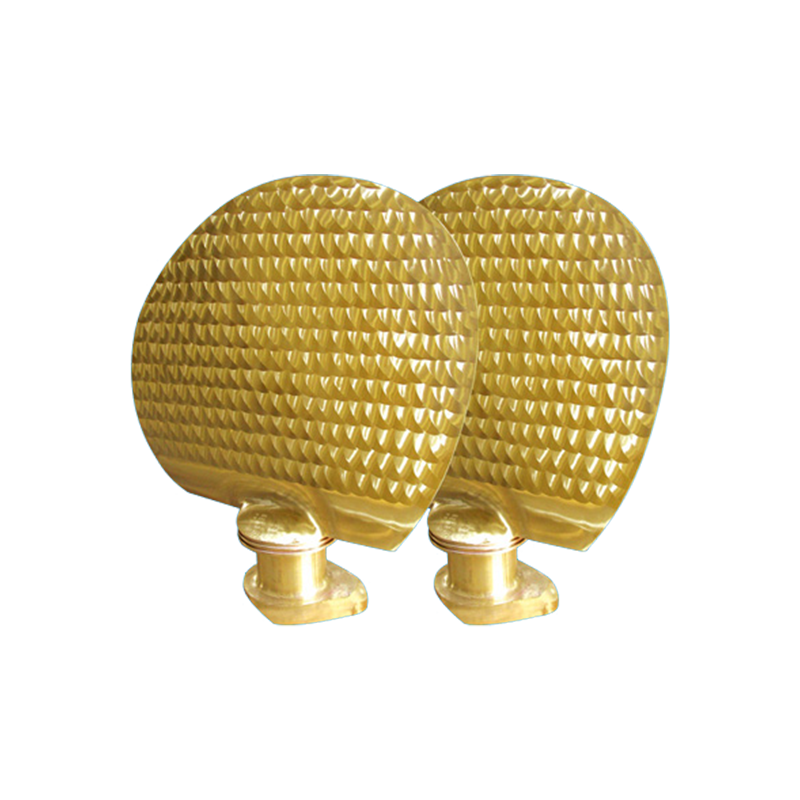
Controllable Pitch Propeller
Marine CPP Blades

Phone Number
+86-511-83386688-
To provide customers with quality products and services Obtain customer satisfaction.
-
Centering on customer needs, being honest and trustworthy, quick response, create value for customers and achieve win-win cooperation.
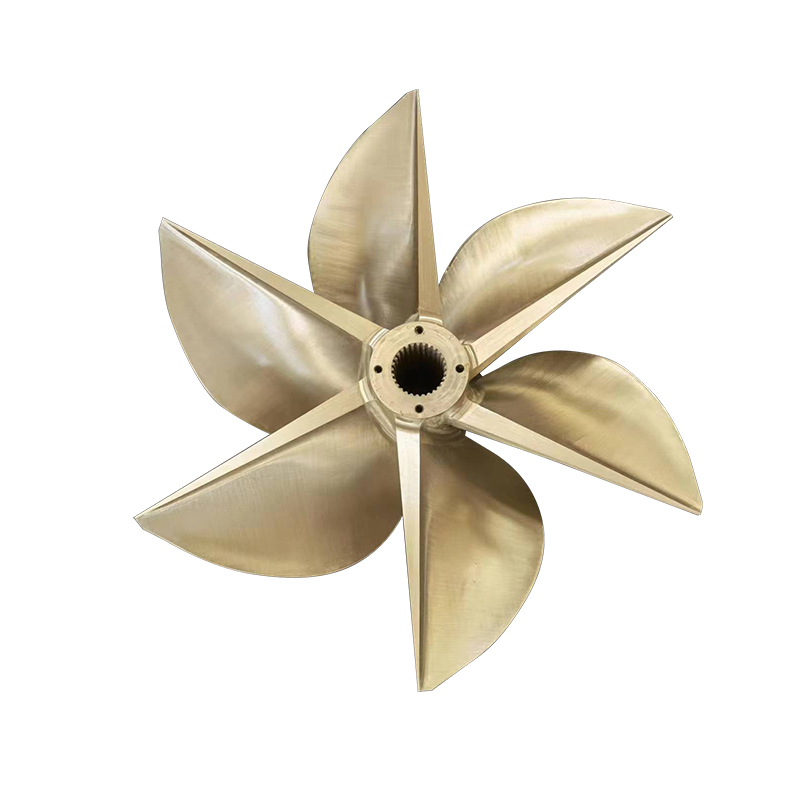
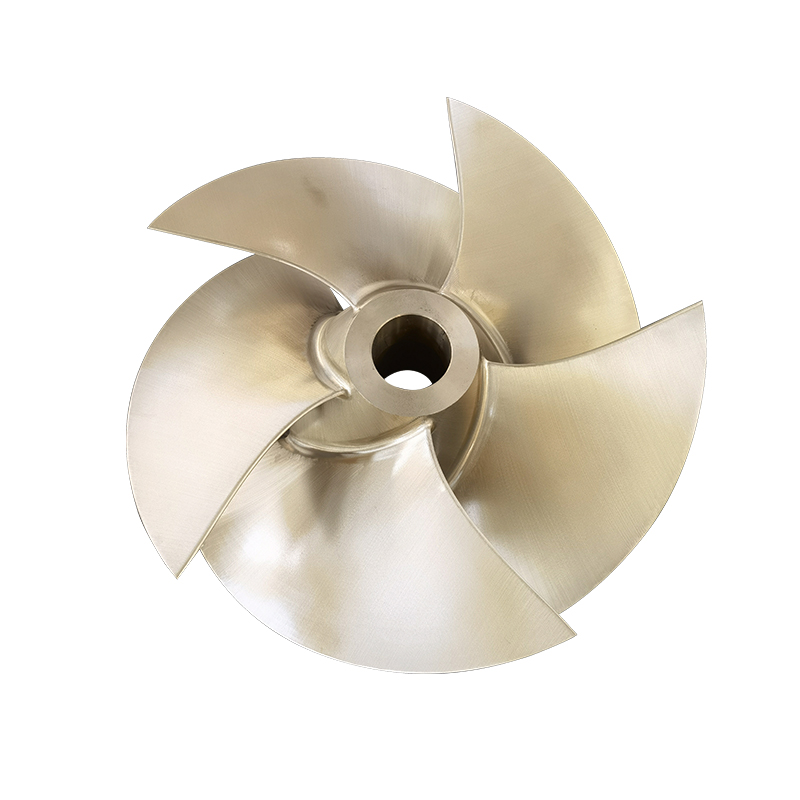
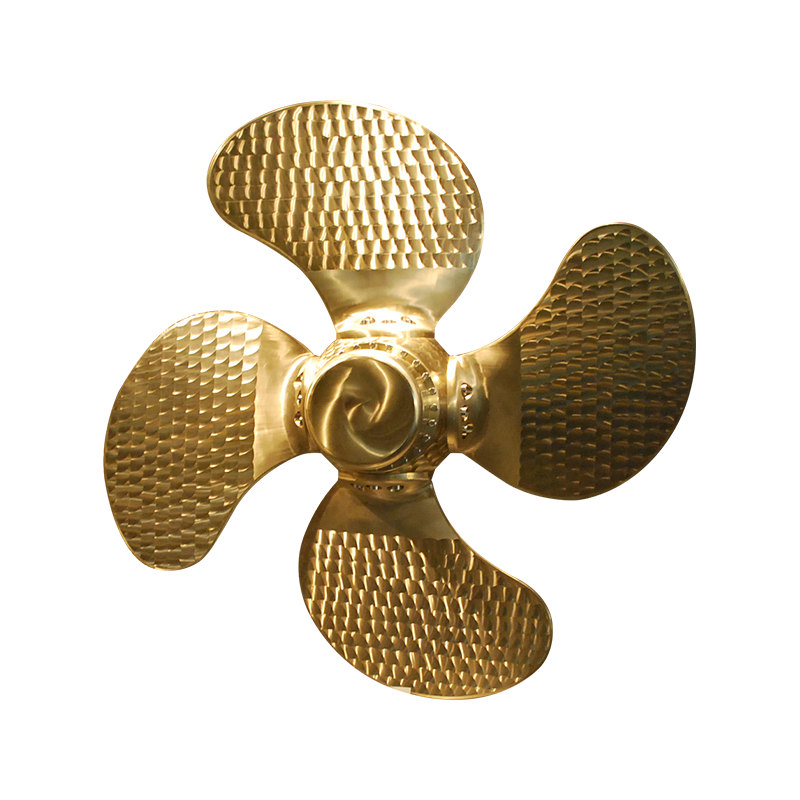
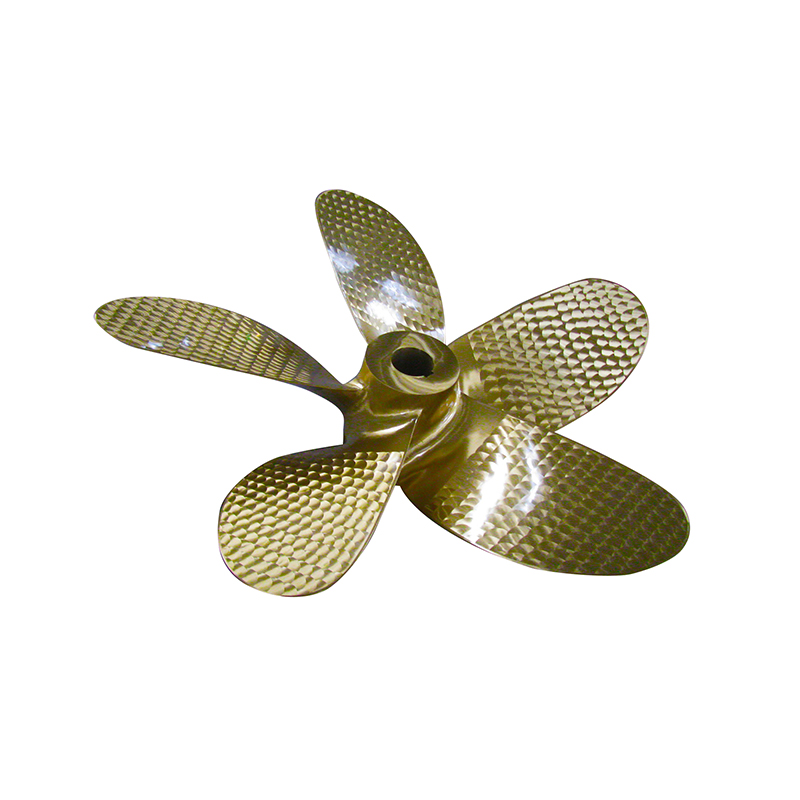
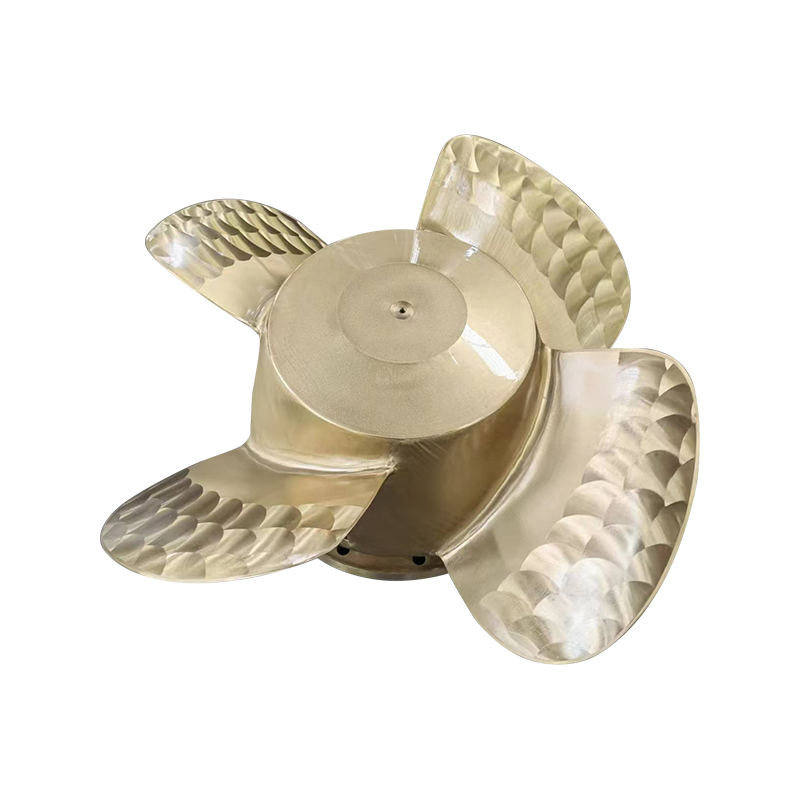
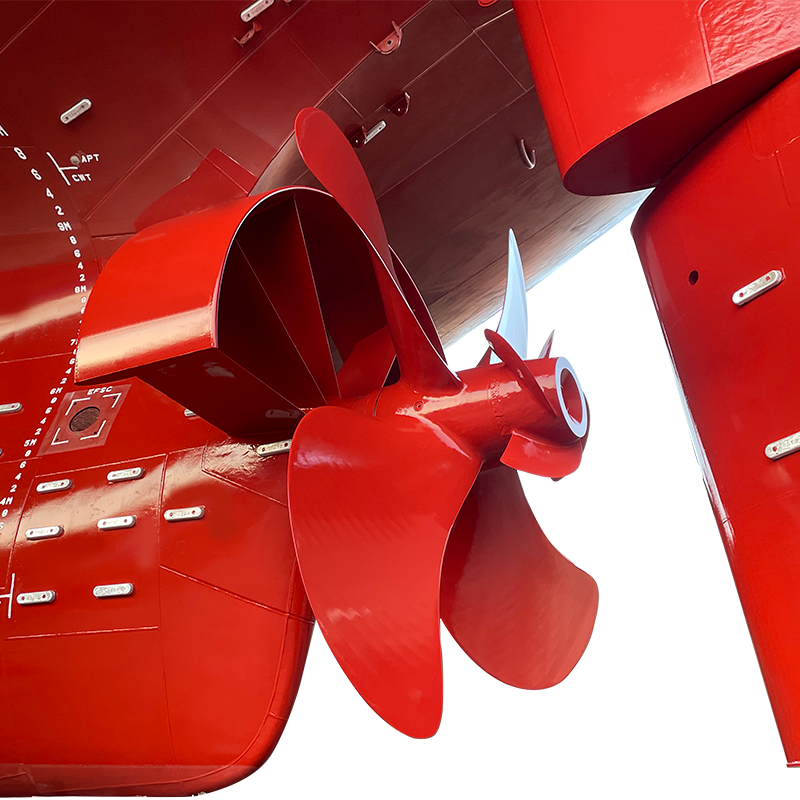
CPP Blades is the core component of Controllable Pitch Propeller, CPP. It controls the thrust of the ship by dynamically adjusting the pitch angle (i.e. blade angle) of the propeller blades without changing the main engine speed.
Product Features:
High efficiency and energy saving: optimize the pitch to match the navigation requirements, reduce fuel consumption, and improve the overall energy efficiency ratio.
Precise control: respond to instructions in real time, adapt to emergency reversing, speed change and other scenarios, and improve the maneuverability of the ship.
Extended life: reduce the mechanical loss of the main engine's frequent speed change and maintain the stability of the power system.
Multi-scenario adaptation: suitable for tugboats, fishing boats, ferries and other ships that need to change working conditions frequently, taking into account both economy and performance.
CPP Blades is equipped with an intelligent control system, and the adjustable propeller blades can be adjusted automatically, which is an ideal choice for modern ship propulsion systems.
Company
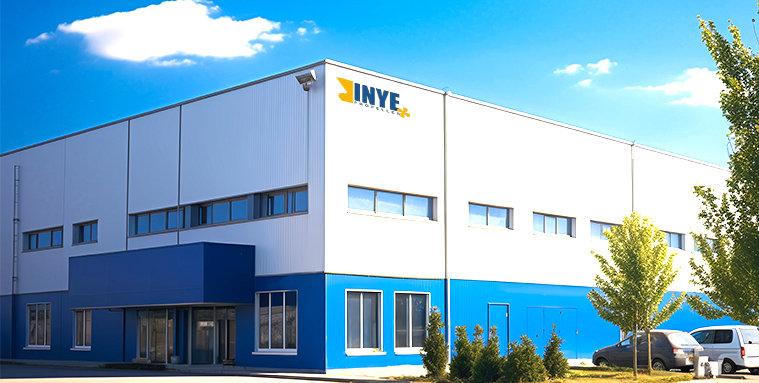
Zhenjiang Jinye Propeller Co.,Ltd.
Established in 2005, Zhenjiang Jinye Propeller Co.,Ltd. is a professional China Marine CPP Blades suppliers and Marine CPP Blades company. Situated in Zhenjiang Jin Kou Science and Technology Industrial Park, the company spans over an area of more than 20,000 square meters. Our expertise lies in the production, manufacturing, and sales of marine copper alloy propellers and related accessories. Our product portfolio includes fixed-pitch propellers, controllable pitch propellers, propeller hubs, oil cylinders, cap fins, and other propeller attachments.
Message Feedback
Certificate Of Honor

Environmental Management System Certification Certificate

Occupational Health and Safety Management System Certification

Quality Management System Certification
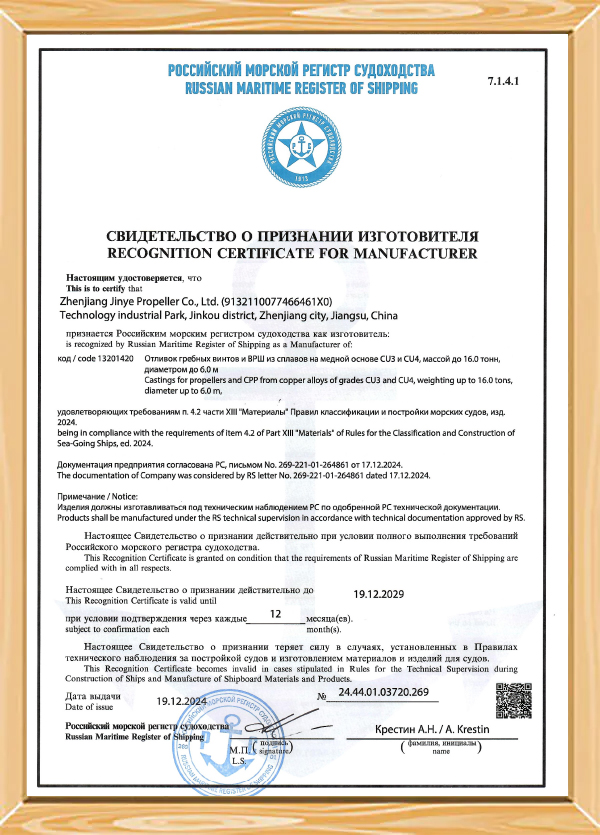
Russian Classification Society (RS)
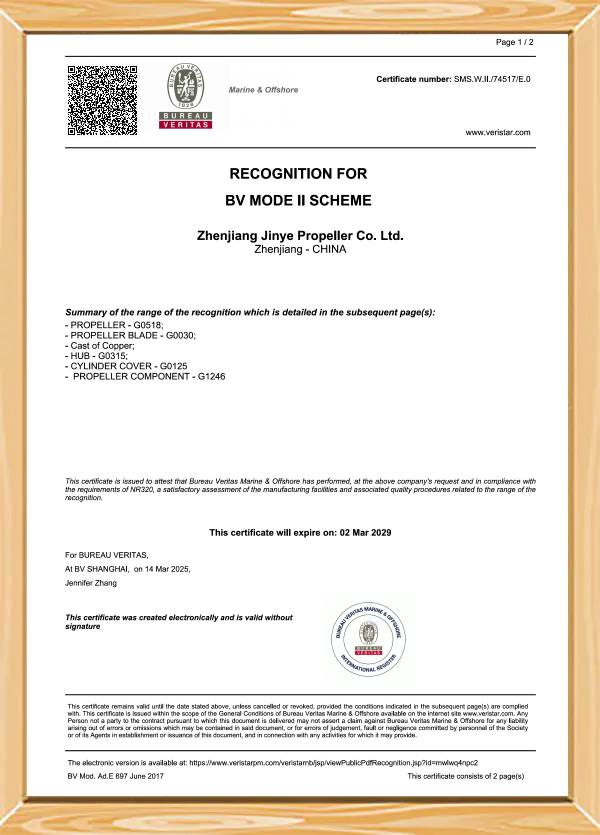
French Classification Society (BV)
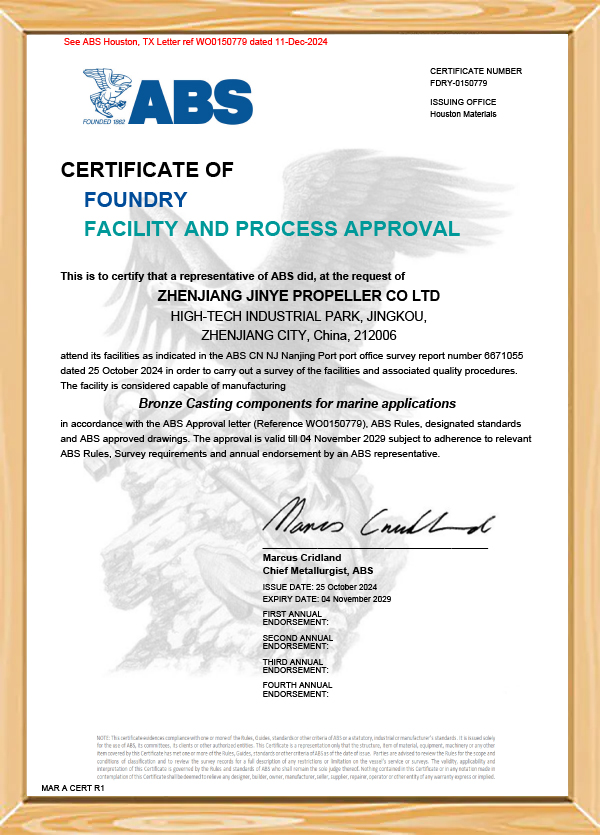
American Bureau of Shipping (ABS)

Italian Classification Society (RINA)
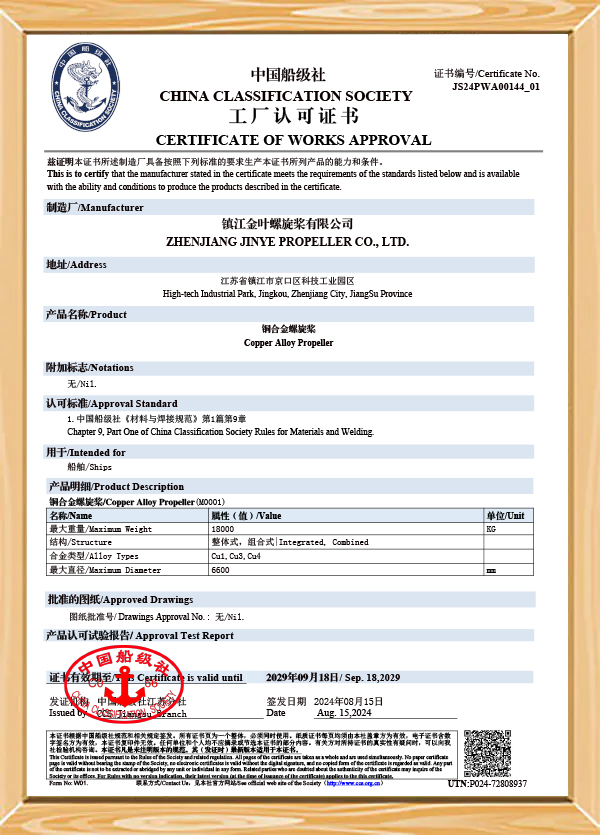
China Classification Society (CCS)
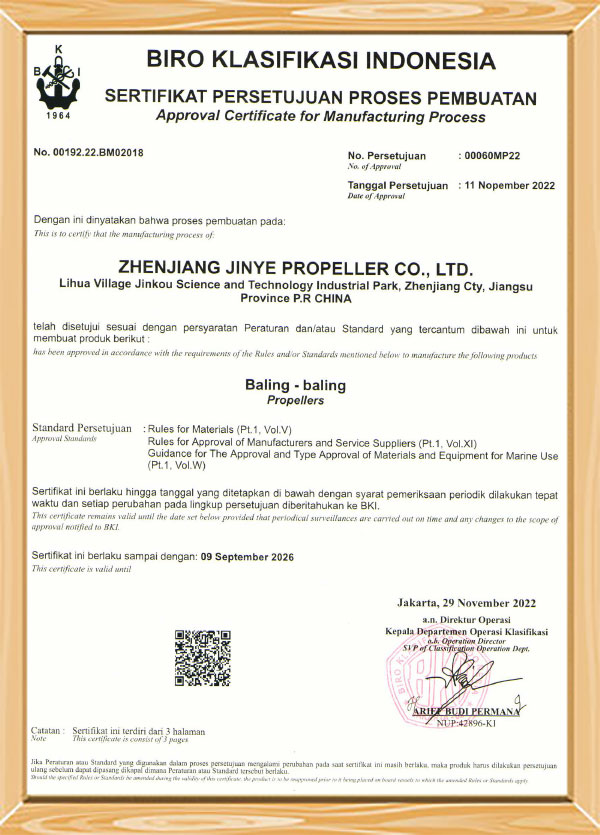
Indonesia (BKI)
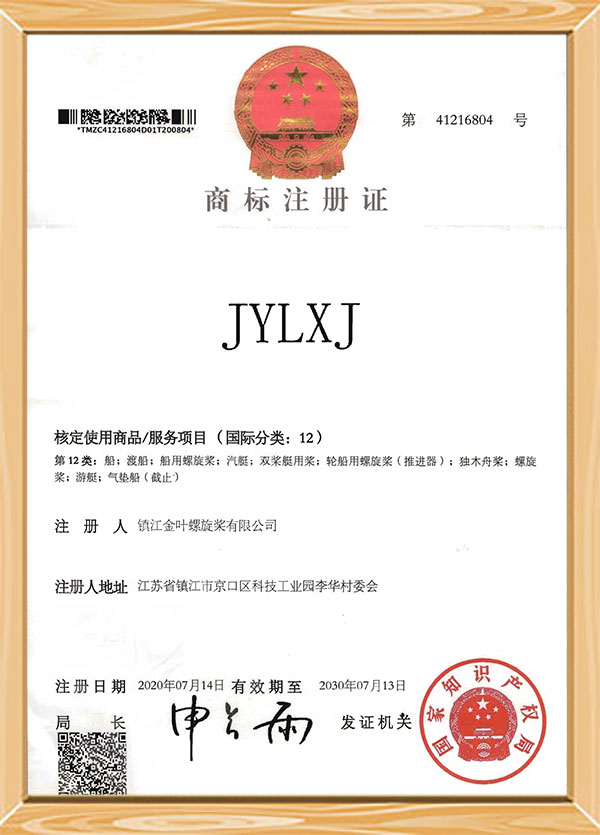
Trademark Registration Certificate
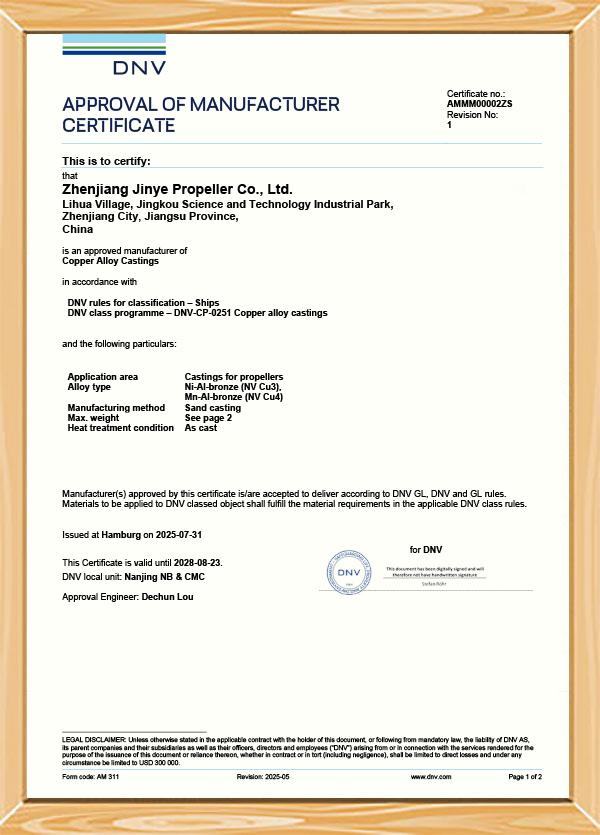
DNV-Certificate
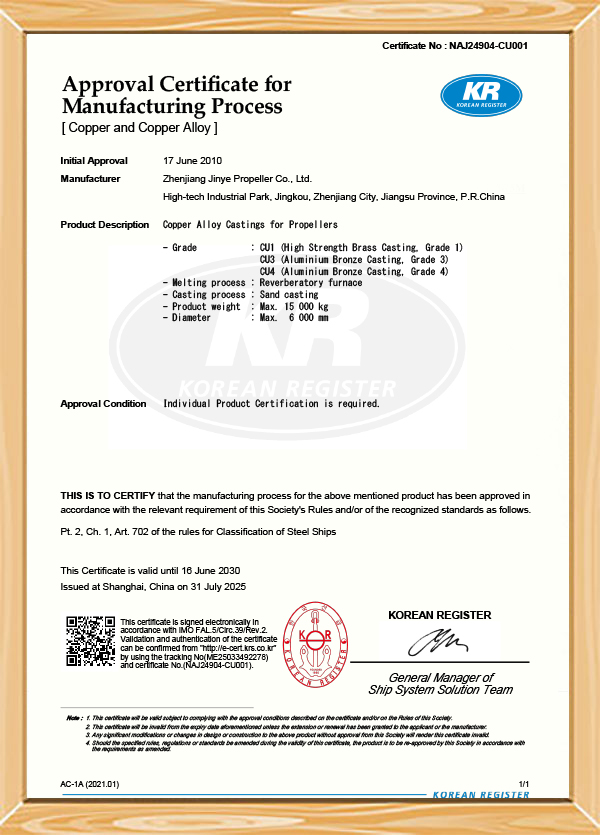
KR-Certificate
News
-
Ships use a Controllable Pitch Propeller primarily because it allows the blade pitch angle to be adjusted while the propeller shaft continues rotating at a constant speed -- enabling the vessel to change thrust magnitude and direction without changing engine RPM or requiring a reversing gearbox. T...
Read More -
An FPP Fixed Pitch Propeller is one of the most widely deployed propulsion devices in the global maritime industry. Its blades are permanently cast or forged at a fixed angle to the hub -- the pitch cannot be adjusted in service. This simplicity makes it the dominant choice for vessels operating at...
Read More -
A Fixed Pitch Propeller generates thrust by rotating blades set at a permanently fixed angle relative to the plane of rotation. As the blades spin, their cambered aerofoil cross-section accelerates water rearward, and by Newton's Third Law, the reaction force drives the vessel forward. The blade a...
Read More
Industry Knowledge Extension
In the development of ship propulsion systems, Marine CPP Blades has become the "power heart" of modern high-performance ships with its flexible adaptability to a variety of working conditions. As a key breakthrough in ship propulsion technology, CPP Blades not only redefines the flexibility of ship handling, but also sets new standards in the fields of energy-saving and efficient operations. In this sub-sector, Zhenjiang Jinye Propeller Co., Ltd. has become a technical practitioner that cannot be ignored in the global market with its nearly 20 years of professional accumulation.
1. Marine CPP Blades: From principle to core advantages
The essential difference between Marine CPP Blades and traditional fixed-pitch propellers is that their blade angles can be adjusted in real time by hydraulic or mechanical devices—a core feature that gives the ship the ability to "customize on demand" thrust. As the execution terminal of the entire system, CPP Blades' design accuracy, material performance and dynamic response speed directly determine the effectiveness of the CPP system.
Working principle: CPP Blades drives the connecting rod mechanism through the hydraulic cylinder in the hub (such as the supporting cylinder produced by Zhenjiang Jinye) to achieve continuous adjustment of the blade angle. When a ship needs to accelerate, decelerate or reverse, there is no need to change the steering of the main engine. You can quickly switch the thrust direction and size by adjusting the blade pitch, greatly shortening the response time.
Core advantages:
Working condition adaptability: In scenarios such as tugboats, ferries, and engineering boats that require frequent direction change, CPP Blades can reduce the number of start and stop the host and reduce mechanical losses;
Energy efficiency optimization: Adjust the pitch for different speeds (such as full load/no load), so that the host can always run in the efficient range, saving 5%-15% energy compared to FPP;
Control safety: In an emergency, the blades can be quickly switched to "zero pitch", realizing ship speed reduction and improving navigation safety.
2. Industry application: The scenario-based value of CPP Blades
The technical characteristics of Marine CPP Blades make it irreplaceable in the sub-marine field, especially for scenarios with strict handling and energy efficiency:
Passenger roulette and ferry: need to frequently approach the port and start and stop. CPP Blades can reduce the impact of the host and reduce passenger discomfort;
Marine engineering ship: For example, a drilling platform supply ship needs to be precisely positioned under complex sea conditions, and the fine-tuning ability of blade angles can improve operational stability;
Special ships: Icebreakers, salvage ships, etc. need to deal with extreme working conditions. CPP Blades' high-strength materials (such as copper alloys) and fatigue-resistant design can ensure long-term and reliable operation.
As a professional manufacturer, Zhenjiang Jinye has been deeply engaged in the scenario-based research and development of CPP Blades since its establishment in 2005. Its products cover the full-size needs of large ships from 3 meters in diameter (a classic case delivered to Nanjing Jinda and Shanghai Shunzhou in 2011) to large ships. It can be adapted to passenger ships, engineering ships, special ships and other types of vessel applications, confirming the wide applicability of CPP Blades.
3. Technical breakthrough: strive for excellence from materials to manufacturing
The performance of Marine CPP Blades depends on the dual breakthroughs in material selection and manufacturing process:
Material core: Marine CPP Blades must meet both high strength (resistant to water flow shock), corrosion resistance (seawater environment) and low fatigue (long-term dynamic adjustment). Copper alloys (such as nickel-aluminum bronze) have become the mainstream choice for their excellent comprehensive performance. Zhenjiang Jinye focuses on the production of copper alloy propellers. Its material formula has been optimized for many years and can adapt to the water quality conditions in different sea areas.
Manufacturing accuracy: The processing error of the blade surface must be controlled within 0.1mm, otherwise it will cause water flow disorder and energy efficiency to decrease. Zhenjiang Jinye has achieved precision control of the entire process from design to finished products through continuous upgrading of equipment (invested in CNC gantry milling machines and vertical lathes in 2024, and added 3D scanners and grinding robots in 2025), ensuring the consistency of pitch adjustment.
Certification guarantee: As a practitioner of international maritime standards, Zhenjiang Jinye's CPP Blades has passed the certification of mainstream classification societies such as CCS, KR, BV, ABS, and RINA. Its quality system covers prenatal material testing, production process monitoring to final delivery verification. The cooperation with international giants such as Wärtsilä and Kongsberg further confirms the global recognition of the product.
4. Industry trends and corporate practices: CPP Blades innovation under green shipping
With the goal of "dual carbon" to promote the upgrading of green shipping, the energy efficiency and environmental protection of ship propulsion systems have become the core proposition. CPP Blades responds to industry needs through the following ways:
Intelligent adjustment: combined with the ship power management system (PMS), adjust the pitch according to the speed and load in real time to reduce fuel consumption per unit mileage;
Lightweight design: high-strength alloy material is used to reduce blade weight and reduce main machine load;
Full life cycle optimization: Through precise wear monitoring (such as 3D scanning technology introduced by Zhenjiang Jinye), the blade service life is extended and the replacement frequency is reduced.
Under this trend, Zhenjiang Jinye's R&D team focused on "customized solutions": developing frozen copper alloy CPP Blades for the low temperature environment of polar scientific research ships; designing a large thrust adjustable pitch system for offshore wind power installation ships to adapt to complex operating conditions. This "customer demand-oriented" technology path has enabled its products to cover the markets of more than 60 countries, becoming a stable supplier of domestic leading companies such as China Shipbuilding Corporation and COSCO Shipping.
The technological evolution of Marine CPP Blades is a microcosm of the transformation of the marine industry from "mechanical drive" to "intelligent adaptation". As a professional manufacturer deeply engaged in this field, Zhenjiang Jinye has proved with nearly 20 years of technical accumulation (from the delivery of the first 3-meter CPP blade in 2011 to the upgrade of intelligent production equipment in 2025) that precision manufacturing, customized R&D and strict quality control are the core competitiveness of CPP Blades to continue to lead in the era of green shipping. In the future, with the deep integration of marine power systems and digital technology, CPP Blades will demonstrate its unique value of "efficiency, flexibility and environmental protection" in a wider application scenario.
Get in Touch Now!
We're Here to Assist with
All Your Requirements
© Copyright Zhenjiang Jinye Propeller Co.,Ltd. All Rights Reserved. Wholesale Marine CPP Blades Suppliers
