Propeller Energy Saving Devices: A Core Technology for Upgrading Ship Energy Efficiency
I. What are Propeller Energy Saving Devices?
Propeller Energy Saving Devices (PESDs) are a type of hydrodynamic accessory installed around a ship's propeller or shaft. They significantly improve propulsion efficiency by optimizing the propeller wake, recovering rotational energy losses, and improving water flow. According to research by the International Maritime Organization (IMO), ships equipped with PESDs can reduce fuel consumption by 5-15%, making them a key technology for achieving the shipping industry's carbon emission reduction goals.
II. Mainstream Technology Types and Principles
Ducts/Nozzles
A circular flow-guiding structure installed around the propeller accelerates water flow through the blades and reduces vortex generation. It is suitable for low-speed, heavy-load ships (such as tankers and bulk carriers).
Propeller Cap Fins (PCFs)
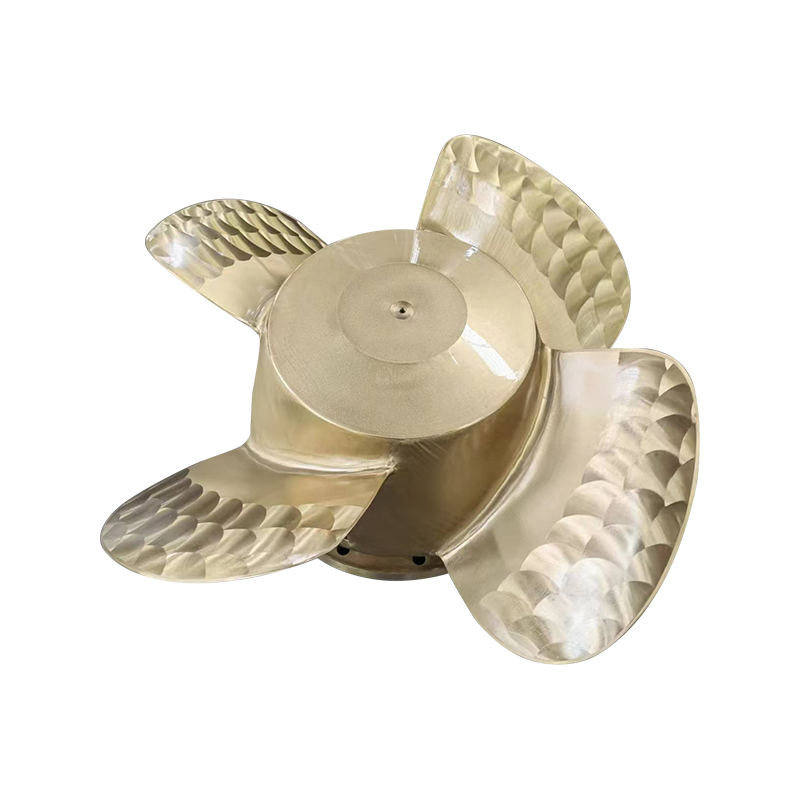
Small fins installed on the propeller hub convert harmful vortexes behind the hub into additional thrust, improving efficiency by up to 3-8%. Currently, they are the most widely used energy-saving technology.
Pre-Swirl Guide Vanes
Fixed guide vanes installed in front of the propeller pre-adjust the water flow angle, aligning the incoming flow with the blade's angle of attack and reducing energy loss.
Rudder Bulbs
A streamlined sphere installed at the leading edge of the rudder fills the low-pressure area between the propeller wake and the rudder, reducing drag and improving steering efficiency.
III. Industry Value and Trends
Economic Benefits: For example, installing a 10,000-TEU container ship can save over one million US dollars in annual fuel costs.
Environmental Benefits: Every ton of fuel saved reduces CO₂ emissions by 3.1 tons, helping the shipping industry meet EEXI/CII regulations.
Technological Integration: New PESDs are evolving towards "digital design + composite materials," combining CFD (computational fluid dynamics) simulation to achieve customized efficiency improvements.
IV. Technical Practices in Made in China
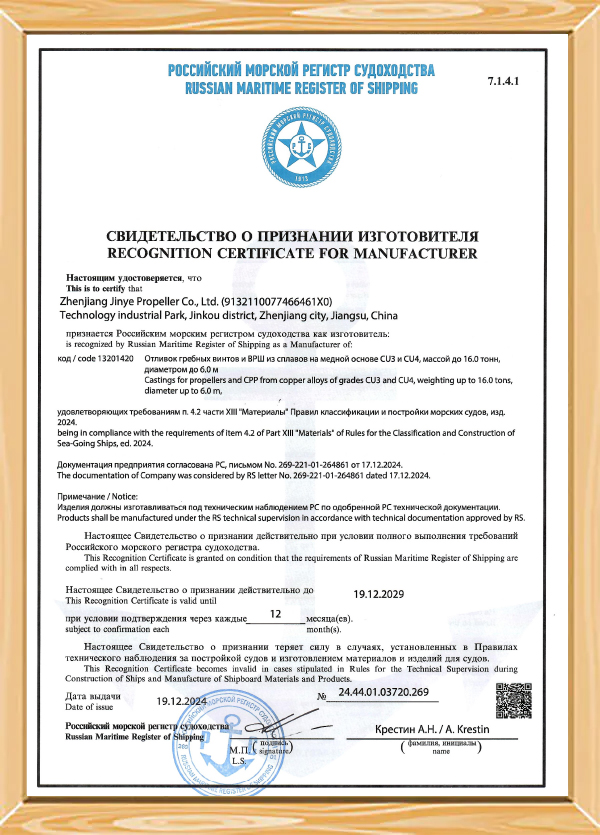
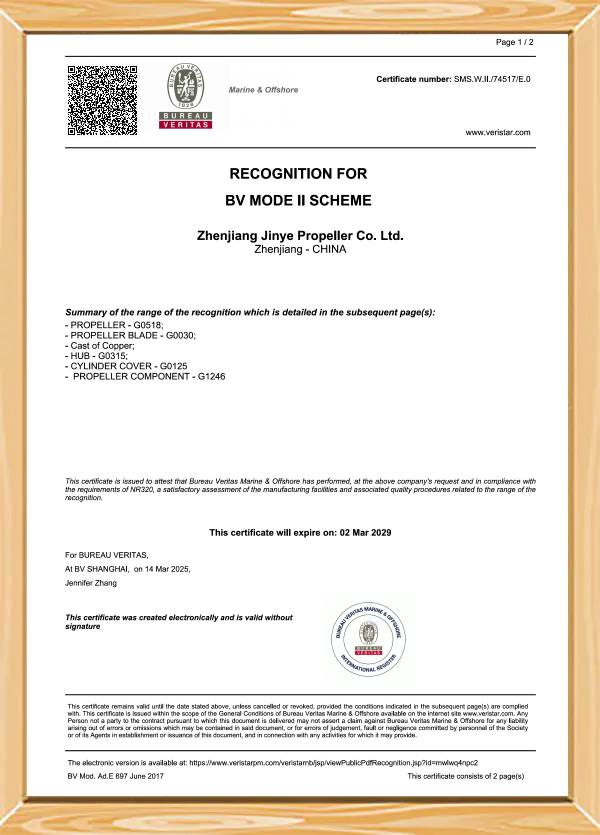
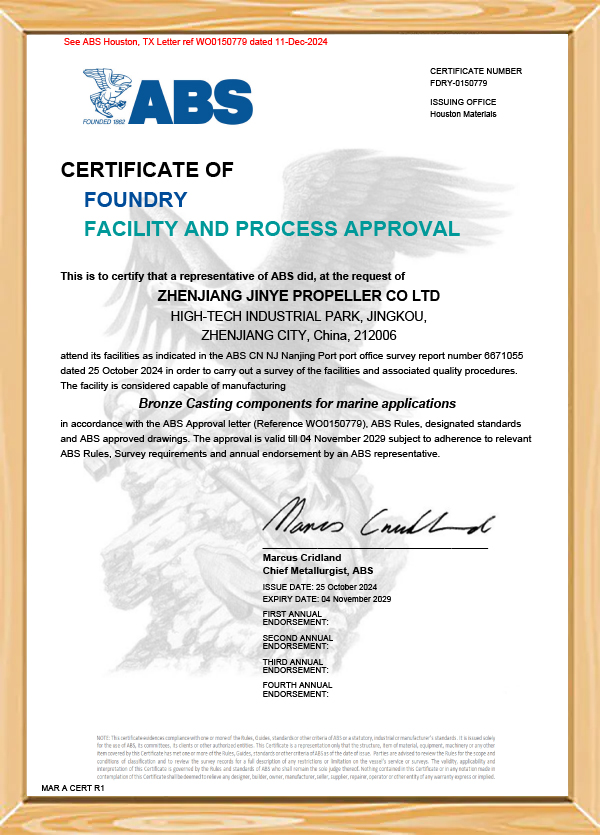
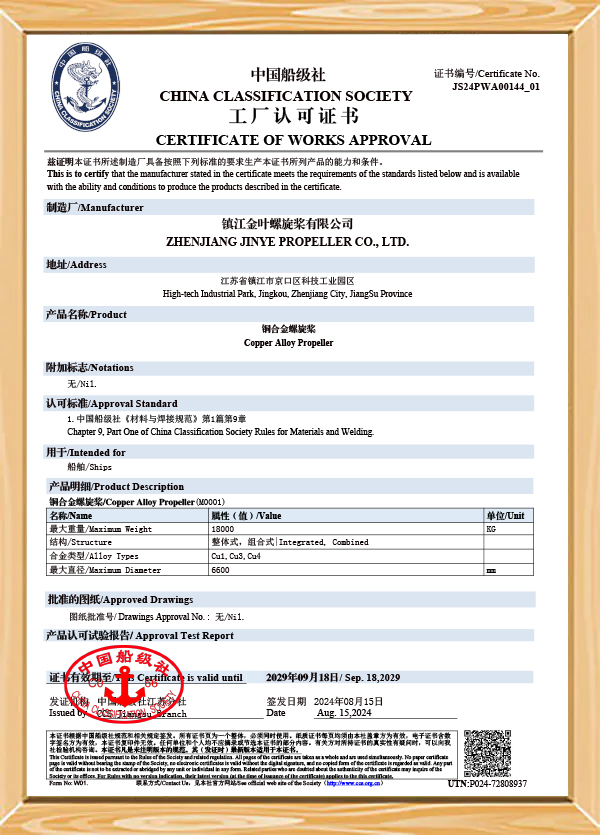
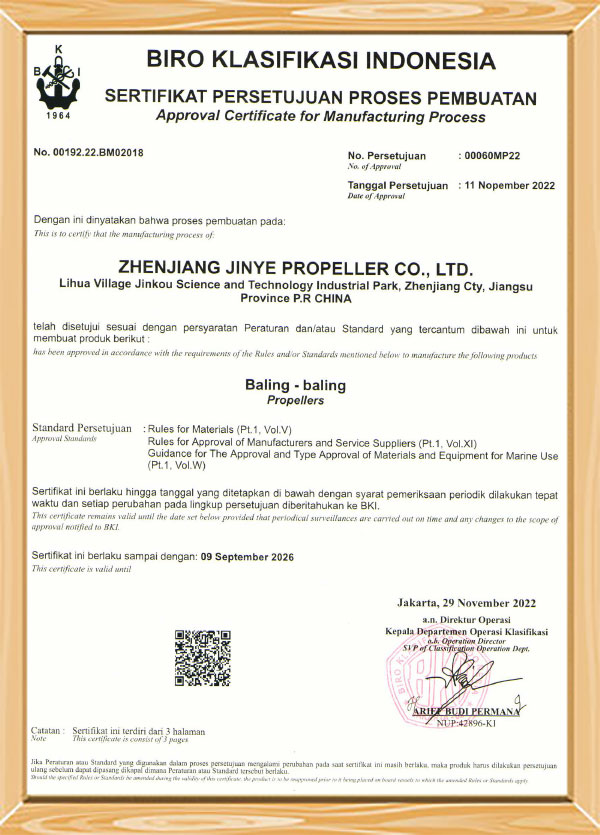
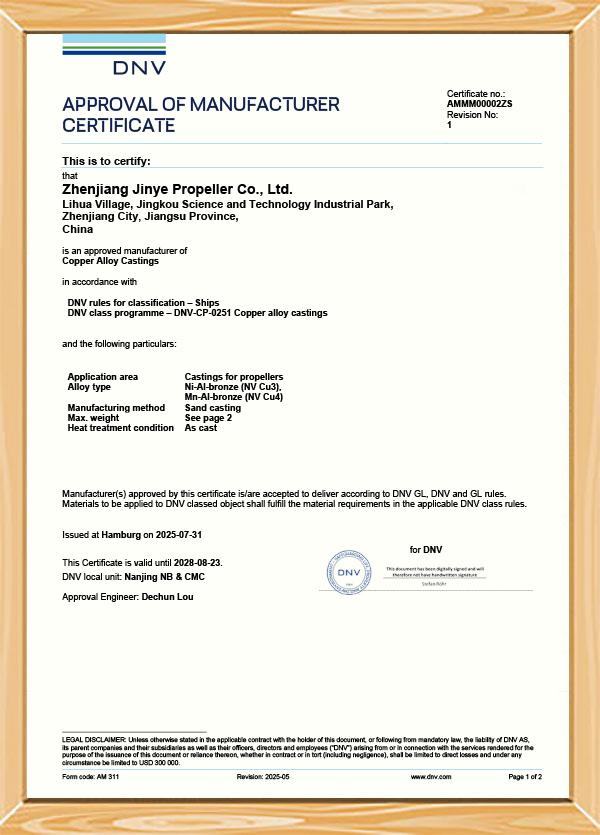
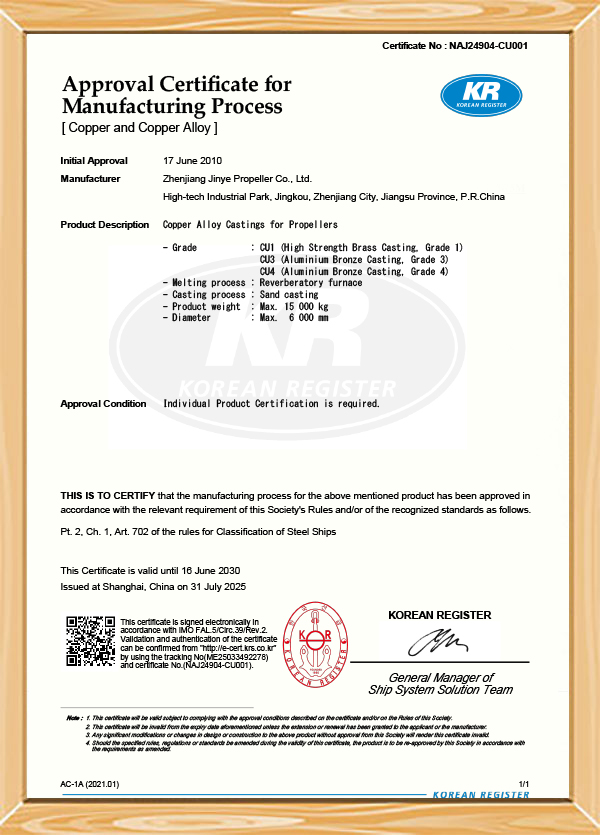
In the Yangtze River Delta region, where the shipbuilding industry is well-developed, some companies deeply involved in marine propulsion manufacturing are promoting the localization of PESD technology. For example, a professional propeller manufacturer located in the Jingkou Science and Technology Industrial Park in Zhenjiang, relying on a 20,000-square-meter production base and nearly 20 years of experience in copper alloy casting, has achieved full-chain research and development of energy-saving accessories from fixed propellers, controllable pitch propellers to propeller caps and fins. Such companies strictly adhere to the ISO 484/1 blade accuracy standard to ensure the optimal fluid synergy between energy-saving devices and propeller systems, providing underlying support for the green transformation of China's shipbuilding industry.



 English
  中文简体
中文简体  русский
  Español
  عربى
عربى  Français
  Português
  Deutsch
  Türk
Türk