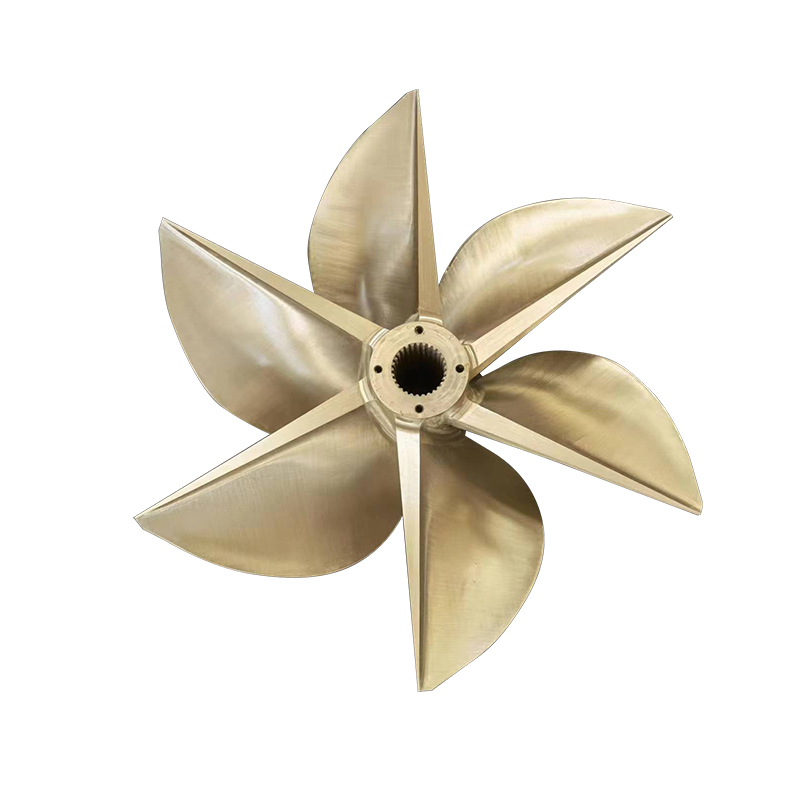
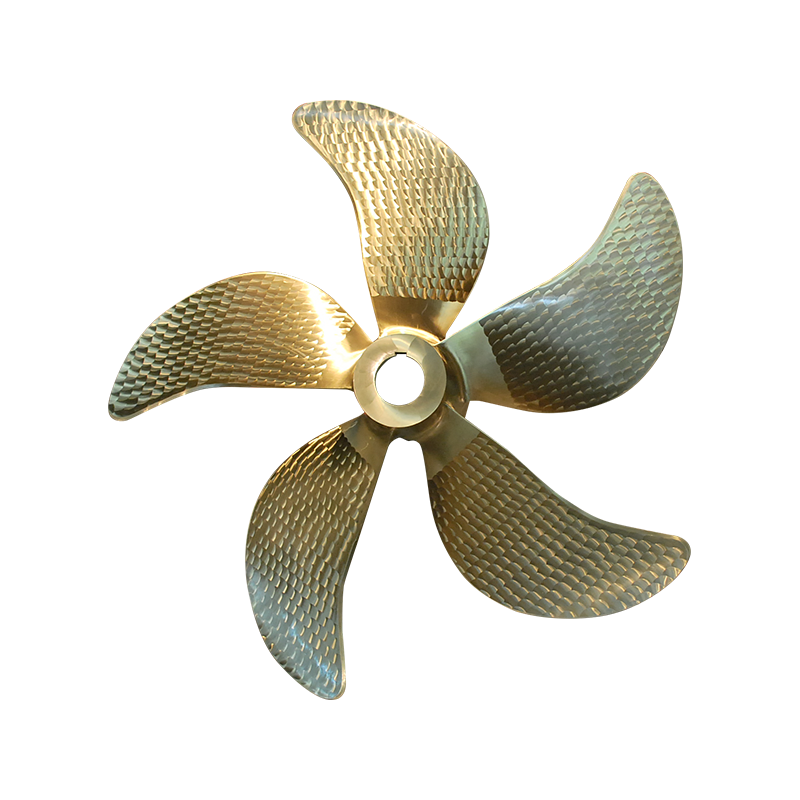
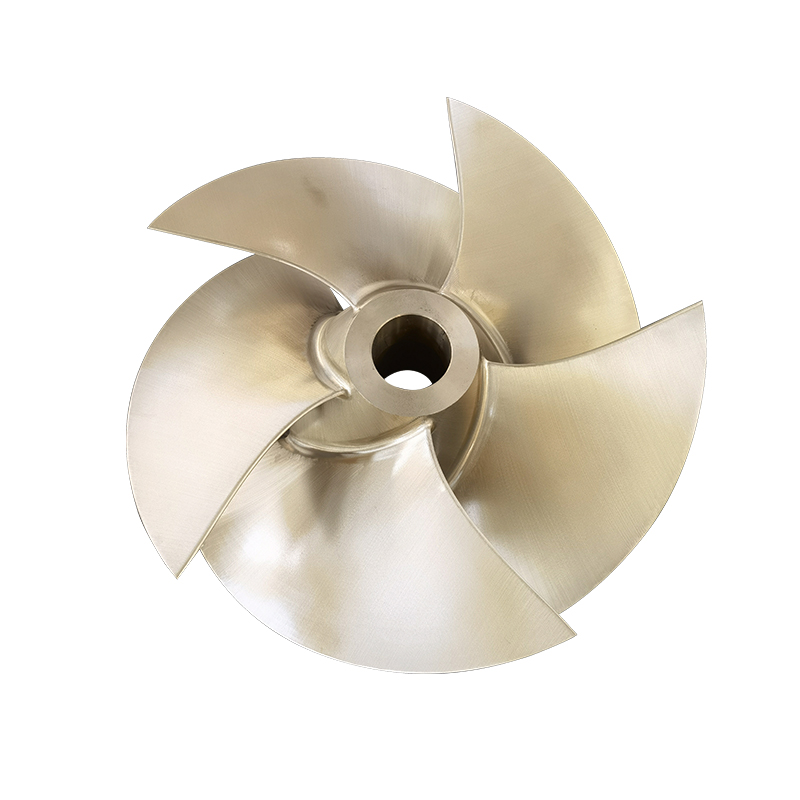
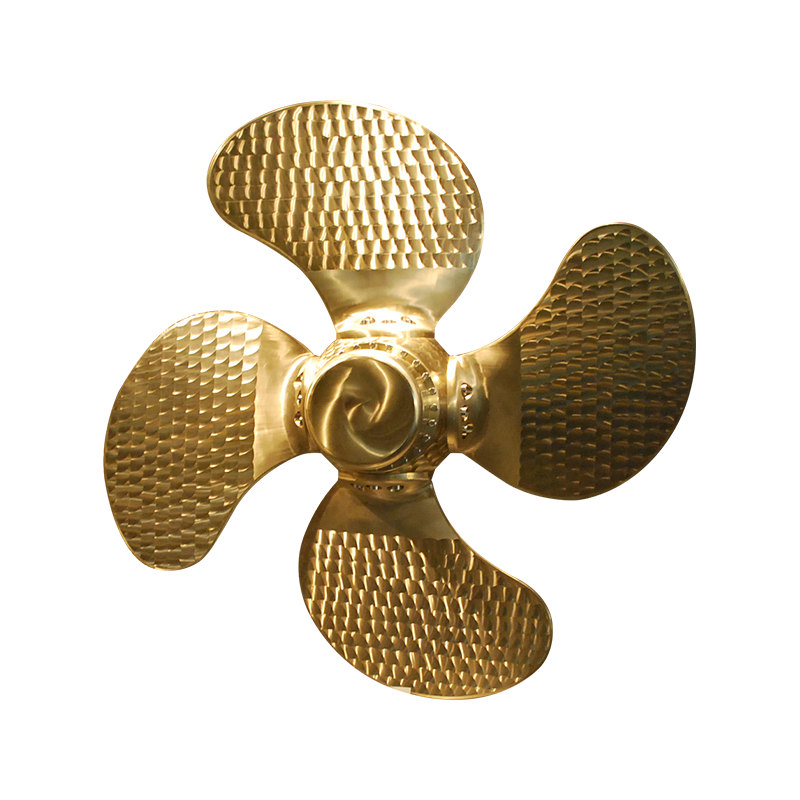
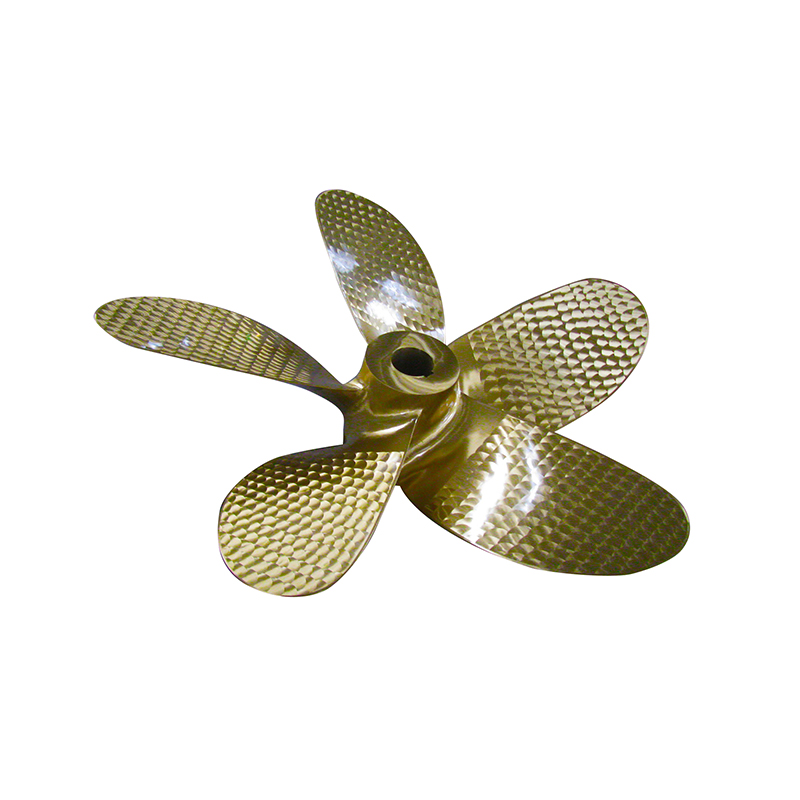
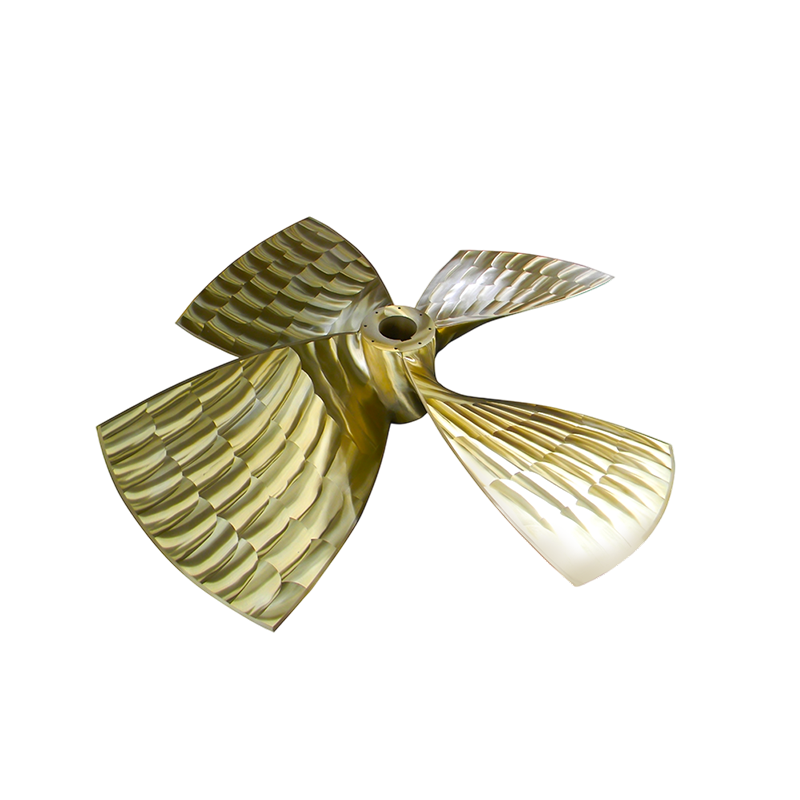
In marine power systems, the FPP Fixed Pitch Propeller (FPP, or fixed-range propeller) is a propulsion device with constant blade pitch, which is in sharp contrast with the Controllable Pitch Propeller (CPP) that can dynamically adjust the pitch. Its core feature is that the blades and the hub are rigidly connected, and the pitch parameters have been determined during design and manufacture and cannot be changed during navigation. This structural characteristic makes it irreplaceable in specific scenarios and becomes an important part of the ship's propulsion system.
The structure of the FPP Fixed Pitch Propeller is relatively simple, mainly composed of two parts: the blade and the hub: the blade is cast or welded with the hub at a fixed angle, and the entire propeller is installed on the stern shaft of the ship as a rigid component. Its working logic relies entirely on changes in engine speed to adjust thrust - when the engine accelerates, the propeller speed increases, and the interaction between the blades and the water flow generates greater thrust, which drives the ship to accelerate; conversely, reducing the engine speed reduces the thrust and achieves deceleration. Unlike CPP’s complex distance adjustment mechanism, FPP does not require assistance from hydraulic servo systems or control systems, and the simplification of the mechanical structure gives it a natural advantage in terms of maintenance convenience and manufacturing cost. But for this reason, its pitch parameters can only match a specific working condition of the ship (such as the designed speed and full load state), and when deviating from this working condition, the propulsion efficiency will decrease.
The advantages of FPP Fixed Pitch Propeller are derived from the simplicity of its structure, which are specifically reflected in the following aspects: controllable cost, eliminating complex components such as distance adjustment mechanism and control system, and the manufacturing cost is 30%-50% lower than that of CPP of the same specification, which is especially suitable for the budget needs of small and medium-sized ships; high reliability, rigidly connected blades and wheel hubs reduce mechanical failure points, are more stable in long-term continuous operation, have a low dependence on maintenance, and are suitable for scenarios with limited voyage or maintenance conditions; direct power transmission, no distance adjustment mechanism, and under the design conditions, the power transmission efficiency is slightly higher than that of CPP, which is suitable for ships with requirements for continuous power output. Based on these characteristics, typical application scenarios of FPP include small ships, such as inland cargo ships, fishing boats, yachts, etc. This type of ship has a single navigation working condition (mostly low-speed cruise) and is highly sensitive to cost; fixed route ships, such as short-distance passenger ships, ferries, etc., have small changes in speed and load, and can be matched with their main working conditions through optimized pitch design; auxiliary power units, side-pushing propellers of some large ships (such as ocean freighters), only require simple forward and reverse functions, and no complex distance adjustment is required.
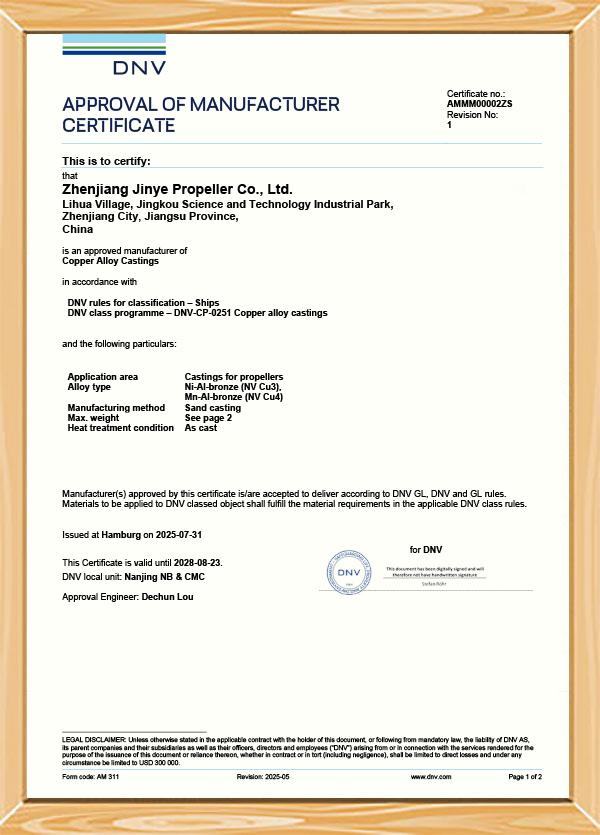
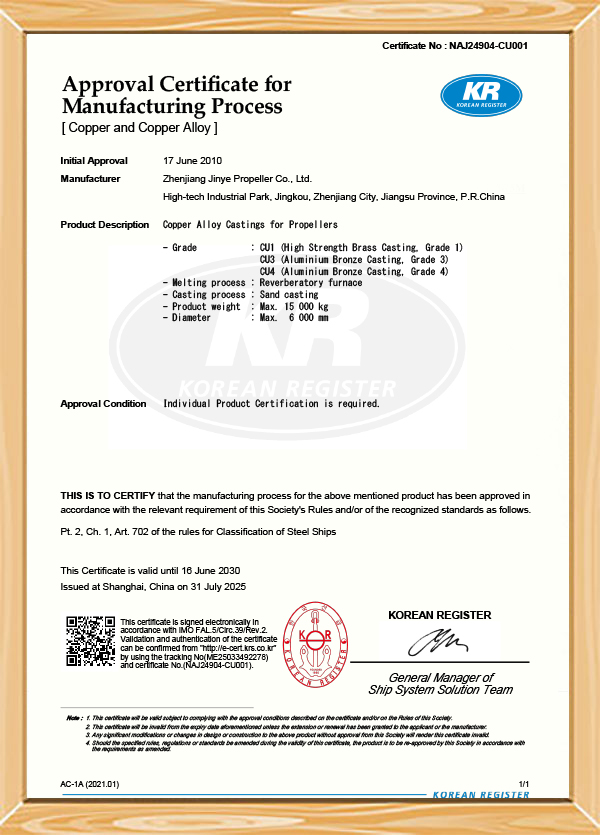
The performance of FPP Fixed Pitch Propeller is highly dependent on the preliminary design, and the core lies in the matching degree of the pitch and the working conditions of the ship: during design, the optimal pitch value must be determined through fluid dynamics simulation based on the full-load displacement of the ship, the main engine power, the design speed and other parameters. - If the pitch is too large, it will cause the engine to be "overloaded" and it will be difficult to reach the design speed; if the pitch is too small, the ship will "unfailure to run" and waste power; the number and shape of the blades are also the focus of optimization. Low-speed heavy-load ships (such as fishing boats) mostly use 3-4 blades with a wide-thickness ratio ratio blades to increase thrust, while high-speed ships (such as yachts) tend to have a narrow blade with a narrow blade to reduce water resistance and noise; material selection requires both strength and corrosion resistance, small FPP Cast iron or ordinary steel is commonly used, while in medium and large quantities, alloy materials such as nickel-aluminum bronze and manganese bronze are mostly used to cope with long-term seawater erosion.
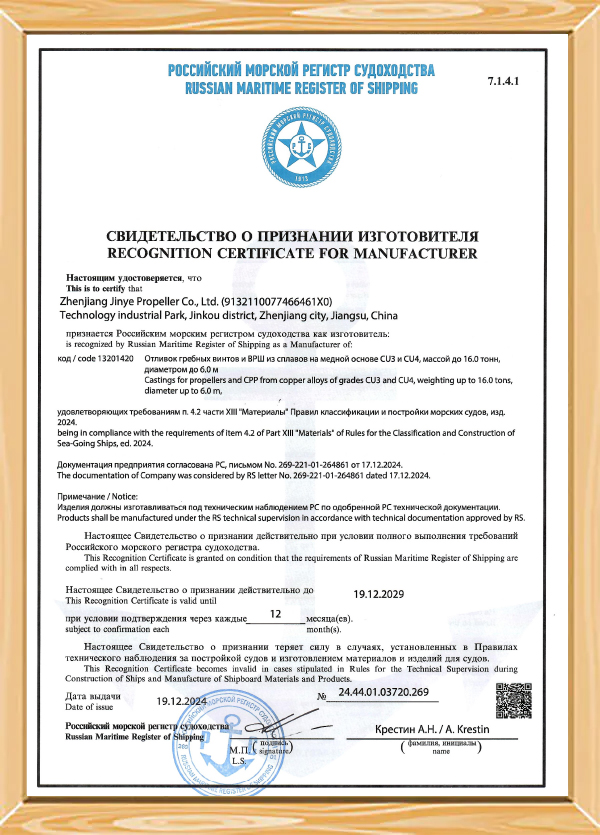
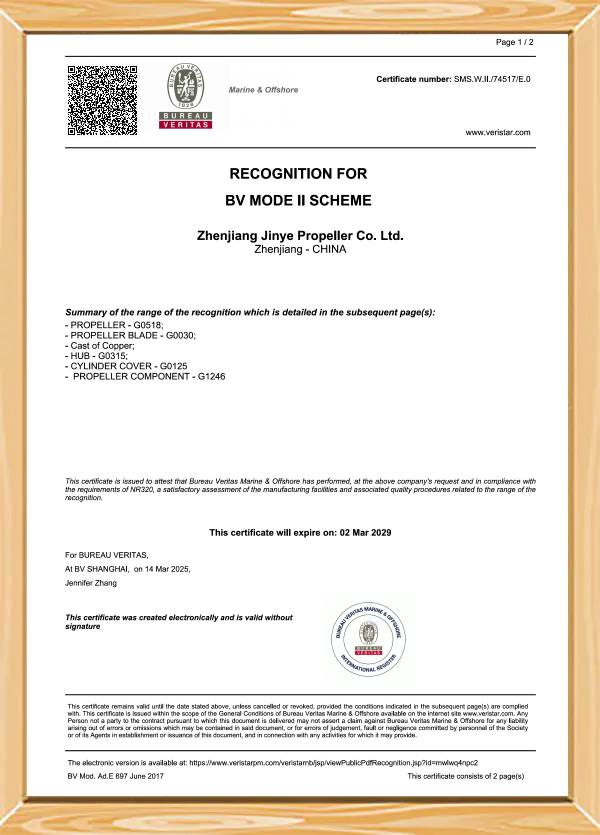
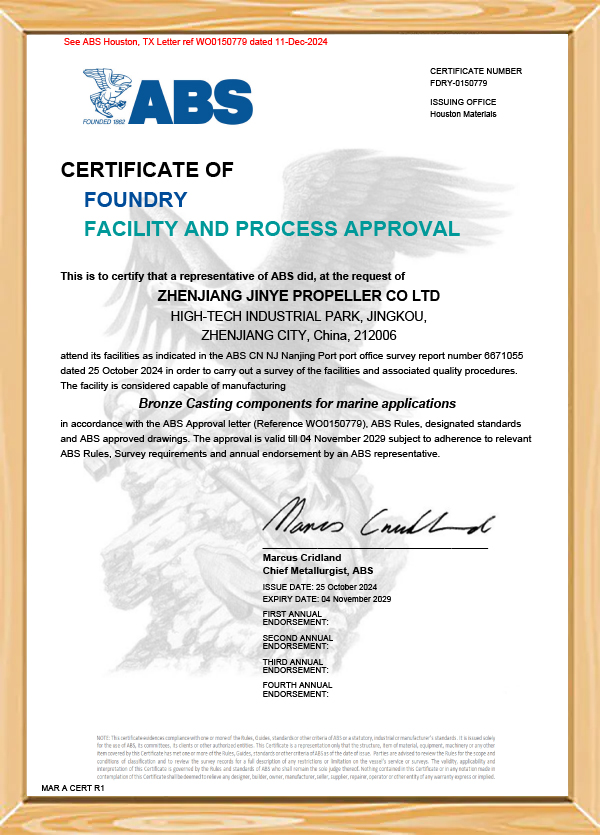
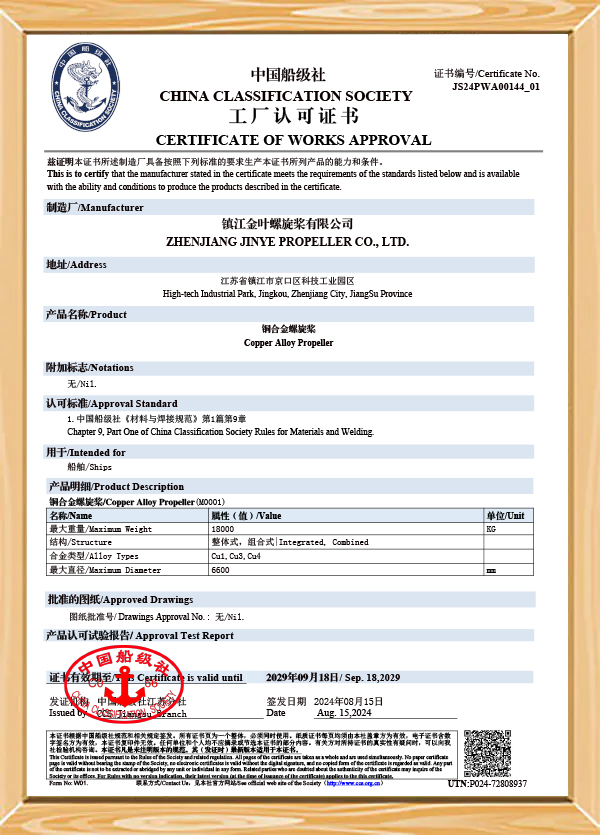
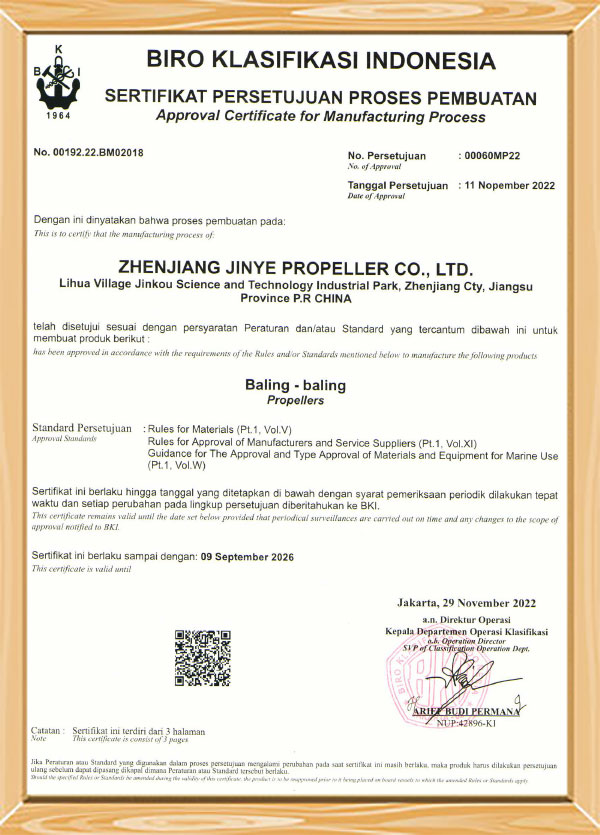
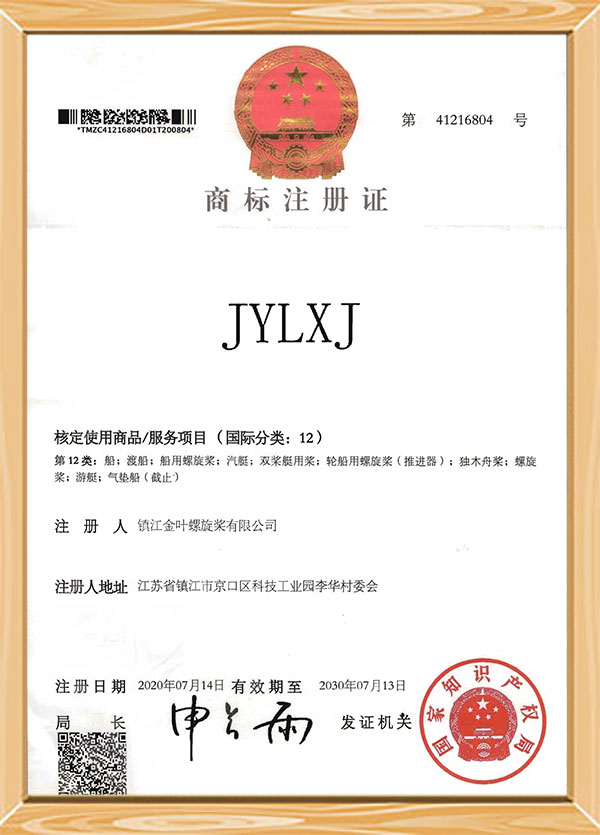
In practical applications, FPP occupies a dominant position in the small and medium-sized ship market due to its cost-effectiveness advantage. Taking Zhenjiang Jinye Propeller Co., Ltd. as an example, its FPP product line covers the adaptation range of 200 horsepower to 10,000 horsepower hosts. Through accurate pitch calculation and blade surface optimization, it can meet the working conditions of different ships - for example, the 3-blade FPP designed for inland cargo ships has a propulsion efficiency of more than 85% in the speed range of 5-10 knots, and the price of a single set of products is only 60% of the same power CPP. However, the limitations of FPP are also more obvious: poor adaptability in working conditions. When the ship's load (such as no-load/full load) or speed changes greatly, the propulsion efficiency will drop significantly and fuel consumption will increase; the handling flexibility is insufficient, and the reversing needs to rely on engine reversal, and the response time is as long as 10-20 seconds, which is much slower than CPP, and is not suitable for scenarios where frequent start and stop or emergency braking (such as tugboats in port).
Although CPP has more advantages in versatility, FPP Fixed Pitch Propeller is still irreplaceable in specific areas due to its cost and reliability advantages. Industry trends show that the two are not completely competitive, but complement each other according to the type of ship: FPP is the preferred choice for small ships and fixed working conditions; CPP is more used for large ocean-going ships and multi-purpose ships. At the same time, with the advancement of material technology, FPP is gradually improving efficiency under non-designed operating conditions through high-strength alloys and bionic blade design (such as imitating whale fin surfaces), further consolidating its market position.



 English
  中文简体
中文简体  русский
  Español
  عربى
عربى  Français
  Português
  Deutsch
  Türk
Türk