


 English
  中文简体
中文简体  русский
  Español
  عربى
عربى  Français
  Português
  Deutsch
  Türk
Türk
JINYE
JINYE
JINYE
JINYE
JINYE
JINYE
JINYE
JINYE
JINYE
JINYE
JINYE
JINYE
JINYE
JINYE
JINYE
JINYE

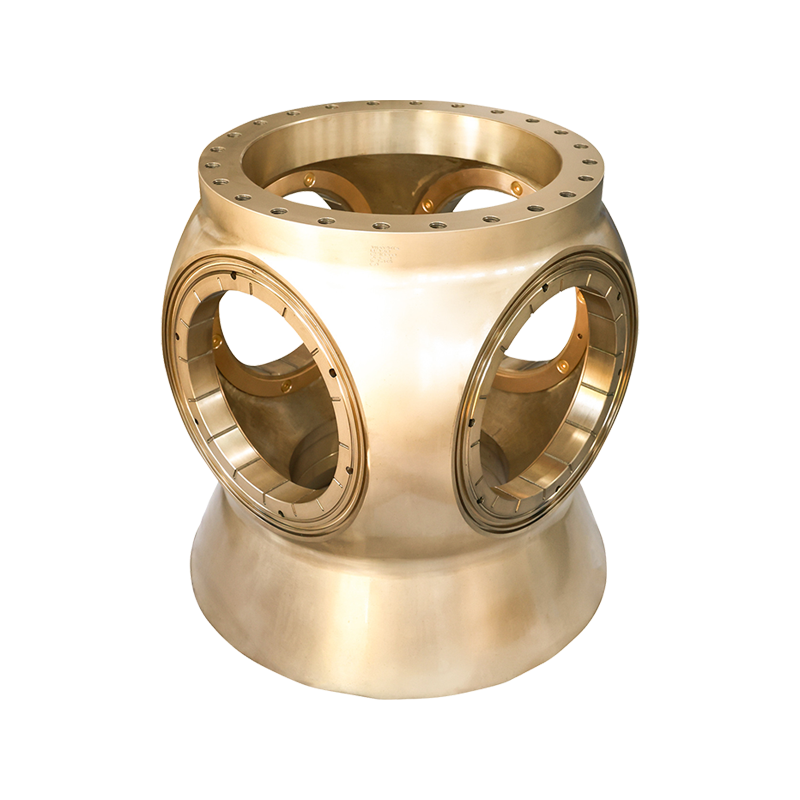
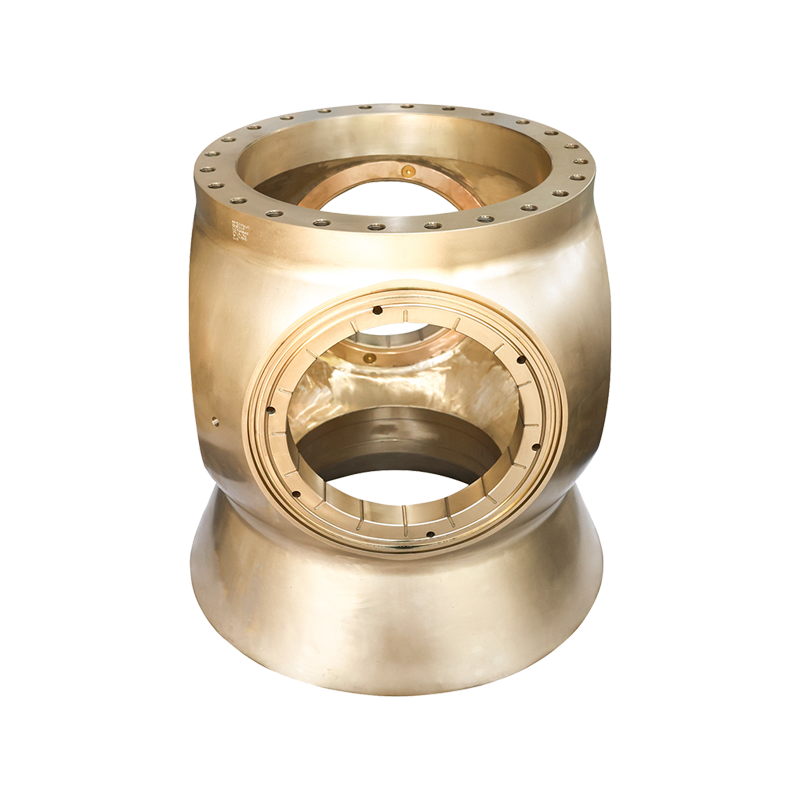
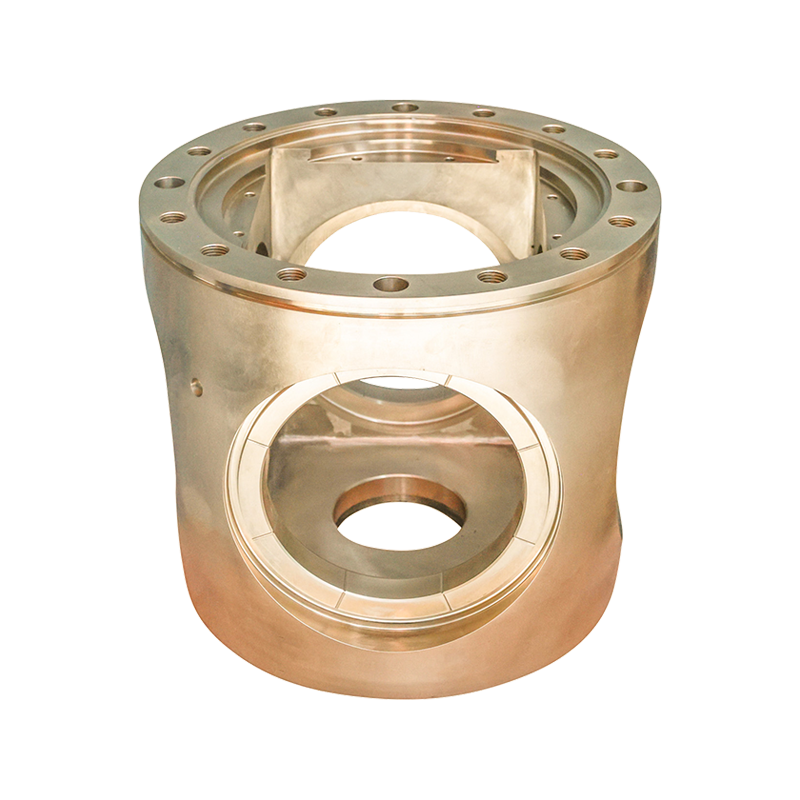
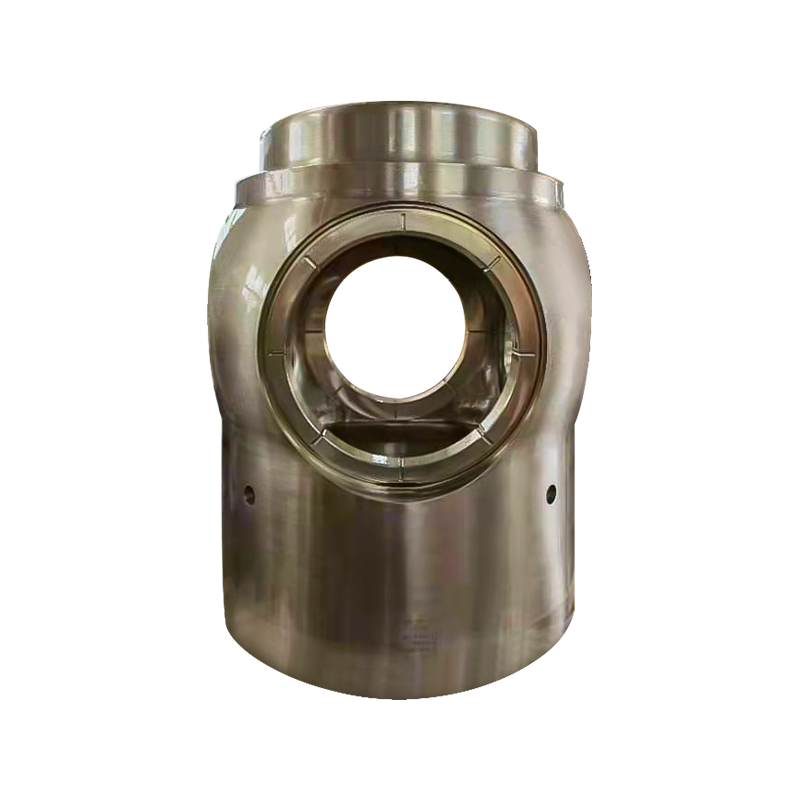
Controllable Pitch Propeller
Marine CPP Hub

Phone Number
+86-511-83386688-
To provide customers with quality products and services Obtain customer satisfaction.
-
Centering on customer needs, being honest and trustworthy, quick response, create value for customers and achieve win-win cooperation.
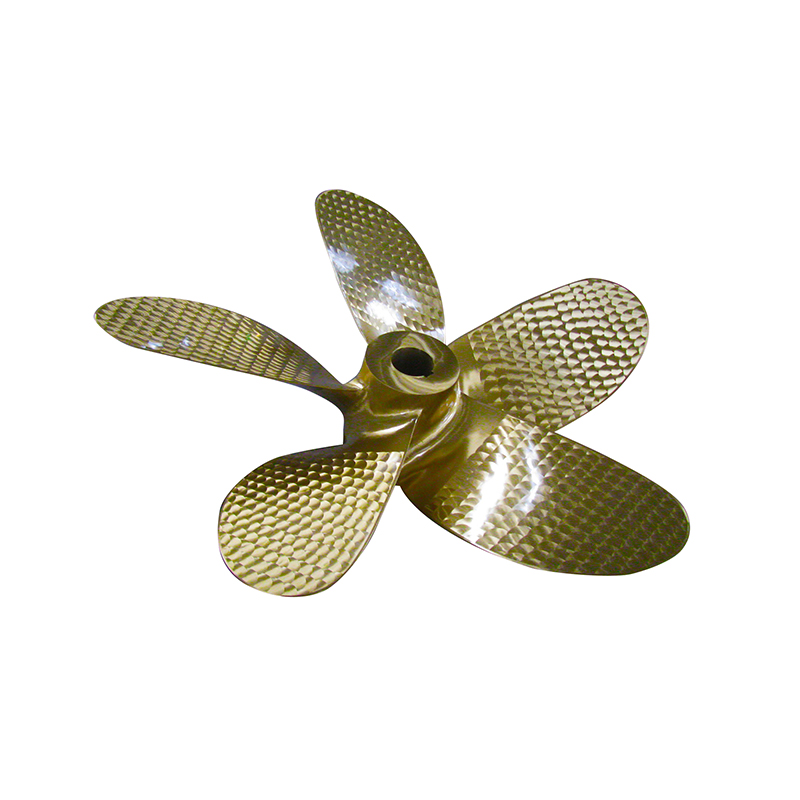
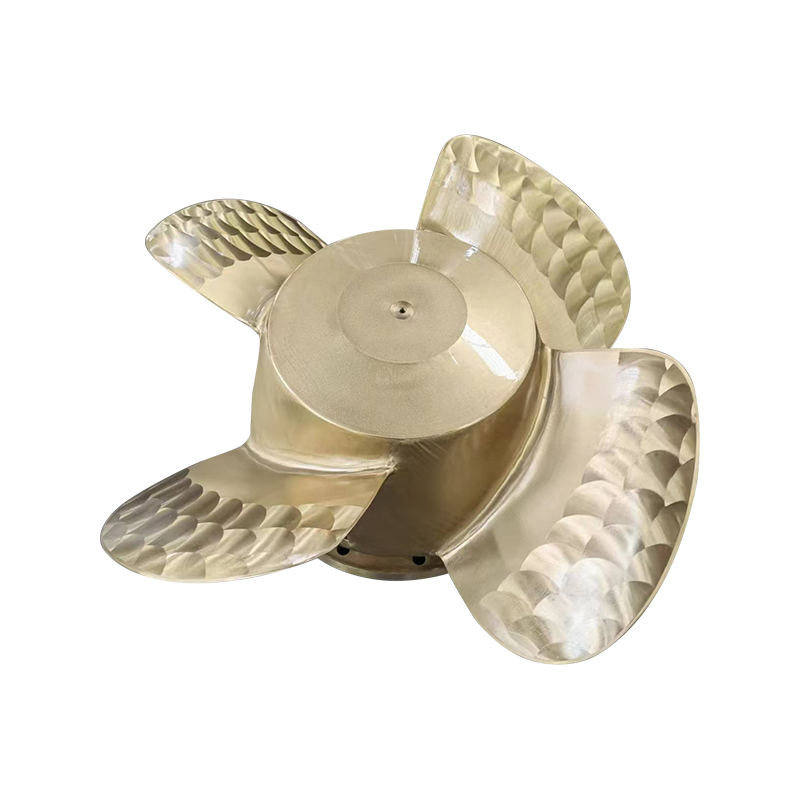
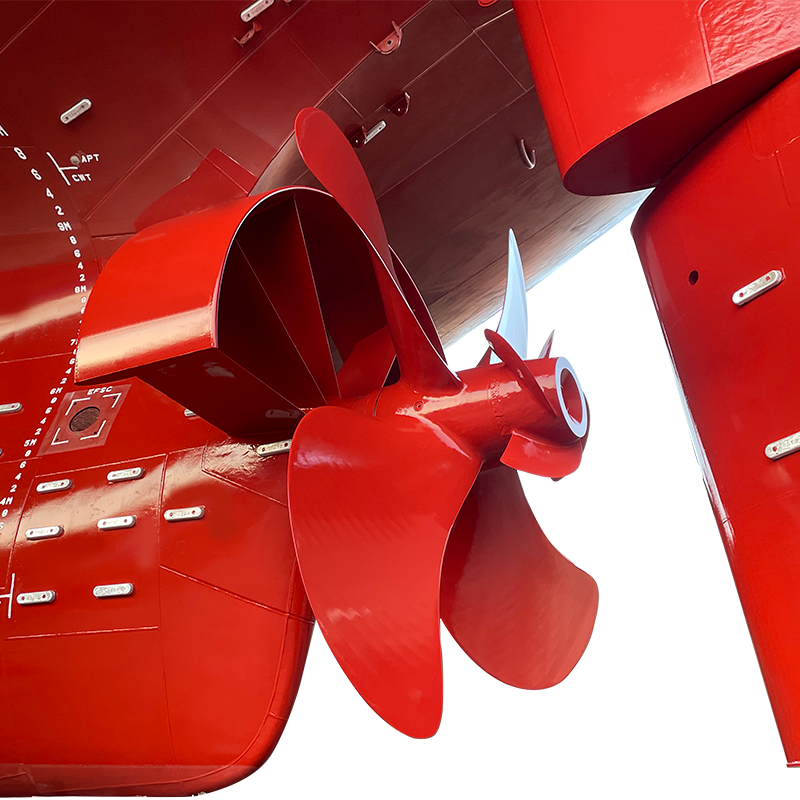
CPP Hub refers to a propeller component that rotates the blades through a built-in mechanism to change the angle between the blades and the hub, thereby adjusting the pitch to adapt to various working conditions. Its working principle is to control the movement of the piston through the hydraulic system, thereby adjusting the angle of the blades to achieve pitch adjustment.
Core advantages:
Intelligent adjustment: integrated hydraulic drive system, precise control of the blade angle, achieving stepless thrust change, and improving ship maneuverability.
Efficient and reliable: optimized structural design, reduced energy loss, with wear-resistant bearings and long-lasting seals, to extend service life.
Widely compatible: adapted to a variety of ship types (such as container ships, tugboats, scientific research ships), to meet complex working conditions such as heavy loads and rapid speed changes.
Convenient maintenance: modular design supports rapid maintenance and reduces operating costs.
CPP Hub provides efficient and flexible power solutions for modern shipping with its excellent adjustment performance and reliable quality. Whether it is pursuing extreme energy efficiency or dealing with complex sea conditions, it can respond accurately to help ships achieve a smarter and more economical sailing experience.
Company
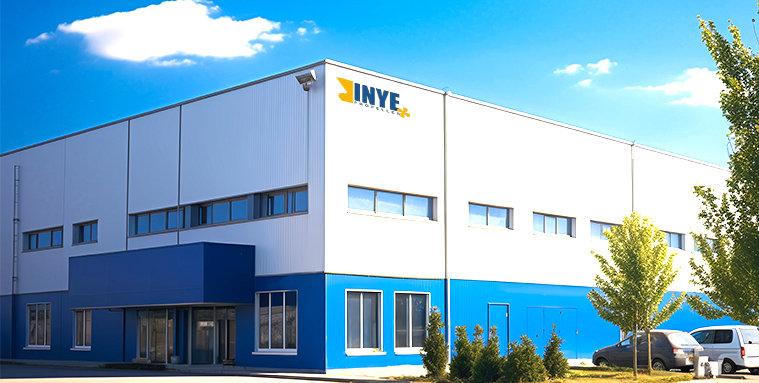
Zhenjiang Jinye Propeller Co.,Ltd.
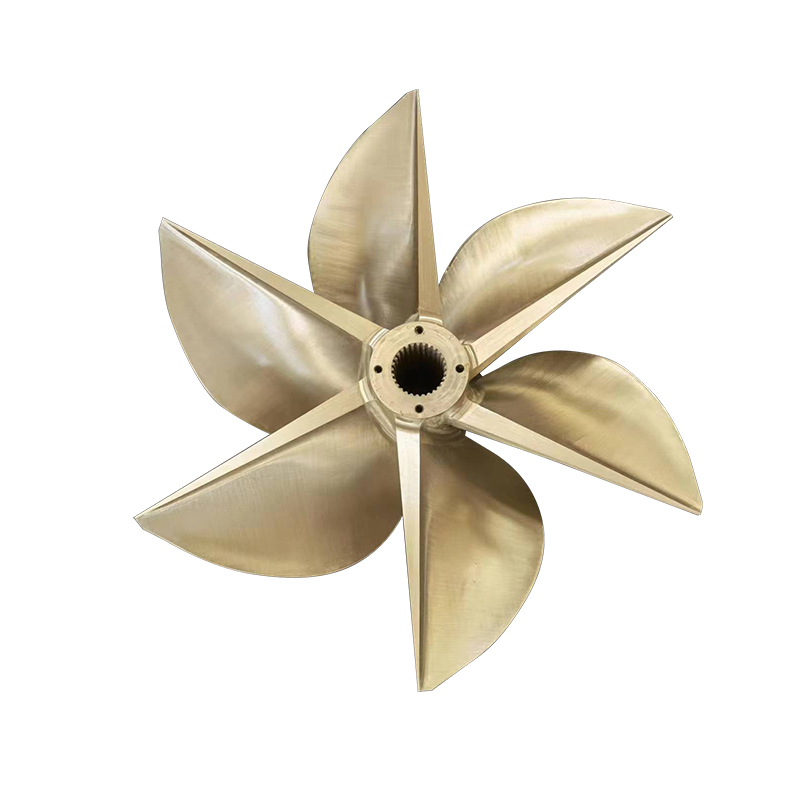
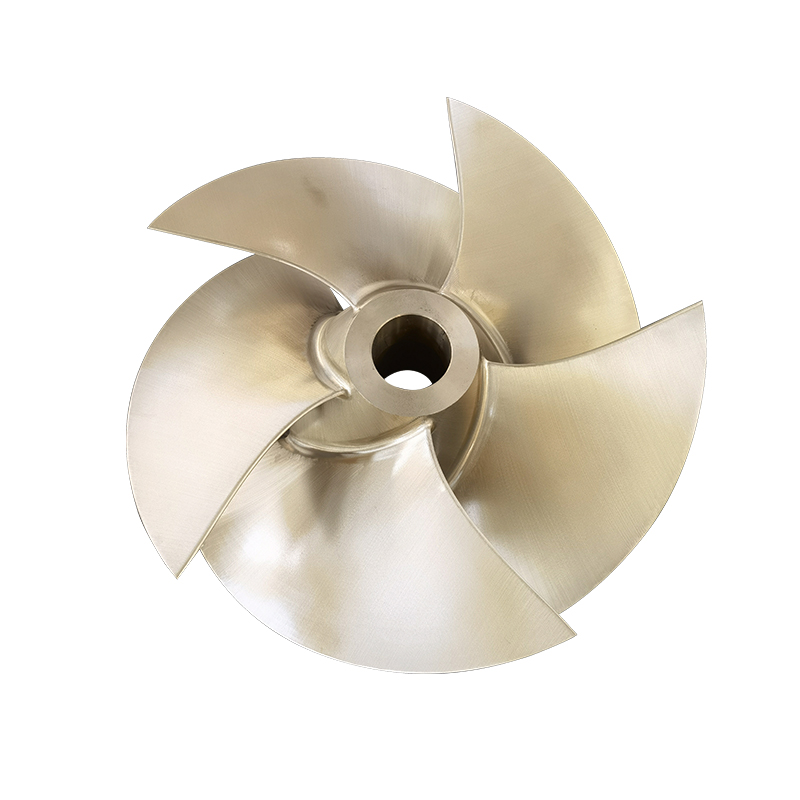
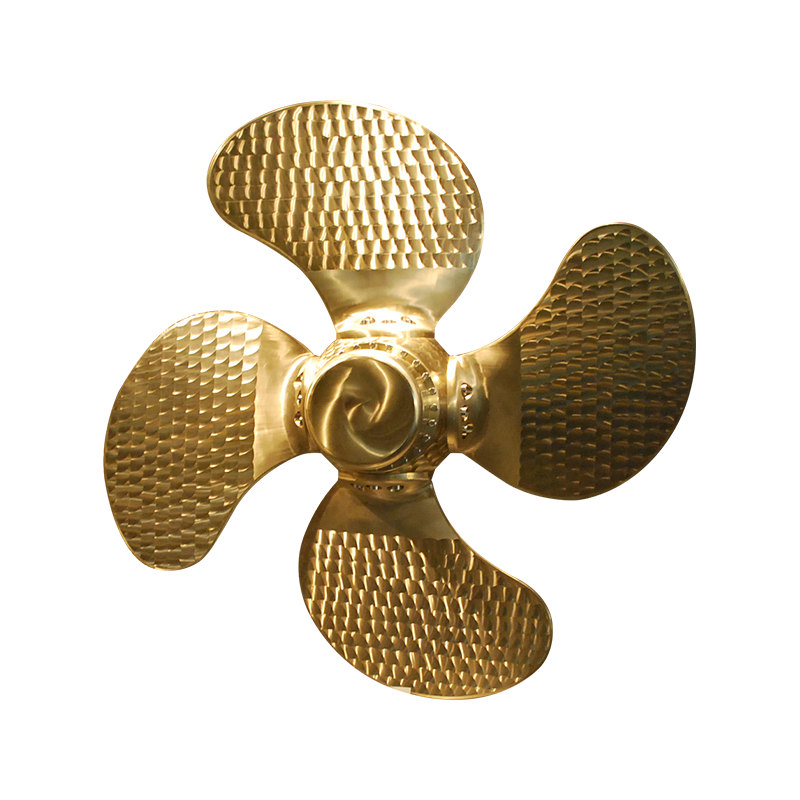
Established in 2005, Zhenjiang Jinye Propeller Co.,Ltd. is a professional China Marine CPP Hub suppliers and Marine CPP Hub company. Situated in Zhenjiang Jin Kou Science and Technology Industrial Park, the company spans over an area of more than 20,000 square meters. Our expertise lies in the production, manufacturing, and sales of marine copper alloy propellers and related accessories. Our product portfolio includes fixed-pitch propellers, controllable pitch propellers, propeller hubs, oil cylinders, cap fins, and other propeller attachments.
Message Feedback
Certificate Of Honor

Environmental Management System Certification Certificate

Occupational Health and Safety Management System Certification

Quality Management System Certification
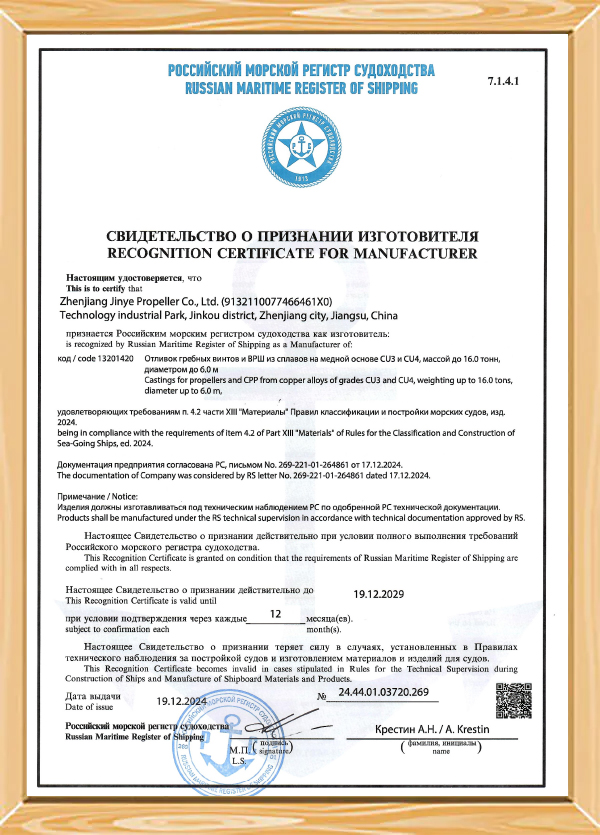
Russian Classification Society (RS)
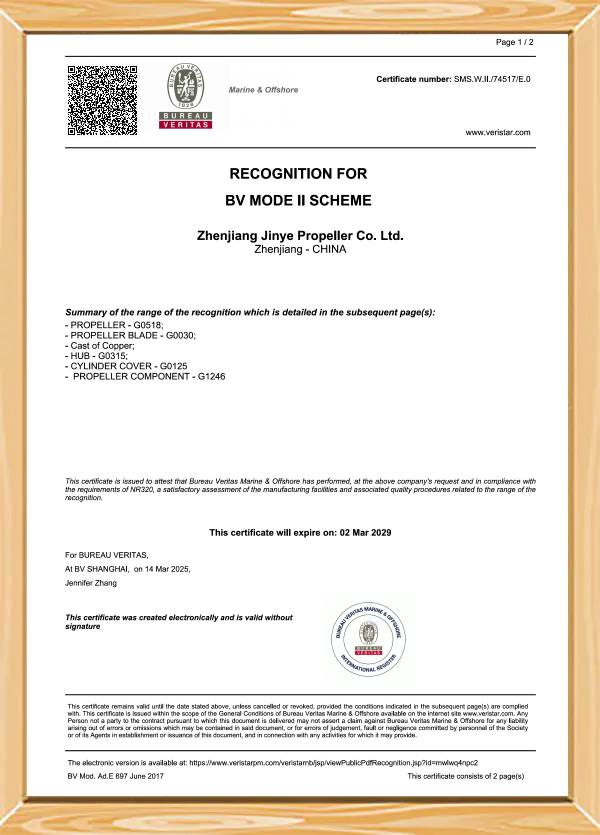
French Classification Society (BV)
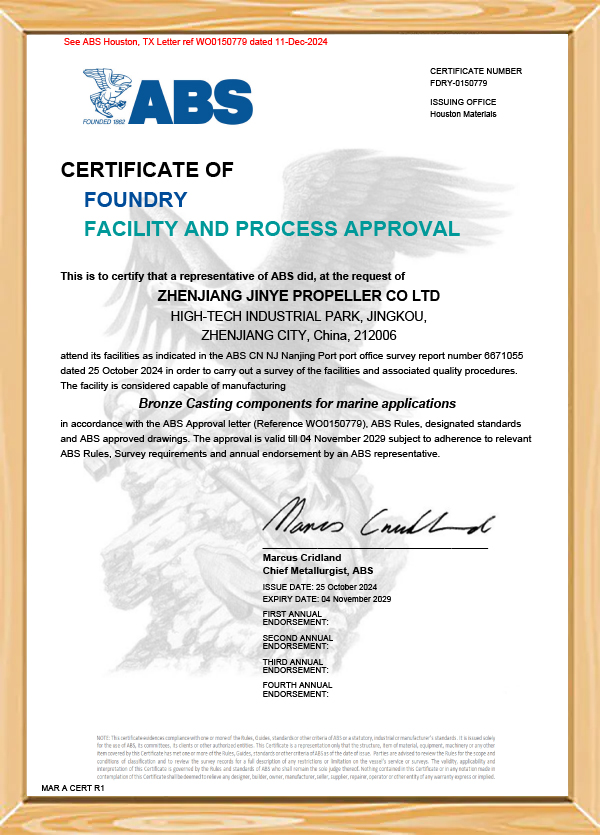
American Bureau of Shipping (ABS)

Italian Classification Society (RINA)
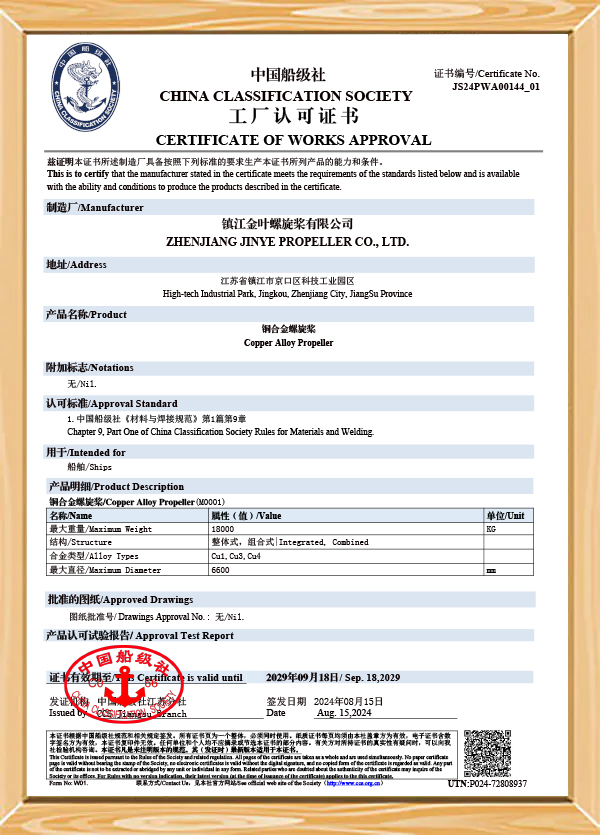
China Classification Society (CCS)
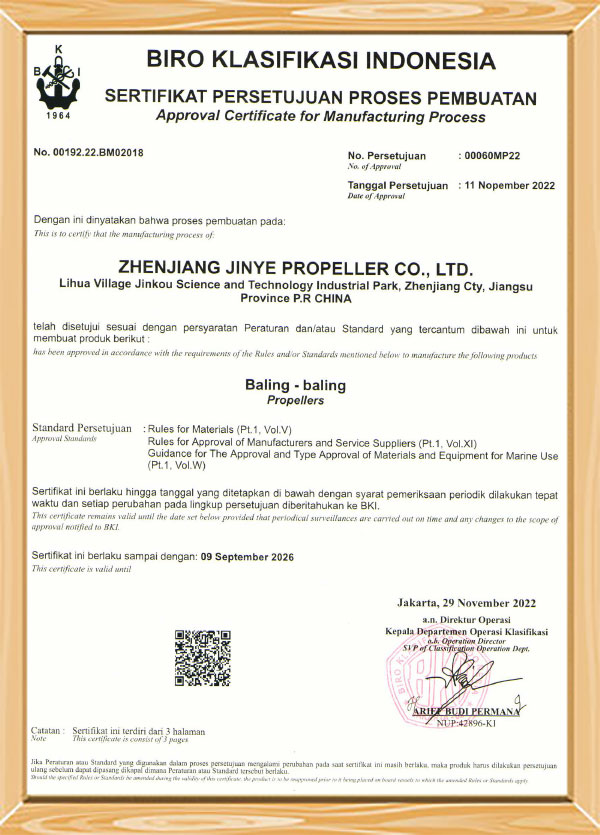
Indonesia (BKI)
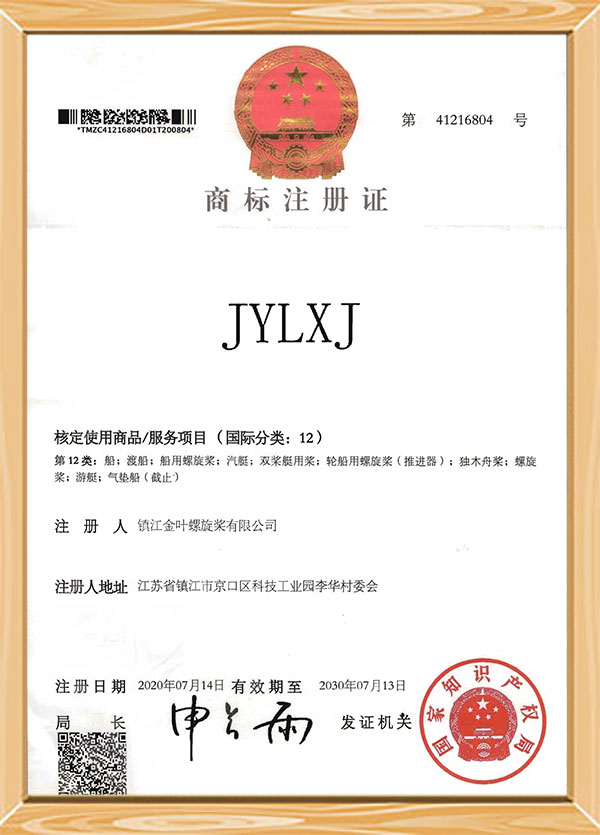
Trademark Registration Certificate
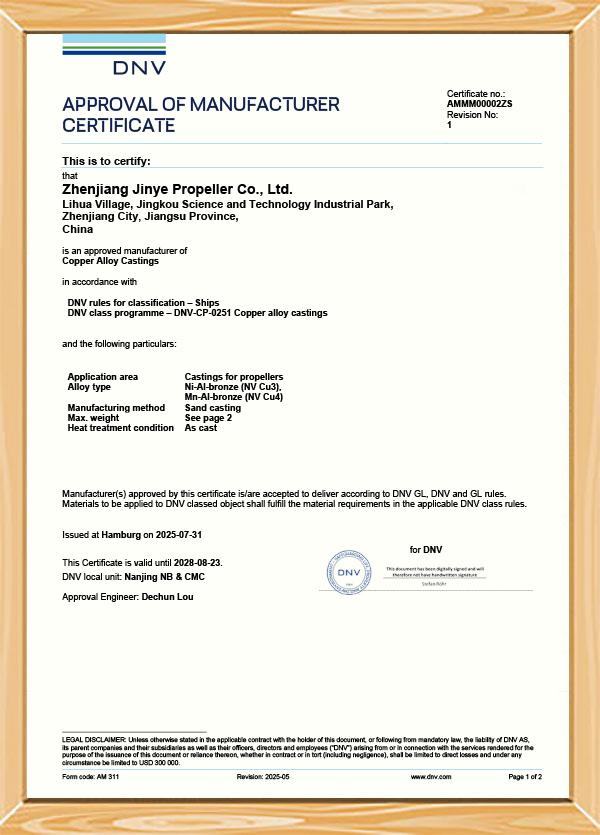
DNV-Certificate
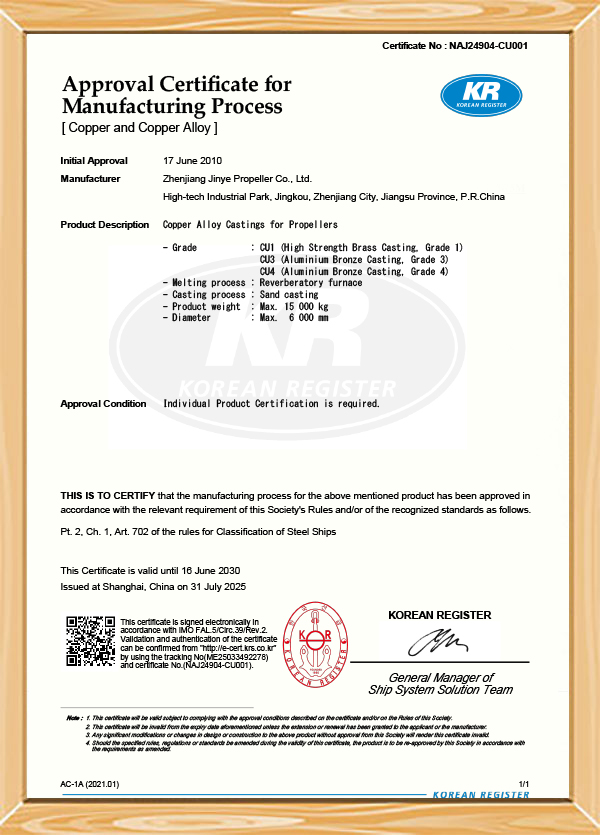
KR-Certificate
News
-
Ships use a Controllable Pitch Propeller primarily because it allows the blade pitch angle to be adjusted while the propeller shaft continues rotating at a constant speed -- enabling the vessel to change thrust magnitude and direction without changing engine RPM or requiring a reversing gearbox. T...
Read More -
An FPP Fixed Pitch Propeller is one of the most widely deployed propulsion devices in the global maritime industry. Its blades are permanently cast or forged at a fixed angle to the hub -- the pitch cannot be adjusted in service. This simplicity makes it the dominant choice for vessels operating at...
Read More -
A Fixed Pitch Propeller generates thrust by rotating blades set at a permanently fixed angle relative to the plane of rotation. As the blades spin, their cambered aerofoil cross-section accelerates water rearward, and by Newton's Third Law, the reaction force drives the vessel forward. The blade a...
Read More
Industry Knowledge Extension
In the Controllable Pitch Propeller system, CPP Hub is a key component connecting the blades and the power transmission system, and undertakes the core functions of blade angle adjustment, power transmission and system stability. Its design accuracy and performance directly determine the response speed, energy efficiency level and operating reliability of the CPP system, and is the "nerve center" in the ship propulsion system.
The CPP Hub has a complex and sophisticated structure, and integrates a distance adjustment mechanism, sealing system and power transmission components inside, mainly composed of the following parts:
The distance adjustment mechanism: The core component includes a hydraulic piston, connecting rod, eccentric shaft and slider. The piston moves through the pressure of hydraulic oil, and the eccentric shaft is driven to rotate through the connecting rod, and finally the blade rotates about the axis to adjust the pitch. For example, Zhenjiang Jinye Propeller Co., Ltd. uses a high-precision machining linkage mechanism in its CPP products to ensure that the blade angle adjustment error is controlled within ±0.1°.
Sealing system: Due to the long-term seawater environment, multiple mechanical seals (such as skeleton oil seals, O-rings) must be equipped on both ends of the Hub to prevent seawater from infiltration into the interior and contaminating hydraulic oil, while avoiding hydraulic oil leakage and causing marine pollution.
Power transmission assembly: includes a sleeve, bearing and keyway structure, which is responsible for transmitting the torque of the main machine from the transmission shaft to the blade while bearing the radial and axial loads generated by the rotation of the blade.
Workflow: When the bridge issues a distance adjustment command, the hydraulic pump station outputs pressure oil into the oil cylinder in the Hub, pushing the piston to move axially, and converting the linear motion into the rotating motion of the blade through the connecting rod mechanism, thereby changing the pitch. The pitch adjustment range is usually -30° (reversal) to +30° (directional), allowing continuous and stepless changes in thrust.
Accurate distance adjustment, adapted to multiple working conditions
As a direct control component of blade angle, the CPP Hub can switch the pitch from forward to reverse in 0.5-2 seconds, without changing the main steering, greatly improving the ship's control flexibility. For example, in tugboat operation, the rapid distance adjustment of the Hub can instantly start and stop and move horizontally, and accurately match the posture adjustment of the towed ship.
Efficient power transmission and reduce energy consumption
The power transmission efficiency of Hub needs to be maintained above 95%, and the friction coefficient of its internal bearings and the concentricity design of the shaft system directly affect energy loss. Zhenjiang Jinye improves power transmission efficiency by optimizing the internal structure of the Hub (such as using roller bearings instead of sliding bearings), helping ships reduce fuel consumption per unit mileage.
Sealing and protection to adapt to harsh environments
Salt spray, silt and low temperatures in the marine environment can erode the Hub, so its shell is usually made of corrosion-resistant nickel-aluminum bronze or high-strength cast iron. The internal sealing system needs to pass pressure tests of more than 10 bar to ensure long-term reliable operation in deep seas or highly polluted waters.
System compatible, integrated intelligent control
The modern CPP Hub can be linked with the ship power management system (PMS), and can monitor the blade angle, oil pressure and temperature in real time through sensors, and automatically optimize the pitch based on data such as speed and load. For example, during passenger and roller-roulette sailing, the system can automatically adjust the pitch according to the route slope, so that the host machine always operates in the best working conditions.
The design of CPP Hub needs to be customized according to the operation scenario of the ship to meet different power needs and environmental pressures:
Marine engineering ships (such as drilling platform supply ships): They require frequent and low-speed precise positioning. The Hub's distance adjustment mechanism needs to have high-frequency fine-tuning capabilities. They are usually equipped with a servo hydraulic system to achieve 0.1° level angle adjustment to ensure that the ship maintains a stable attitude in wind and waves.
Large merchant ships (such as container ships and tankers): Focus on energy efficiency and reliability. The Hub adopts a large diameter design (partially up to 3-5 meters), and is made of high-strength alloys to withstand continuous loads under thrust of ten thousand tons, while reducing water flow resistance through a streamlined shell.
Special ships (such as icebreakers, scientific research ships): In the face of extreme environments such as low temperature and ice impact, Hub's sealing system needs to be made of low temperature resistant rubber material, the shell increases wear-resistant coating, and the gap design of the distance adjustment mechanism takes into account the low temperature shrinkage to avoid components being stuck.
Inland ships (such as ferries and cargo ships): Due to shallow waterways and lots of silt and sand, Hubs need to be equipped with anti-silt filtering devices, and the bearings are self-lubricated to reduce failures caused by silt and sand wear.
Taking Zhenjiang Jinye's practice as an example, it is a CPP Hub customized by a polar scientific research ship. Through the -40℃ low temperature test, the sealing system can withstand the instantaneous pressure of 15MPa caused by ice impact, meeting the operating needs in extreme environments.
With the upgrading of green shipping and intelligence, the technological evolution of CPP Hub has three major directions:
Material Innovation
New composite materials (such as carbon fiber reinforced resin) have begun to be used in Hub shells, which reduces weight by more than 30% compared to traditional metal materials, and also has better corrosion resistance; the internal bearings are made of ceramic coating, and the friction coefficient is reduced by 50%, extending the service life to more than 20,000 hours.
Intelligent diagnostics and prediction maintenance
Integrate vibration sensors, temperature sensors and oil pressure sensors to analyze the operating status of the Hub in real time through edge calculations and warning of potential faults in advance. For example, when an abnormal increase in bearing temperature is detected, the system can automatically adjust the hydraulic oil flow for cooling and push maintenance prompts to the crew.
Integrated design
Integrated distance adjustment mechanism with hydraulic pump stations to reduce pipeline connections and reduce leakage risks; at the same time, 3D printing technology is used to manufacture complex internal structures, reducing the number of Hub's parts by 40% and improving assembly efficiency by 50%.
Companies such as Zhenjiang Jinye have made plans in these fields. The intelligent CPP Hub launched in 2024 has been connected with the ship's digital twin system, which can further improve the promotion efficiency through virtual simulation.
As the "brain" of adjustable pitch propeller, CPP Hub's technological development runs through the upgrade process of ship propulsion systems from mechanical control to intelligent collaboration. Judging from the practices of manufacturers such as Zhenjiang Jinye, high-precision processing, customized design and intelligent integration are the core competitiveness of CPP Hub. In the future, with the improvement of green ship standards, CPP Hub with high efficiency, low consumption and intelligent diagnosis functions will become the mainstream, providing key support for the low-carbon transformation of the shipping industry.
Get in Touch Now!
We're Here to Assist with
All Your Requirements
© Copyright Zhenjiang Jinye Propeller Co.,Ltd. All Rights Reserved. Wholesale Marine CPP Hub Suppliers
