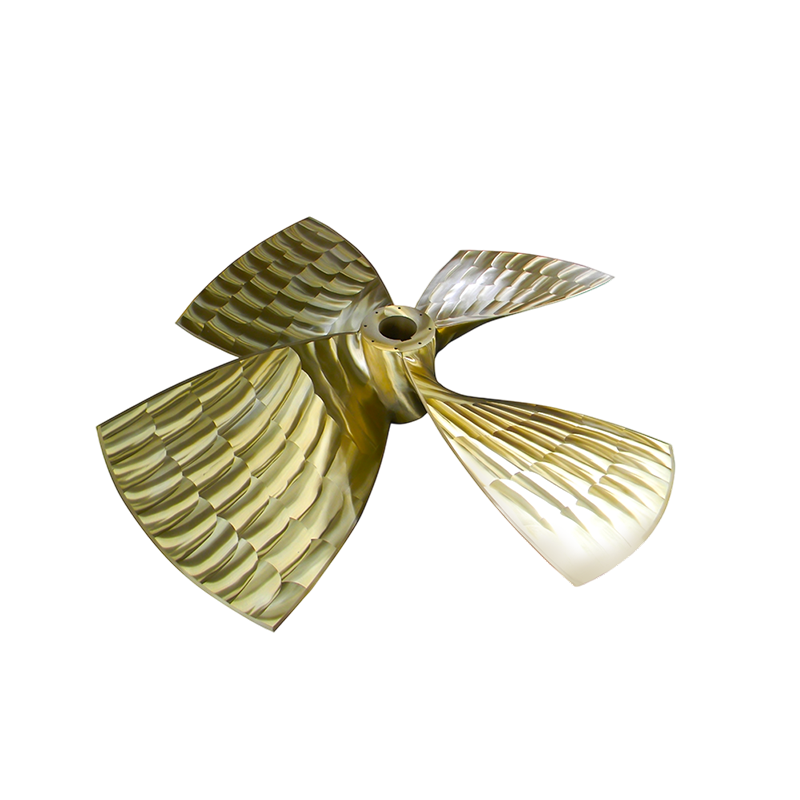
I、What is the core principle of high pitch propellers for efficient propulsion adaptation?
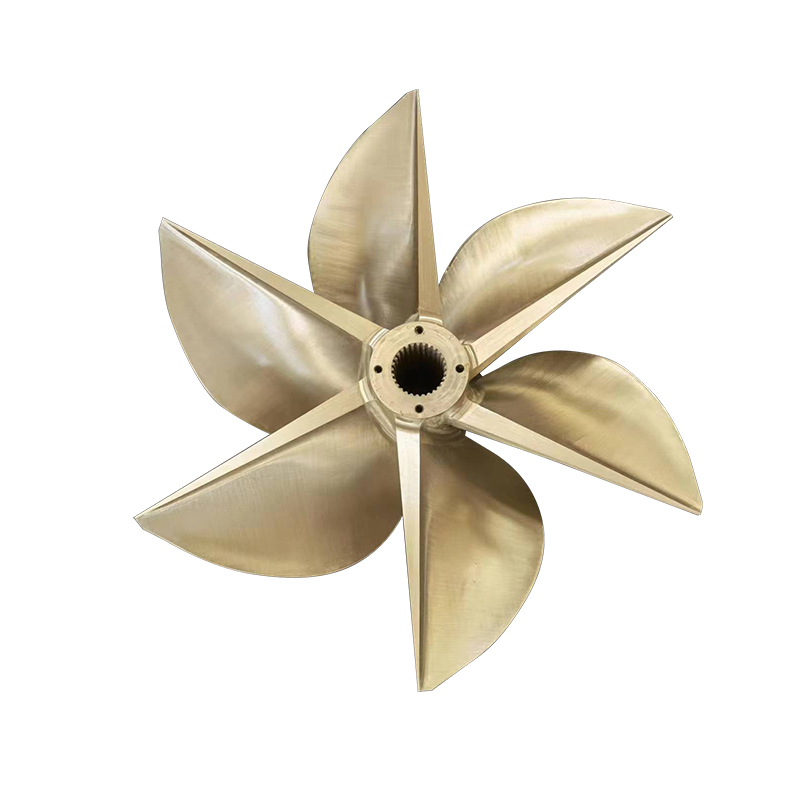
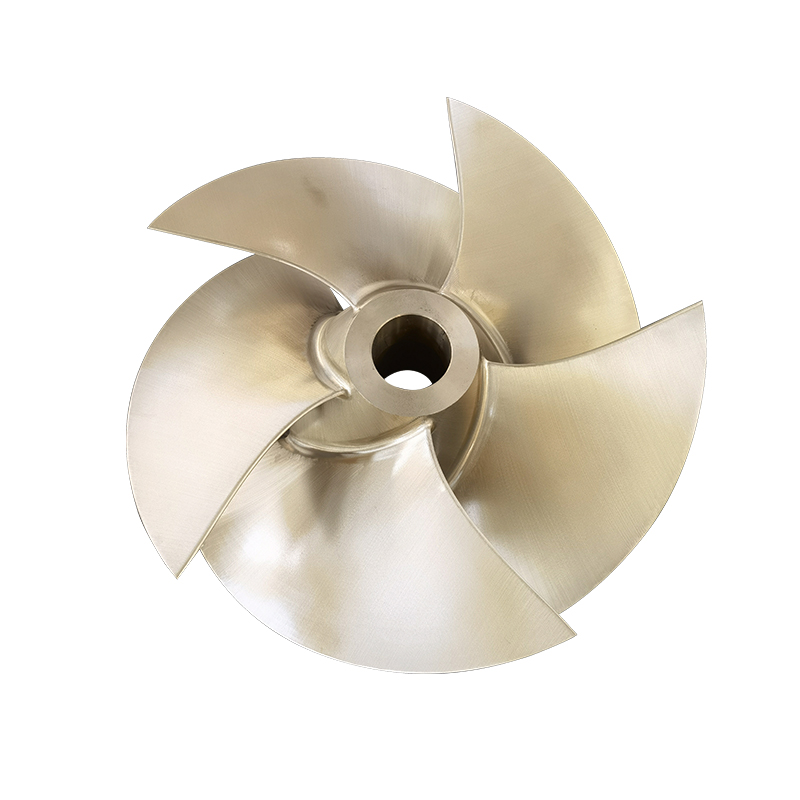
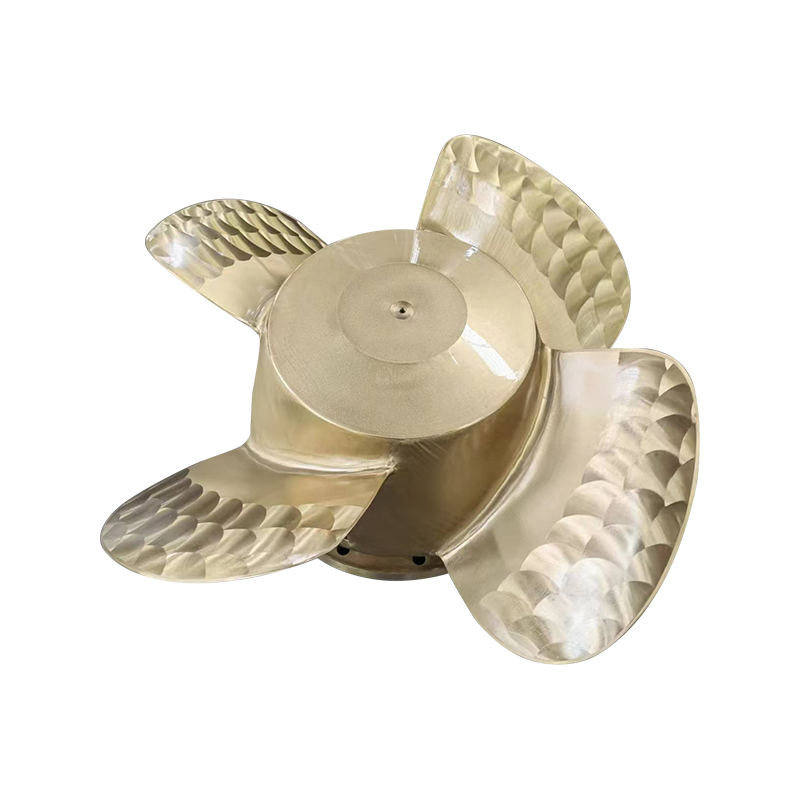
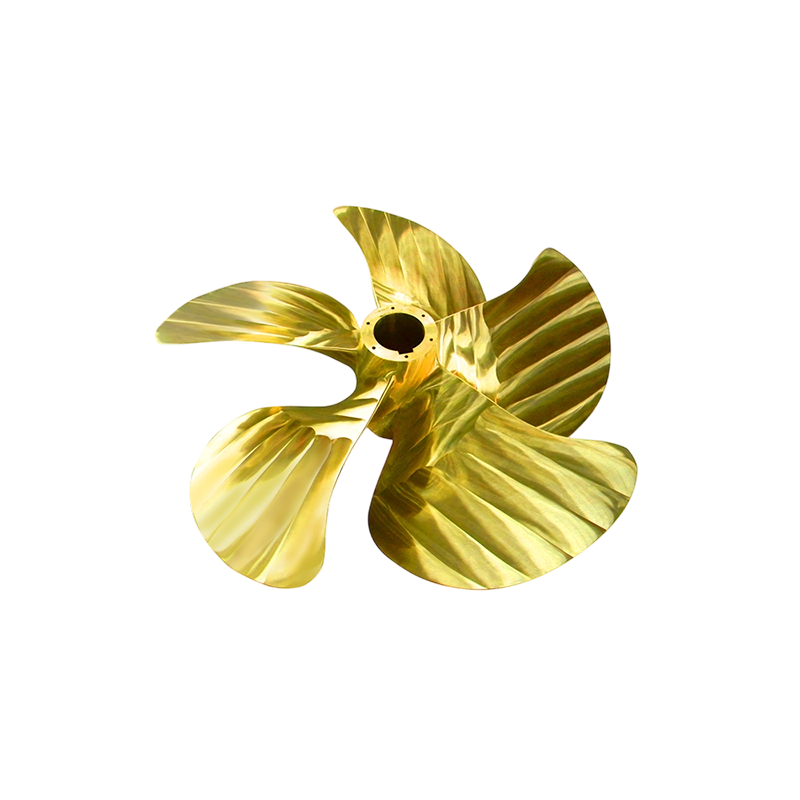
The efficient propulsion adaptation of high pitch propellers is rooted in their unique structural design and fluid dynamics principles. Unlike conventional propellers, high pitch propellers feature a larger blade angle (usually exceeding 25 degrees), which allows them to capture more fluid (air or water) per rotation and generate greater thrust with fewer revolutions. This core characteristic enables them to balance two key indicators: thrust output and energy efficiency—a critical foundation for adapting to different equipment with varying propulsion needs.
The adaptation principle also relies on the "variable load response" capability of high pitch propellers. When equipment faces different resistance conditions (such as a ship sailing in calm water vs. rough seas, or an aircraft taking off vs. cruising), the high pitch design can adjust the effective contact area with the fluid through subtle blade deformation (for flexible materials) or optimized angle distribution (for fixed structures). This dynamic adjustment ensures that the propeller maintains optimal efficiency without sacrificing thrust, laying the groundwork for cross-equipment adaptation.
II、How do high pitch propellers meet the propulsion needs of marine equipment?
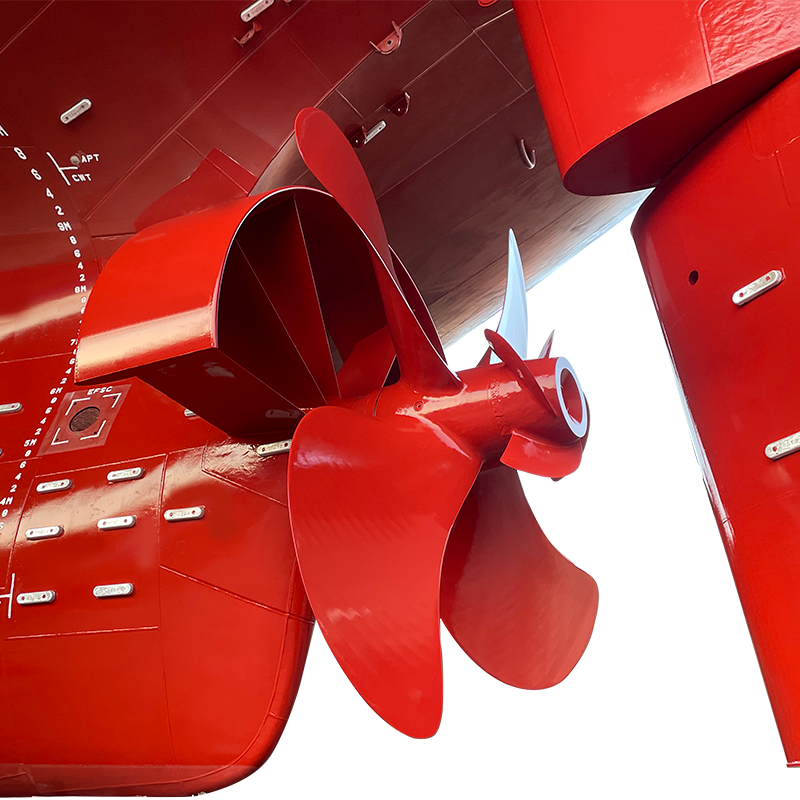
Marine equipment (including cargo ships, fishing boats, and yachts) has diverse propulsion requirements—cargo ships prioritize long-distance fuel efficiency, fishing boats need flexible maneuverability, and yachts pursue smooth and quiet operation. High pitch propellers adapt to these differences through targeted design adjustments.
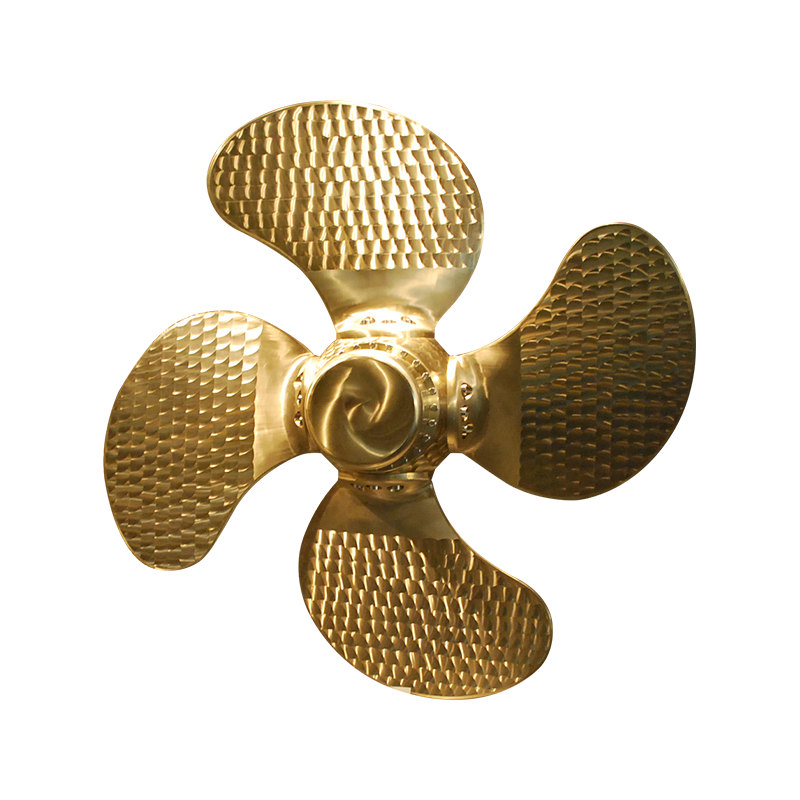
For large cargo ships with heavy displacement, high pitch propellers often adopt a "wide-chord blade" structure. The wider blade surface increases the fluid capture volume, while the high pitch angle reduces the required rotational speed (RPM), thereby lowering fuel consumption and engine wear during long voyages. In addition, the corrosion-resistant material coating (such as marine-grade alloy or composite materials) on the blades adapts to the high-salt, high-humidity marine environment, ensuring stable performance over long-term use.
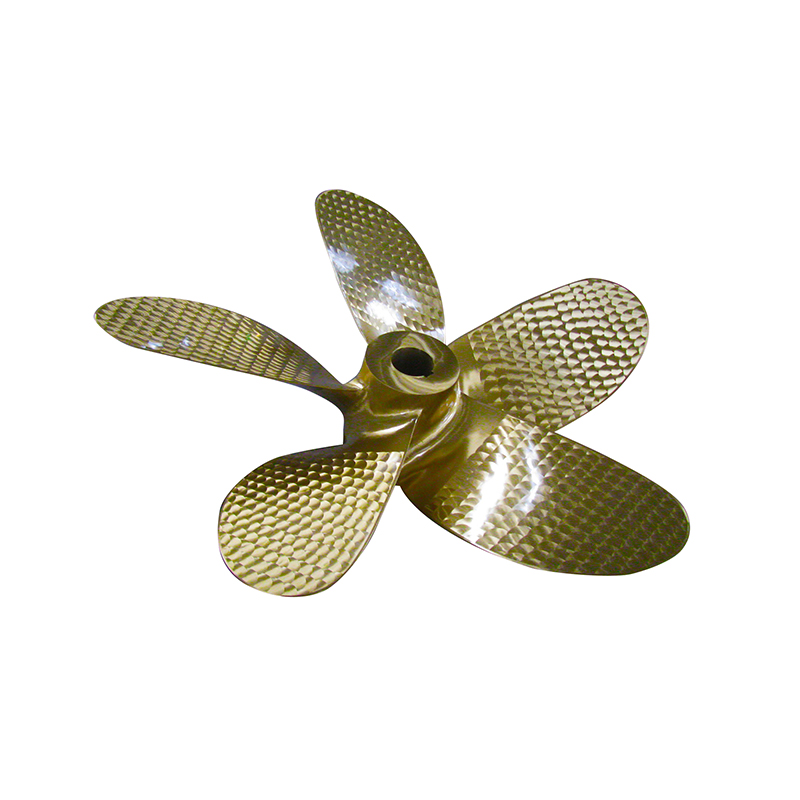
For small fishing boats that require frequent acceleration and deceleration, high pitch propellers are designed with "variable pitch mechanisms" (adjustable blade angles). When the boat needs to accelerate quickly, the propeller increases the pitch angle to generate instant thrust; when cruising at low speed, it reduces the angle to save energy. This flexibility allows fishing boats to adapt to both fast navigation and precise positioning during fishing operations.
III、In what ways do high pitch propellers adapt to aerial equipment such as drones and light aircraft?
Aerial equipment has stricter requirements for weight, aerodynamic drag, and thrust-to-weight ratio, which poses unique challenges for high pitch propeller adaptation. For multi-rotor drones, high pitch propellers are usually made of lightweight carbon fiber materials, with a "thin-blade high-pitch" design—this reduces air resistance while ensuring sufficient lift. The high pitch angle enables the drone to generate large thrust at low RPM, avoiding excessive noise and energy consumption during hovering or slow flight.
For light aircraft (such as general aviation planes and seaplanes), high pitch propellers adopt a "variable-speed matching" strategy. During takeoff, the propeller uses a higher pitch angle to generate maximum thrust to overcome gravity; during cruising, it adjusts to a moderate pitch angle to balance speed and fuel efficiency. Additionally, the blade shape is optimized for aerodynamics—with a curved leading edge and tapered trailing edge—to reduce turbulence and improve stability at high altitudes, adapting to the changing air density conditions during flight.
IV、How do high pitch propellers solve the adaptation problems of industrial equipment (such as pumps and fans)?
Industrial equipment such as pumps and fans requires high pitch propellers to adapt to different fluid media (water, air, or industrial liquids) and pressure requirements. For water pumps used in water supply systems, high pitch propellers are designed with "anti-cavitation" blades— the high pitch angle increases the fluid pressure at the blade surface, preventing the formation of bubbles that can damage the propeller and reduce efficiency. The blade material is also selected for wear resistance to adapt to the presence of impurities in water.
For industrial fans used in ventilation or cooling systems, high pitch propellers focus on "air volume and pressure balance". The high pitch design allows the fan to move a large volume of air at low speeds, reducing energy consumption and noise—critical for long-term operation in factories or commercial buildings. Some fans also use "adjustable pitch propellers" to adapt to different ventilation requirements: increasing the pitch angle for high-pressure, low-flow scenarios (such as confined spaces) and decreasing it for low-pressure, high-flow scenarios (such as large workshops).
V、What technological innovations help high pitch propellers achieve multi-equipment universal adaptation?
The universal adaptation of high pitch propellers across different equipment is supported by continuous technological innovations. One key innovation is the "intelligent pitch control system"—equipped with sensors and electronic controllers, it can real-time monitor the equipment's operating status (such as speed, load, and fluid resistance) and automatically adjust the propeller's pitch angle. This system enables the propeller to adapt to dynamic changes in equipment operation without manual intervention, improving versatility.
Another innovation is the development of "multi-material composite blades". By combining materials such as carbon fiber, titanium alloy, and engineering plastics, manufacturers can create blades with varying hardness, flexibility, and corrosion resistance—adapting to the specific needs of marine, aerial, or industrial equipment. For example, composite blades with high rigidity are used in heavy-duty marine equipment, while flexible composite blades are suitable for drones that require shock absorption.
Additionally, computational fluid dynamics (CFD) simulation technology plays a crucial role in adaptation design. Engineers use CFD to simulate the propeller's performance in different fluids, speeds, and loads, optimizing the blade angle, shape, and structure to meet the unique requirements of each type of equipment. This data-driven design method ensures that high pitch propellers can achieve efficient adaptation across multiple scenarios.
VI、Will high pitch propellers become the mainstream propulsion choice for multi-type equipment in the future?
Driven by the global demand for energy efficiency and low-carbon operation, high pitch propellers are poised to become the mainstream propulsion solution for multi-type equipment. Their ability to balance thrust, efficiency, and adaptability addresses the core pain points of traditional propellers—such as high energy consumption, poor versatility, and limited performance in complex conditions.
In the marine industry, stricter environmental regulations are pushing shipowners to adopt more efficient propulsion systems, making high pitch propellers an ideal choice for reducing carbon emissions. In the aerial sector, the growth of the drone and urban air mobility (UAM) markets requires propellers that are lightweight, efficient, and versatile—areas where high pitch propellers excel. In industrial settings, the demand for energy-saving equipment is driving the replacement of traditional propellers with high pitch alternatives.
Furthermore, ongoing technological advancements (such as AI-powered intelligent control and more durable composite materials) will continue to enhance the adaptability and performance of high pitch propellers. As they become more cost-effective and accessible, high pitch propellers are expected to penetrate more equipment categories, from small household appliances (such as high-efficiency fans) to large-scale industrial machinery, becoming a universal propulsion technology that shapes the future of efficient equipment operation.



 English
  中文简体
中文简体  русский
  Español
  عربى
عربى  Français
  Português
  Deutsch
  Türk
Türk