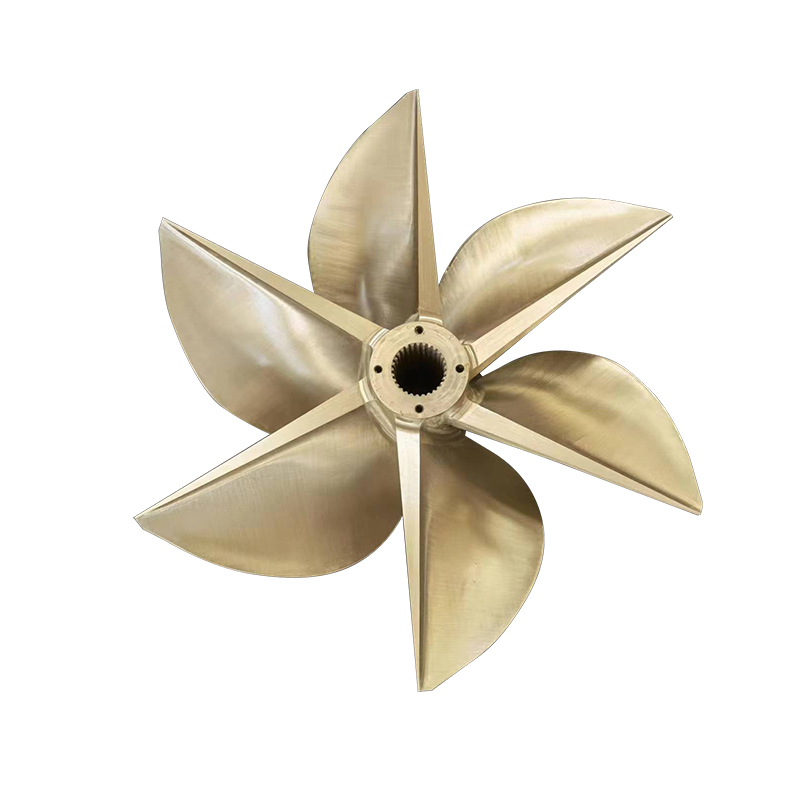
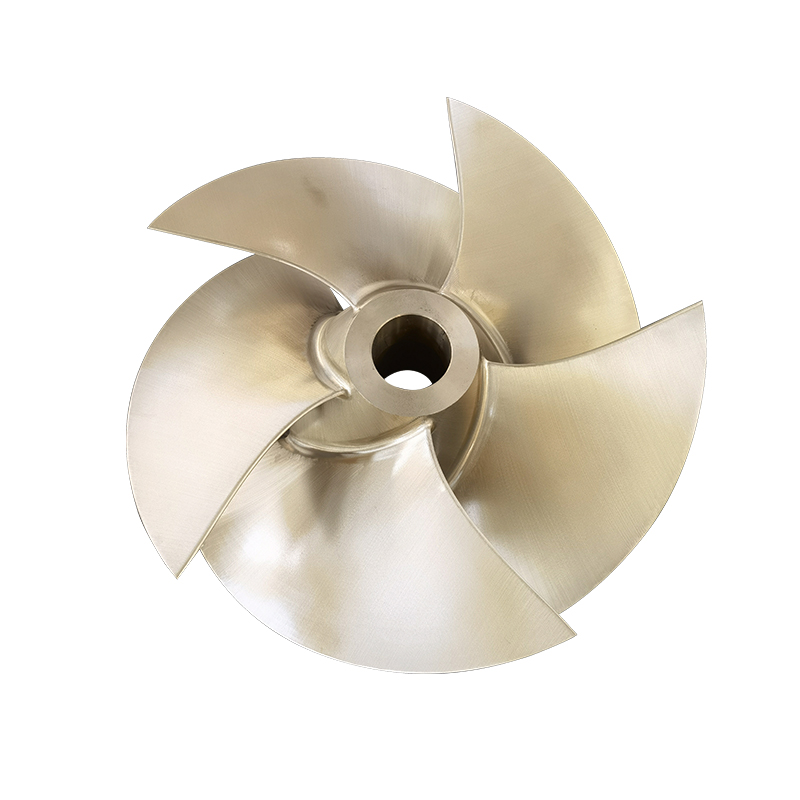
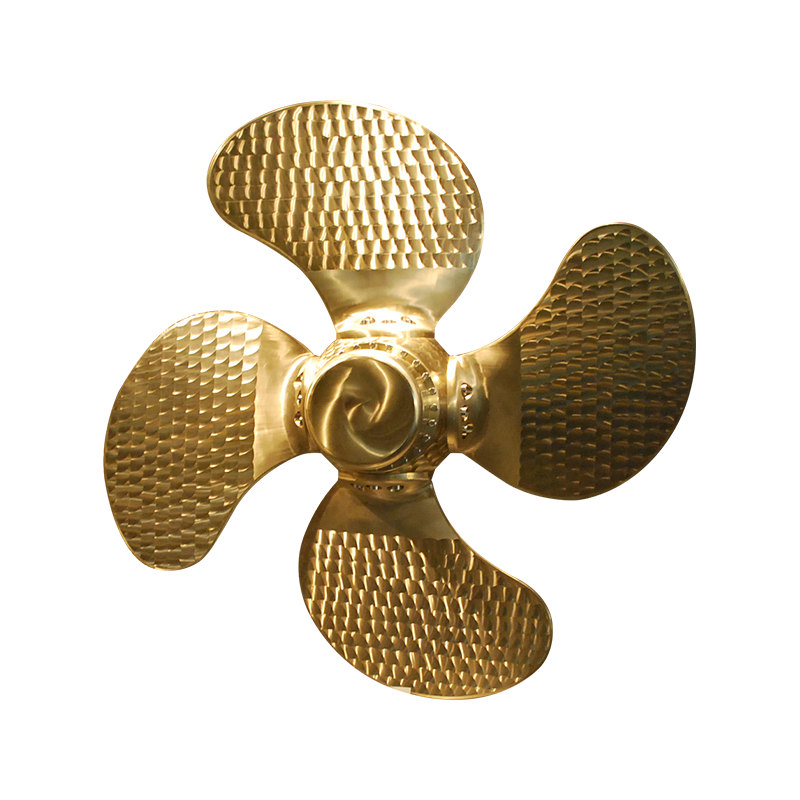
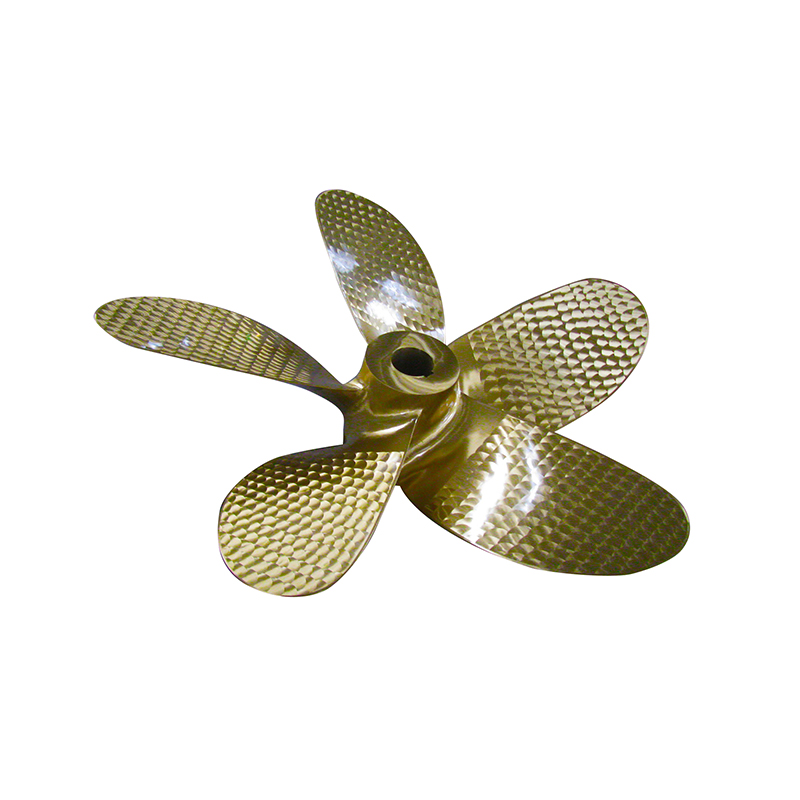
What Routine Cleaning Methods Protect Propeller Blade Carriers?
Routine cleaning is the foundation of maintaining propeller blade carriers, as marine and aviation environments expose them to distinct contaminants. For marine equipment, saltwater, algae, and sediment accumulation can cause corrosion and imbalance—cleaning should use low-pressure water (avoiding high-pressure jets that damage seals) and mild, non-abrasive cleaners to remove salt deposits and biological fouling . After cleaning, thorough drying with compressed air or lint-free cloths prevents moisture retention in crevices. For aviation carriers, dust, engine exhaust residues, and atmospheric pollutants are primary concerns; gentle wiping with specialized cleaning solutions compatible with the carrier’s material (e.g., aluminum alloys, composite materials) removes debris without scratching protective coatings . Regular cleaning—weekly for high-usage marine vessels and after each flight for aviation equipment—prevents buildup that can compromise structural integrity over time.
What Key Components Require Regular Inspection for Early Fault Detection?
Proactive inspection identifies potential issues before they escalate into costly failures. Critical components to check include blade attachment bolts/nuts, which must be inspected for torque tightness using calibrated tools—loosening can lead to vibration and carrier damage . Sealants and gaskets (especially in marine carriers) should be examined for cracks, brittleness, or leakage, as compromised seals allow water intrusion and corrosion . The carrier hub and blade root interfaces need visual and tactile checks for signs of wear, pitting, or deformation; even minor surface irregularities can affect load distribution . Additionally, for aviation carriers, inspect for fatigue cracks using non-destructive testing methods (e.g., ultrasonic or magnetic particle inspection) at recommended intervals, as high-altitude and high-speed operations accelerate material fatigue . Any anomalies—such as rust spots, loose fasteners, or abnormal wear—should be addressed immediately to avoid operational risks.
How to Choose and Apply Lubricants for Optimal Carrier Performance?
Lubrication is essential to reduce friction between moving parts and prevent corrosion. The choice of lubricant depends on the equipment type: marine carriers require water-resistant, corrosion-inhibiting lubricants (e.g., synthetic greases with rust-preventive additives) to withstand saltwater exposure . Aviation carriers need high-temperature lubricants that maintain viscosity under extreme temperature fluctuations (from -55℃ to 120℃) and resist oxidation at high altitudes . Application should follow manufacturer guidelines: apply a thin, uniform layer to bolt threads, bearing surfaces, and seal interfaces—over-lubrication can attract debris and cause buildup . Re-lubrication intervals vary by usage: marine carriers may need re-lubrication every 500 operating hours or after exposure to heavy fouling, while aviation carriers require servicing after specified flight cycles . Compatibility with the carrier’s material is critical—avoid lubricants that react with composites or rubber seals.
What Environmental Adaptations Enhance Carrier Longevity?
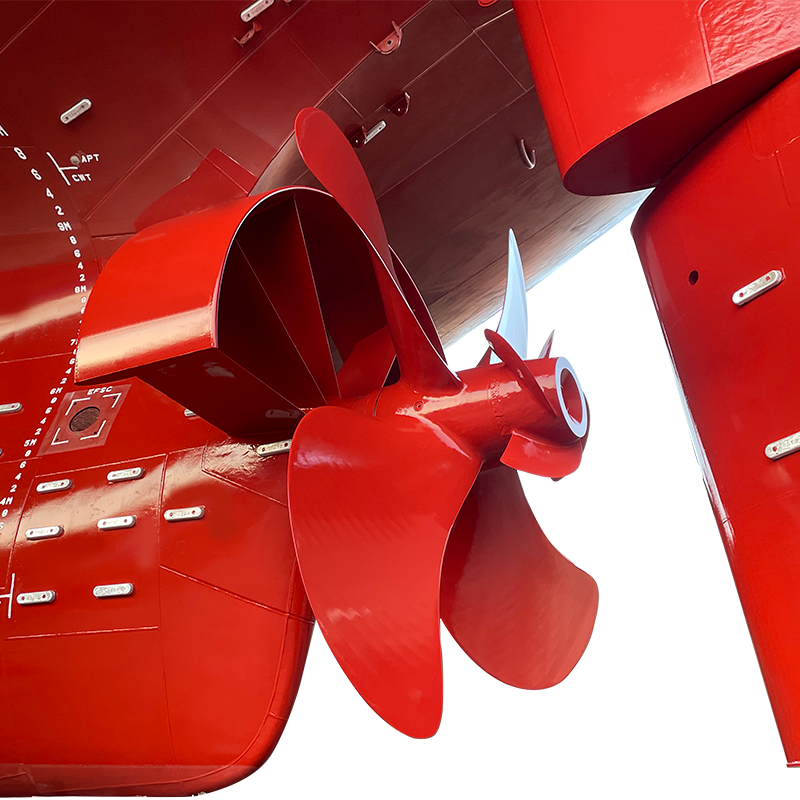
Marine and aviation environments pose unique challenges, so targeted adaptations protect carriers from harsh conditions. For marine equipment, anti-fouling coatings (non-toxic, environmentally friendly formulations) can be applied to the carrier surface to prevent algae and barnacle growth, reducing drag and corrosion . Storing marine vessels in dry docks during extended inactivity allows thorough inspection and drying, preventing long-term moisture damage. For aviation carriers, protective covers should be used when equipment is parked outdoors to shield against dust, UV radiation, and temperature extremes—UV exposure can degrade composite materials and weaken seals . In coastal aviation facilities, additional corrosion protection (e.g., periodic application of anti-corrosion sprays) addresses salt-laden air. Avoiding exposure to harsh chemicals (e.g., marine cleaning agents with high acid content, aviation fuel spills) also preserves the carrier’s structural and protective layers.
How to Address Wear and Tear for Sustained Operational Safety?
Timely resolution of wear and tear ensures carriers remain safe and functional. For minor corrosion spots, gently remove rust with a non-abrasive tool (e.g., a soft wire brush) and apply a corrosion-inhibiting primer followed by a matching topcoat . Damaged seals or gaskets must be replaced immediately with compatible replacements to prevent fluid intrusion—using incorrect seal materials can lead to premature failure . If blade attachment components show signs of stretch or wear (e.g., stripped threads, deformed washers), replace them with components meeting original specifications to maintain torque and load capacity . For significant damage (e.g., deep cracks, severe pitting, or structural deformation), professional repair or replacement is necessary—attempting to repair critical structural damage without expertise risks catastrophic failure during operation . Regularly documenting maintenance and wear patterns helps predict replacement timelines and avoid unexpected downtime.



 English
  中文简体
中文简体  русский
  Español
  عربى
عربى  Français
  Português
  Deutsch
  Türk
Türk