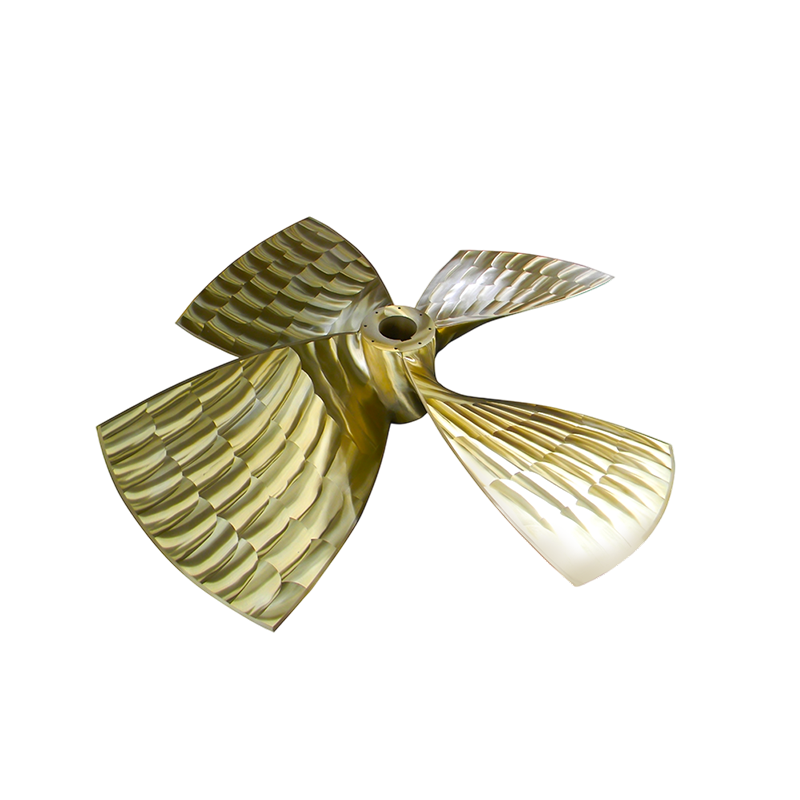
What Design Parameters Optimize Thrust and Efficiency for 30M Patrol Ships?
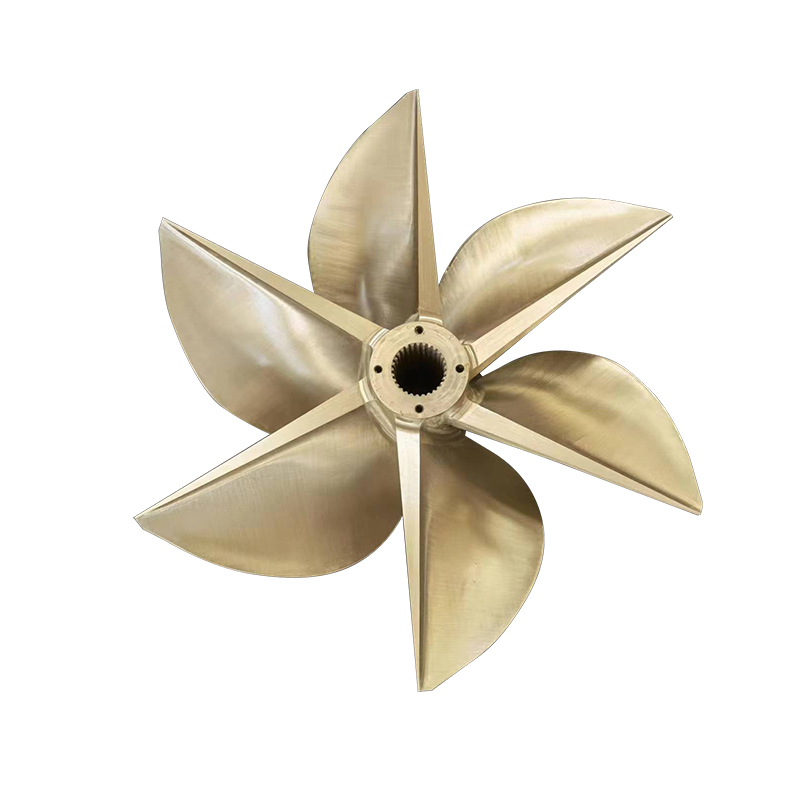
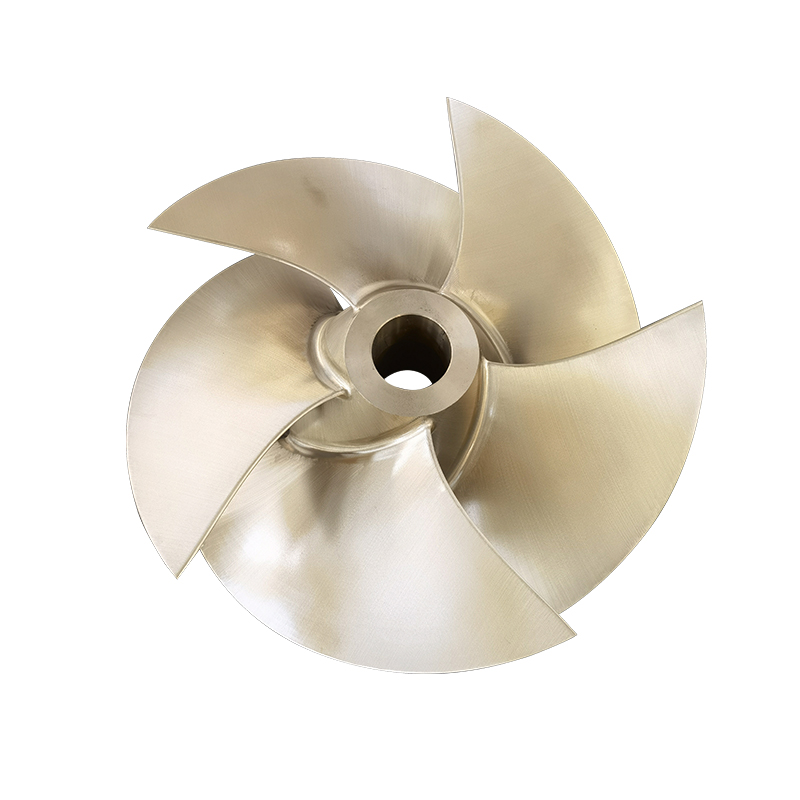
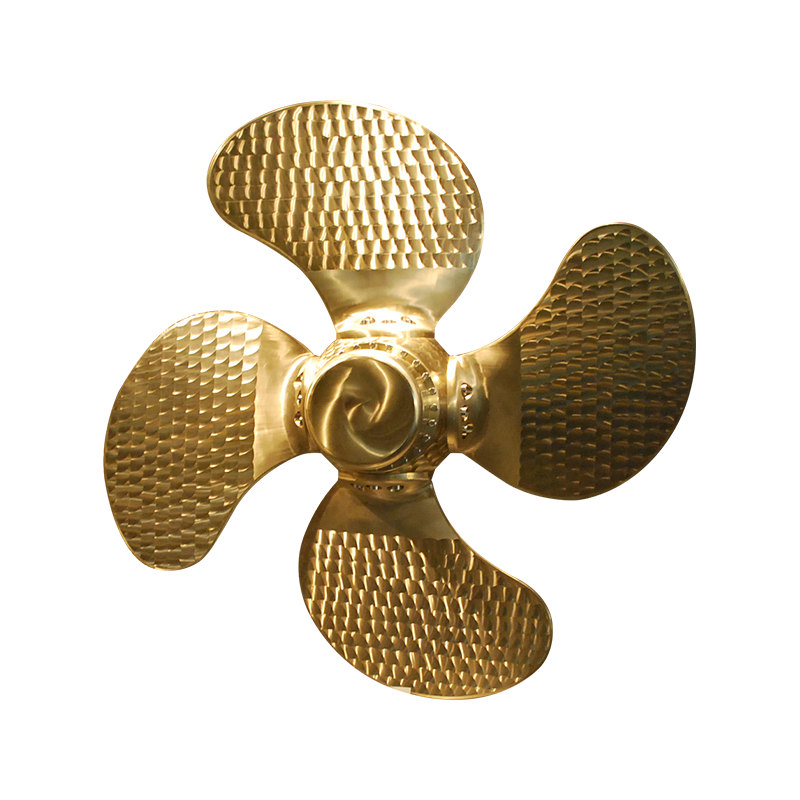
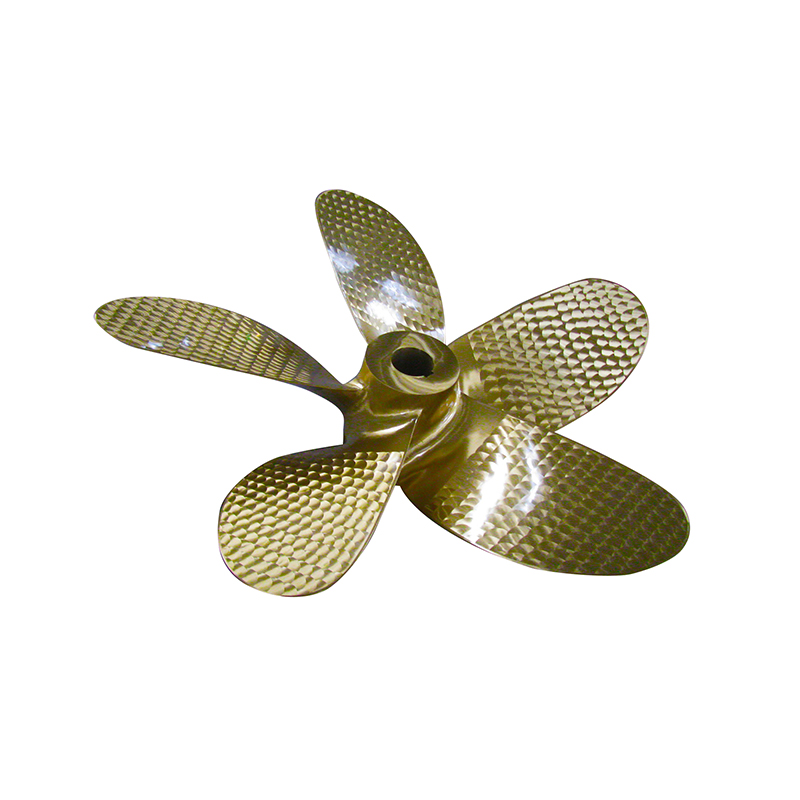
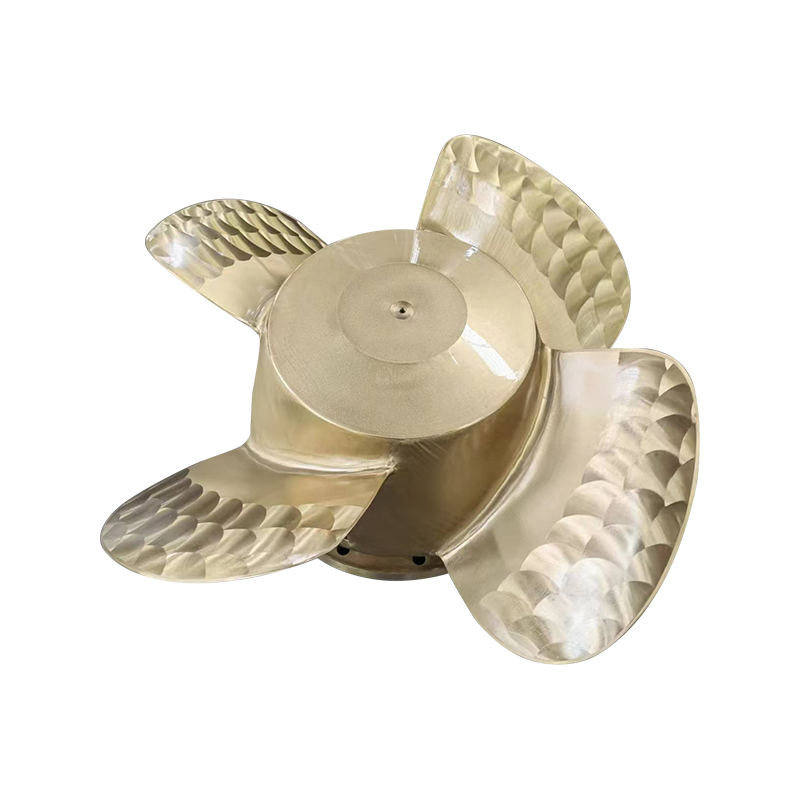
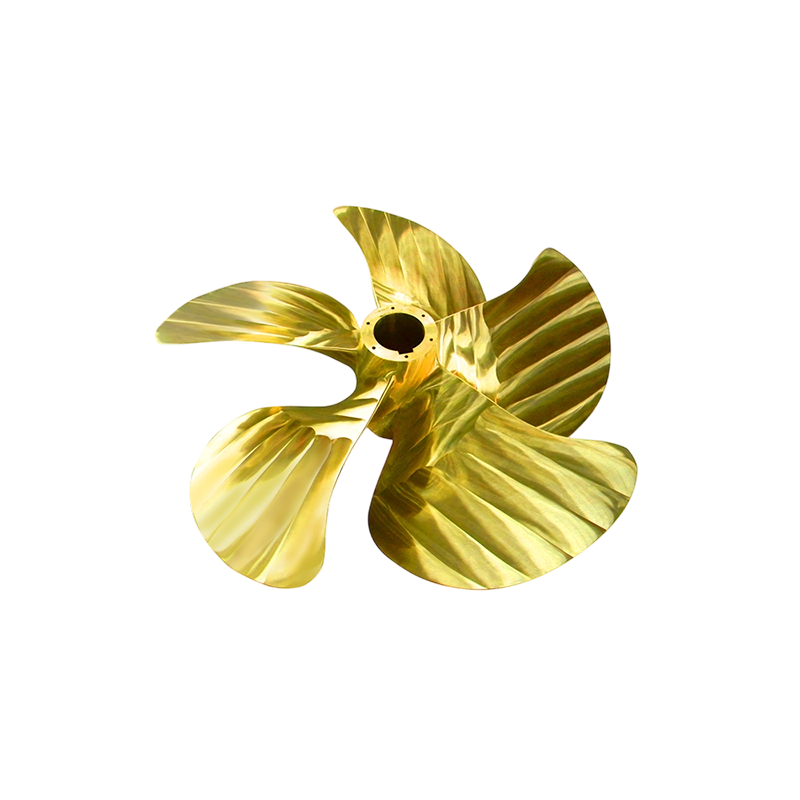
The navigation efficiency of fixed pitch propellers for 30m patrol ships is primarily determined by core design parameters tailored to the vessel’s size and operational needs. Blade number is a foundational choice—3-blade propellers offer high speed and maneuverability, ideal for patrol ships requiring rapid response, while 4-blade designs provide smoother operation and better thrust at medium speeds, suitable for long-duration patrols. Blade pitch ratio (0.6-1.2 for 30m ships) balances speed and torque: lower ratios (0.6-0.8) prioritize acceleration and maneuverability, while higher ratios (0.9-1.2) enhance cruising efficiency. Blade area ratio (0.4-0.6) influences load-bearing capacity—higher ratios prevent cavitation (a major efficiency drain) during high-speed operations or rough seas. Additionally, blade profile (e.g., NACA airfoil derivatives) is optimized to minimize drag, with curved leading edges and tapered trailing edges reducing flow separation and improving water flow continuity across the blade surface.
What Material Properties Enhance Efficiency and Durability of Fixed Pitch Propellers?
Material selection directly impacts both efficiency and longevity of 30m patrol ship propellers, as inefficient materials cause energy loss or frequent maintenance downtime. High-strength bronze alloys (e.g., nickel-aluminum bronze) are widely used for their excellent corrosion resistance in saltwater, low friction coefficient (reducing hydrodynamic drag), and high tensile strength (≥600 MPa) to withstand dynamic loads. For weight-sensitive patrol ships, titanium alloy propellers offer a 30-40% weight reduction compared to bronze, reducing the vessel’s overall displacement and improving fuel efficiency—critical for extended patrol missions. Composite materials (e.g., carbon fiber-reinforced polymer) are emerging options, providing superior strength-to-weight ratios and vibration damping, though they require precise manufacturing to maintain dimensional stability. All materials must undergo anti-fouling treatments to prevent marine growth (e.g., barnacles), which can increase drag by 20-30% if left unaddressed, severely reducing navigation efficiency.
How Does Hydrodynamic Optimization Reduce Drag and Improve Thrust?
Hydrodynamic design refinements are key to maximizing the efficiency of fixed pitch propellers for 30m patrol ships. Cavitation control is paramount—propellers feature optimized blade thickness distribution (thicker at roots, thinner at tips) and tip speed limits (≤30 m/s) to avoid vapor bubble formation, which disrupts thrust and causes erosion. Blade skew angle (10-20°) minimizes hydrodynamic noise and reduces pressure fluctuations, while also improving flow uniformity across the propeller disk. The hub diameter ratio (0.15-0.25 of propeller diameter) is calibrated to reduce hub drag—smaller hubs improve flow through the propeller, but larger hubs provide structural stability for high-torque operations. Additionally, trailing edge wedge angles (3-5°) reduce wake turbulence, allowing the propeller to operate in a more uniform flow field and convert engine power into thrust more efficiently (typical efficiency gains of 5-10% compared to non-optimized designs).
What Installation and Matching Requirements Ensure Optimal Efficiency?
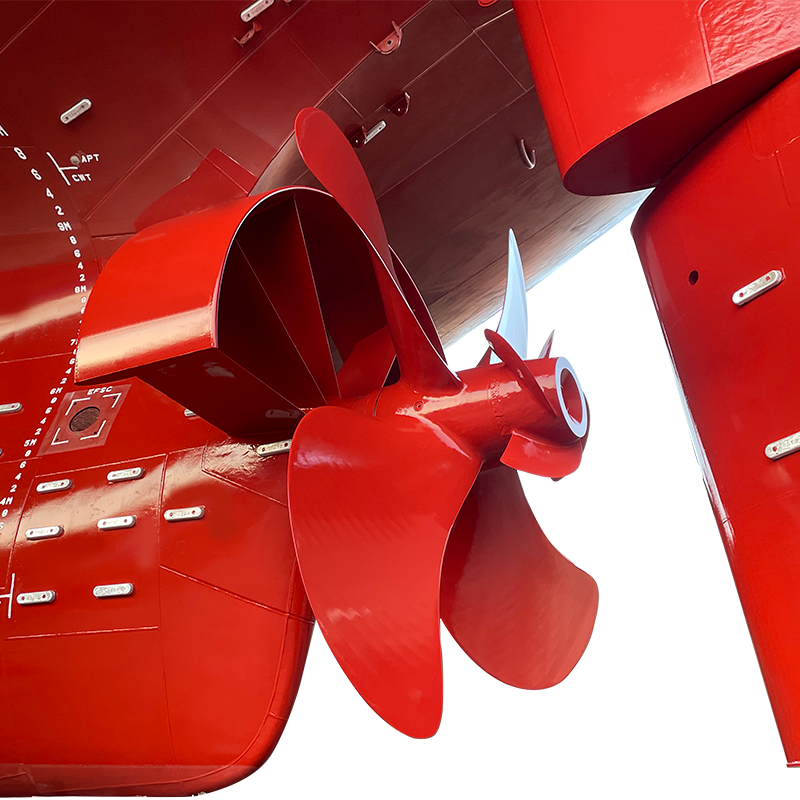
Proper installation and matching between the propeller and the 30m patrol ship’s power system are critical to unlocking maximum navigation efficiency. Propeller diameter (typically 1.8-2.5 meters for 30m ships) must align with the vessel’s hull design and engine output—oversized propellers cause excessive load on the engine, while undersized ones waste power. Shaft alignment (radial runout ≤0.1 mm/m) ensures the propeller rotates concentrically, preventing uneven thrust and increased drag from misalignment. The propeller’s immersion depth (≥1.2 times the propeller diameter) avoids air ingestion, which reduces thrust and causes cavitation. Additionally, the propeller must be matched to the engine’s torque-speed characteristics: the propeller’s load curve should intersect the engine’s maximum efficiency curve at the vessel’s cruising speed (18-25 knots for 30m patrol ships), ensuring minimal power loss during typical operations.
How to Adapt Propeller Design to Diverse Patrol Ship Operating Conditions?
30m patrol ships operate in varied conditions (coastal waters, open seas, shallow harbors), so the fixed pitch propeller must balance efficiency across multiple scenarios. For coastal patrols with frequent maneuvering, propellers with smaller blade pitch ratios and 3-blade designs offer quick acceleration and responsive handling, reducing time to reach target speeds. For long-range open-sea patrols, 4-blade propellers with higher pitch ratios and optimized hydrodynamic profiles maximize fuel efficiency, extending range without refueling. In shallow waters, propellers with reinforced blades and reduced diameter prevent damage from debris while maintaining thrust, with blade tip clearances (≥0.3 meters from hull) minimizing flow restriction. Additionally, propellers for patrol ships requiring both speed and endurance may feature variable camber blades or optimized root-to-tip pitch distribution, ensuring efficient performance at both cruising and maximum speeds. By aligning design with operational priorities, fixed pitch propellers can consistently boost navigation efficiency across the vessel’s mission profile.



 English
  中文简体
中文简体  русский
  Español
  عربى
عربى  Français
  Português
  Deutsch
  Türk
Türk