


 English
  中文简体
中文简体  русский
  Español
  عربى
عربى  Français
  Português
  Deutsch
  Türk
Türk
JINYE
JINYE
JINYE
JINYE
JINYE
JINYE
JINYE
JINYE
JINYE
JINYE
JINYE
JINYE
JINYE
JINYE
JINYE
JINYE

What is a propeller?
On the vast oceans, giant oil tankers carry the heavy responsibility of global trade. Their ability to cut through the waves and move steadily forward is thanks to their propulsion system—the propeller.
Unveiling the Secret: The Basic Definition of a Propeller and the Special Needs of Large Oil Tankers
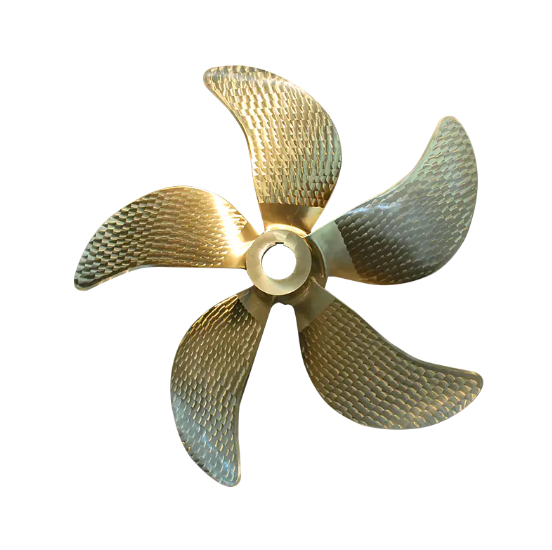
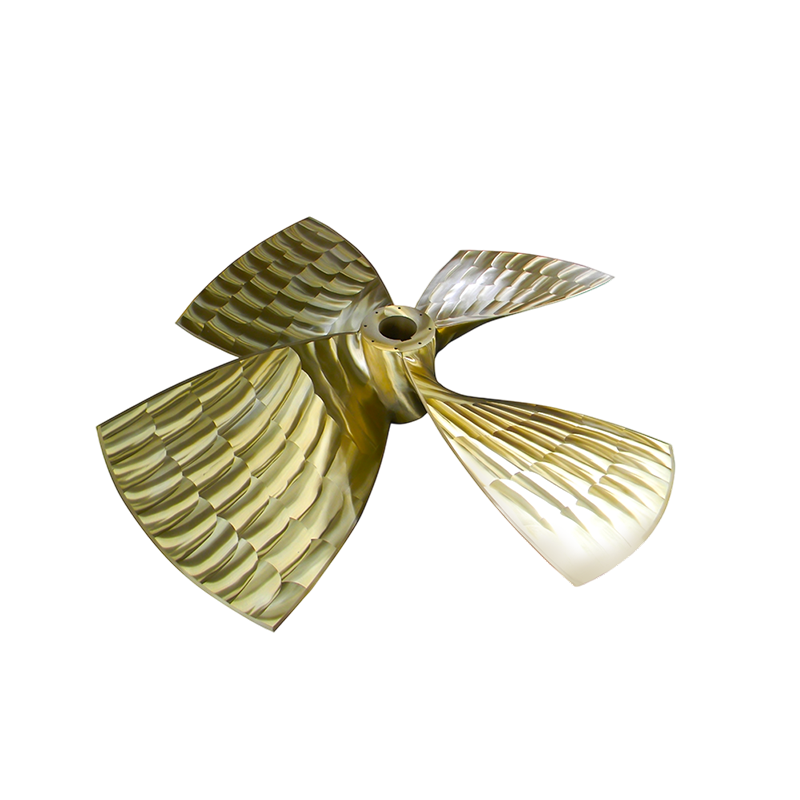
A propeller is a device that generates thrust in water through rotating blades, thus propelling a ship forward. It is the most critical component of a ship's propulsion system.
For behemoths like large oil tankers, the requirements for propellers are extremely demanding. The propeller we introduce, specifically designed for large oil tankers, is born to meet these stringent requirements:
- Standard Specifications: 5.3 meters in diameter, weighing up to 11 tons.
- Materials: Cast from high-quality CU3 material.
- Core Function: Provides powerful and reliable propulsion for large oil tankers.
Key Features Analysis: Advantages of High-Performance Large Tanker Propellers
This large tanker propeller is an ideal propulsion solution thanks to its four core technological advantages:
1. Large Diameter, High Thrust Design
The diameter of the propeller directly affects the thrust it can provide. This propeller, through optimized blade profiles and a large-diameter design, ensures strong thrust even under heavy tanker loads, meeting the demands of ocean voyages.
2. High-Strength, Corrosion-Resistant Materials
The marine environment presents significant corrosion challenges to hulls and propellers. Casting with CU3 material (typically a high-strength, corrosion-resistant copper alloy) effectively resists seawater corrosion and marine organism adhesion, significantly extending the propeller's service life and ensuring reliability.
3. Precision Hydrodynamic Optimization
Through advanced hydrodynamic optimization design, the propeller blades minimize eddies and cavitation in the water. This not only protects the blades from damage but is also key to improving efficiency and saving fuel.
4. Low Vibration, Low Noise
Superior manufacturing processes and balanced design effectively reduce shaft vibration and noise during high-speed rotation. This not only improves crew comfort but also reduces mechanical wear and enhances the reliability of the entire propulsion system.
This propeller has undergone precise hydrodynamic optimization, ensuring high thrust while also maintaining fuel economy. This means that tankers can achieve powerful propulsion while reducing operating costs. It is the ideal propulsion solution for modern large oil tankers to achieve efficient and reliable navigation.
A propeller is not merely a simple mechanical device; it is the culmination of modern shipbuilding technology, materials science, and fluid dynamics. Understanding what a propeller is is understanding the secrets of how the modern shipping industry drives the global economy. This 5.3-meter diameter, 11-ton propeller for a large oil tanker is the solid guarantee that this maritime behemoth can navigate freely.
PREV:What is a Controllable Pitch Propeller?
NEXT:Which 30M Patrol Ship Fixed Pitch Propeller Boosts Navigation Efficiency?
NEXT:Which 30M Patrol Ship Fixed Pitch Propeller Boosts Navigation Efficiency?
Interested in working together or need more info?
Related products

Get in Touch Now!
We're Here to Assist with
All Your Requirements
© Copyright Zhenjiang Jinye Propeller Co.,Ltd. All Rights Reserved. China Marine Copper Propeller Manufacturers Custom Marine Propeller Factory
