In the rapidly evolving world of maritime technology, ship owners and operators are constantly seeking ways to balance power, fuel economy, and precision. One question dominates industry forums: "How can a ship maintain peak engine efficiency while navigating complex maneuvers?"
The answer lies in the Controllable Pitch Propeller (CPP). Unlike traditional fixed propellers, CPP technology allows for a level of flexibility that was once thought impossible. By adjusting the angle of the blades rather than the speed of the engine, vessels are becoming smarter, faster, and more environmentally friendly.
What Exactly is a Controllable Pitch Propeller?
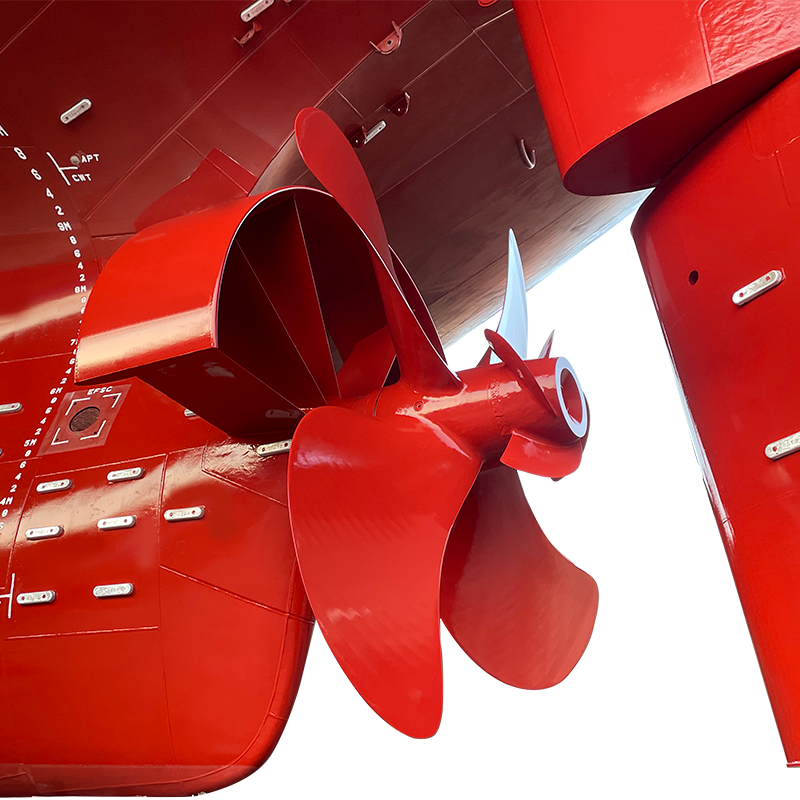
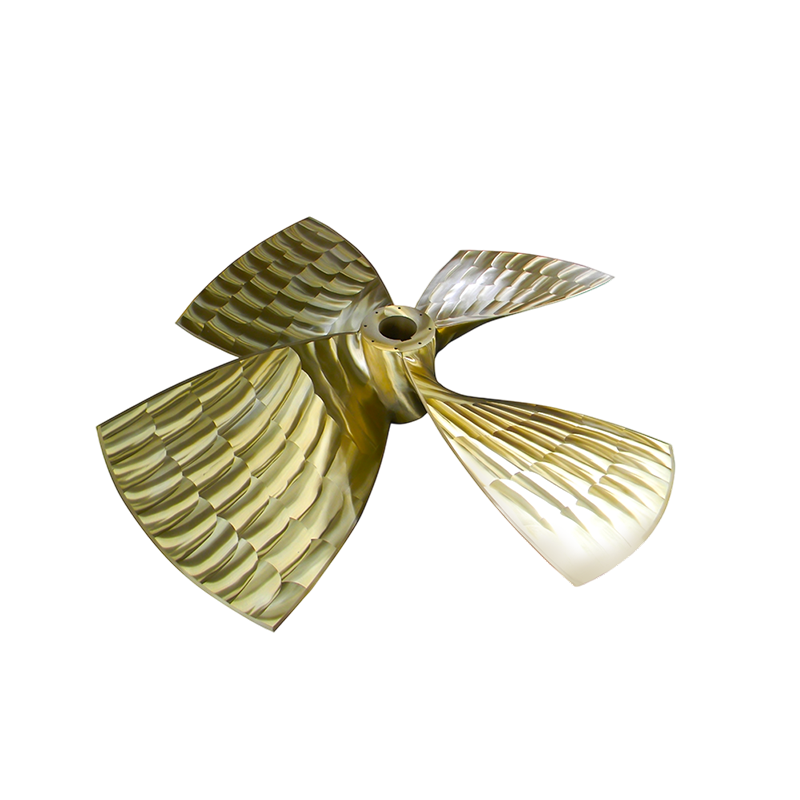
At its simplest, a Controllable Pitch Propeller is a propulsion system where the blades can be rotated around their long axis. Think of it like the gears in a modern car, but instead of shifting cogs, you are shifting the "bite" that the propeller takes out of the water.
The core mechanism utilizes hydraulic or electric systems to tilt the blades. This means the ship’s main engine can stay at its most efficient "sweet spot" (constant RPM) while the ship moves from a standstill to full speed, or even into reverse, simply by changing the blade pitch.
The Role of Marine CPP Blades
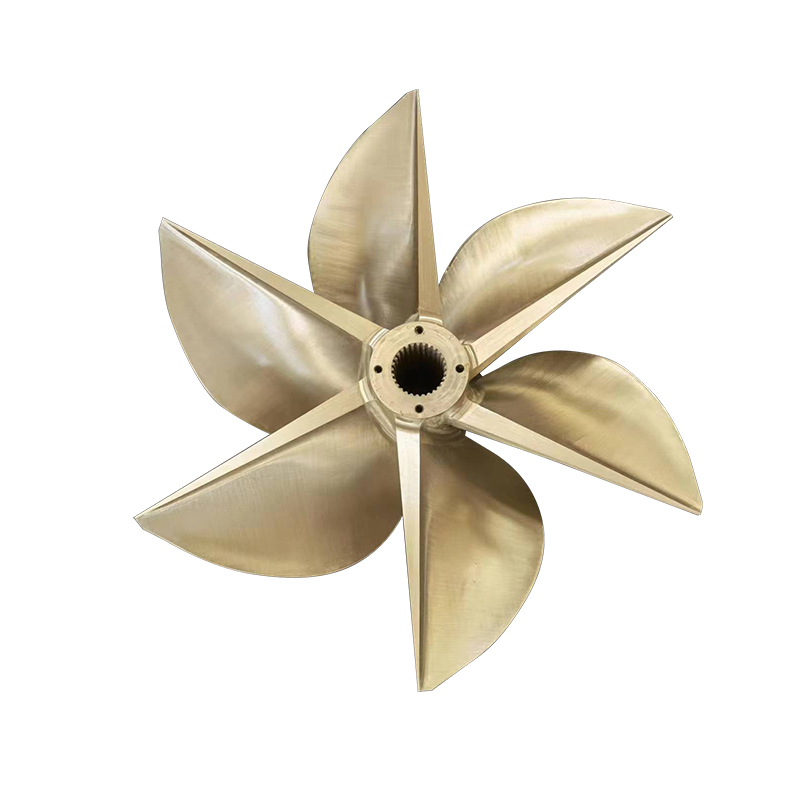
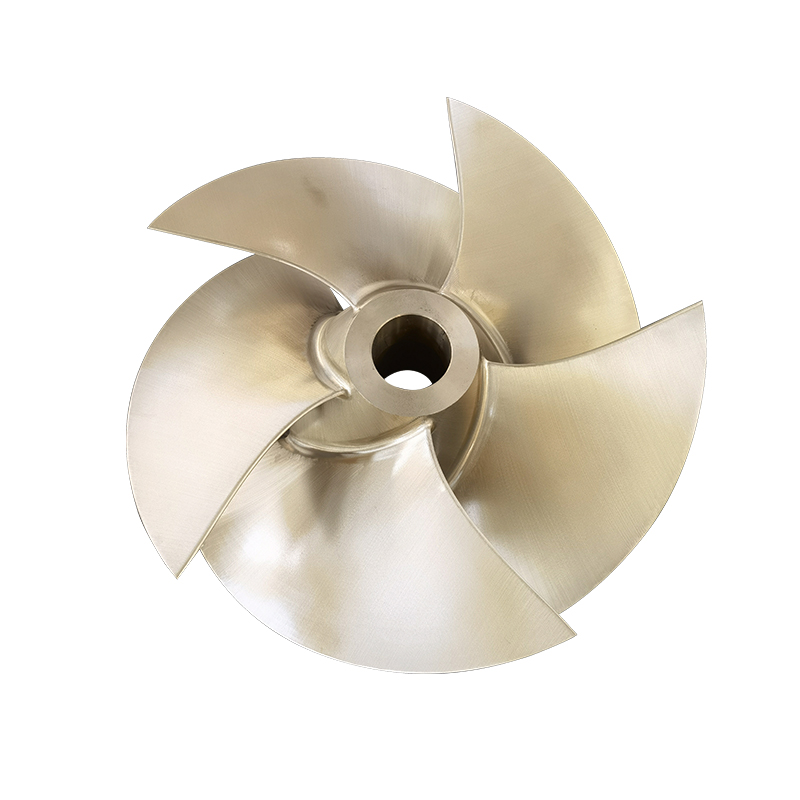
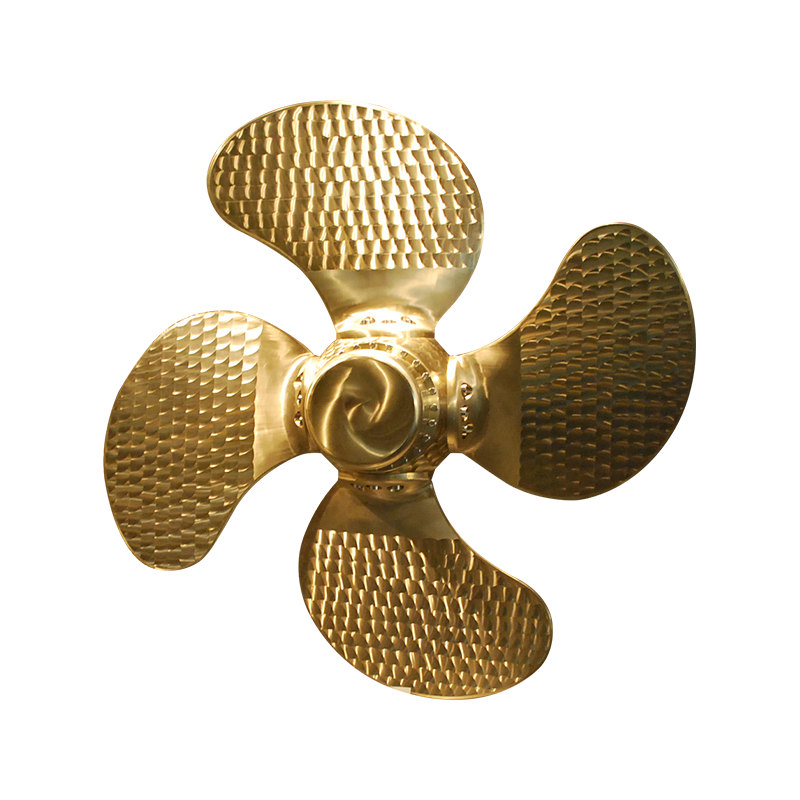
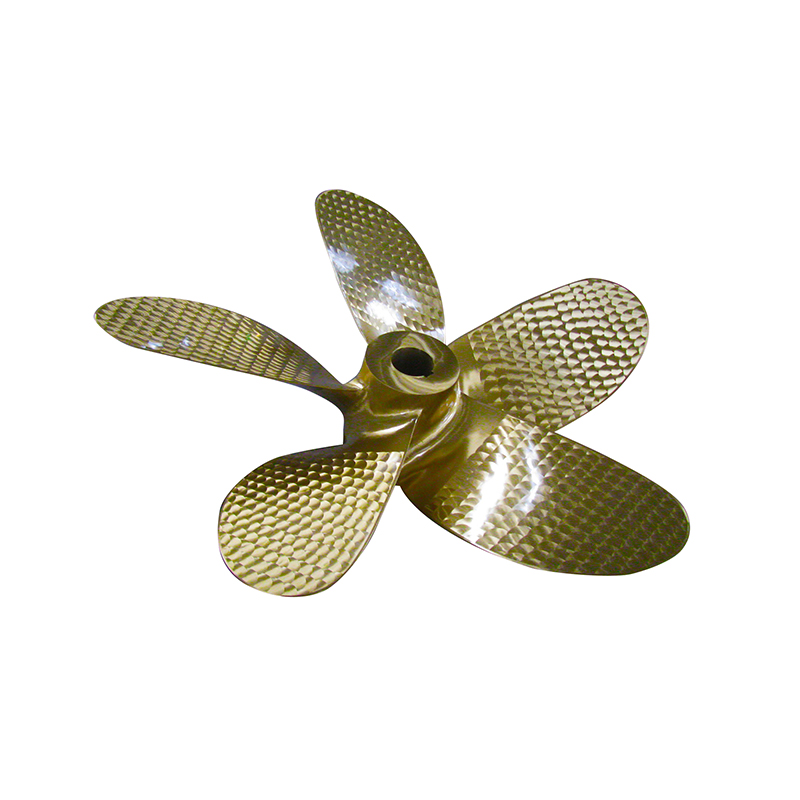
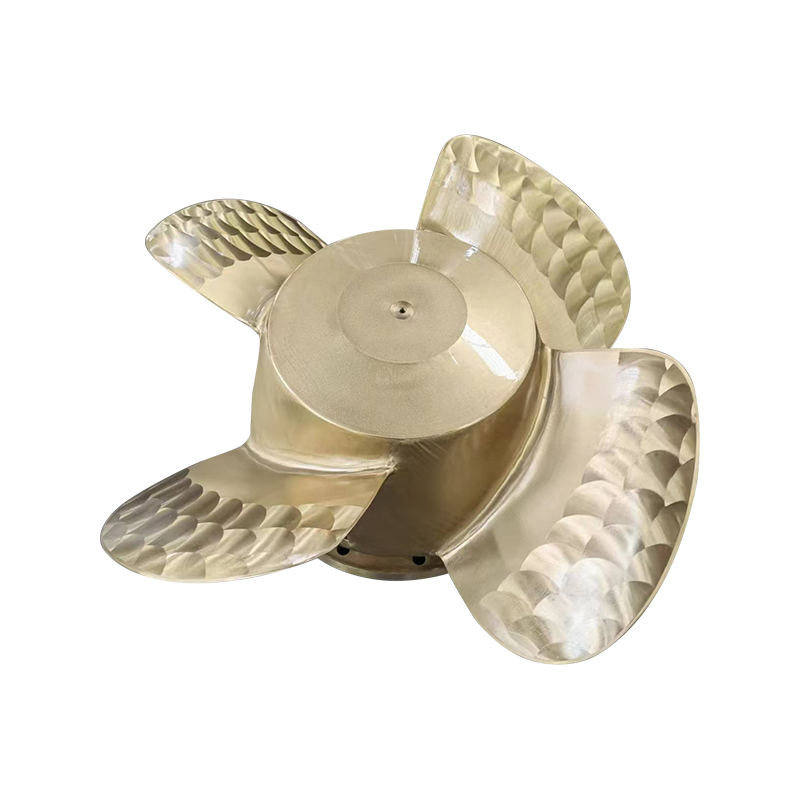
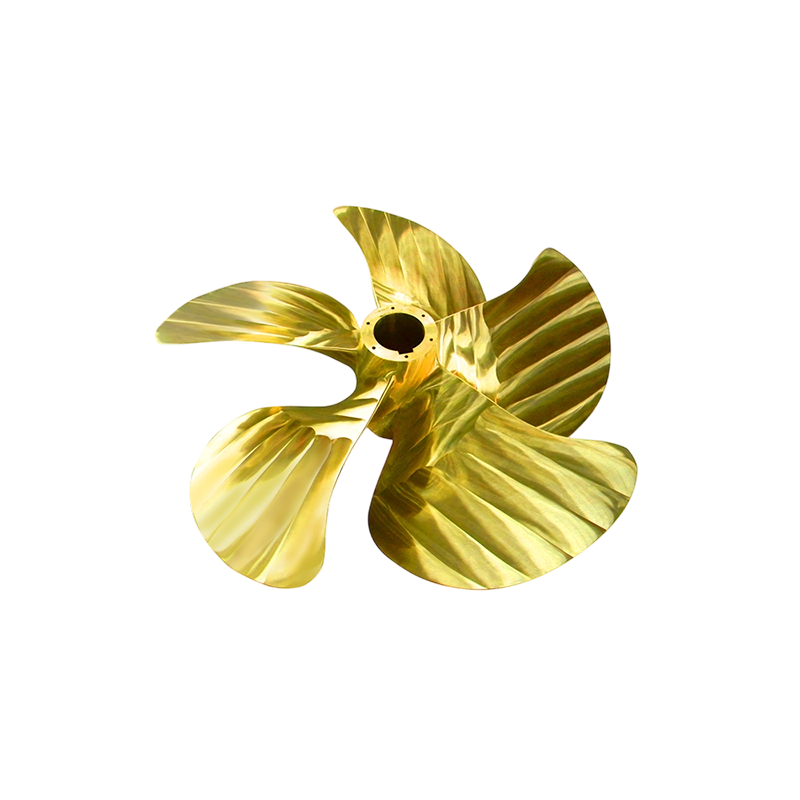
The heart of this system is the Marine CPP Blades. These are not just chunks of metal; they are precision-engineered foils designed to withstand immense pressure while remaining mobile. Because these blades can be adjusted, they allow the vessel to generate the exact amount of thrust needed for any specific moment, whether it's fighting against a strong current or gliding into a narrow dock.
Why Constant Engine Speed is a Game Changer
One of the most frequent questions from marine engineers is:“Why don't we just slow down the engine to slow down the ship?”While that works for traditional systems, it isn't efficient. Engines are designed to operate best at specific speeds. When you lower the RPM of a massive marine engine, you often lose fuel efficiency and increase wear and tear.
With CPP technology, the benefits include:
-
Optimal Fuel Consumption: The engine runs at its most economical speed regardless of the ship's velocity.
-
Reduced Mechanical Stress: Constant speed means fewer thermal cycles and less strain on the engine blocks and internal components.
-
Lower Emissions: Efficient burning of fuel leads to a smaller carbon footprint, helping companies meet international environmental standards.
Unmatched Maneuverability: From Tugboats to Icebreakers
If you’ve ever watched a tugboat move, you know that precision is everything. They operate in tight spaces where a few inches can mean the difference between a successful docking and a costly accident.
Instant Response Time
In a traditional system, to go from "Full Ahead" to "Full Astern," the engine must be stopped and restarted in the opposite direction. This takes time—time that a captain might not have in an emergency.
A CPP system eliminates this delay. The engine keeps spinning in the same direction, and the blades simply rotate to a "reverse" angle. This provides:
-
Rapid Deceleration: The ship can "brake" much faster than fixed-pitch vessels.
-
Dynamic Positioning: The ability to stay in one exact spot despite wind and waves, which is crucial for research vessels and offshore drilling platforms.
-
Fine Control: Small adjustments in pitch allow for "creeping" speeds that are impossible to achieve with standard engines.
Specialized Operations in Harsh Environments
Certain industries benefit more than others from this technology. For fishing boats, the ability to maintain a steady speed while hauling heavy nets is vital. For icebreakers, the CPP system allows the ship to provide maximum torque at low speeds to crush through thick ice without stalling the engine.
In these complex environments, the propeller doesn't just push the boat; it acts as a high-tech tool that adapts to the environment in real-time.
Beyond Speed: Efficiency and Comfort
While power and control are the main talking points, the "hidden" benefits of Controllable Pitch Propellers are just as important for long-term vessel health.
Reducing the Cavitation Effect
Cavitation occurs when bubbles form and collapse on the surface of a propeller blade, causing physical damage over time and creating significant noise. Because CPP systems can optimize the blade angle for the current water conditions, they significantly reduce the risk of cavitation.
Silence and Stability
By reducing cavitation and optimizing flow, the ship experiences:
-
Lower Vibration: This protects onboard electronics and improves the structural integrity of the hull.
-
Reduced Noise: A quieter ship is better for the crew's comfort and less disruptive to marine life, which is becoming a major regulatory focus worldwide.
The Verdict: Is It Worth the Investment?
Transitioning to a CPP system involves a more complex installation than a fixed propeller. However, the consensus among maritime experts is clear: the long-term savings in fuel, the reduction in engine maintenance, and the superior safety features make it the ideal choice for modern high-performance ships.
As the industry moves toward automation and more rigorous efficiency standards, the Controllable Pitch Propeller is no longer an "extra" feature—it is becoming the standard for any vessel that prizes precision and performance.



 English
  中文简体
中文简体  русский
  Español
  عربى
عربى  Français
  Português
  Deutsch
  Türk
Türk