


 English
  中文简体
中文简体  русский
  Español
  عربى
عربى  Français
  Português
  Deutsch
  Türk
Türk
JINYE
JINYE
JINYE
JINYE
JINYE
JINYE
JINYE
JINYE
JINYE
JINYE
JINYE
JINYE
JINYE
JINYE
JINYE
JINYE

Why are copper alloys, rather than stainless steel or aluminum alloys, commonly used in marine propellers?
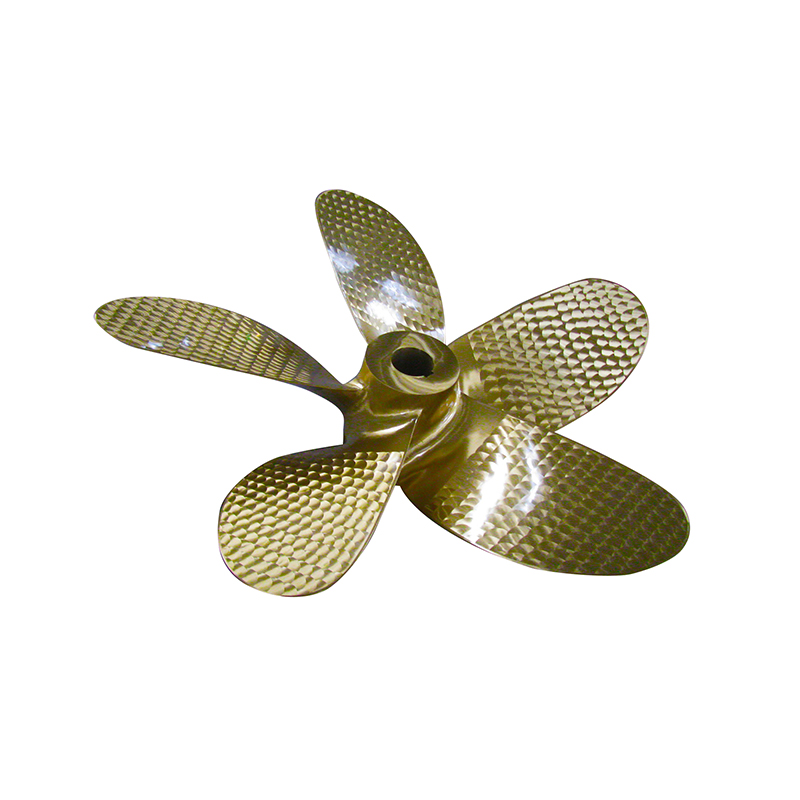
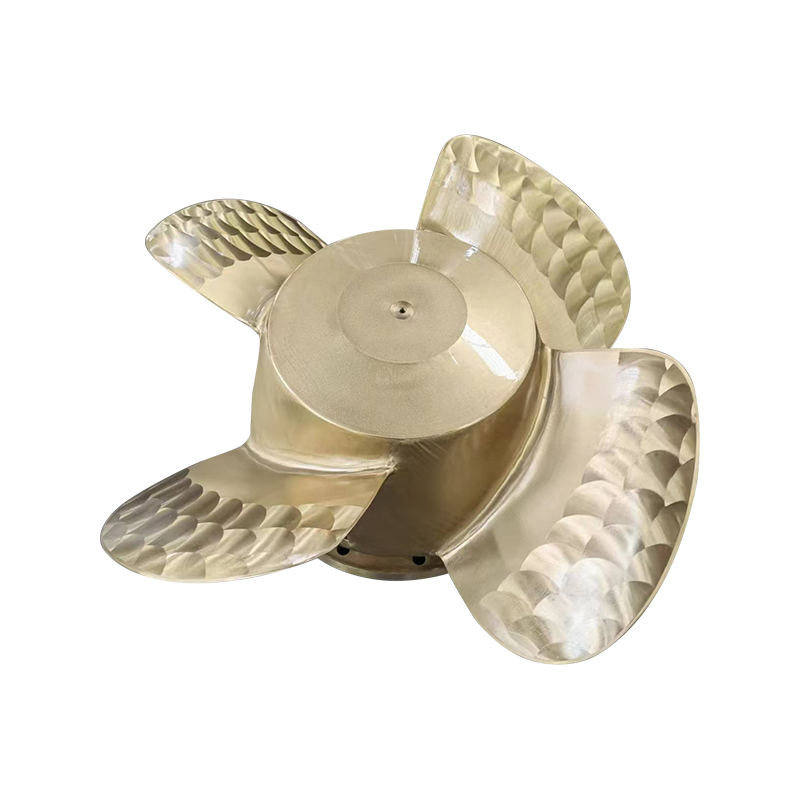
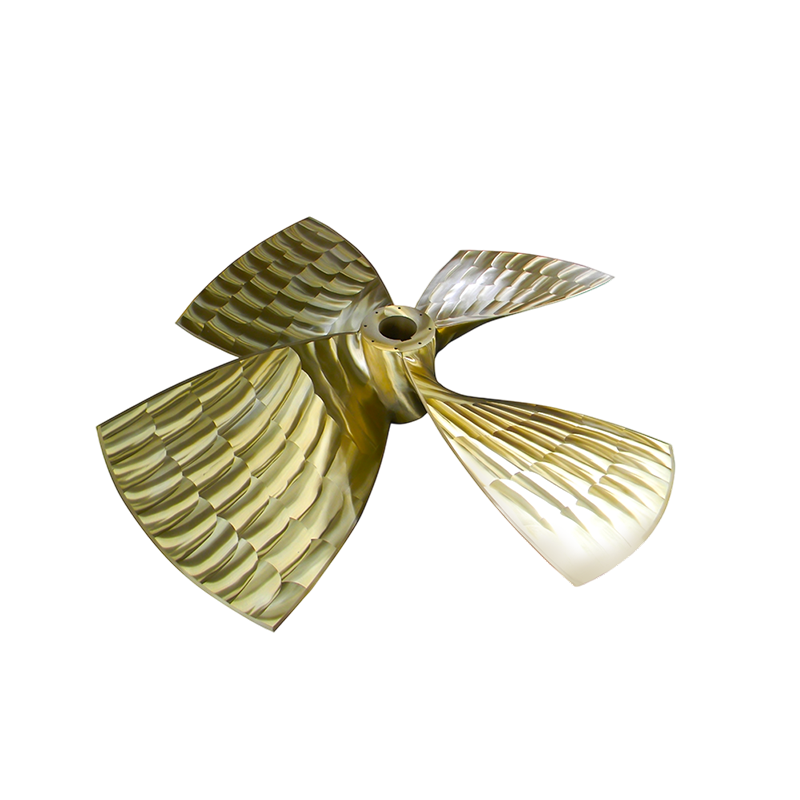
In modern shipbuilding, the core component of the propulsion system— marine copper alloy propeller blades —has always held a dominant market position. Although stainless steel boasts high strength and aluminum alloys are lightweight, copper alloys remain the globally recognized "golden material" in the extremely complex marine environment.
1. Superior Anti-cavitation and Corrosion Performance
The marine environment is highly corrosive. When marine copper alloy propeller blades (especially those made of nickel-aluminum bronze) come into contact with seawater, a dense protective oxide film quickly forms on their surface. This film not only resists salt spray corrosion but, more importantly, provides excellent anti-cavitation capabilities.
When the propeller rotates at high speed, localized low pressure generates a large number of bubbles. The impact force when these bubbles burst is enough to destroy ordinary metals. Copper alloys possess excellent toughness and the ability to absorb impact energy, effectively extending the blade's service life and reducing maintenance frequency.
2. Natural Anti-Biofibulum Properties
When ships are moored or sailing in seawater for extended periods, barnacles, shellfish, and other marine organisms easily proliferate on the propeller blade surface. These "uninvited guests" can disrupt the aerodynamic shape of the blades, increasing drag and significantly boosting fuel consumption. The trace amounts of copper ions released from the copper alloy have natural antibacterial and bacteriostatic properties, effectively preventing marine organisms from adhering to the marine copper alloy propeller blades, keeping the blade surface smooth, and ensuring optimal propulsion efficiency.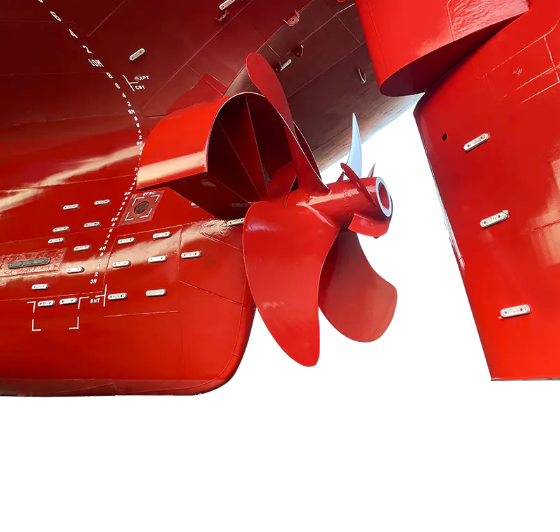
3. Excellent Machining and Repair Performance
Compared to stainless steel, copper alloys have a lower melting point and better casting processability, allowing for more precise machining of complex airfoil sections. Furthermore, propellers inevitably collide with ice floes or floating debris during navigation, resulting in deformation or damage. Marine copper alloy propeller blades possess excellent thermal repair properties; through professional welding and straightening processes, damaged blades can be restored to their original mechanical properties, significantly reducing replacement costs for ship owners.
Copper alloys have high internal damping characteristics, meaning they absorb vibrations better than stainless steel. Using marine copper alloy propeller blades can significantly reduce transmission system vibration and decrease noise transmitted to the hull. This is crucial for luxury cruise ships, research vessels, and specialized vessels requiring high levels of quietness.
Marine copper alloy propeller blades, with their comprehensive performance in corrosion resistance, biofouling prevention, ease of maintenance, and quiet operation, have become a benchmark that stainless steel and aluminum alloys struggle to surpass. As a professional propeller manufacturer, we are committed to providing more durable and efficient propulsion for every ship on its long voyage through advanced casting processes.
PREV:Why Are Modern Vessels Switching to Controllable Pitch Propellers? Understanding the Future of Marine Propulsion
NEXT:How does a controllable pitch propeller (CPP) work?
NEXT:How does a controllable pitch propeller (CPP) work?
Interested in working together or need more info?
Related products


Get in Touch Now!
We're Here to Assist with
All Your Requirements
© Copyright Zhenjiang Jinye Propeller Co.,Ltd. All Rights Reserved. China Marine Copper Propeller Manufacturers Custom Marine Propeller Factory
