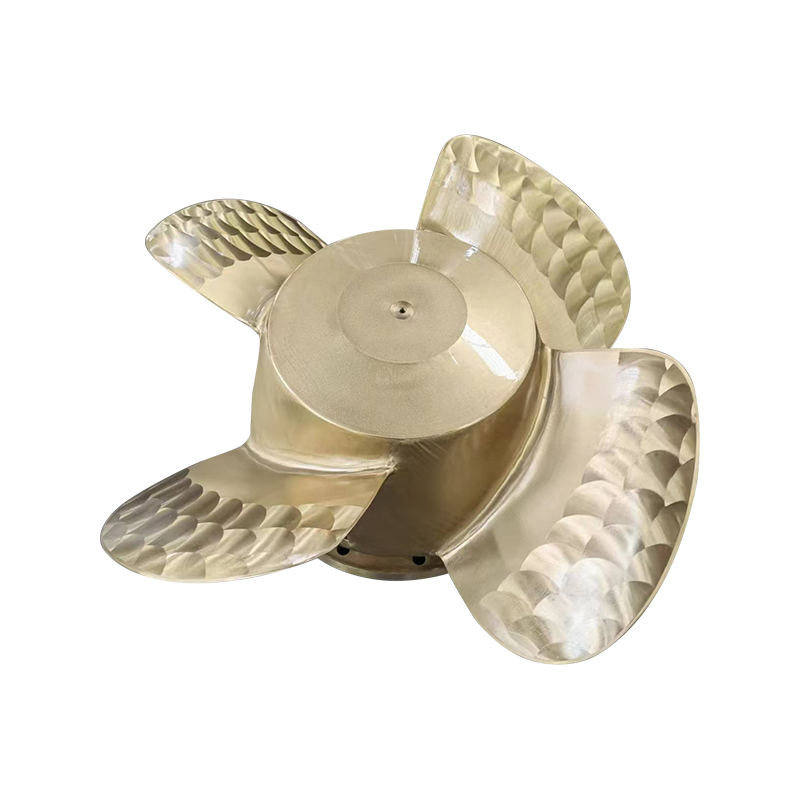
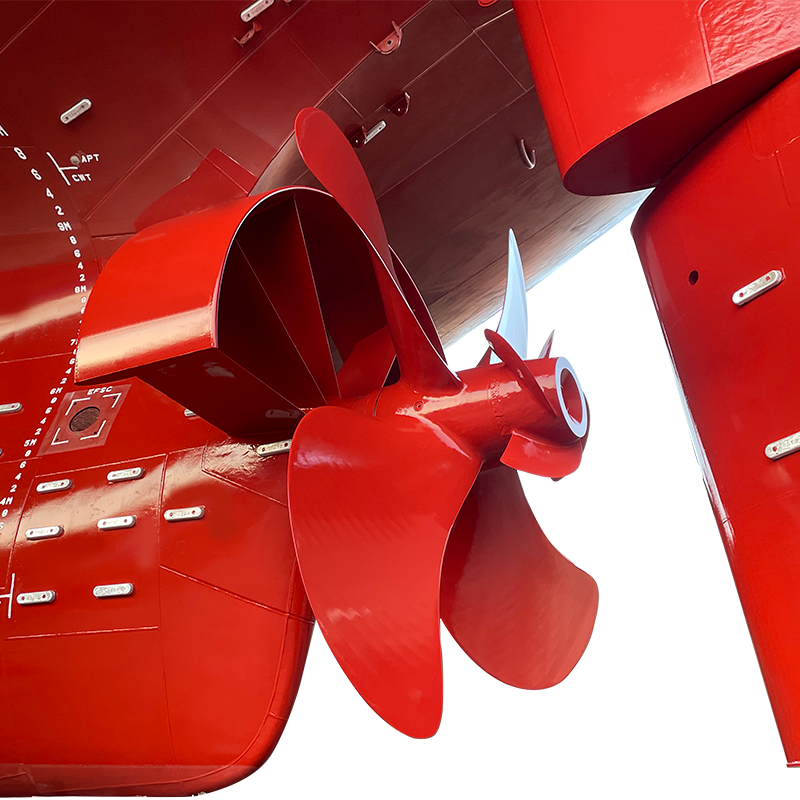
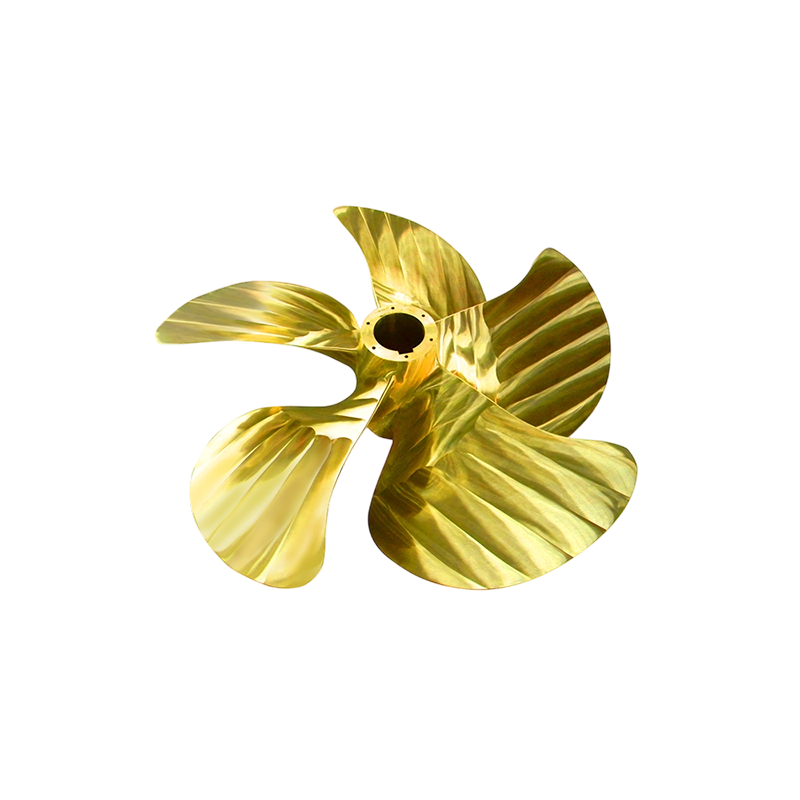
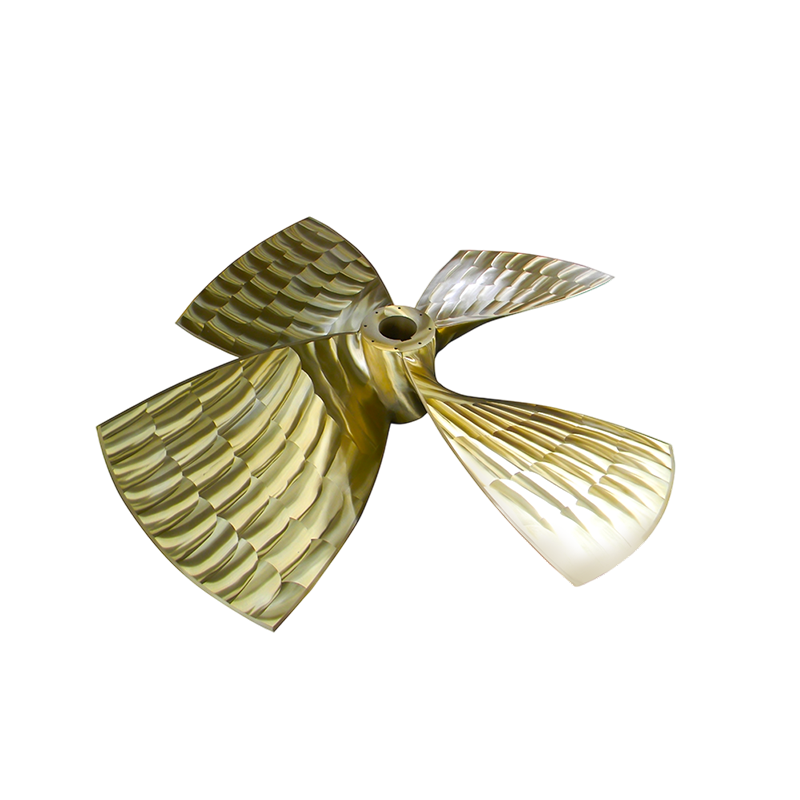
In the rapidly evolving world of maritime engineering, the quest for efficiency and precision has led to the widespread adoption of one of the most significant advancements in ship propulsion: the Controllable Pitch Propeller (CPP). Unlike traditional fixed propellers, the CPP system offers a level of versatility that is transforming how vessels navigate the world's oceans, from massive cargo ships to specialized industrial tugs.
Central to this technological marvel is the Marine Controllable Pitch Propeller Oil Cylinder, a critical component that serves as the "muscle" behind the system's ability to adapt to changing sea conditions in real-time.
Redefining Propulsion: How CPP Works
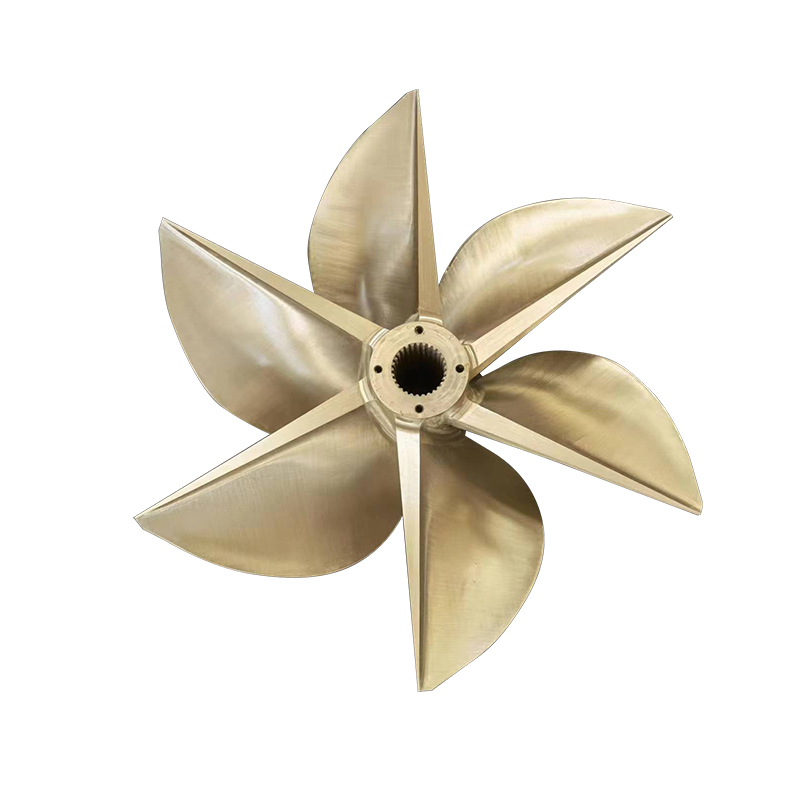
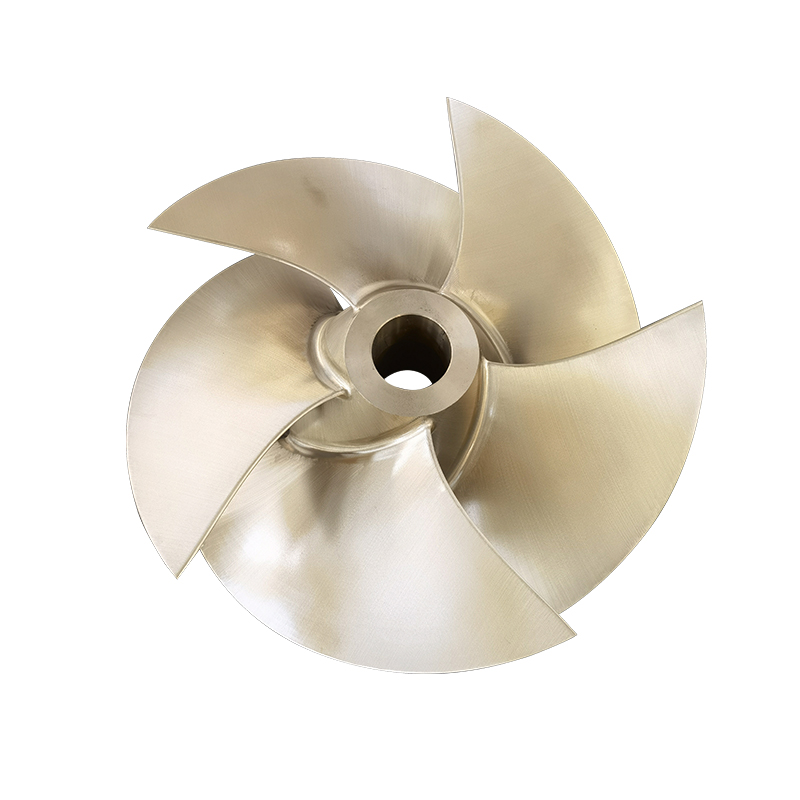
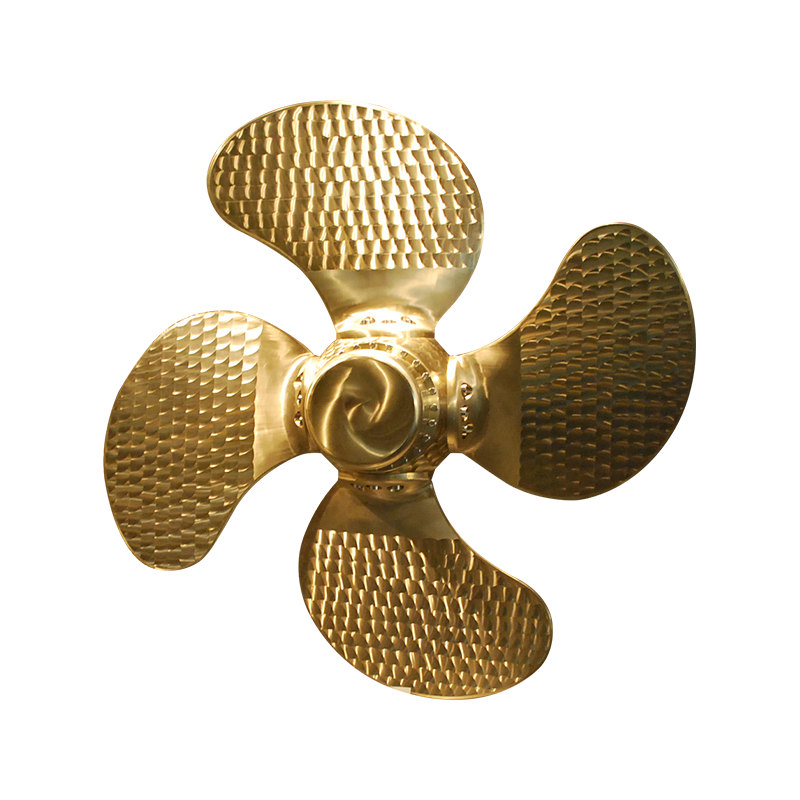
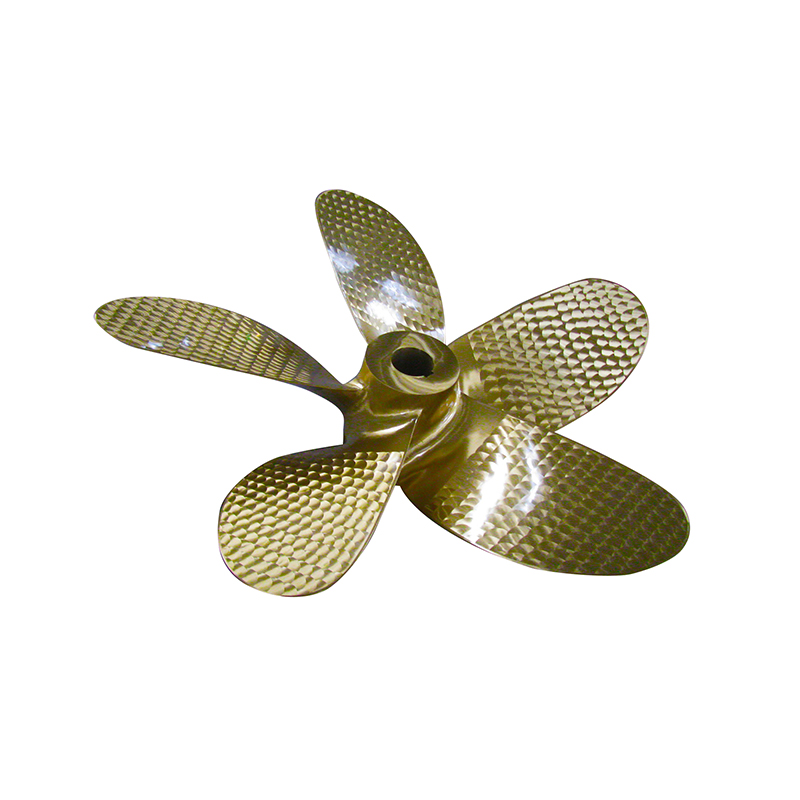
At its core, a Controllable Pitch Propeller allows for the dynamic adjustment of the pitch angle of the blades. While traditional propellers are cast in a single, rigid shape, CPP blades are mounted on bearings within the propeller hub. These blades can rotate on their own axes, changed by hydraulic or electric mechanisms.
The primary advantage of this design is the ability to accurately control the magnitude and direction of thrust without needing to alter the main engine’s RPM (revolutions per minute). By simply twisting the blades, a ship can move from full speed ahead to a complete stop, or even into reverse, while the engine continues to run at its most efficient steady state.
The Power of the Oil Cylinder
The "heart" of this adjustment process is the Marine Controllable Pitch Propeller Oil Cylinder. This precision-engineered hydraulic component receives signals from the bridge and translates them into physical movement. By applying high-pressure hydraulic fluid, the oil cylinder moves a crosshead within the hub, which in turn rotates the blades to the desired angle. Without the reliability of this cylinder, the ship would lose its primary means of agile navigation.
Unmatched Fuel Efficiency and Engine Longevity
One of the most compelling reasons shipowners are transitioning to CPP technology is the significant impact on the bottom line. In a traditional fixed-pitch system, the engine must slow down or speed up to change the ship's pace, often forcing the engine to operate outside its "sweet spot."
Operating in the Optimal Zone
With a CPP system, the main engine can be set to its most fuel-efficient speed range and kept there. The ship’s speed is then managed entirely by the blade pitch. This results in:
-
Reduced Fuel Consumption: By avoiding the constant acceleration and deceleration of the heavy engine mass.
-
Minimized Mechanical Wear: Constant engine speeds reduce thermal stress and mechanical vibration, significantly extending the time between overhauls.
-
Lower Emissions: Efficient combustion at a steady RPM helps vessels meet increasingly strict international environmental regulations.
Precision Control in Challenging Environments
While fuel savings are a massive benefit, the maneuverability offered by Controllable Pitch Propellers is what truly sets them apart in complex operating environments. For vessels that require fine-tuned movements, such as tugboats, fishing vessels, and icebreakers, the CPP is an indispensable tool.
Rapid Response and Reverse Thrust
Because the engine does not need to be stopped and restarted in a different direction to go astern, the response time is nearly instantaneous. A captain can transition from full ahead to full astern in a matter of seconds. This "crash stop" capability is a vital safety feature in congested ports or when avoiding maritime hazards.
Dynamic Positioning
For research vessels or offshore supply ships, maintaining a fixed position despite wind and currents is essential. The fine-tuned thrust control provided by the Marine Controllable Pitch Propeller Oil Cylinder allows these ships to achieve "Dynamic Positioning." By making micro-adjustments to the blade pitch, the ship can hover in place with incredible accuracy, facilitating underwater repairs or scientific sampling.
Enhancing the Onboard Experience: Noise and Vibration
Beyond the mechanics of movement, CPP technology contributes significantly to the comfort and structural integrity of the vessel. Traditional propellers often suffer from a phenomenon known as cavitation—the formation of vapor bubbles in a liquid caused by a rapid change in pressure.
Reducing the Cavitation Effect
Cavitation is not only noisy but can also cause physical damage to the propeller blades over time. By optimizing the pitch angle for the specific speed and load of the vessel, the CPP system reduces the occurrence of cavitation.
The result is a much smoother ride with:
-
Reduced Vibration: Protecting sensitive onboard electronics and improving structural longevity.
-
Lower Noise Levels: A critical factor for passenger cruise ships and for vessels operating in sensitive marine habitats where underwater noise pollution is a concern.
-
Extended System Life: Less vibration and cavitation mean the entire propulsion train—from the bearings to the shaft—lasts longer.
Looking to the Future of Maritime Travel
As the shipping industry moves toward a greener and more automated future, the role of controllable pitch technology will only grow. The integration of smart sensors and automated control systems allows the Marine Controllable Pitch Propeller Oil Cylinder to respond even more precisely to environmental data, further squeezing out every drop of efficiency possible.
In conclusion, the Controllable Pitch Propeller represents a perfect harmony of power and precision. By allowing the engine to do what it does best—run steadily and efficiently—while giving the captain total control over the thrust, this technology ensures that modern ships are safer, cleaner, and more agile than ever before. Whether navigating through thick arctic ice or docking a massive container ship in a tight harbor, the CPP system remains the gold standard for marine propulsion.



 English
  中文简体
中文简体  русский
  Español
  عربى
عربى  Français
  Português
  Deutsch
  Türk
Türk