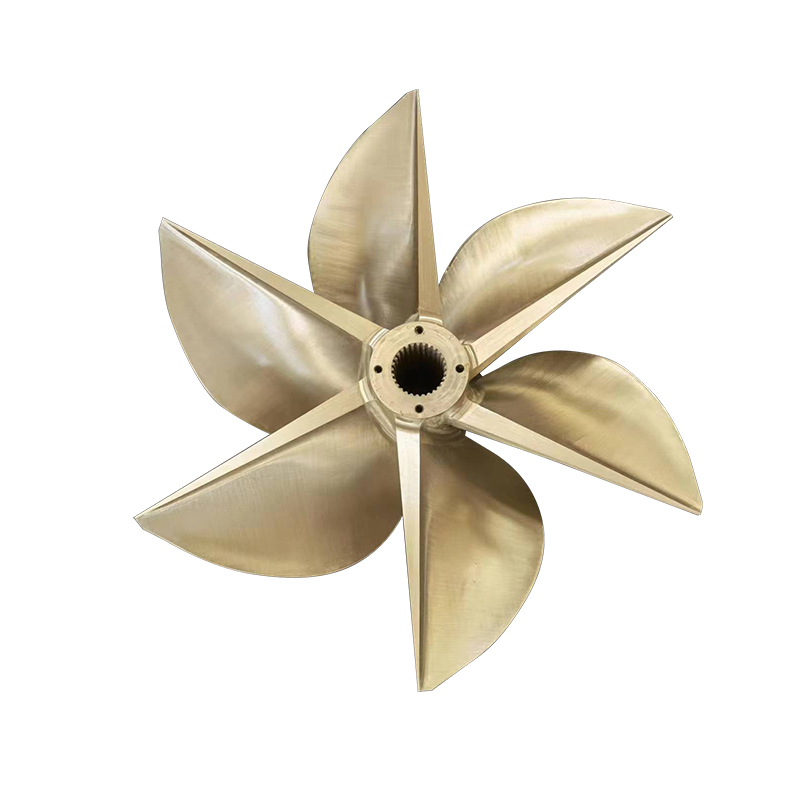
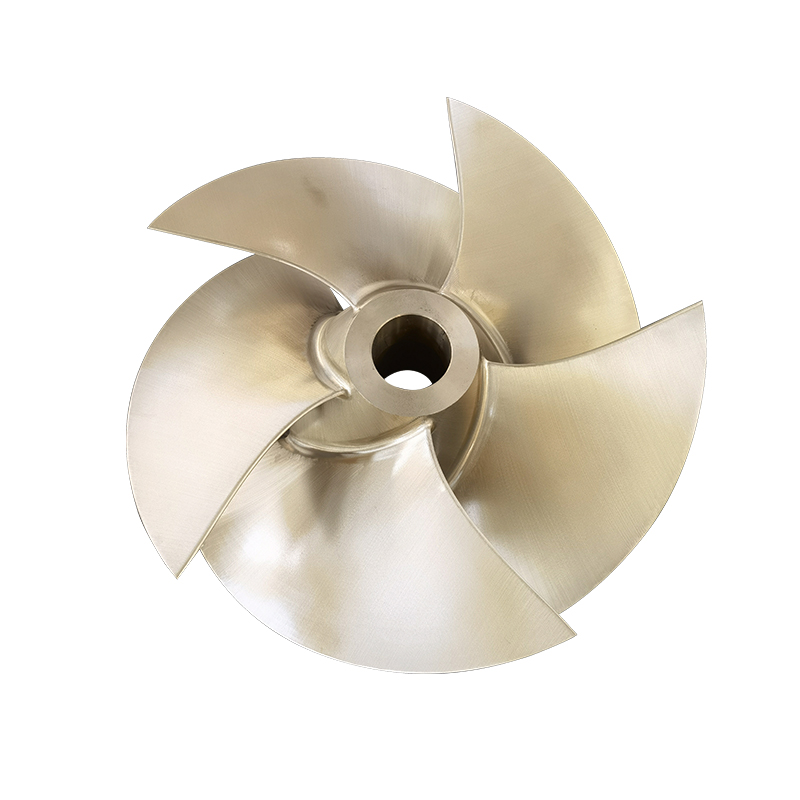
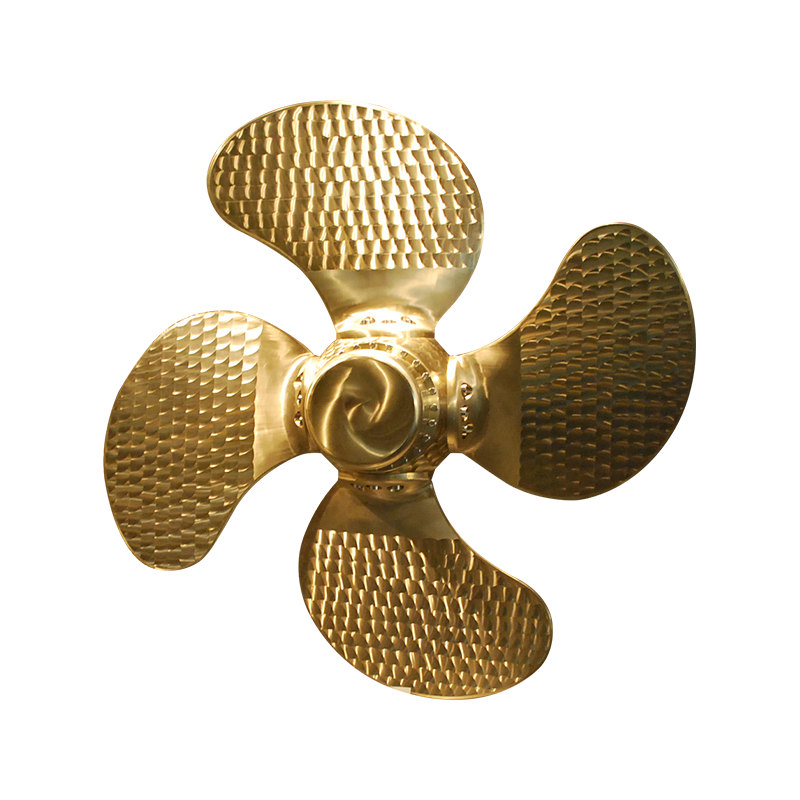
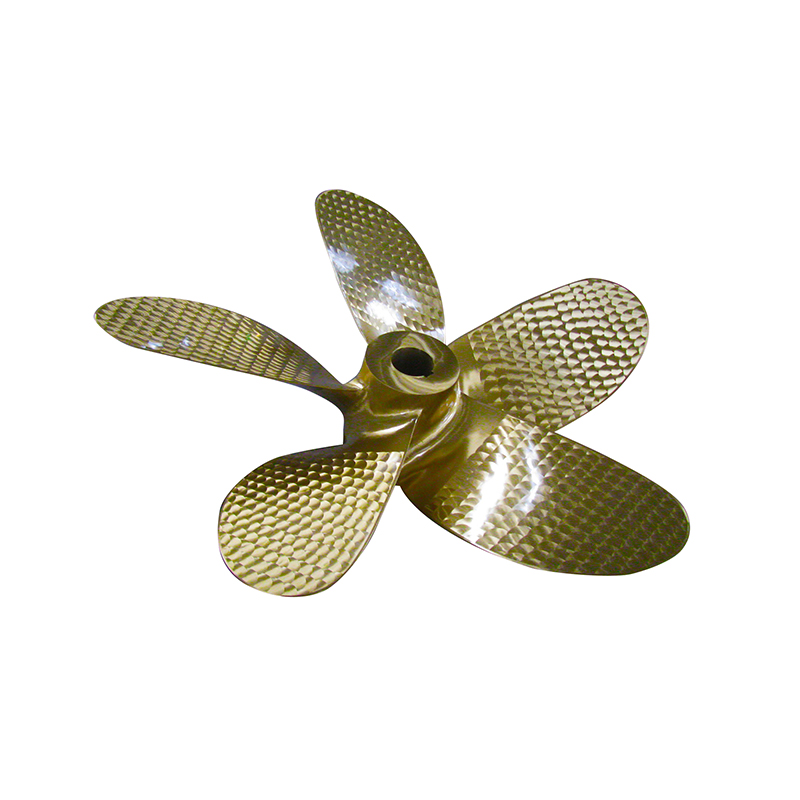
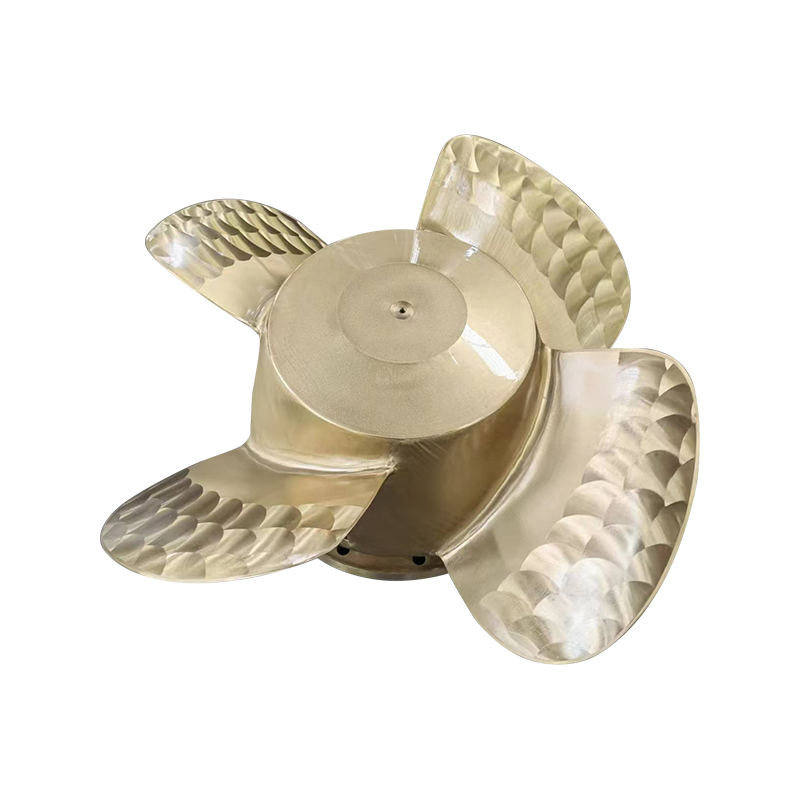
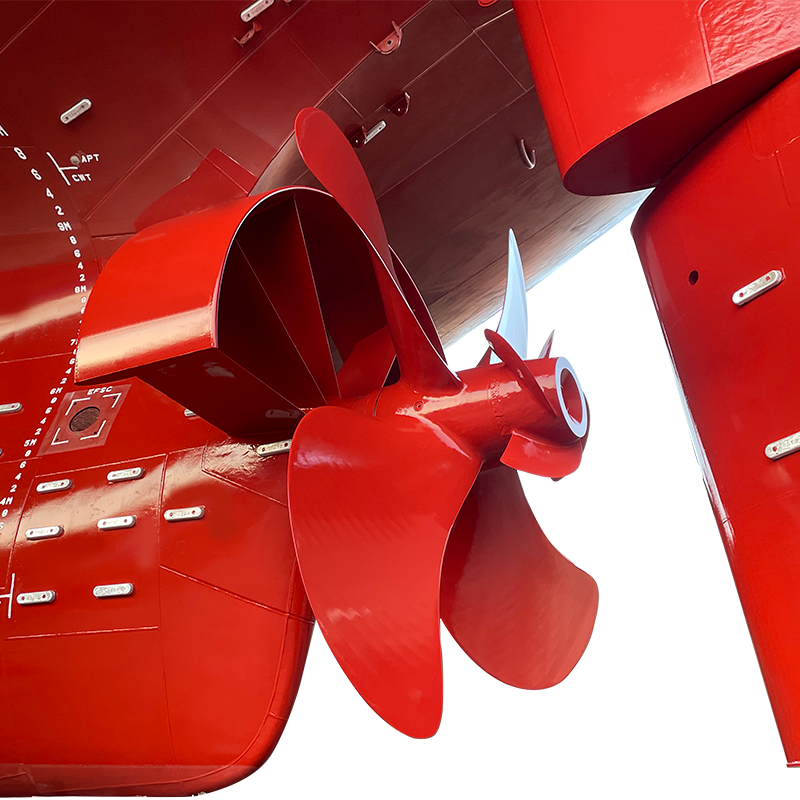
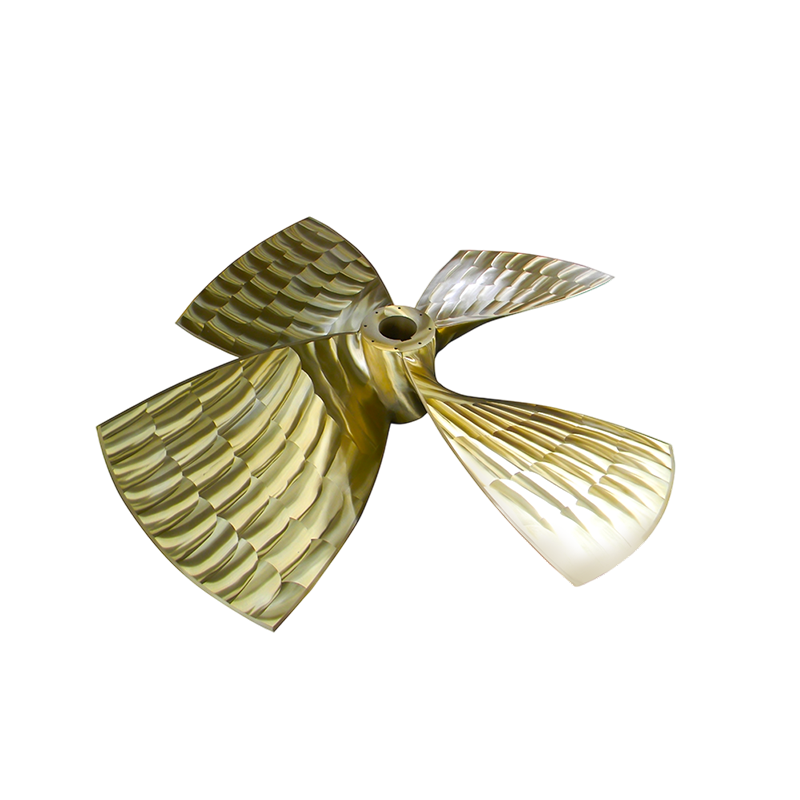
The maritime industry is witnessing a significant shift in high-speed vessel design, driven by a technology that seems to defy traditional naval architecture: the Marine Surface-Piercing Fixed Pitch Propeller (SPP). While conventional propellers struggle with the physical limits of water resistance and cavitation at high speeds, the surface-piercing design thrives in these extreme conditions.
By operating half-in and half-out of the water, this innovative propulsion system is no longer just a niche tool for offshore racing; it is becoming the gold standard for military interceptors, luxury yachts, and specialized commercial vessels.
The Physics of "Breathing": How It Works
Traditional propellers operate entirely underwater. As a vessel speeds up, the pressure on the back of the propeller blades drops so low that the water boils, creating vacuum bubbles. This phenomenon, known as cavitation, causes physical damage to the blades and creates massive amounts of drag.
The Marine Surface-Piercing Fixed Pitch Propeller turns this problem on its head. By positioning the propeller shaft right at the waterline, only the bottom portion of the blade arc is submerged at any given time.
The Air-Cushion Effect
As the blades rotate out of the water and re-enter, they take a pocket of air down with them. This air wraps around the blade, creating a "supercavitation" effect. Instead of fighting the water's density, the blade moves through a controlled layer of air and vapor. This reduces viscous drag—the "friction" of the water—allowing the engine's power to be converted into forward thrust much more efficiently than a submerged unit.
Why Speed Seekers are Making the Switch
For any vessel traveling faster than 25 knots, the advantages of moving to a surface-piercing system are measurable and immediate. Engineering data suggests a performance boost of 15% to 30% over traditional setups. But speed is only one part of the story.
1. Eliminating "Aft Drag"
In a standard boat, you have rudders, shafts, and brackets hanging beneath the hull. At high speeds, these components act like tiny anchors, creating immense drag. Because the SPP is mounted at the transom (the back of the boat), many of these underwater appendages are eliminated. The result is a "cleaner" flow of water and a reduction in wetted surface area by up to 15%.
2. Conquering the Shallows
One of the most surprising benefits of a high-speed propeller is its ability to operate in extremely shallow water. Since the propeller is only partially submerged, a boat may only need 20% to 40% of the propeller's diameter in water depth to move. This allows high-speed interceptors or shallow-draft yachts to navigate inland rivers, mudflats, and coastal areas that would be "off-limits" to traditional deep-draft vessels.
3. Reduced Maintenance and Complexity
Simplicity is the ultimate sophistication in marine engineering. Many SPP systems use a direct-shaft drive. By eliminating complex gearboxes and specialized underwater water seals, operators can see maintenance costs drop by as much as 30%. With fewer moving parts under the waterline, there is less to break and less to service.
From Racing Circuits to Military Missions
The application of the Marine Surface-Piercing Fixed Pitch Propeller is expanding as naval architects realize its versatility.
The Need for Speed: Racing and Yachts
In the world of Formula 1 motorboats and offshore racing, every fraction of a knot counts. These vessels often exceed 60 knots, a realm where submerged propellers simply cannot compete. Similarly, the luxury market is adopting SPPs for "Superyachts" that need to maintain speeds over 30 knots while providing a smooth, vibration-free experience for guests.
Defense and Security
For military applications, the SPP offers a unique combination of speed and stealth. Missile boats and high-speed interceptors need to be able to chase down targets in open water but also disappear into shallow coastal coves to avoid detection. The shallow-draft capability of the surface-piercing design makes this possible.
Specialized Commercial Craft
Wave-piercing catamarans and hydrofoils are also utilizing this technology. Because these hulls are designed to rise out of the water to reduce drag, the SPP is the perfect partner, staying right at the surface where it is most effective.
Overcoming the "Hole Shot" Challenge
Historically, critics of surface-piercing propellers pointed to their difficulty in getting a boat "on plane" from a dead stop (often called the "hole shot"). Because the blades are designed for high-speed air ventilation, they can struggle to grip the water at very low RPMs.
However, modern engineering has solved this. Advanced blade geometries and adjustable trim hulls allow these propellers to transition from a submerged start to a surface-piercing sprint seamlessly. Today’s fixed-pitch designs are balanced to provide enough "bite" at low speeds while maintaining peak efficiency at the top end.
The Future of High-Speed Transit
As fuel costs rise and environmental regulations tighten, efficiency is no longer an option—it is a requirement. The ability of the Marine Surface-Piercing Fixed Pitch Propeller to deliver higher speeds with less fuel consumption makes it an environmentally conscious choice for the next generation of fast ferries and patrol boats.
By reducing the energy wasted on underwater friction and cavitation, shipbuilders are finding that they can use smaller, lighter engines to achieve the same performance levels as before. This creates a "virtuous cycle" of weight reduction: lighter engines require less fuel, which means smaller fuel tanks, which makes the boat even lighter and faster.
Conclusion: A Clear Path Forward
The Marine Surface-Piercing Fixed Pitch Propeller represents a rare win-win in marine engineering. It offers more speed, better fuel efficiency, shallower draft, and lower maintenance. While it may look different from the propellers we’ve used for the last century, its performance on the water is undeniable.
For operators looking to break the 25-knot barrier and explore waters previously unreachable by high-performance craft, the move to surface-piercing technology isn't just an upgrade—it's a necessity.



 English
  中文简体
中文简体  русский
  Español
  عربى
عربى  Français
  Português
  Deutsch
  Türk
Türk