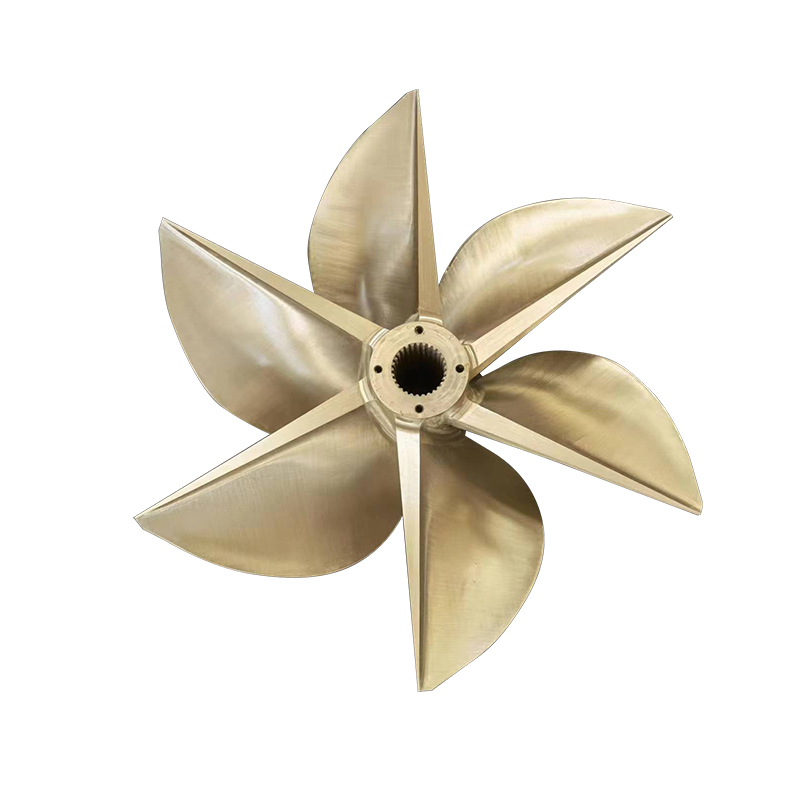
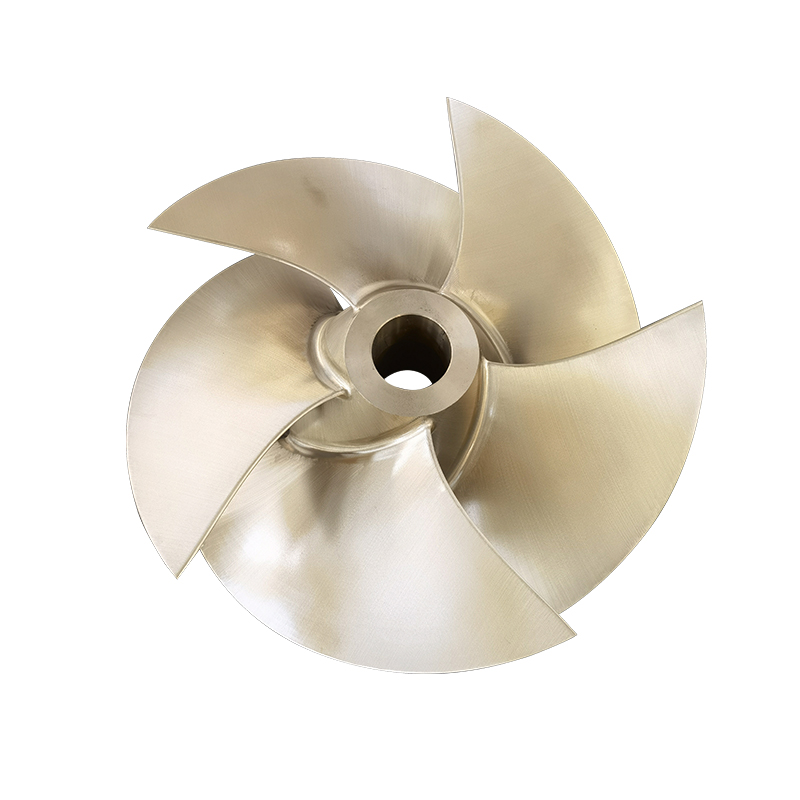
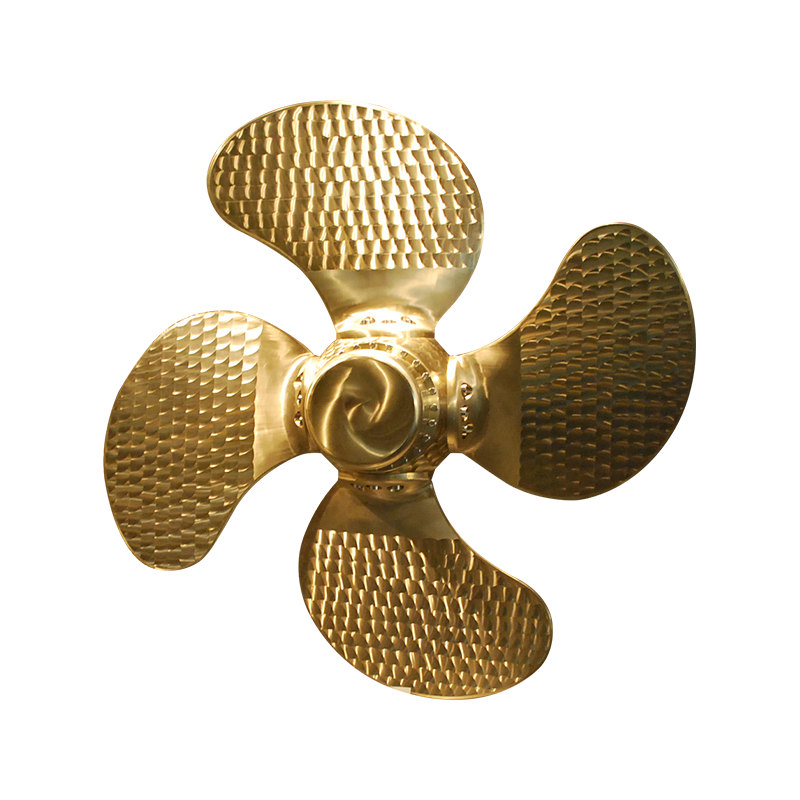
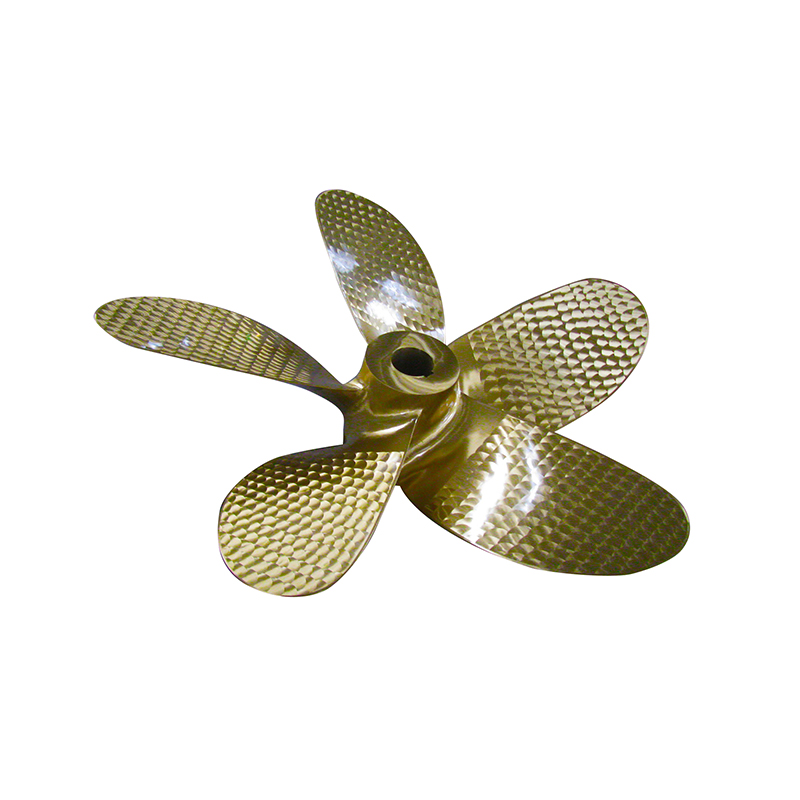
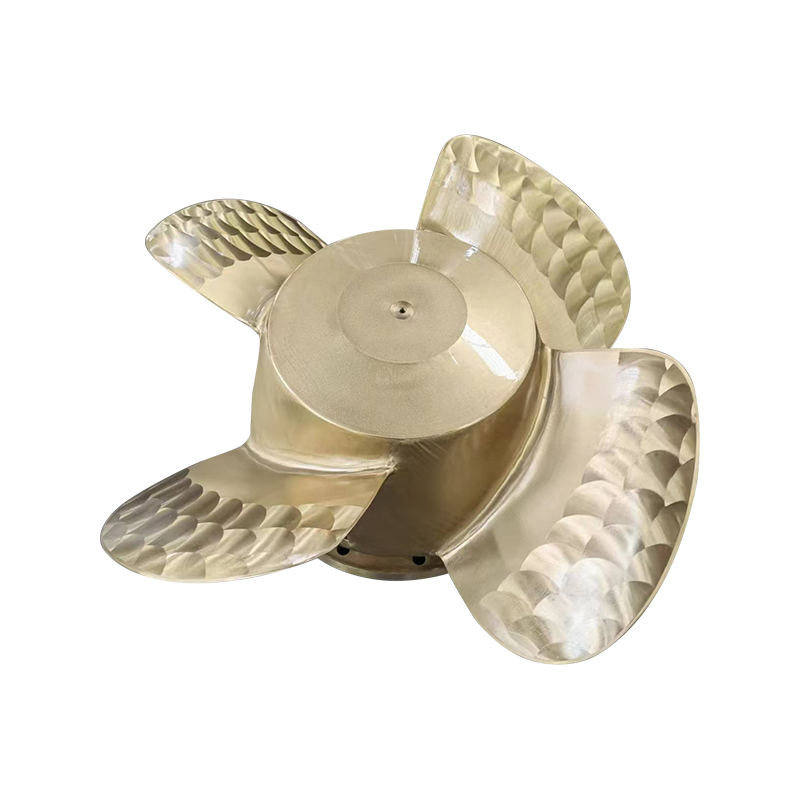
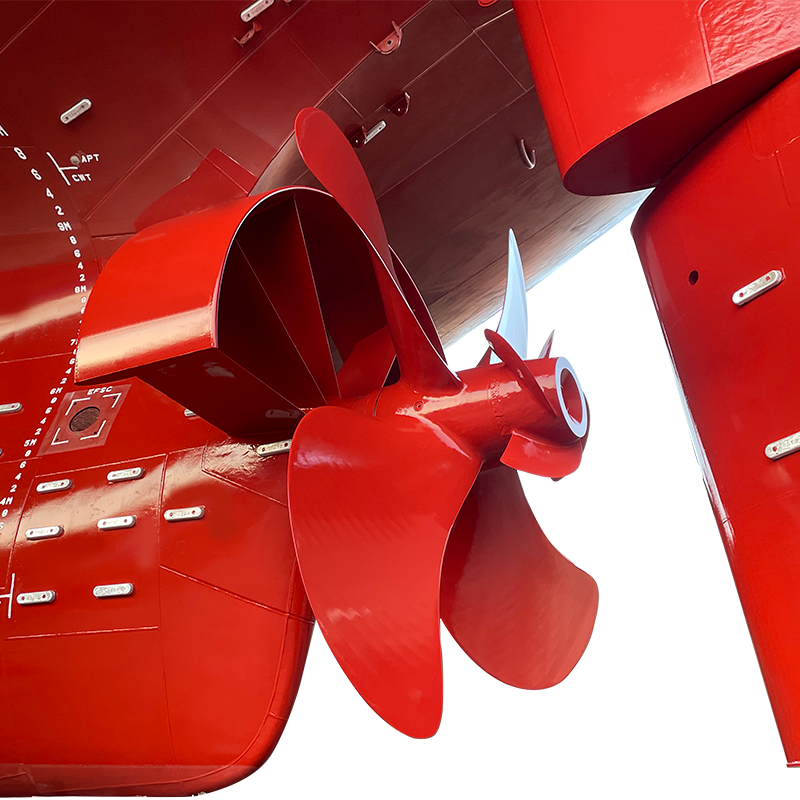
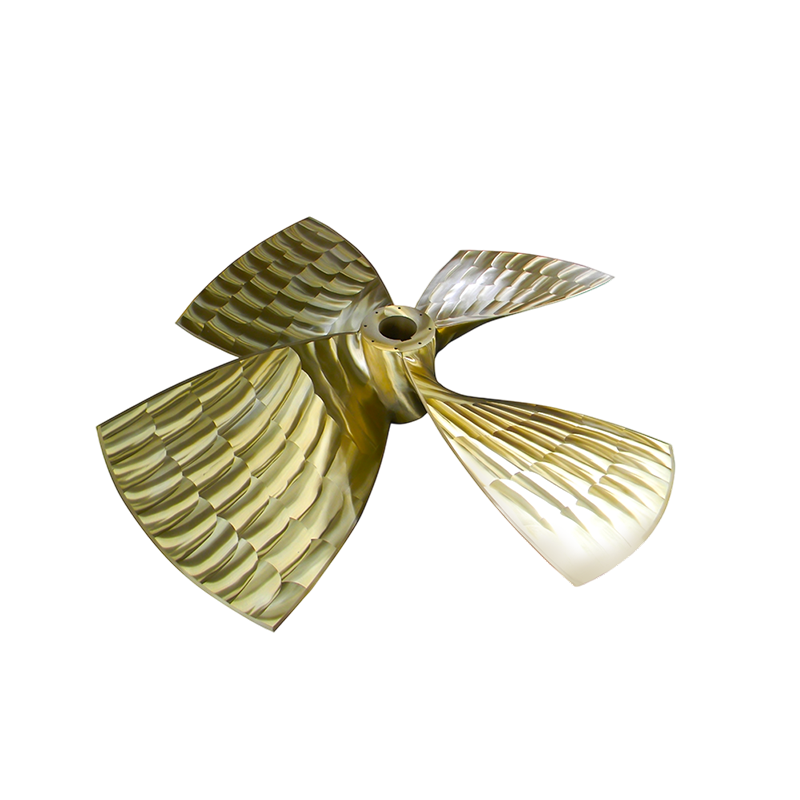
Marine Copper Alloy Propeller VanesIn the modern maritime industry, the drive toward decarbonization and operational cost reduction has shifted the focus from engine performance to hydrodynamic optimization. Marine copper alloy propeller vanes, acting as a front-mounted energy-saving device (ESD), represent a significant technological leap in propulsion efficiency. By installing these guide vanes and ducts directly in front of the propeller, shipowners can address the inherent inefficiencies of water flow around the hull. This system is not merely an accessory but a critical component that can achieve an energy saving effect of 3% to 8%, depending on the vessel type and operational speed.
The primary challenge for large vessels, particularly fat and large ships like tankers or bulk carriers, is the non-uniformity of the wake field. As water flows around the hull, it creates turbulence and eddy currents that force the propeller to work harder than necessary. Propeller vanes mitigate these issues by "pre-swirling" the water, ensuring that the inflow reaches the blades at an optimal angle. This optimization results in immediate fuel economy gains and a substantial reduction in greenhouse gas emissions, aligning with international maritime environmental standards.
Core Functions of Hydrodynamic Energy-Saving Devices
The effectiveness of marine copper alloy propeller vanes is rooted in three core hydrodynamic principles. These functions work in synergy to transform the chaotic water environment around the stern into a structured, high-thrust propulsion field. By utilizing high-strength copper alloys, these devices maintain their shape and efficiency even under the massive hydraulic pressures of deep-sea transit.
The Impact of Uniform Inflow on Propeller Longevity
One of the most significant yet overlooked benefits of propeller vanes is the reduction of blade load fluctuation. When the inflow field is non-uniform, each blade of the propeller experiences varying pressure as it rotates. This causes vibration and mechanical fatigue. By improving the uniformity of the inflow, the guide vanes stabilize the propeller's operation, which significantly extends the service life of the entire propulsion train and reduces dry-docking maintenance costs.
| Efficiency Metric |
Without Propeller Vanes |
With Copper Alloy Vanes |
| Fuel Consumption Reduction |
Baseline (0%) |
3% - 8% Improvement |
| Wake Rotation Energy Loss |
High (Unrecovered) |
Low (Converted to Thrust) |
| Propeller Vibration Level |
Standard |
Reduced by 15% - 20% |
| Ideal Ship Conditions |
All Types |
Low-speed/Fat Hull Ships |
Recovering Energy: The Conversion of Wake Rotation Loss
In traditional propulsion setups, a significant portion of the energy provided by the main engine is wasted as the propeller wake rotates behind the ship. This rotational kinetic energy provides no forward movement. The copper alloy propeller vanes are designed to act as a "pre-rectifier," effectively recovering rotational kinetic energy before it is lost. By converting this swirl into additional forward thrust, the ship can maintain the same cruising speed while using less power from the engine.
Why Copper Alloy is the Superior Material Choice
Marine-grade copper alloys (such as Nickel-Aluminum Bronze) are utilized for these vanes due to their exceptional properties in saltwater environments:
- Superior Corrosion Resistance: Copper alloys form a protective oxide layer that prevents the pitting and thinning often seen in stainless steel or carbon steel components.
- Anti-Fouling Properties: The natural toxicity of copper to marine organisms like barnacles ensures the vanes remain clean, maintaining their hydrodynamic profile and efficiency over long voyages.
- High Fatigue Strength: These alloys can withstand the constant cyclical loading of water pressure without developing microscopic fractures.
Optimizing Hull Efficiency for Low-Speed and Large-Scale Ships
Propeller vanes are particularly effective for ships operating under low-speed conditions or those with large displacement hulls. In these scenarios, the energy loss between the hull and the propeller is at its peak. The duct portion of the device accelerates the water flow towards the center of the propeller, while the guide vanes correct the flow direction. This synergy optimizes the water flow distribution, allowing for better rudder response and improved maneuverability in tight harbor conditions.
For a vessel burning 50 tons of fuel per day, an 8% energy saving translates to a reduction of 4 tons of fuel daily. Over a 250-day sailing year, this results in 1,000 tons of fuel saved. Given current marine fuel prices and carbon tax regulations, the return on investment (ROI) for installing marine copper alloy propeller vanes is often achieved within the first 12 to 18 months of operation, making it one of the most financially sound energy-saving upgrades available.
Conclusion: A Cornerstone for Modern Emission Reduction
As the shipping industry moves toward a "greener" future, the adoption of hydrodynamic energy-saving devices is no longer optional. Marine copper alloy propeller vanes provide a passive, robust, and highly effective solution for reducing energy consumption. By significantly improving the ship's propulsion efficiency and reducing the environmental footprint, these devices serve as an ideal choice for shipowners dedicated to sustainable operations. The integration of such technology ensures that vessels remain competitive in a market that increasingly values efficiency and ecological responsibility above all else.



 English
  中文简体
中文简体  русский
  Español
  عربى
عربى  Français
  Português
  Deutsch
  Türk
Türk