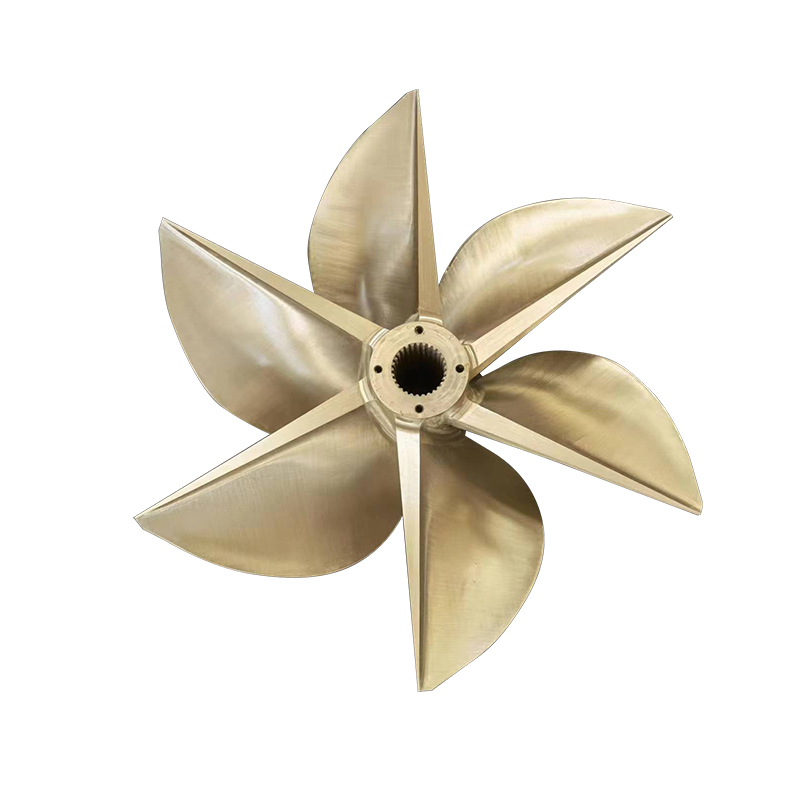
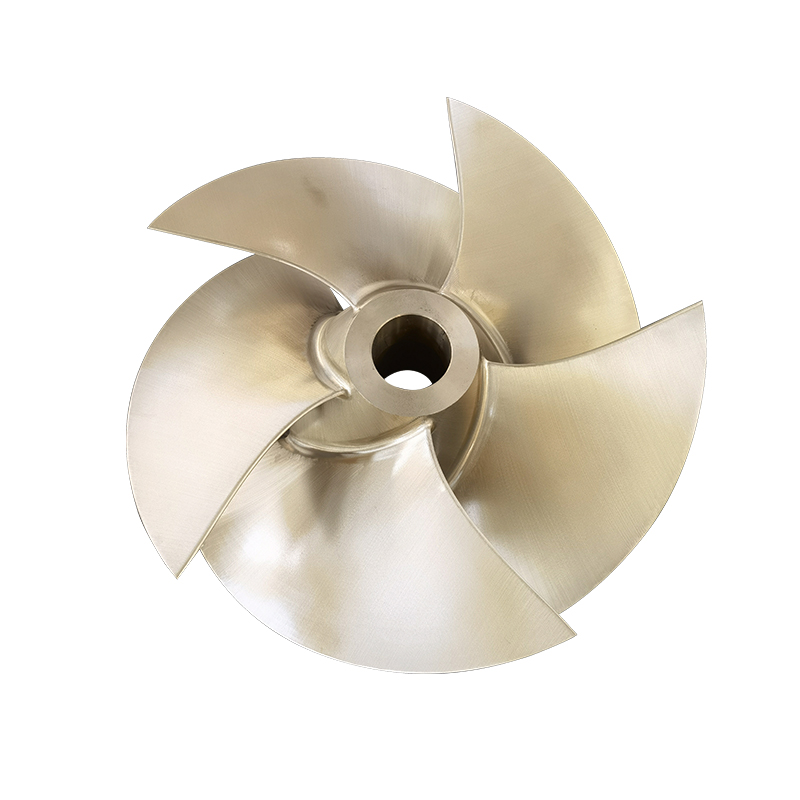
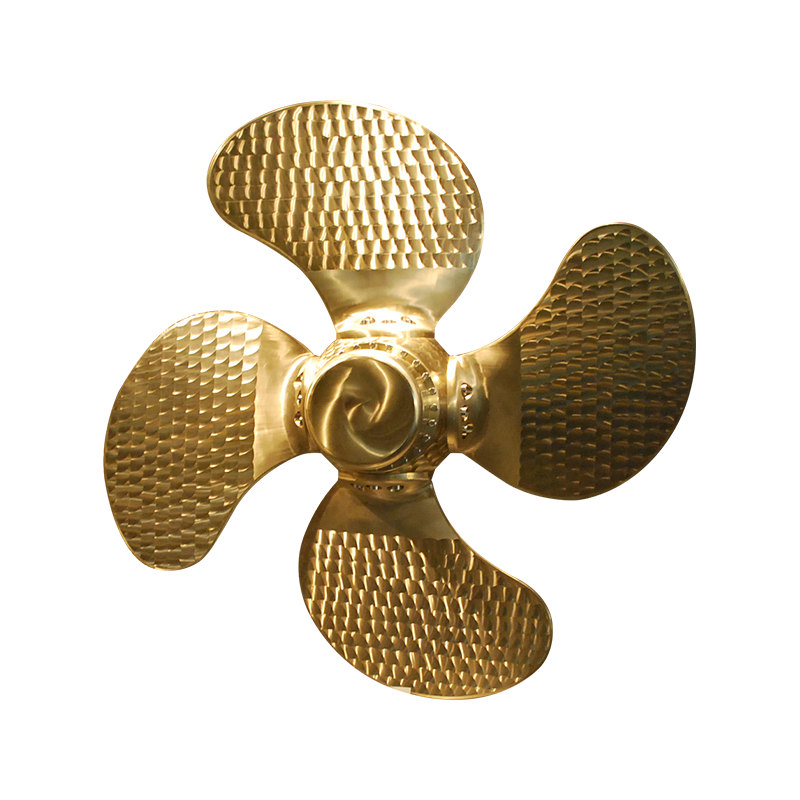
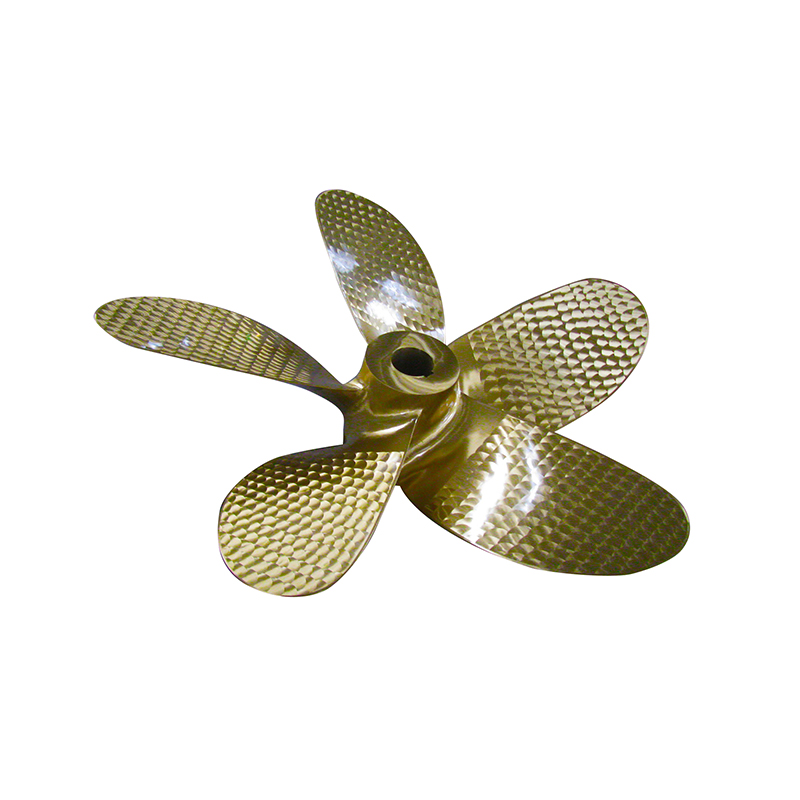
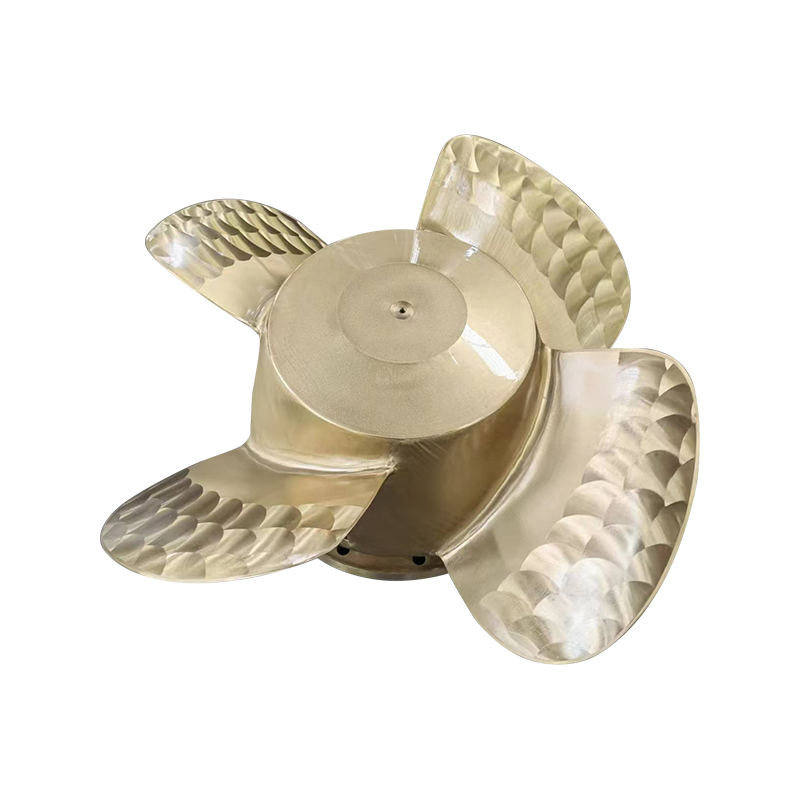
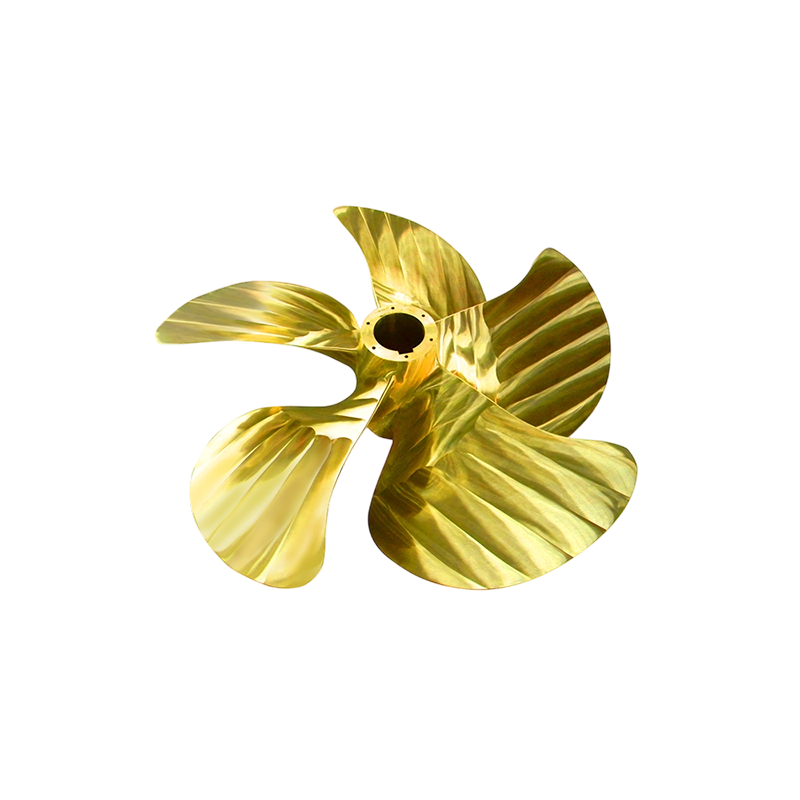
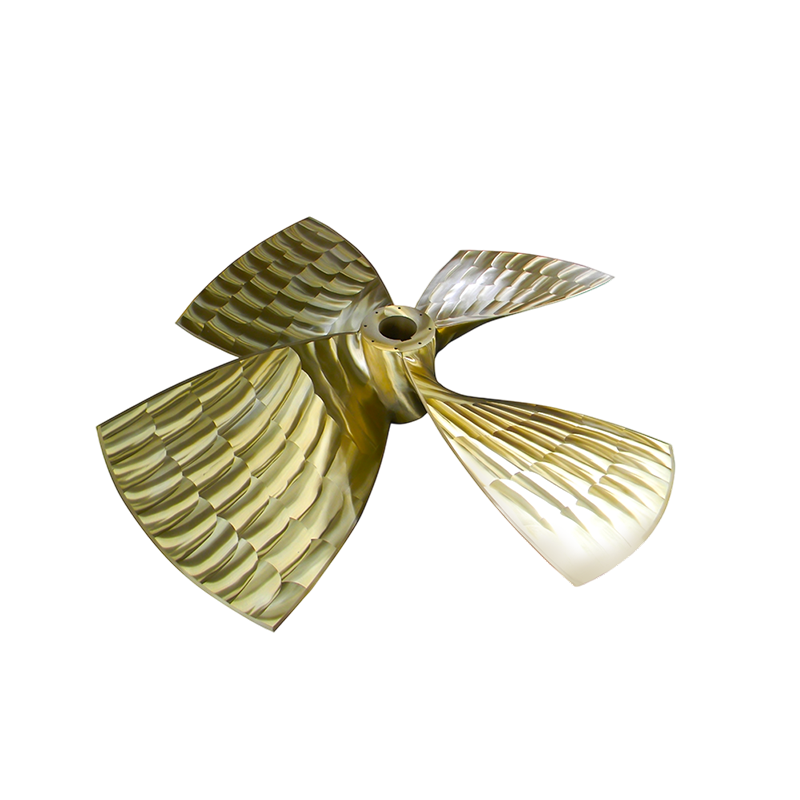
For high-performance vessels operating at velocities exceeding 25 knots, traditional fully submerged propulsion systems often reach a "efficiency ceiling" due to excessive drag and destructive cavitation. The Marine Surface-Piercing Fixed Pitch Propeller (SPP) solves this by fundamentally changing the interaction between the blade and the water surface. By allowing the upper half of the propeller to periodically emerge from the water, the system actively draws in air to form a stable ventilation layer. This unique approach allows vessels to achieve propulsion efficiency gains of 15% to 30% compared to conventional setups, making it the definitive choice for modern high-speed interceptors and luxury performance yachts.
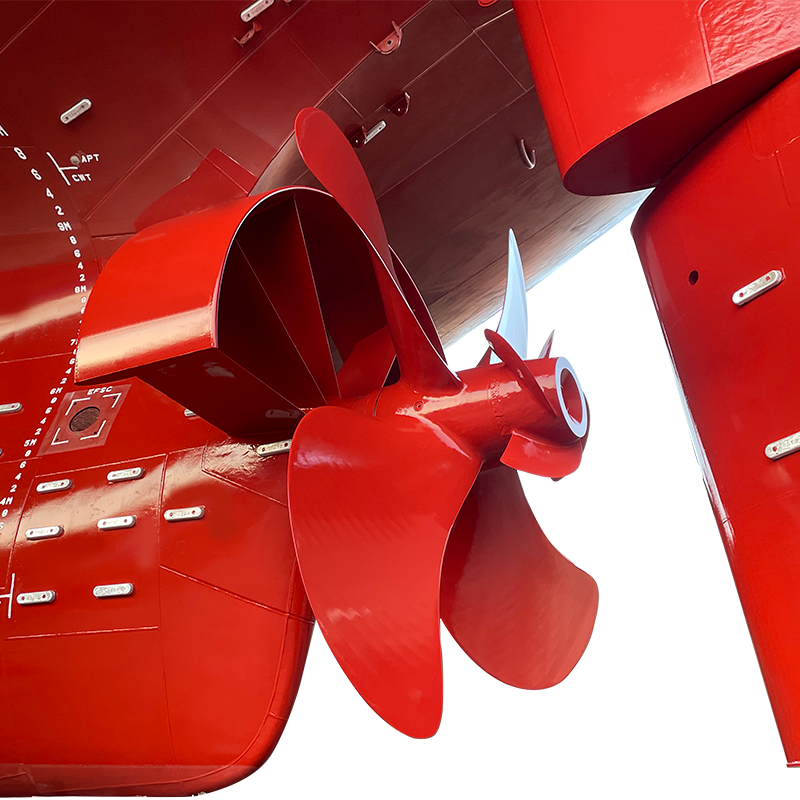
The strategic advantage of surface-piercing technology lies in its ability to eliminate the "appendage drag" caused by traditional rudders, brackets, and long shafts. Because the propeller is only partially submerged—typically requiring only 20% to 40% of the propeller diameter to be underwater—the wetted surface area is significantly reduced. This not only facilitates record-breaking speeds but also enables high-speed operations in shallow waterways and mudflats where traditional deep-draft vessels would simply be unable to navigate.
The Science of Supercavitation and Air-Phase Operation
Unlike standard propellers where cavitation is a destructive force to be avoided, the surface-piercing design embraces the "supercavitation" effect. As the blade strikes the water surface, air envelops the blade, creating a vapor-air cavity. This cushion of air significantly reduces viscous drag, allowing the propeller to spin at higher RPMs without the localized pressure drops that cause erosion in submerged systems. By intentionally ventilating the blades, the SPP avoids the pitting and material fatigue common in high-speed maritime applications.
Performance Metrics: Surface-Piercing vs. Fully Submerged
The following data illustrates why surface-piercing technology is superior for high-velocity applications, particularly when analyzing the drag-to-thrust ratio at varying speeds.
| Technical Parameter |
Fully Submerged Propeller |
Surface-Piercing Propeller |
| Typical Speed Range |
0 - 25 Knots |
25 - 60+ Knots |
| Propulsion Efficiency |
Baseline (60-70%) |
Enhanced (Up to 90%) |
| Minimum Immersion Depth |
1.5x - 2x Diameter |
0.2x - 0.4x Diameter |
| Hull Resistance Reduction |
0% (Baseline) |
10% - 15% Reduction |
Simplified Drive Structures and Lower Maintenance Costs
One of the most attractive aspects of the Marine Surface-Piercing Fixed Pitch Propeller for fleet operators is the mechanical simplification. Because the shaft exits the transom above the waterline or at the water level, the drive structure is significantly more straightforward than complex pod drives or deep-well shafting. The direct-shaft drive eliminates the need for expensive underwater gearboxes and heavy-duty water seals that are prone to leaking. Manufacturers often report that this configuration can reduce maintenance costs by up to 30% over the vessel's lifecycle.
Key Engineering Advantages
- Cleaner Aft Flow Field: The absence of rudders and support brackets directly behind the hull results in a highly efficient, laminar water flow.
- Shallow Water Adaptability: The ability to operate in just a few feet of water makes these propellers ideal for wave-piercing catamarans and shallow-water stealth craft.
- High Strength Alloys: Fixed pitch SPPs are typically cast from Nickel-Aluminum Bronze to withstand the heavy cyclic "slapping" of the blades as they re-enter the water surface at high speed.
Application Scenarios: From Racing to Military Interception
The versatile nature of surface-piercing technology has led to its adoption across several elite maritime sectors. In the competitive world of Formula 1 Motorboats, the SPP is the only system capable of providing the stability and thrust required to break the 60-knot barrier. Similarly, in military applications, missile boats and high-speed interceptors utilize SPPs to balance extreme speed with the "stealth" of shallow-water navigation, allowing them to hide in areas where deeper-draft enemies cannot follow.
Luxury yachts and superyachts exceeding 40 meters also benefit from this technology. For these vessels, the priority is often a combination of speeds above 30 knots and low vibration levels. Because the propeller is not fully submerged, the transmission of "propeller slap" through the hull is significantly different, often resulting in a smoother ride at high velocity. For specialty vessels like hydrofoils and wave-piercing catamarans, the raised hull design naturally complements the surface-piercing shaft placement, creating a seamless high-efficiency propulsion solution.
Conclusion: Maximizing Performance with Fixed Pitch SPP
Choosing a Marine Surface-Piercing Fixed Pitch Propeller is a commitment to high-speed excellence. While the initial hydrodynamic tuning requires precision engineering, the long-term payoffs in fuel efficiency, maintenance savings, and sheer speed are unparalleled. For operators pursuing the limits of maritime performance, the SPP remains the most effective "active" energy-saving device for the high-speed regime. By optimizing the interaction between air and water, this propulsion system ensures that your vessel remains at the forefront of modern nautical engineering, capable of handling the most demanding shallow-water and high-velocity environments with ease.



 English
  中文简体
中文简体  русский
  Español
  عربى
عربى  Français
  Português
  Deutsch
  Türk
Türk