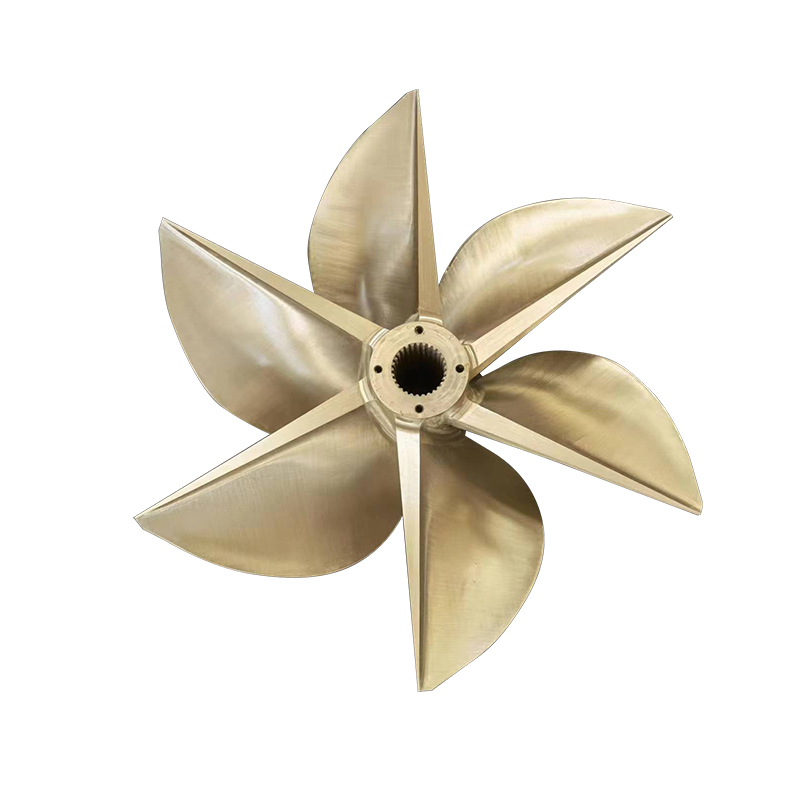
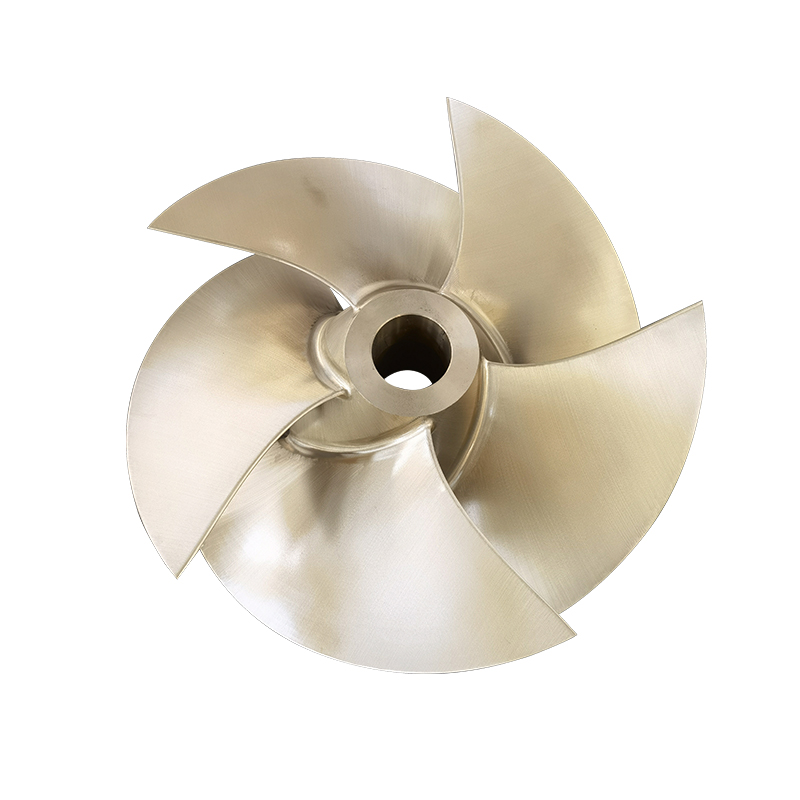
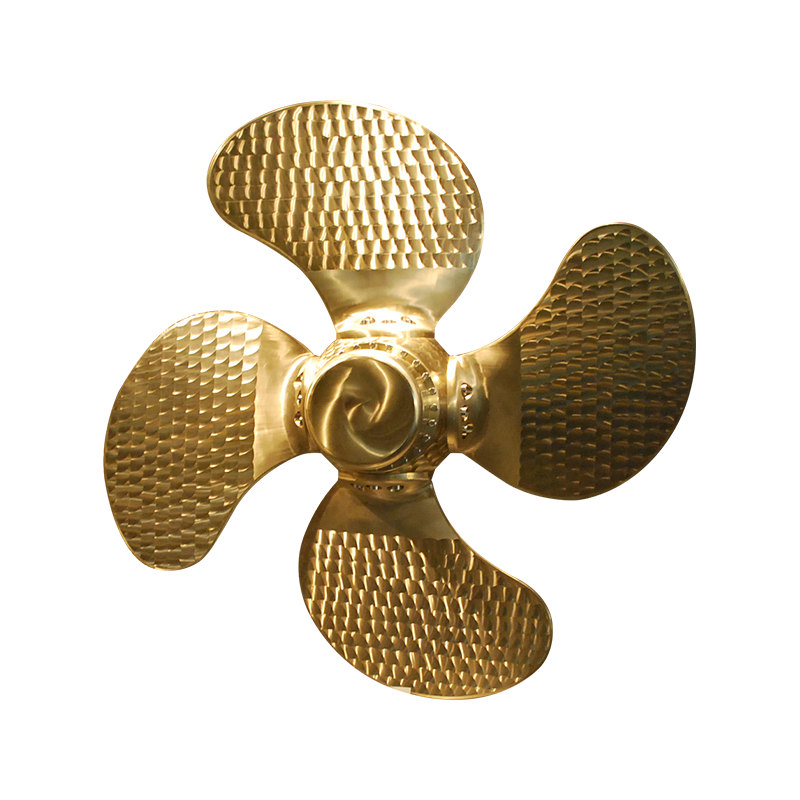
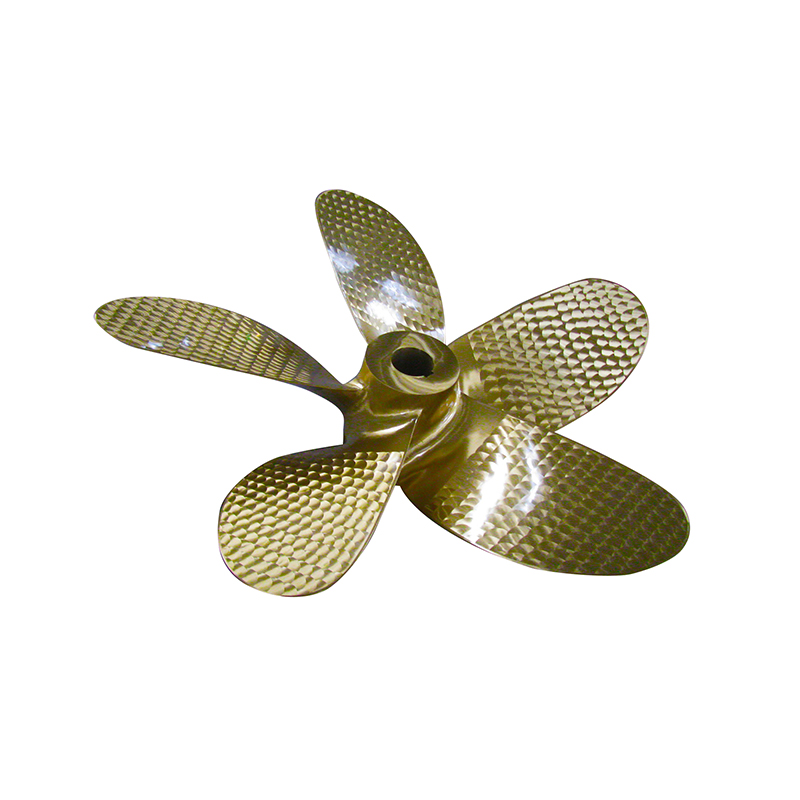
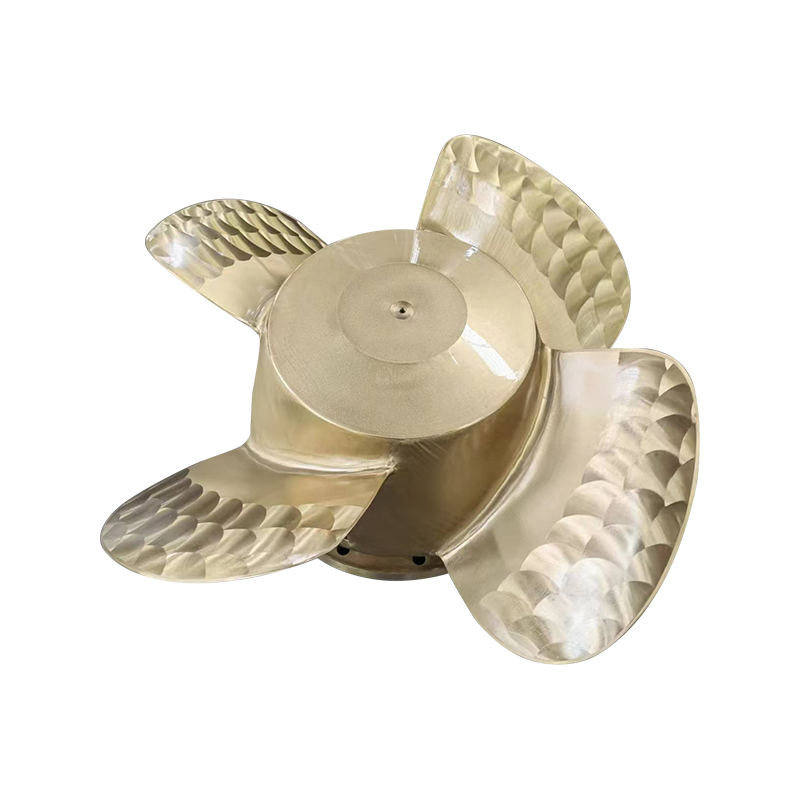
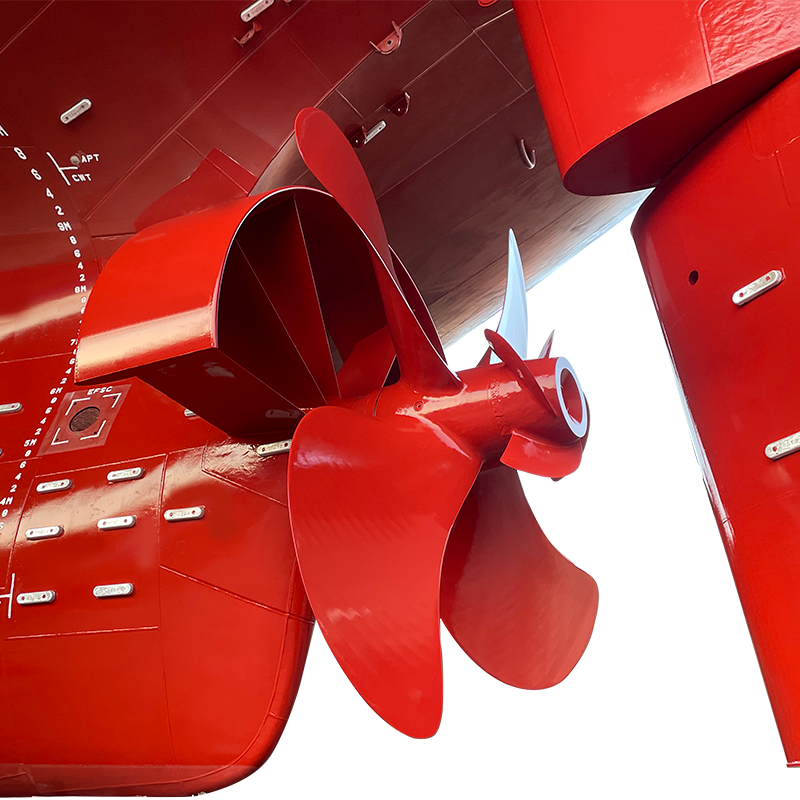
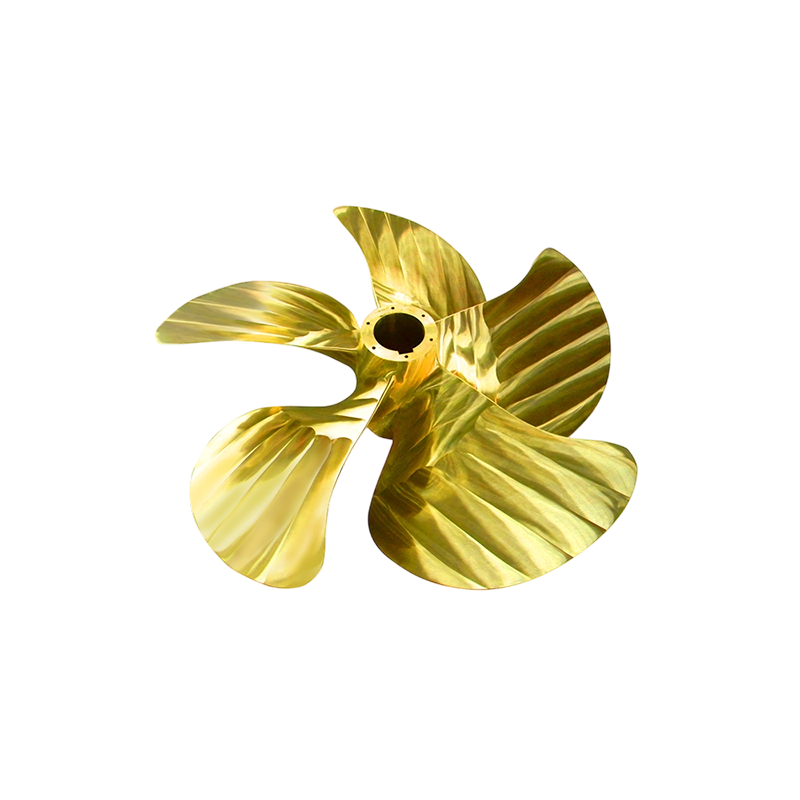
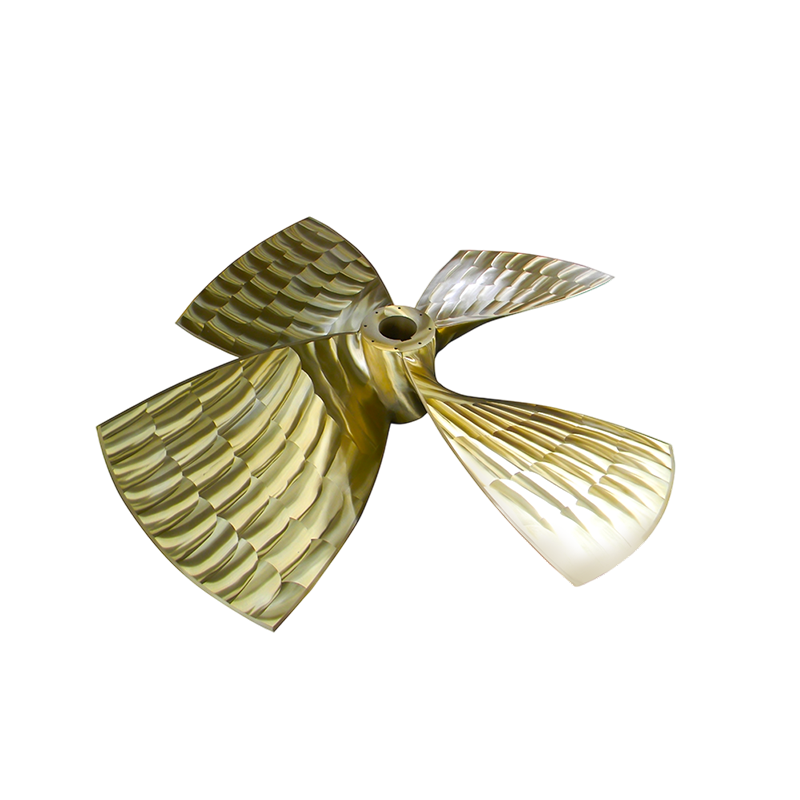
In the complex architecture of a Controllable Pitch Propeller (CPP) system, the propeller blade carrier acts as the fundamental mechanical bridge between the internal hydraulic actuation and the external propulsion blades. Unlike fixed propellers, a CPP system requires the ability to rotate blades on their vertical axis to change pitch while the shaft is spinning. The propeller blade carrier is the specific component that supports the massive centrifugal loads of the blades while simultaneously transmitting the rotational torque required to drive the vessel forward. This dual-role functionality makes it one of the most high-stress components in any modern maritime propulsion setup.
Engineered to withstand the harsh realities of deep-sea environments, these carriers must maintain absolute dimensional stability under thousands of tons of hydraulic pressure. By utilizing a high-strength load-bearing design, the carrier ensures that the transition from "ahead" to "astern" pitch is fluid and instantaneous. This responsiveness is critical for vessels requiring high maneuverability, such as offshore engineering vessels, naval warships, and large-scale commercial tugs where precise positioning is a matter of operational safety.
Technical Specifications and Mechanical Integrity
The manufacturing of a propeller blade carrier involves stringent material selection and precision machining. To handle the extreme torque transmission, manufacturers utilize high-quality alloy steel and martensitic stainless steel, which are further strengthened through advanced heat treatment processes. These treatments optimize the grain structure of the metal, providing the necessary toughness to resist fatigue cracking during the millions of load cycles experienced throughout the carrier's service life.
Performance Comparison of Blade Carrier Materials
The choice of material directly impacts the maintenance intervals and reliability of the CPP hub. Below is a comparison of common materials used in the production of high-performance blade carriers:
Table 1: Mechanical Properties of CPP Blade Carrier Materials
| Material Type |
Tensile Strength (MPa) |
Yield Strength (MPa) |
Corrosion Resistance |
| Forged Alloy Steel |
850 - 1000 |
650 - 800 |
Moderate (Requires Coating) |
| Stainless Steel (Grade 316L) |
500 - 700 |
200 - 300 |
Excellent |
| Duplex Stainless Steel |
700 - 900 |
450 - 600 |
High |
Dynamic Adjustment and Precision Machining
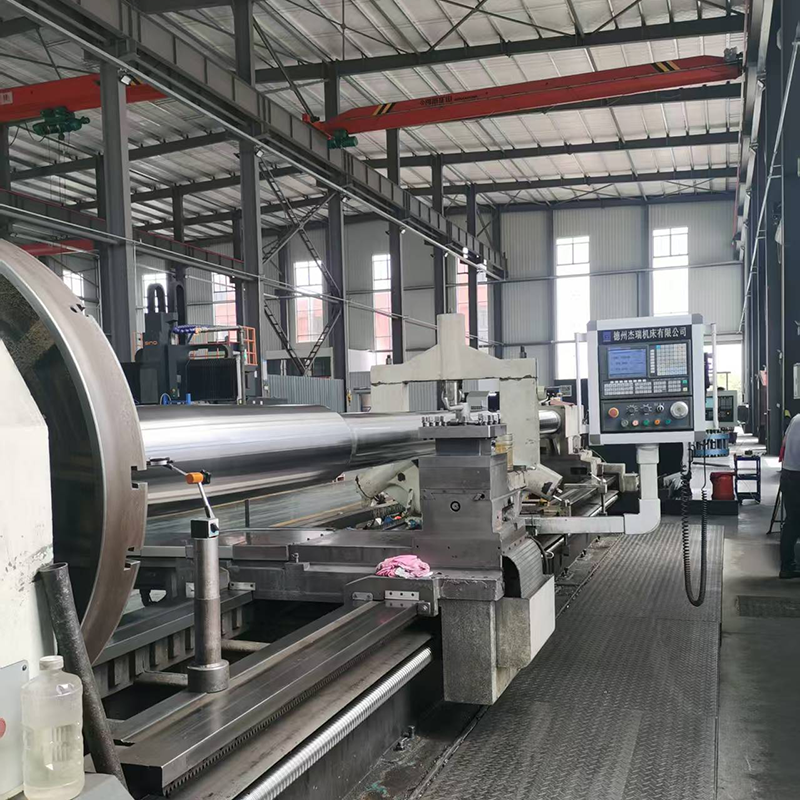
The dynamic adjustment capability of the CPP system relies on the carrier’s interaction with hydraulic pistons and sliders. To ensure a "zero-leakage" and low-friction environment, precision CNC machining is employed to achieve tolerances as tight as 0.02mm. This precision ensures that the carrier rotates smoothly within the hub, reducing the energy required by the hydraulic pump to change pitch and minimizing friction-induced heat.
Key Features for Long-Term Reliability
- Wear-Resistant Surface Treatment: Specialized coatings or chromium plating are applied to the bearing surfaces of the carrier to combat seawater corrosion and mechanical scuffing.
- Modular Installation Design: The carrier’s interface is designed for rapid assembly and disassembly, allowing for in-situ blade replacement or carrier maintenance during dry-dock periods.
- Optimized Torque Transmission: The geometry of the carrier-to-blade bolt connection is engineered to distribute stress evenly, preventing localized deformation under full-power conditions.
The Vital Role of Carriers in Extreme Marine Environments
In offshore engineering and naval operations, the propeller blade carrier is subjected to "shock loads" caused by wave impacts or rapid speed changes. A failure in the carrier could lead to a jammed pitch mechanism, rendering the vessel immobile or uncontrollable. Professional manufacturers conduct Finite Element Analysis (FEA) on every carrier design to simulate these extreme conditions, ensuring that the component remains elastic enough to absorb energy without permanent warping.
Furthermore, the integration of these carriers into modern CPP systems allows for "Combined Control" (Combinator Mode), where the engine RPM and propeller pitch are adjusted simultaneously for maximum fuel efficiency. The carrier's ability to drive the blade to its optimal hydrodynamic angle ensures that the vessel operates at its peak efficiency across a wide speed range, contributing significantly to a reduction in annual fuel costs and carbon emissions. By choosing high-precision carriers, operators invest in a more stable, efficient, and responsive propulsion system that meets the rigorous demands of 21st-century maritime logistics.
Conclusion: Securing the Heart of Your Propulsion System
Ultimately, the propeller blade carrier is the unsung hero of the controllable pitch propeller. Its ability to manage high torque, resist corrosive saltwater, and provide precise angular adjustment is what enables modern vessels to navigate with such high degrees of freedom. For shipbuilders and operators, prioritizing carriers produced through advanced machining and rigorous heat treatment is the only way to ensure long-term stability in the world's most challenging waters. As maritime standards continue to evolve, the demand for high-strength, wear-resistant blade carriers will only increase, marking them as a cornerstone of sustainable and efficient marine engineering.



 English
  中文简体
中文简体  русский
  Español
  عربى
عربى  Français
  Português
  Deutsch
  Türk
Türk