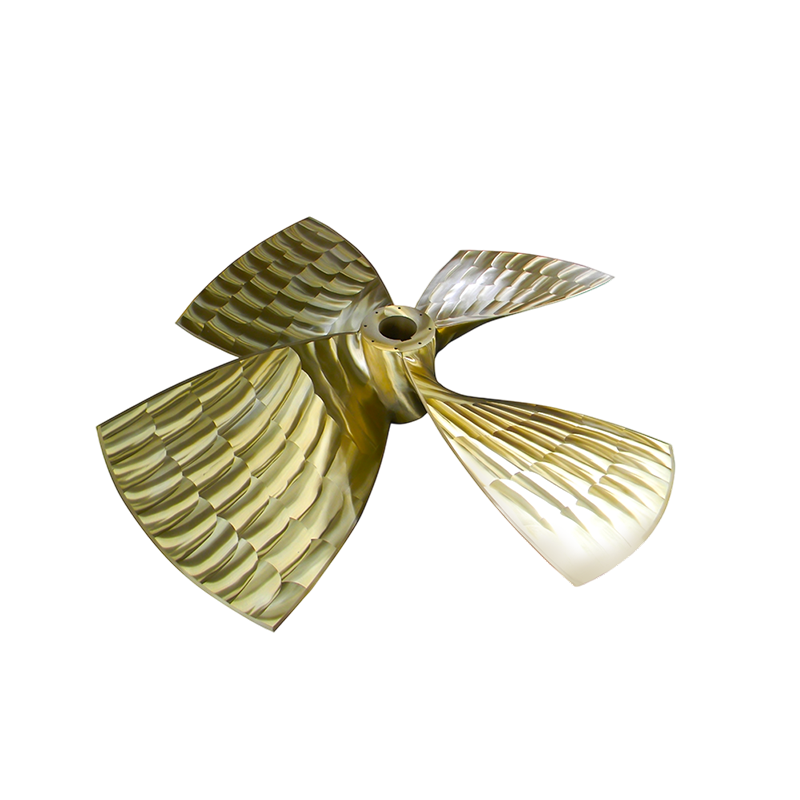
What Exactly Is Propeller Pitch, and Why Does It Matter?
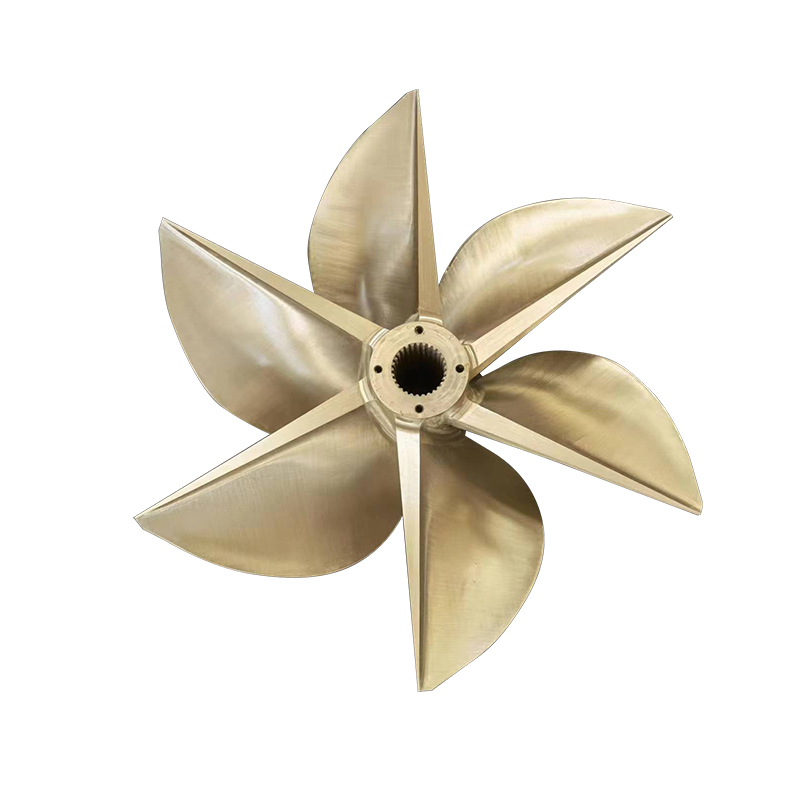
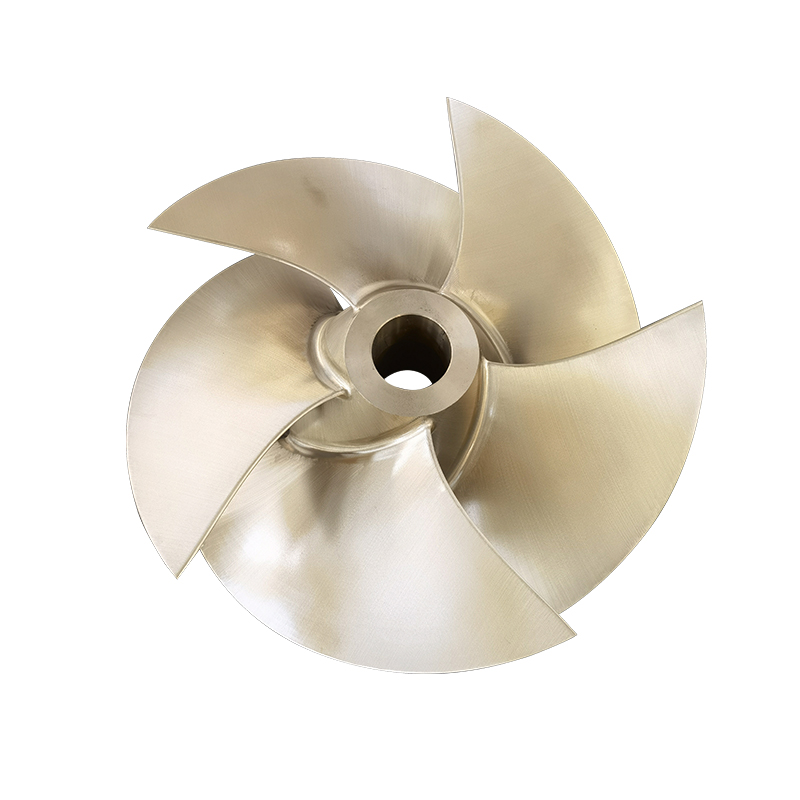
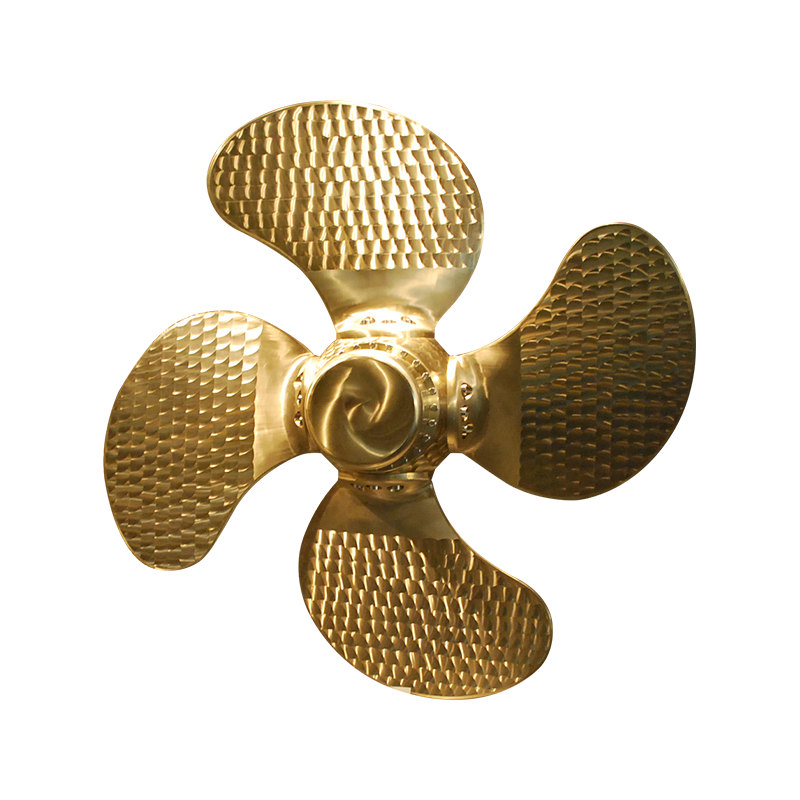
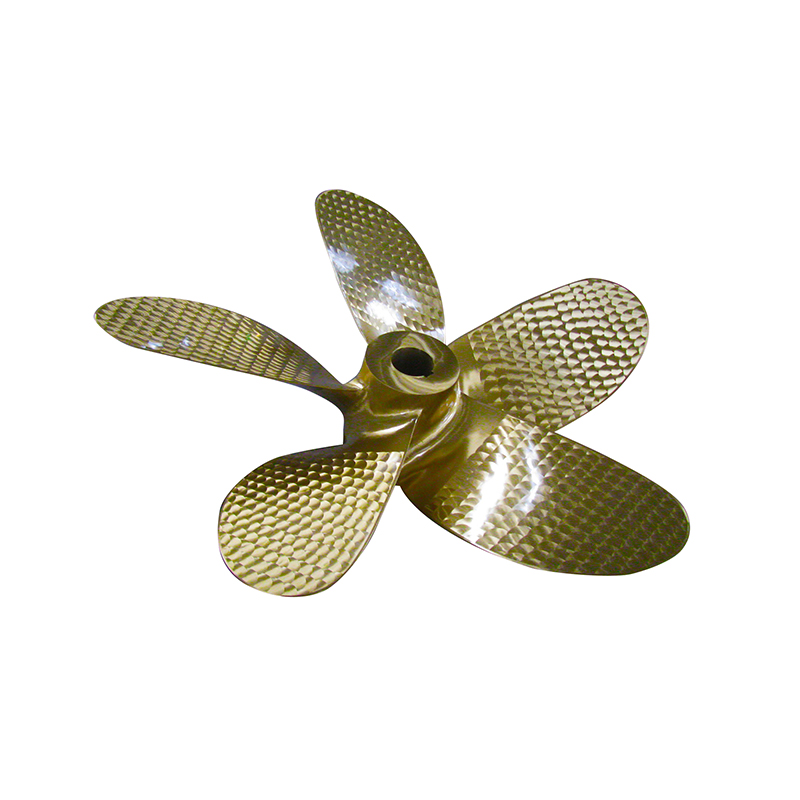
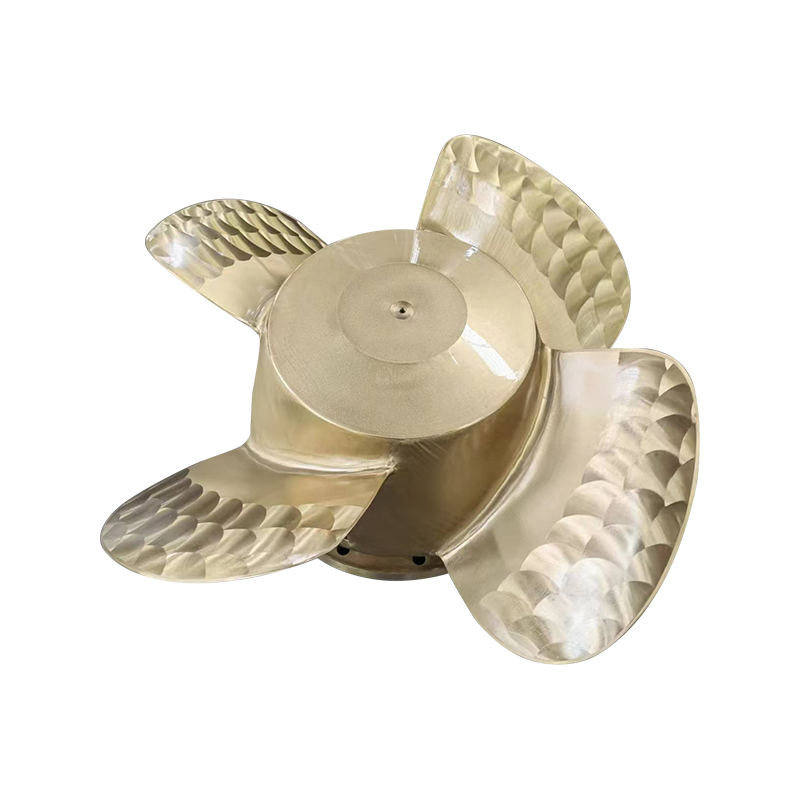
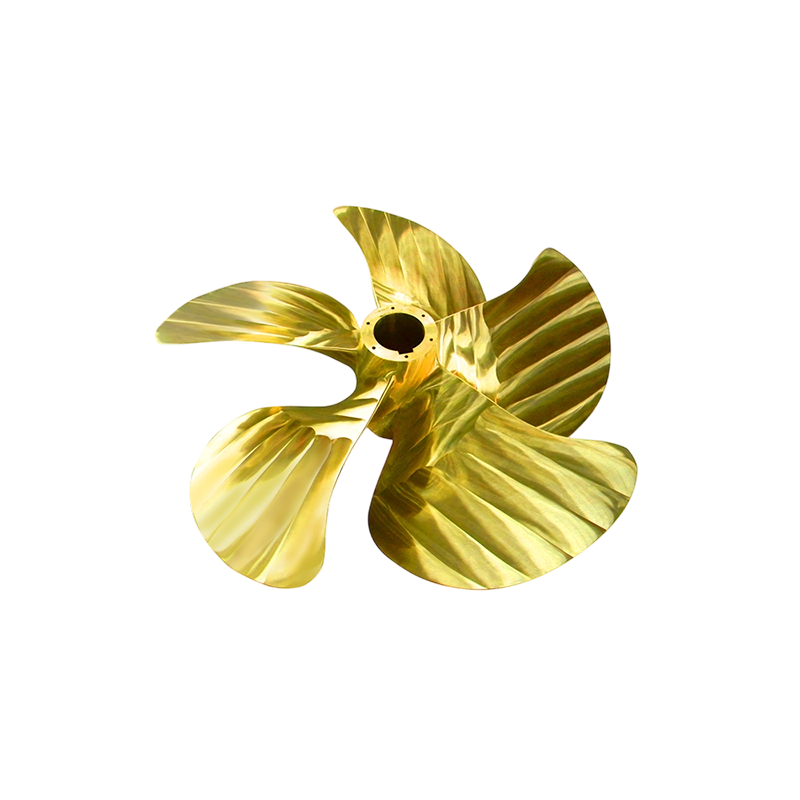
First, it’s essential to clarify what “propeller pitch” means. In simple terms, propeller pitch refers to the theoretical distance a propeller would move forward in one full rotation if it were moving through a perfectly solid, non-slippery medium (like soft clay). For example, a propeller with a 12-inch pitch would theoretically advance 12 inches with each complete spin. While real-world “slip” (the propeller sliding against water or air) means the actual distance is slightly less, pitch remains a core factor that directly shapes how a propeller performs—whether it prioritizes speed, acceleration, or efficiency.
What Are the Key Differences Between low/high pitch propellers?
The biggest distinctions between low/high pitch propellers show up in four critical performance areas: rotational speed (RPM), acceleration, top speed, and fuel efficiency.
Low-pitch propellers have blades with a shallower angle. This design lets the engine reach its maximum RPM quickly—think of it like a car’s low gear: it doesn’t go fast, but it can rev up rapidly. As a result, low-pitch propellers deliver fast acceleration, making them great for situations where you need to start quickly or change speed often. However, this focus on acceleration comes with tradeoffs: they typically have a lower top speed, and because the engine has to work harder to maintain high RPM, fuel efficiency drops at steady high speeds.
High-pitch propellers, by contrast, have blades with a steeper angle. This steeper angle means the engine takes longer to reach maximum RPM—similar to a car’s high gear, it doesn’t accelerate fast, but it excels at sustained speed. High-pitch propellers can push a vehicle (like a boat or plane) to a higher top speed, and because they operate at lower RPM to maintain that speed, they’re more fuel-efficient during long, steady trips. The downside? Their acceleration is much slower, so they struggle in scenarios where quick starts are needed.
To put it in practical terms: if you have two identical small boats—one with a low-pitch propeller (8-inch pitch) and one with a high-pitch propeller (16-inch pitch)—the low-pitch model might go from 0 to 20 km/h in 3 seconds but top out at 40 km/h. The high-pitch model, meanwhile, could take 6 seconds to reach 20 km/h but hit a top speed of 55 km/h, and it would use less fuel while cruising at 45 km/h.
When Should You Choose a Low-Pitch Propeller?
Low-pitch propellers are the right choice when acceleration and maneuverability matter more than top speed or long-distance efficiency.
In boating, this includes small fishing boats that need to dart quickly to different fishing spots, jet skis that rely on fast starts for fun or safety, and rescue boats that must respond rapidly to emergencies. Water sports like water skiing or wakeboarding also call for low-pitch propellers—they let the boat accelerate fast enough to get skiers up and moving quickly, even with a tow load.
In aviation, low-pitch propellers are used for small drones or lightweight aircraft that take off from short runways. Their ability to rev up fast helps these aircraft reach takeoff speed in a shorter distance, which is critical when space is limited.
Even in industrial settings, low-pitch propellers shine: small fans or pumps that need to start and stop frequently (like ventilation fans in factories or sump pumps in basements) use low-pitch designs to avoid overloading the motor during startup, ensuring reliable operation.
When Is a High-Pitch Propeller the Better Option?
High-pitch propellers are ideal when you prioritize top speed and fuel efficiency for long, steady use—scenarios where slow acceleration is a minor tradeoff.
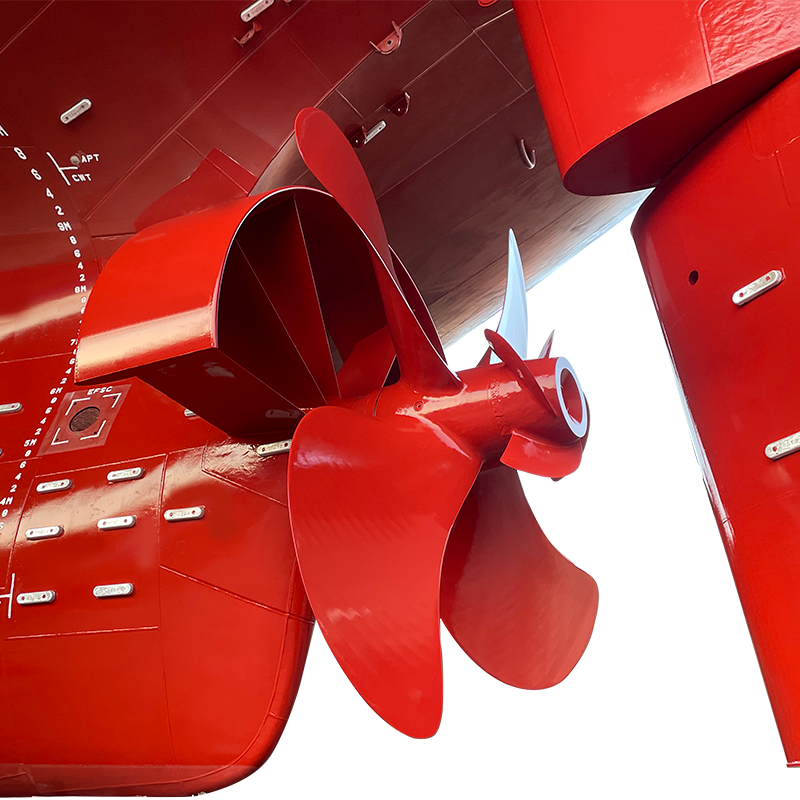
For boats, this means large speedboats or yachts that are designed for cruising long distances at high speeds. Cargo ships also rely on high-pitch propellers: they don’t need to accelerate quickly, but they do need to maintain a steady speed across oceans while minimizing fuel costs (a high-pitch propeller can save 10-15% on fuel compared to a low-pitch one for the same distance).
In aviation, large commercial airliners use high-pitch propellers (or variable-pitch propellers that adjust pitch mid-flight) for cruising at high altitudes. During long flights, the high-pitch design lets the plane maintain speed with lower engine RPM, reducing noise, engine wear, and fuel consumption—key factors for long-haul travel.
Wind energy is another area where high-pitch propellers excel: some wind turbines use high-pitch blades to capture more wind energy at higher wind speeds. The steeper angle lets the turbine generate more electricity while keeping the blades stable, even in strong winds, making them more efficient for power production.



 English
  中文简体
中文简体  русский
  Español
  عربى
عربى  Français
  Português
  Deutsch
  Türk
Türk