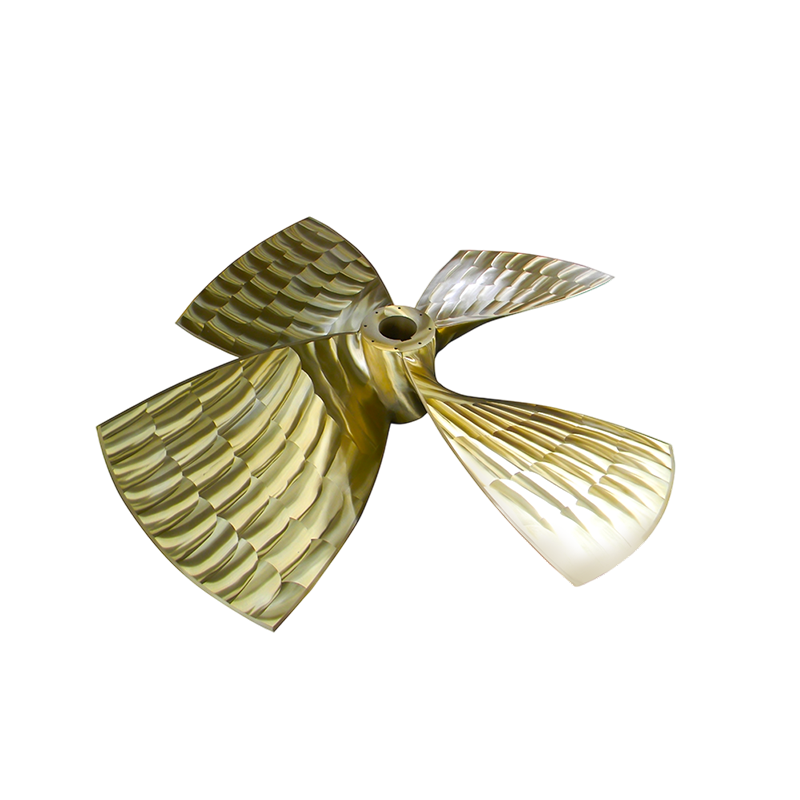
How Do Propeller Energy Saving Devices Work in Theory to Improve Efficiency?
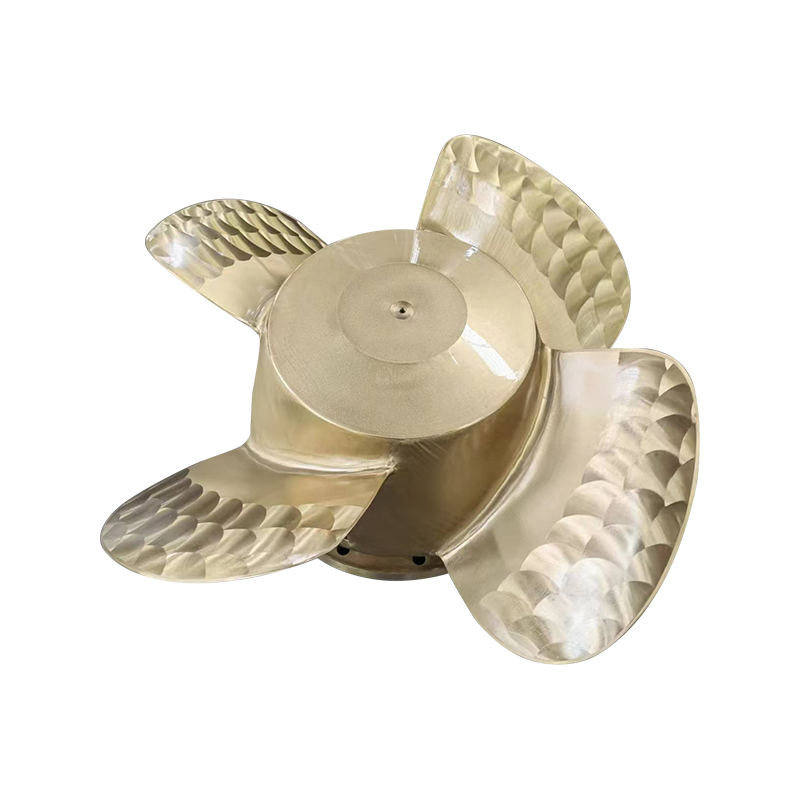
Propeller energy saving devices come in various forms, each with its own mechanism aimed at boosting equipment operating efficiency. For instance, some devices are designed to optimize the flow of water (or air, depending on the application) around the propeller. Take the case of the hub cap fins. These are small fins installed on the surface of the propeller hub cap. As the propeller rotates, the hub cap fins work to absorb the rotational energy in the propeller's wake. They generate a positive torque, simultaneously eliminating or weakening the hub vortex. This not only reduces the drag caused by the hub vortex but also helps in streamlining the water flow, thereby enhancing the propeller's efficiency.
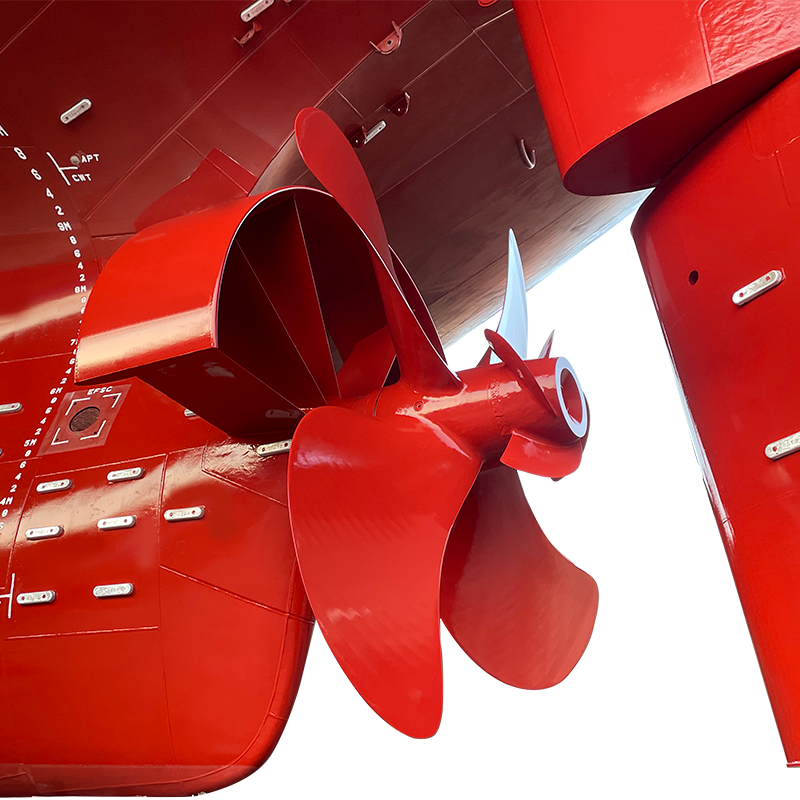
Another example is the ship - based hydrodynamic ducts. These ducts, like the Becker Mewis Duct®, are designed to straighten and accelerate the hull's wake as it enters the propeller. By doing so, they produce a net forward thrust. The improved slipstream behind the duct significantly reduces the hub vortex, leading to better thrust and inflow to the rudder. The integrated fins in such ducts also have a stator - like effect, generating a pre - swirl counter to the direction of propeller operation, which recovers rotational energy from the slipstream.
Do These Devices Really Boost Efficiency in Marine Applications?
In the marine industry, the impact of propeller energy saving devices on efficiency is a topic of great interest. Consider the experience of large - scale vessels. When it comes to super - large oil tankers, some have experimented with the installation of special coatings on propellers. For example, a team from the Chinese Academy of Sciences developed a bionic flexible drag - reducing material that mimics the characteristics of dolphin skin. When this material was applied to the surface of a 300,000 - ton very large crude carrier (VLCC)'s propeller, the results were remarkable. The real - ship fuel consumption data showed a decrease of about 2%. During the material's lifecycle of 2.5 years, an average energy saving of about 1.5% was achieved. This indicates that in the context of large - scale marine transportation, such energy - saving devices can indeed contribute to enhanced operating efficiency.
However, the situation may vary for different types of ships. Smaller vessels, like fishing boats or high - speed ferries, have different operating conditions. Fishing boats often operate in a more complex and variable environment, with frequent changes in speed and load. High - speed ferries require high - speed propulsion and quick maneuverability. For these types of vessels, do the same energy - saving devices still work as effectively? Some fishermen who have installed energy - saving devices on their boats report that while the devices seem to have a positive effect during slow - speed cruising, when the boat needs to speed up to reach fishing grounds quickly, the efficiency gains are less obvious. This raises questions about the adaptability of energy - saving devices to different marine operating scenarios.
What About Their Efficiency - Boosting Effects in Industrial Applications?
Propeller - like devices are also widely used in industrial settings, such as in large - scale mixing tanks in chemical plants or ventilation systems in industrial buildings. In a chemical plant's mixing process, large - scale propellers are used to stir various substances. The installation of energy - saving devices here aims to improve the mixing efficiency while reducing energy consumption. Some energy - saving devices, such as specially designed pre - swirl guides, are installed in front of the propellers in mixing tanks. These guides are supposed to optimize the flow of the substances being mixed, allowing the propeller to work more efficiently. But in practice, does it really work?
In some cases, the complex nature of the substances being mixed, such as high - viscosity liquids or those with solid - liquid mixtures, may pose challenges. The energy - saving devices need to be carefully calibrated to the specific properties of the substances and the operating parameters of the propeller. In a ventilation system of an industrial building, the propellers are responsible for moving large volumes of air. Energy - saving devices, like aerodynamically designed diffusers installed around the propeller, are meant to improve the air - flow distribution and reduce the resistance the propeller has to overcome. But with the constant changes in air volume requirements due to different working hours and environmental conditions in the building, do these devices maintain their efficiency - enhancing capabilities?
Are There Factors That Can Hinder the Efficiency - Improvement of These Devices?
There are several factors that could potentially impede the ability of propeller energy - saving devices to enhance equipment operating efficiency. One significant factor is the compatibility between the device and the equipment itself. If the energy - saving device is not properly designed or installed to match the specific characteristics of the propeller, such as its size, rotation speed, and the type of fluid it is working with (water, air, or other substances), it may not function as expected. For example, if a propeller energy - saving device designed for a slow - rotating, large - diameter propeller is installed on a high - speed, small - diameter propeller, it may actually increase the resistance and reduce the overall efficiency.
Another factor is the maintenance and upkeep of the energy - saving device. Over time, these devices may accumulate dirt, corrosion (in the case of marine or industrial applications with corrosive substances), or mechanical wear. For instance, in a marine environment, barnacles and other marine organisms may attach themselves to the surface of a propeller energy - saving device, altering its hydrodynamic properties. If not regularly cleaned and maintained, this can lead to a decrease in the device's efficiency - boosting capabilities. In industrial applications, the wear and tear on moving parts of the energy - saving device, such as the fins on a hub cap fin system, may affect its ability to function properly and thus hinder the overall efficiency improvement of the propeller.



 English
  中文简体
中文简体  русский
  Español
  عربى
عربى  Français
  Português
  Deutsch
  Türk
Türk