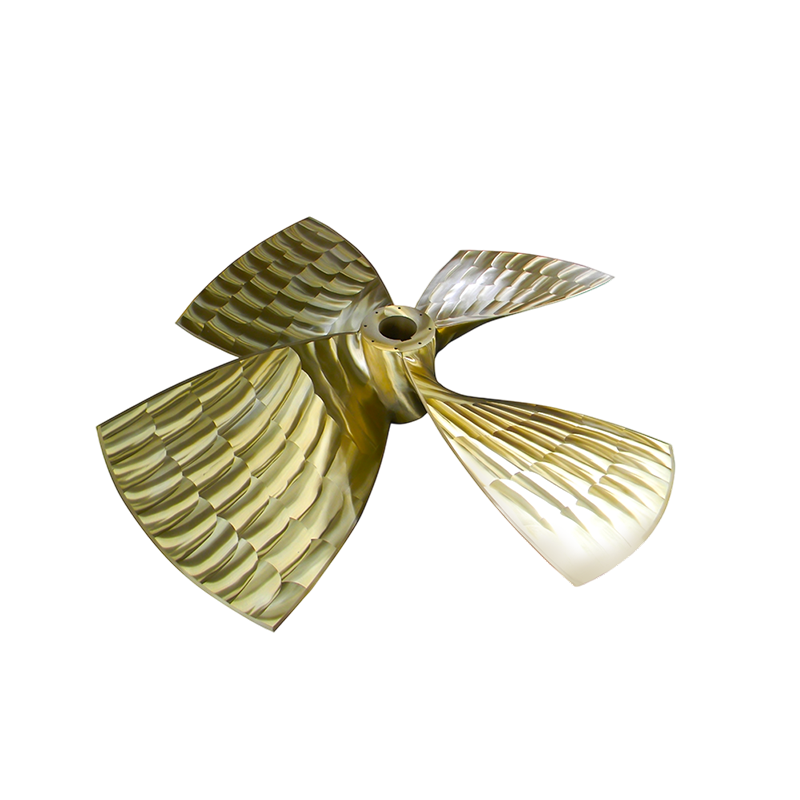
In actual use, what maintenance work is required for fixed-range propellers?
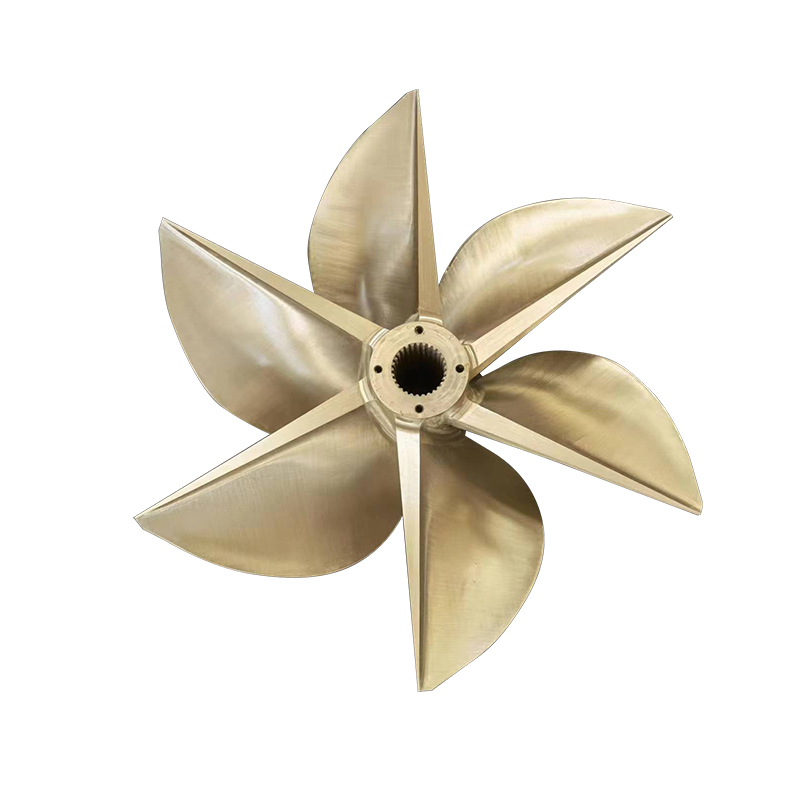
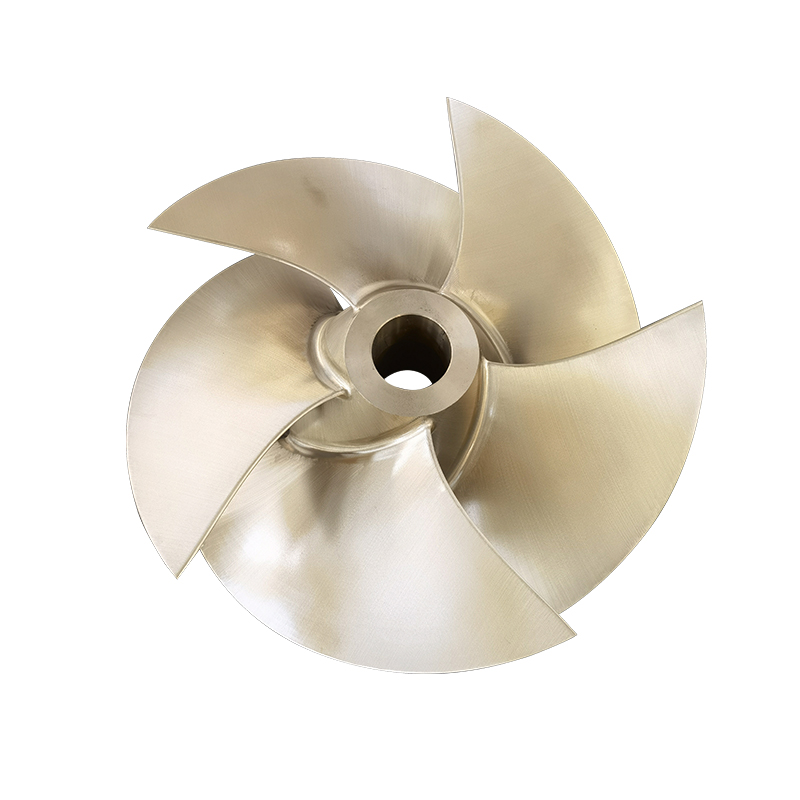
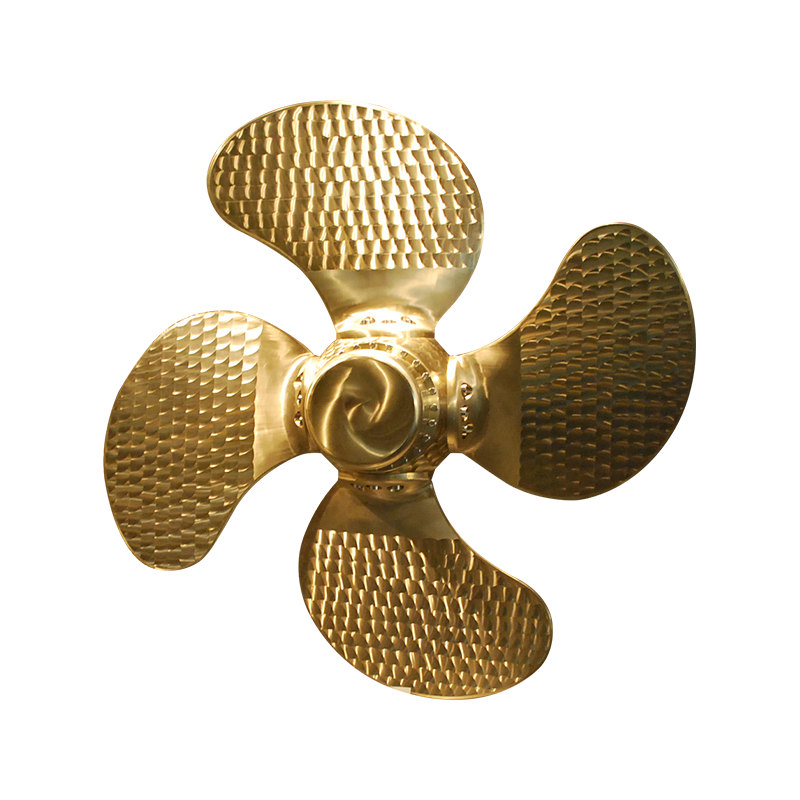
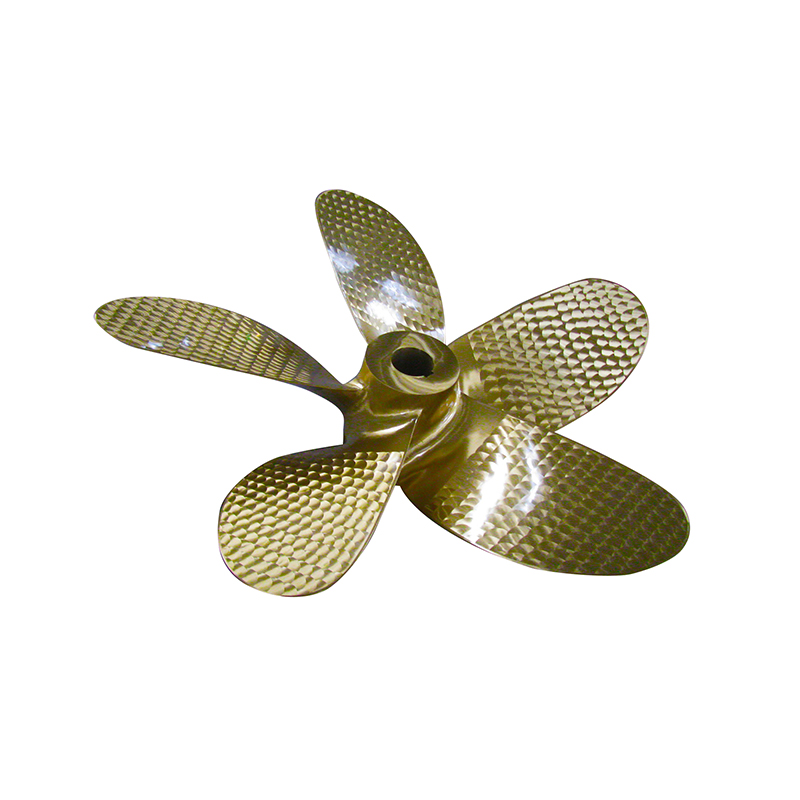
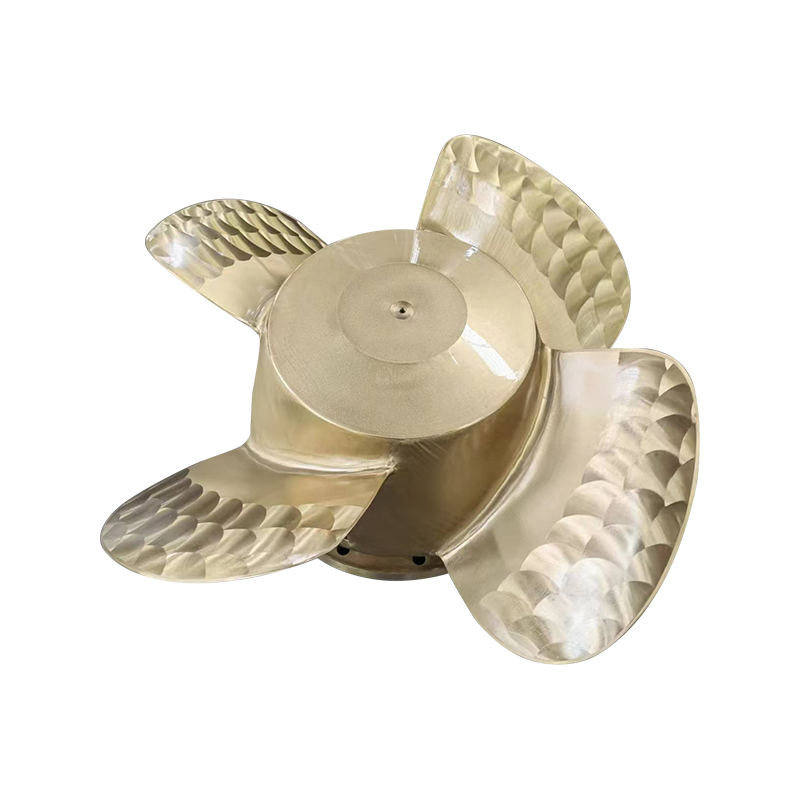
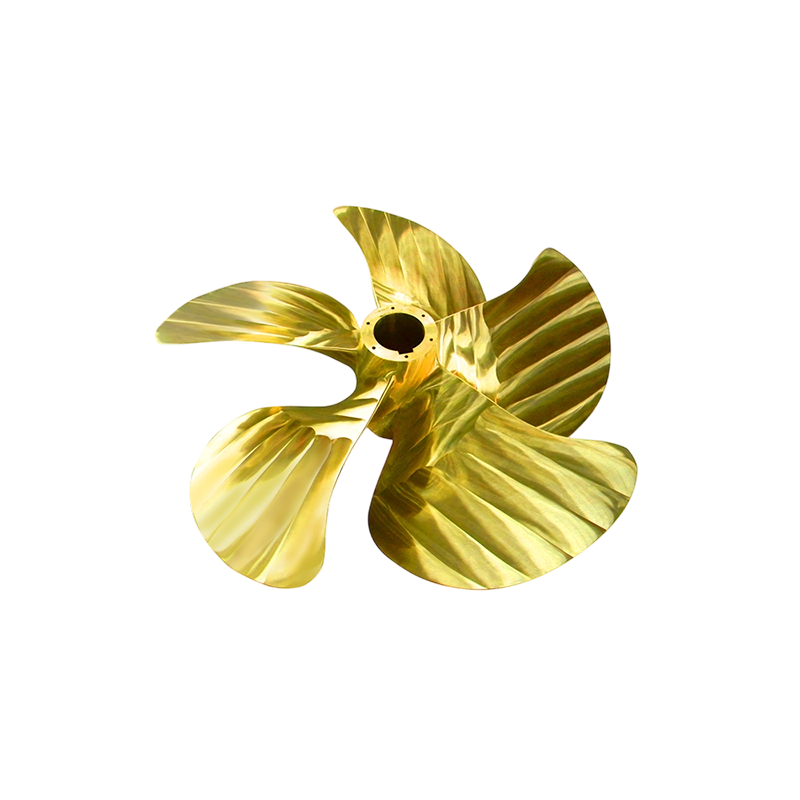
During the long-term use of FPP Fixed Pitch Propeller, in order to ensure its stable operation and extend its service life, a series of targeted maintenance work is required. First of all, the blades should be inspected and cleaned regularly. Since the blades rotate at high speed in the fluid, they are prone to attach to marine organisms (such as ship propellers), mud or impurities in the air. These attachments will increase the blade resistance, reduce propulsion efficiency, and even cause corrosion on the surface of the blades. Therefore, special tools need to be used to remove the attachments every certain period of time, and check whether there are cracks, deformation, wear, etc. If tiny cracks are found, professional materials must be repaired in time. If the damage is serious, the blades need to be replaced.
Secondly, the connection between the hub and the transmission shaft is the focus of maintenance. The tightening degree of the connecting bolts should be checked regularly to prevent the bolts from loosening due to long-term vibration. If the bolts are found to be loose, they should be re-tightened according to the prescribed torque; at the same time, the sealing performance of the connection part should be checked for water leakage (ship propeller) or air leakage (aircraft propeller). The seal should be replaced in time when the seal is aging or damaged to avoid rusting of internal parts or affecting power transmission due to seal failure.
In addition, the lubrication systems related to propellers need to be maintained regularly. For example, the bearings and other rotating components inside the hub need to be added or replaced as required to ensure the lubrication effect between the components and reduce friction and wear; for the fixed-range propeller on the aircraft, the dynamic balance performance of the propeller needs to be detected in combination with the overall maintenance cycle of the aircraft. If there is an imbalance, it is necessary to adjust it by adding balanced counterweights and other means to prevent the aircraft vibration from intensifying due to the unbalance of the propeller and affecting flight safety.
What common problems may be faced during use of FPP Fixed Pitch Propeller and how to solve them?
In actual application, FPP Fixed Pitch Propeller may encounter many common problems and need to take corresponding solutions. First, the reduction in propulsion efficiency is a common problem, which is mostly caused by blade wear, impurities attached to the surface or blade angle deviation. If the blade wears, slight wear can be repaired by grinding. If severe wear is used, the blade needs to be replaced; if there is impurities attached to the surface, clean it in time; if there is a deviation in the angle of the blade, professional instruments must be used to measure and adjust the blade angle to ensure that it meets the design requirements.
Secondly, abnormal propeller vibration is also a key issue that needs to be paid attention to, which may be due to unbalanced blades, loose connection parts or damage to internal parts of the hub. When there is an abnormal vibration, first check whether the connecting bolt is loose. If the vibration still exists after tightening the bolt, it is necessary to check the dynamic balance of the blades and perform balance adjustments. If the above measures are ineffective, the hub needs to be disassembled, check whether the internal bearings, shaft sleeves and other components are worn or damaged, and then replace the damaged parts and reassemble and debug.
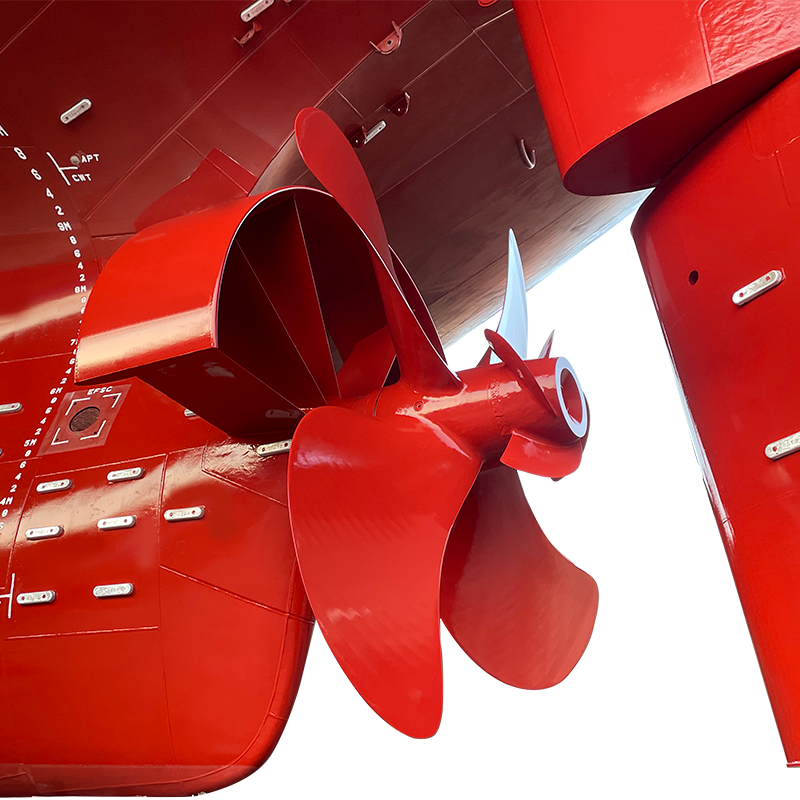
Third, for FPP Fixed Pitch Propeller for ships, blade corrosion may also occur, especially in seawater environments, where the corrosion of seawater will lead to rust and pits on the surface of the blade. To prevent and solve this problem, the blades need to be regularly anti-corrosion treatment, such as applying a special anti-corrosion coating; if corrosion has occurred, the slight corrosion pit can be repaired by polishing and re-applying the anti-corrosion coating. When severe corrosion causes the strength of the blade structure to decrease, new blades need to be replaced. At the same time, it is possible to consider choosing blade materials with stronger corrosion resistance, such as titanium alloy materials, to improve the corrosion resistance of the propeller.



 English
  中文简体
中文简体  русский
  Español
  عربى
عربى  Français
  Português
  Deutsch
  Türk
Türk