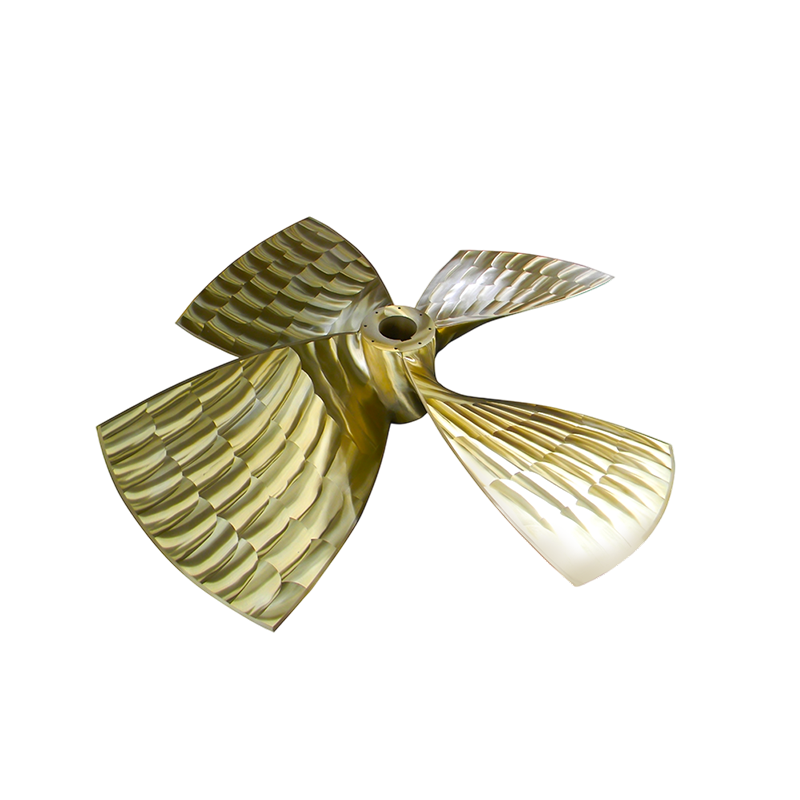
What Is a Controllable Pitch Propeller and How Does It Work?
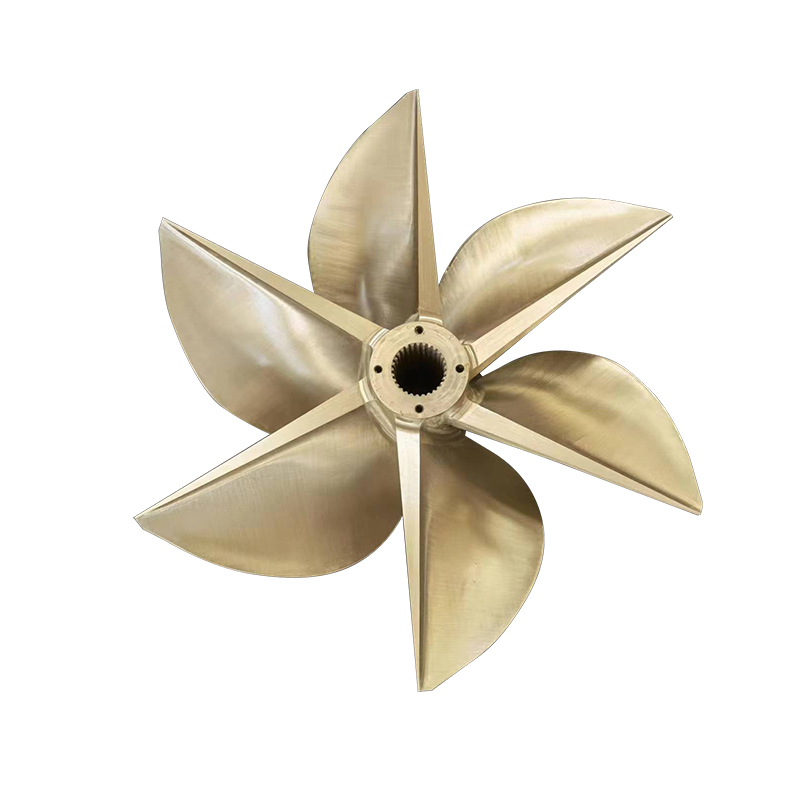
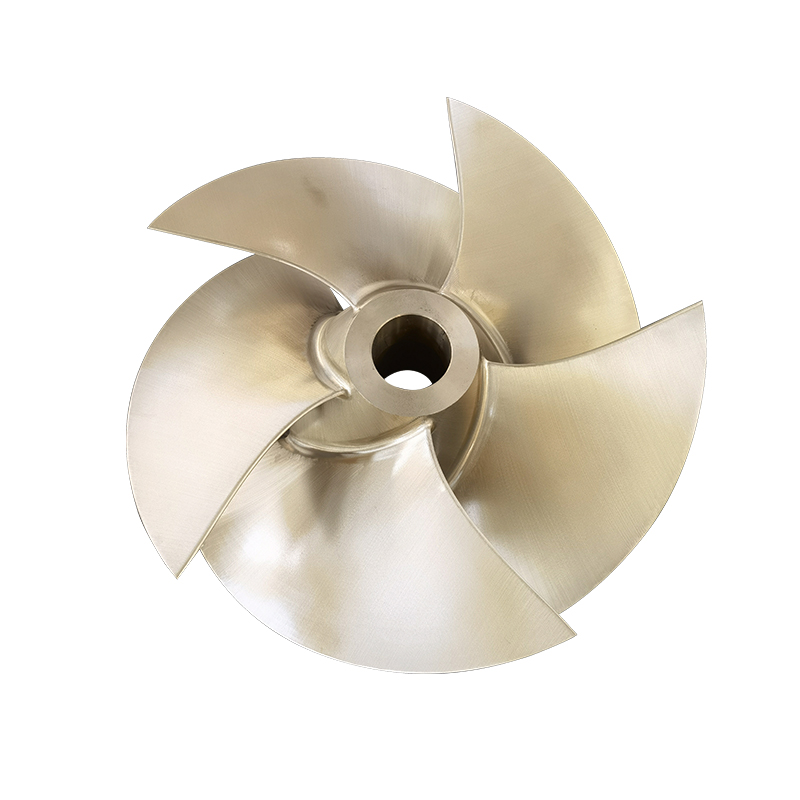
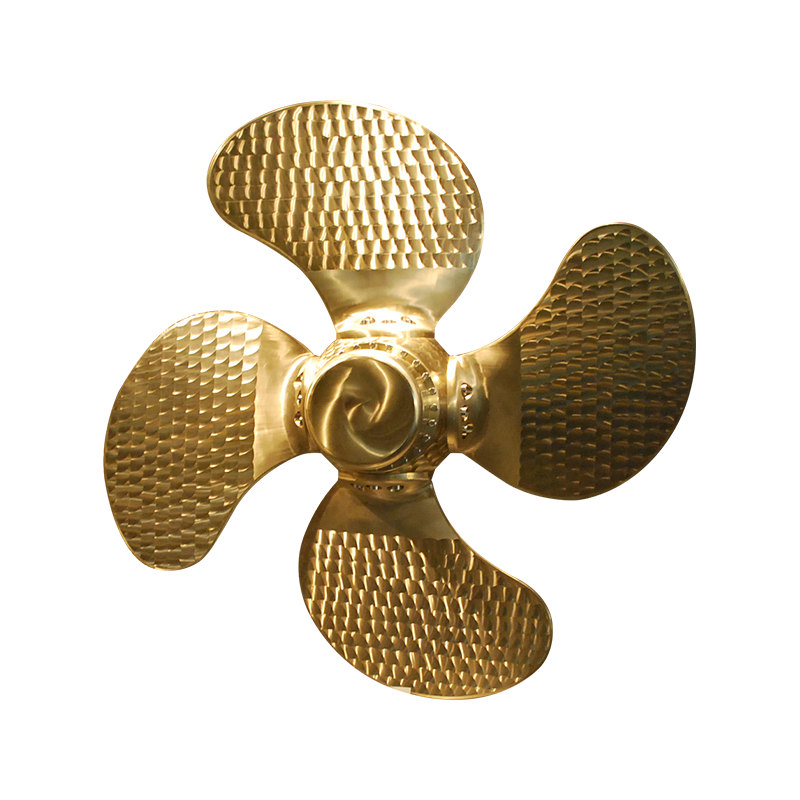
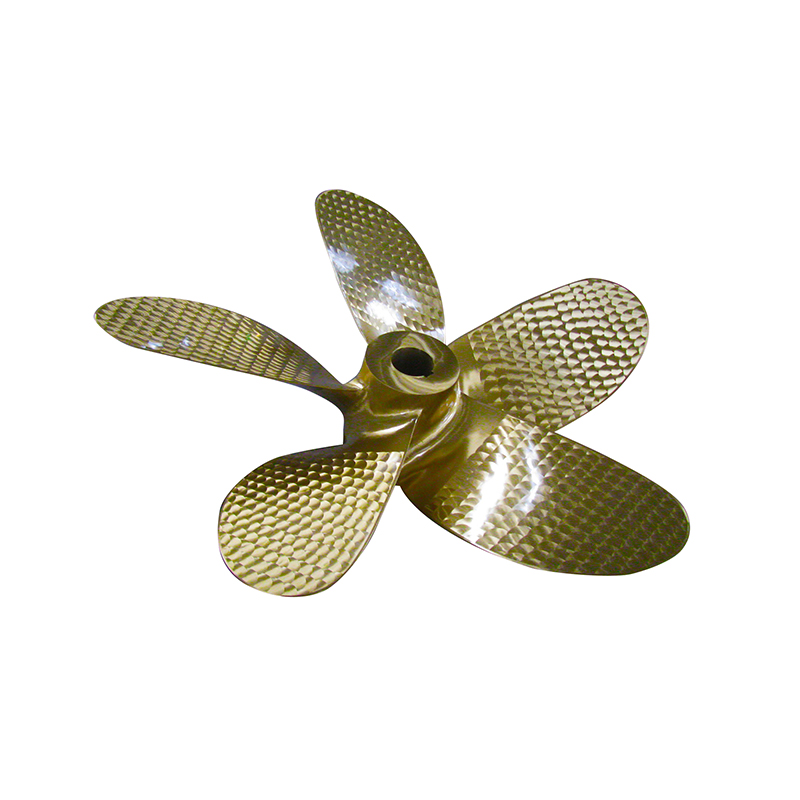
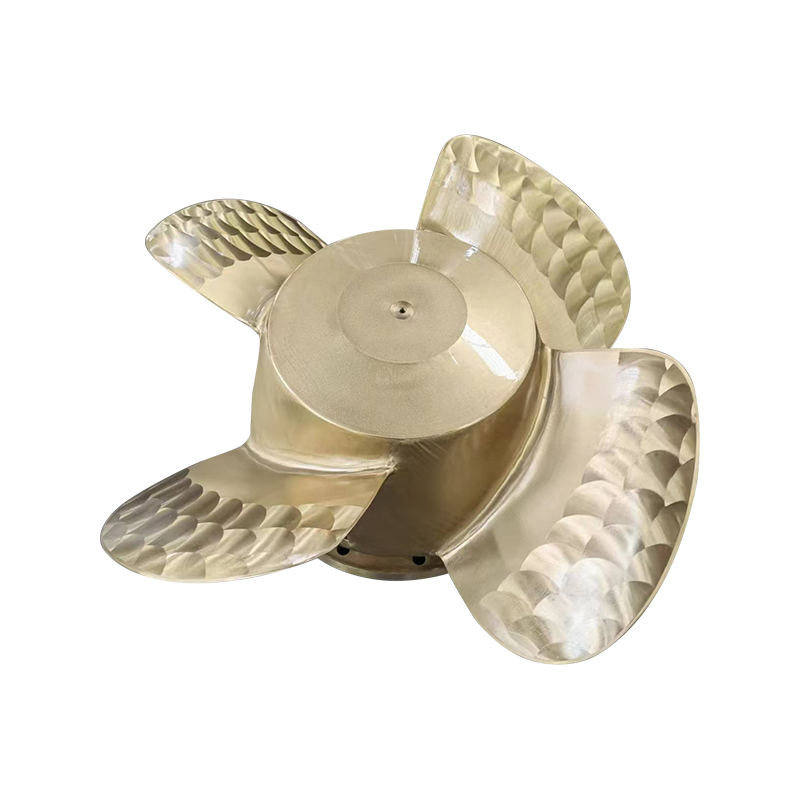
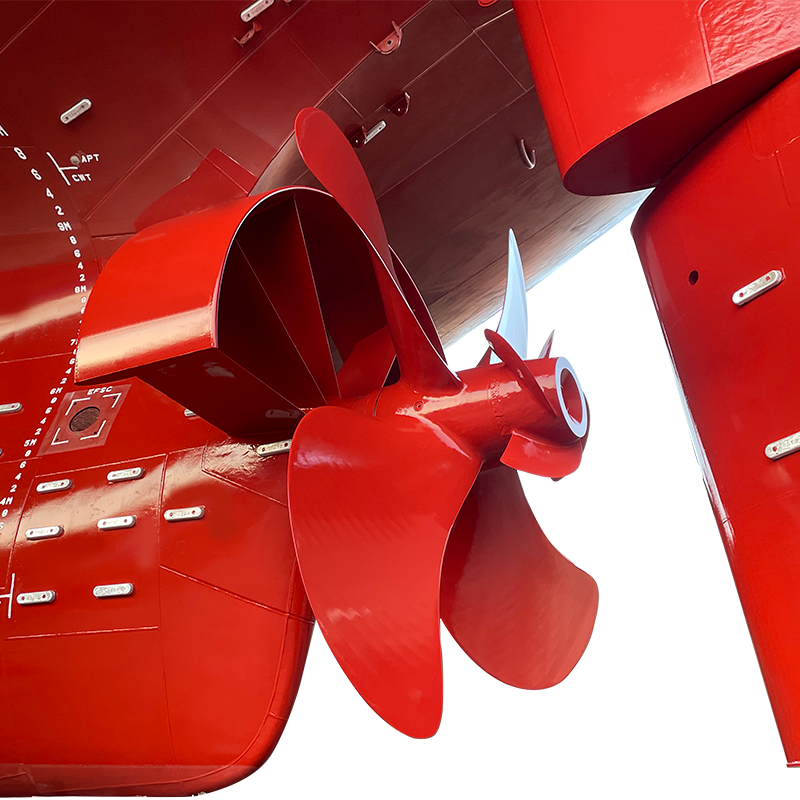
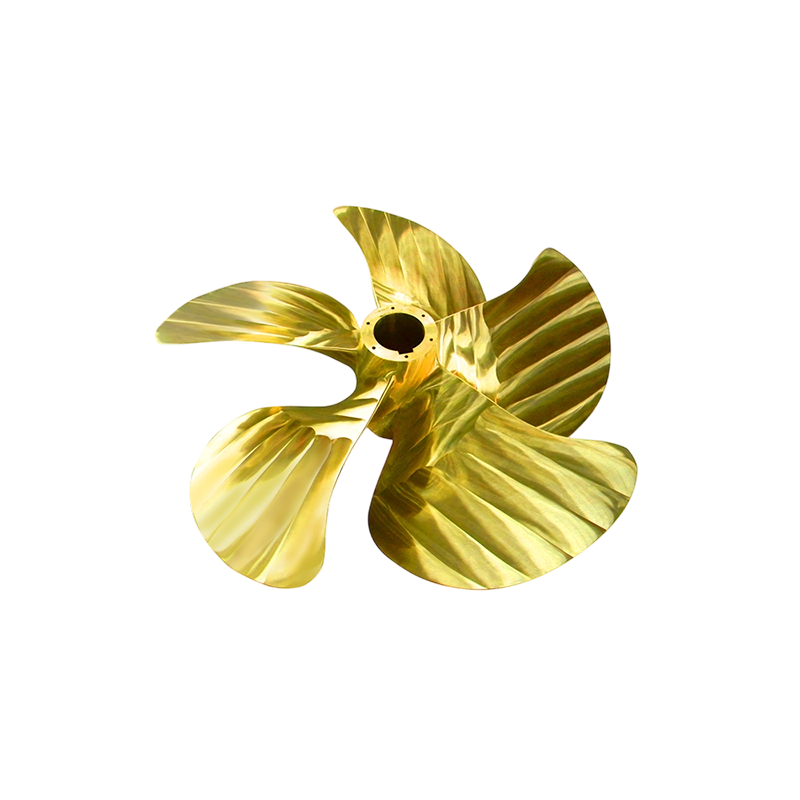
A controllable pitch propeller (CPP) is a type of propeller used in ships and other marine vessels, designed to allow the adjustment of the propeller blade pitch while the vessel is in operation. Unlike fixed-pitch propellers, where the blade angle is fixed, the CPP’s blades can rotate around their own axes to change the pitch— the angle at which the blades cut through the water.
The working principle of a CPP involves a hydraulic or mechanical control system. In a hydraulic system, oil is pumped into cylinders within the propeller hub, which then actuate pistons connected to the propeller blades. The movement of the pistons causes the blades to rotate, adjusting the pitch. A mechanical system may use gears or rods to transmit force from the control unit to the blades. By changing the pitch, the propeller can vary the amount of thrust it generates. For example, a higher pitch angle creates more thrust for faster vessel speed, while a lower pitch angle is used for slower speeds or when more torque is needed, like during docking or maneuvering. The ability to adjust pitch also allows the propeller to operate efficiently across different vessel speeds and load conditions.
What Are the Advantages of Controllable Pitch Propeller for Vessels?
Controllable pitch propellers offer several significant advantages for marine vessels. One of the key benefits is improved fuel efficiency. Since the pitch can be adjusted to match the vessel’s speed and load, the propeller can operate at its optimal efficiency point in various conditions. For instance, when a vessel is carrying a heavy load, a higher pitch can be set to generate more thrust without increasing engine speed excessively, reducing fuel consumption compared to a fixed-pitch propeller that may need higher engine RPM to achieve the same thrust.
Another advantage is enhanced maneuverability. During docking or tight maneuvering, the pitch can be adjusted to a low angle or even a reverse pitch (where the blades push water forward instead of backward), allowing the vessel to slow down, stop, or reverse quickly without needing to change the direction of the engine rotation. This eliminates the need for a separate reverse gear in the propulsion system, simplifying operation and improving response time.
Controllable pitch propellers also reduce engine wear. Since the engine can operate at a relatively constant speed while the pitch adjusts to change thrust, the engine avoids the frequent speed changes that can cause additional wear and tear. This is particularly beneficial for large vessels with high-power engines, as it extends the engine’s lifespan and reduces maintenance costs. Additionally, in emergency situations, the ability to quickly adjust the pitch to reduce thrust or reverse direction can improve the vessel’s safety, helping to avoid collisions or other accidents.
In Which Types of Vessels Are Controllable Pitch Propellers Commonly Used?
Controllable pitch propellers are commonly used in a variety of vessel types where efficiency, maneuverability, and flexibility are important. Large commercial vessels, such as cargo ships and tankers, frequently use CPPs. These vessels often carry varying loads and operate at different speeds across long voyages, so the ability to adjust pitch for optimal fuel efficiency is crucial for reducing operational costs. Tankers, in particular, benefit from the improved maneuverability during loading and unloading at ports.
Ferries and passenger ships also rely on controllable pitch propellers. Ferries need to make frequent stops at ports, requiring quick acceleration, deceleration, and reversing—CPPs allow for smooth and rapid adjustments to thrust, ensuring on-time schedules and safe docking. Passenger ships prioritize comfort, and the constant engine speed enabled by CPPs reduces vibration and noise, enhancing the passenger experience.
Offshore vessels, such as oil rig supply ships and offshore support vessels, are another common application. These vessels operate in challenging offshore environments, often needing to maintain position (dynamic positioning) or perform precise maneuvers around oil rigs. The ability to adjust pitch quickly and accurately helps these vessels stay stable and operate efficiently in rough seas. Additionally, some military vessels use CPPs for their enhanced maneuverability and ability to operate efficiently at different speeds, which is important for various mission requirements.



 English
  中文简体
中文简体  русский
  Español
  عربى
عربى  Français
  Português
  Deutsch
  Türk
Türk