What Design Optimizations Reduce Hydrodynamic Resistance?
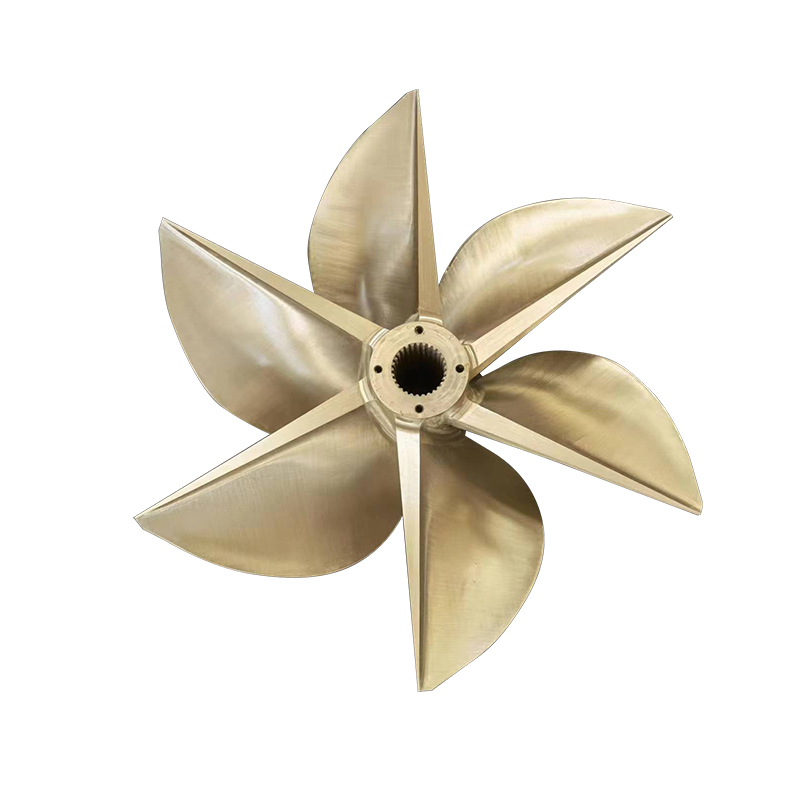
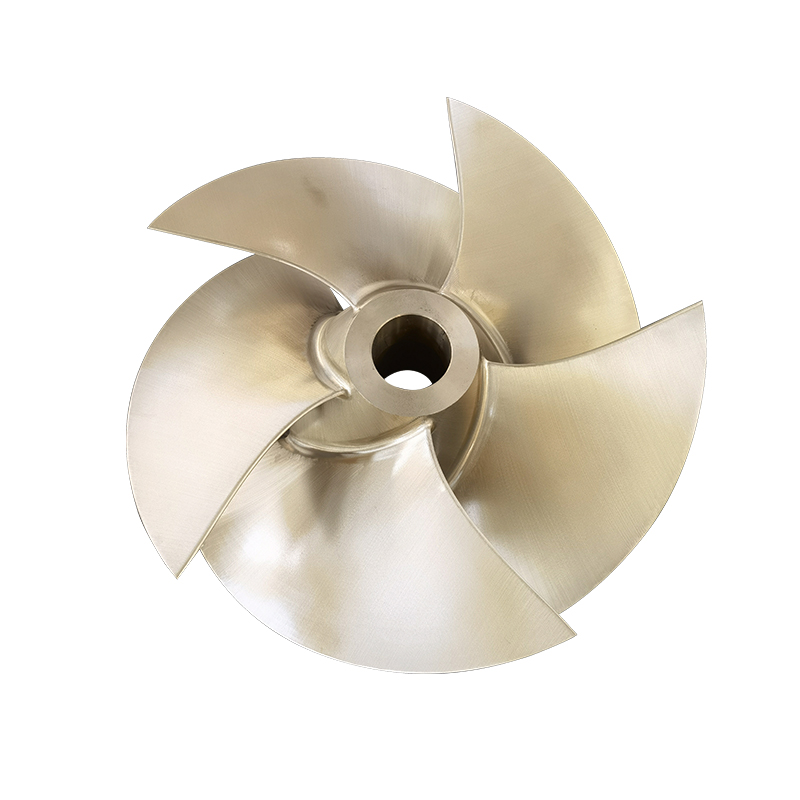
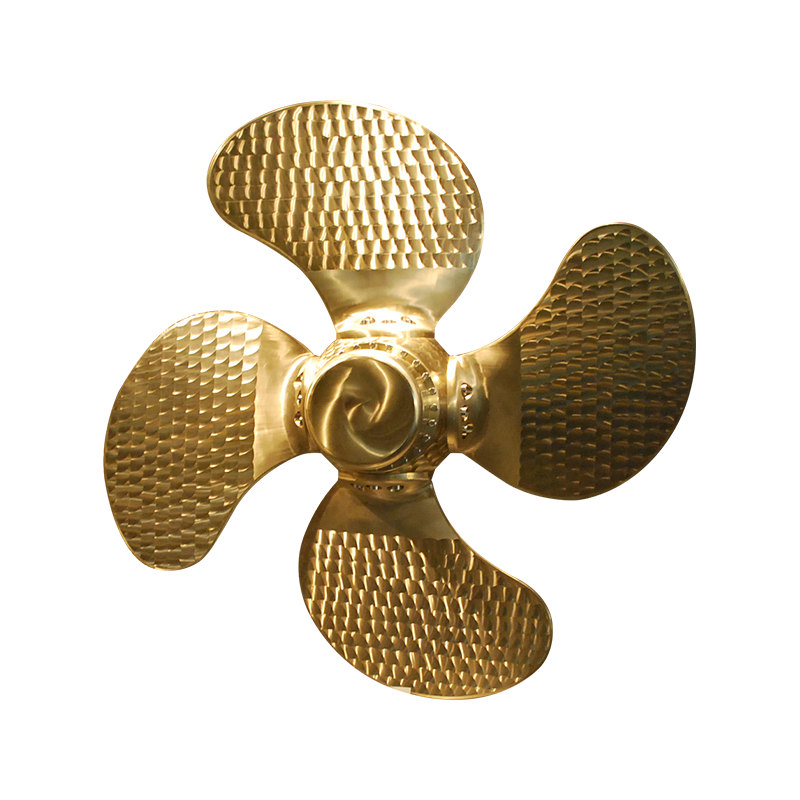
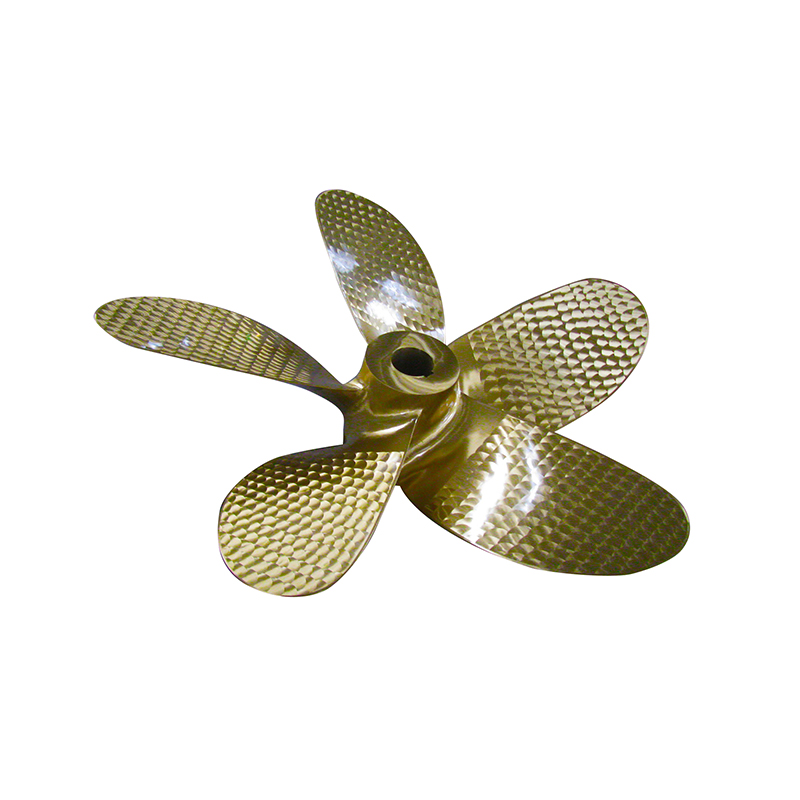
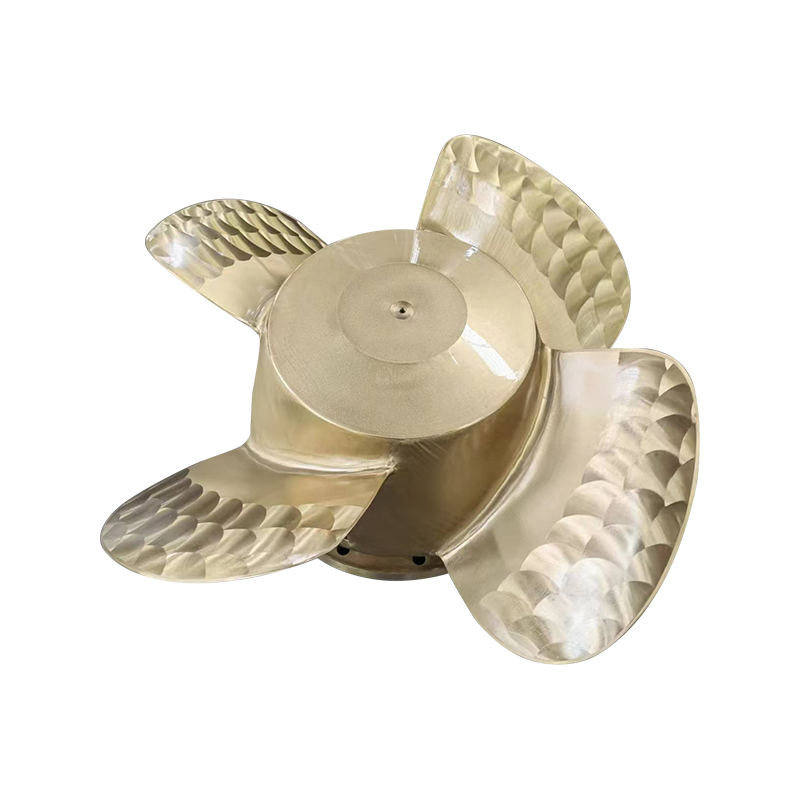
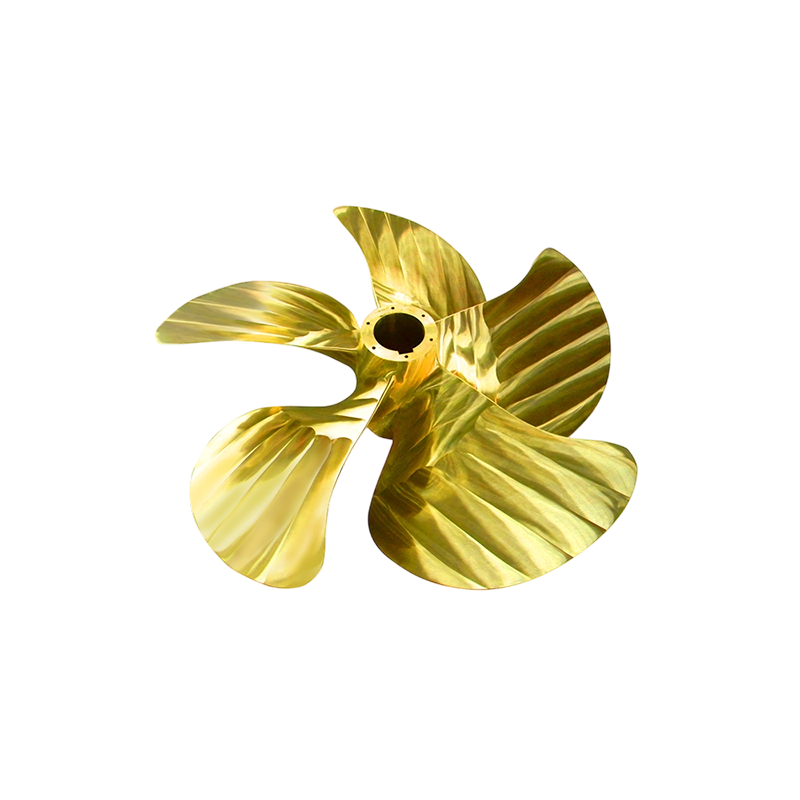
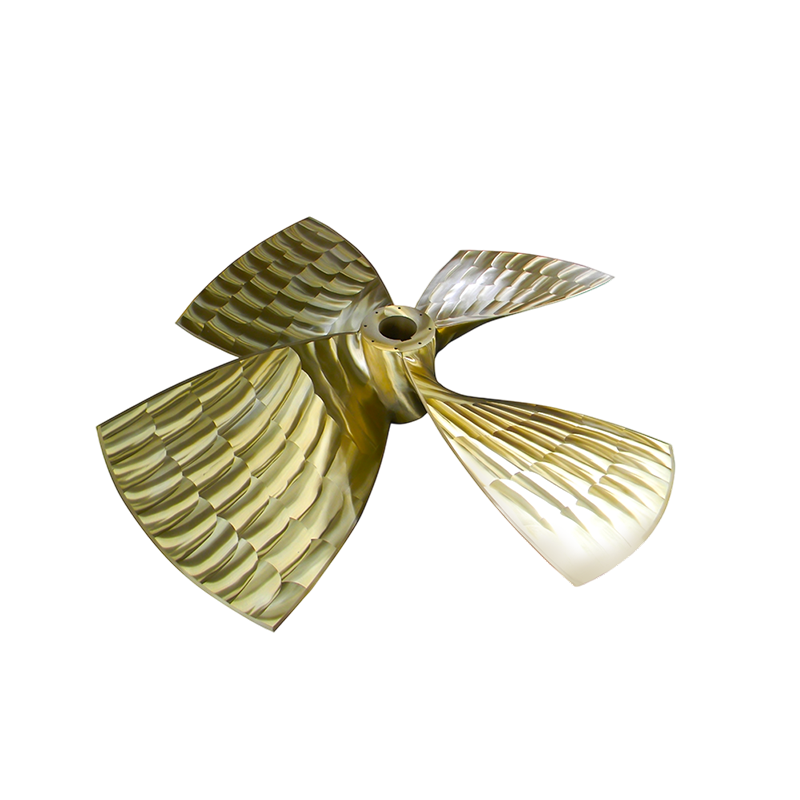
High-speed passenger ship propellers minimize energy waste by shaping water flow strategically. Modern designs feature curved blade profiles—often with twisted tips—that reduce turbulence, a major source of drag. The number of blades is also calibrated: fewer blades (typically 3 or 4 for high-speed ships) decrease resistance at high velocities, while optimized spacing between blades prevents interference. Some propellers include "winglets" at the blade tips, which curb vortex formation and recapture energy otherwise lost to swirling water.
How Do Advanced Materials Enhance Efficiency?
Material choice directly impacts performance and energy use. Lightweight, high-strength alloys—like titanium or composite materials—reduce the propeller’s rotational mass, requiring less engine power to maintain speed. These materials also resist corrosion from saltwater, preserving the propeller’s aerodynamic shape over time. Unlike traditional steel, composites can be molded into more precise, complex shapes that further optimize water flow, ensuring consistent efficiency throughout the propeller’s lifespan.
What Smart Technologies Adjust Performance in Real Time?
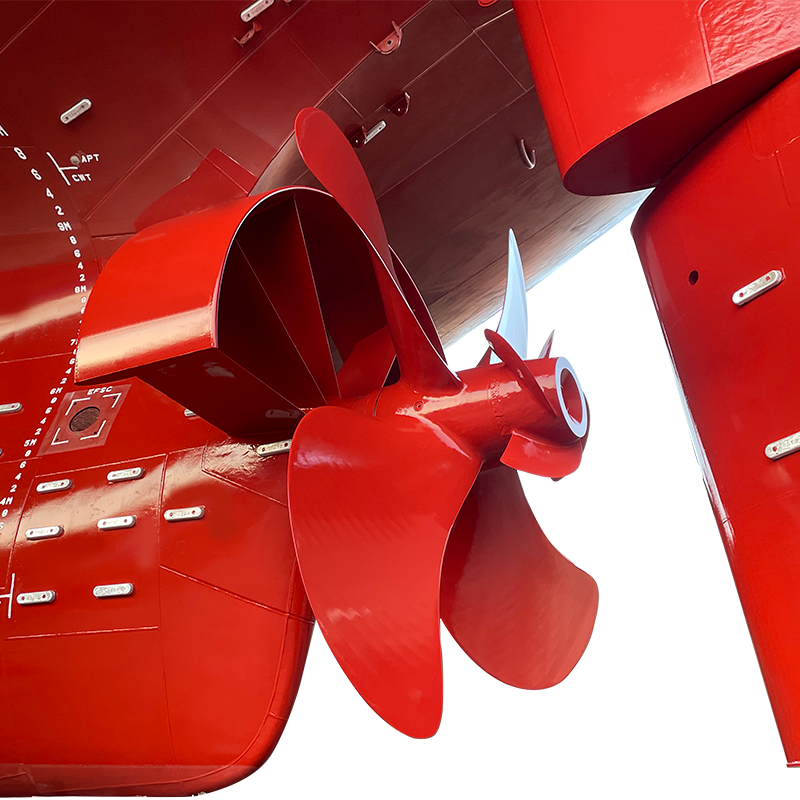
Intelligent systems adapt propeller operation to changing conditions for maximum efficiency. Variable-pitch propellers allow blade angles to be adjusted while the ship is moving—steeper angles for acceleration, shallower angles for cruising. Sensors monitor water depth, current speed, and engine load, feeding data to a control system that fine-tunes pitch or rotation speed. This adaptability ensures the propeller always operates at its most efficient point, reducing fuel consumption even in unpredictable sea conditions.



 English
  中文简体
中文简体  русский
  Español
  عربى
عربى  Français
  Português
  Deutsch
  Türk
Türk