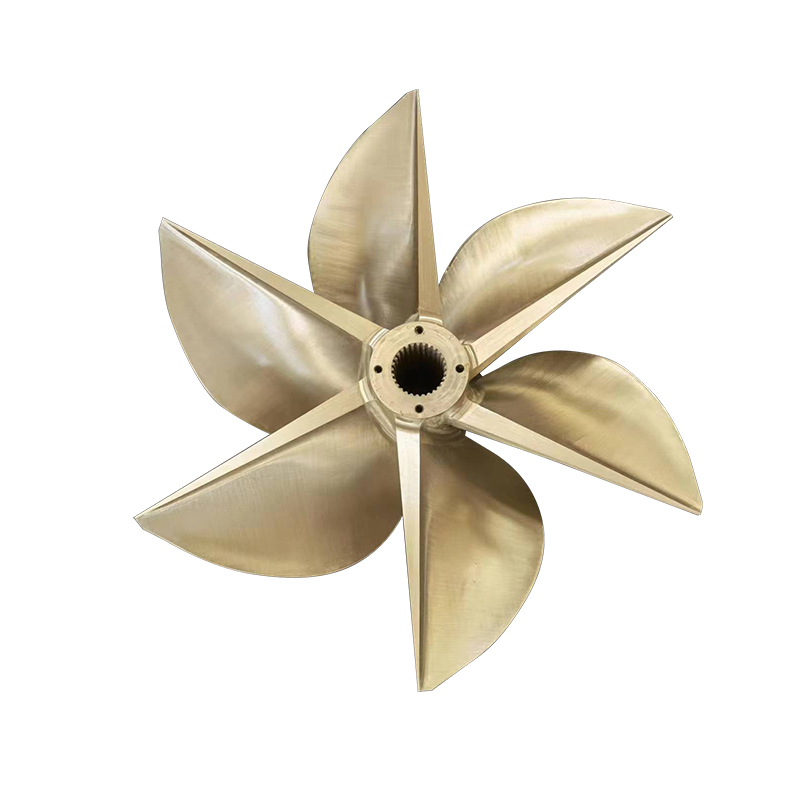
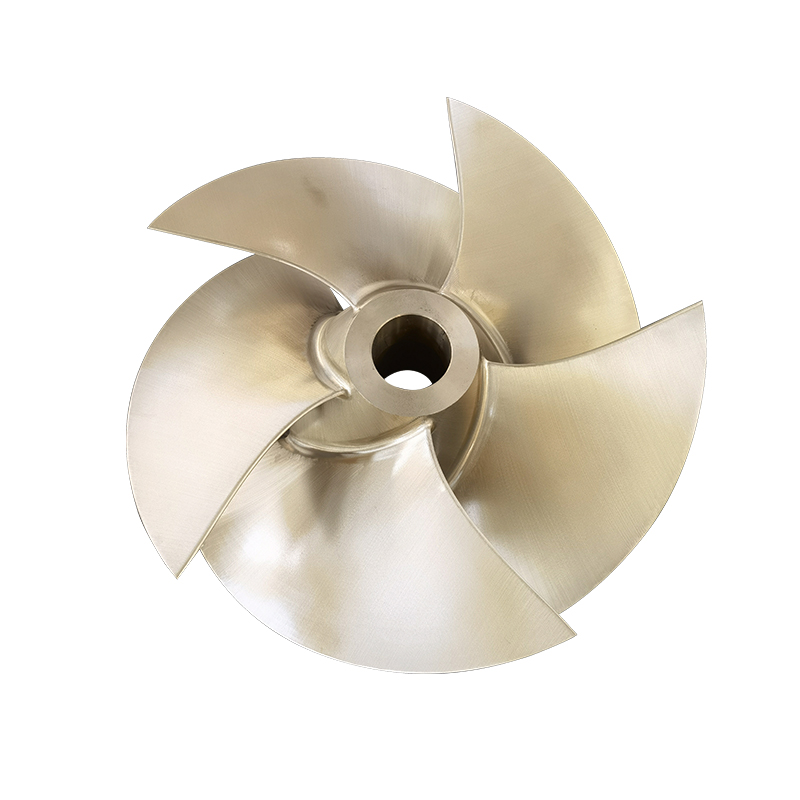
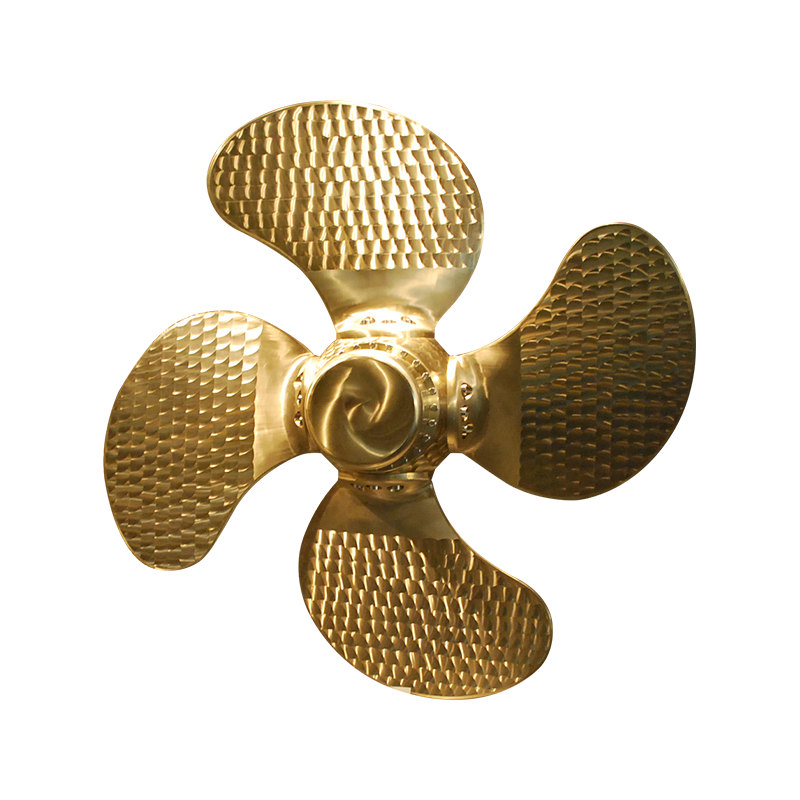
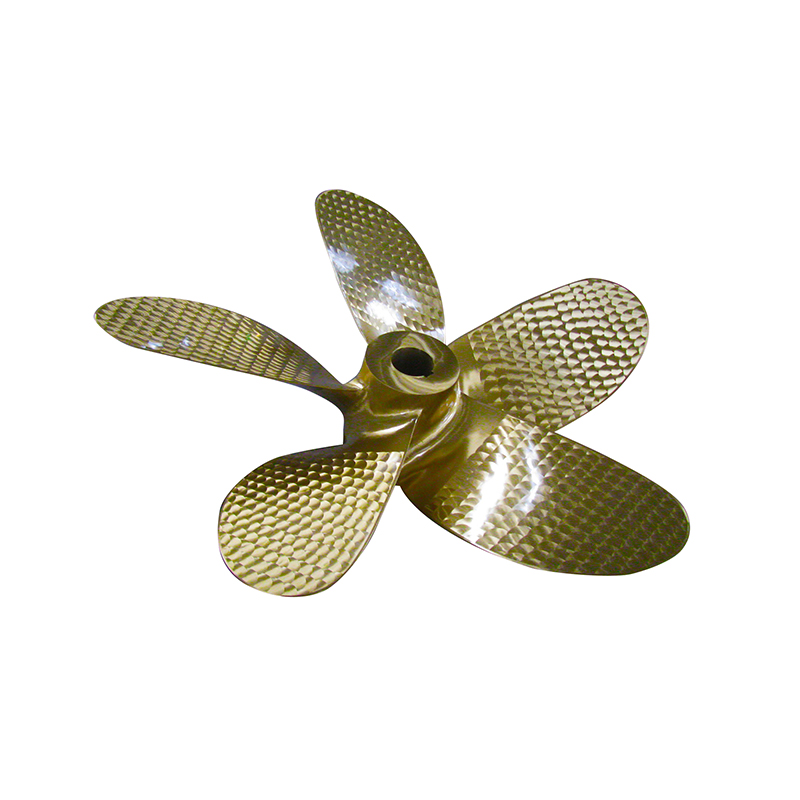
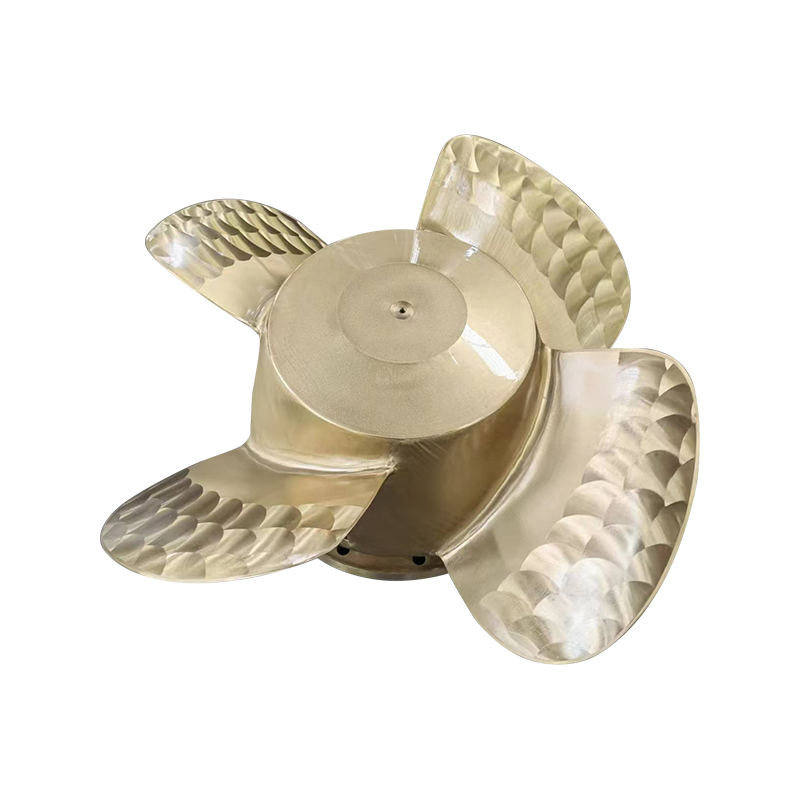
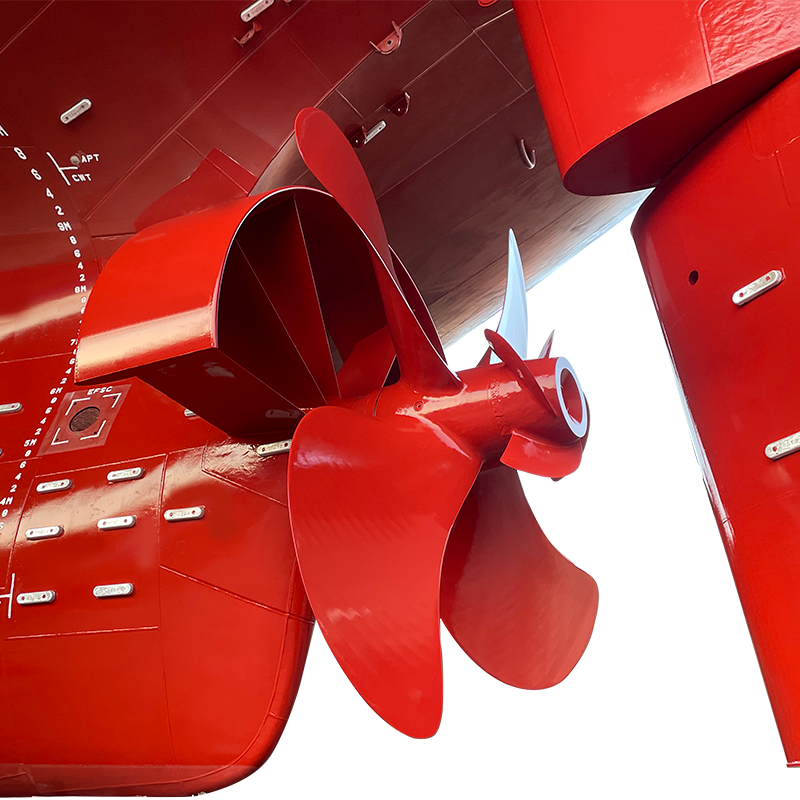
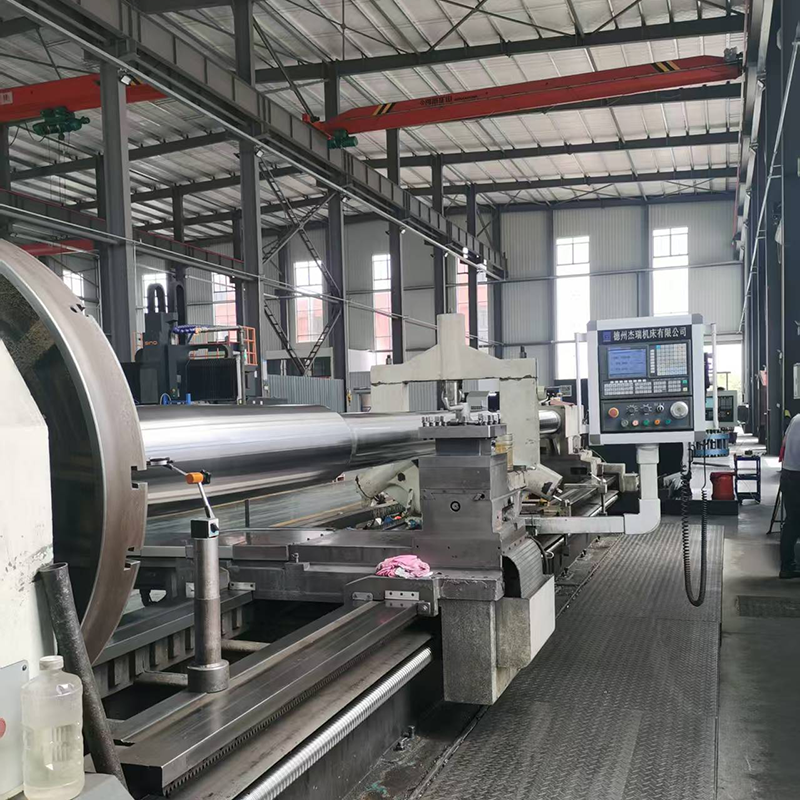
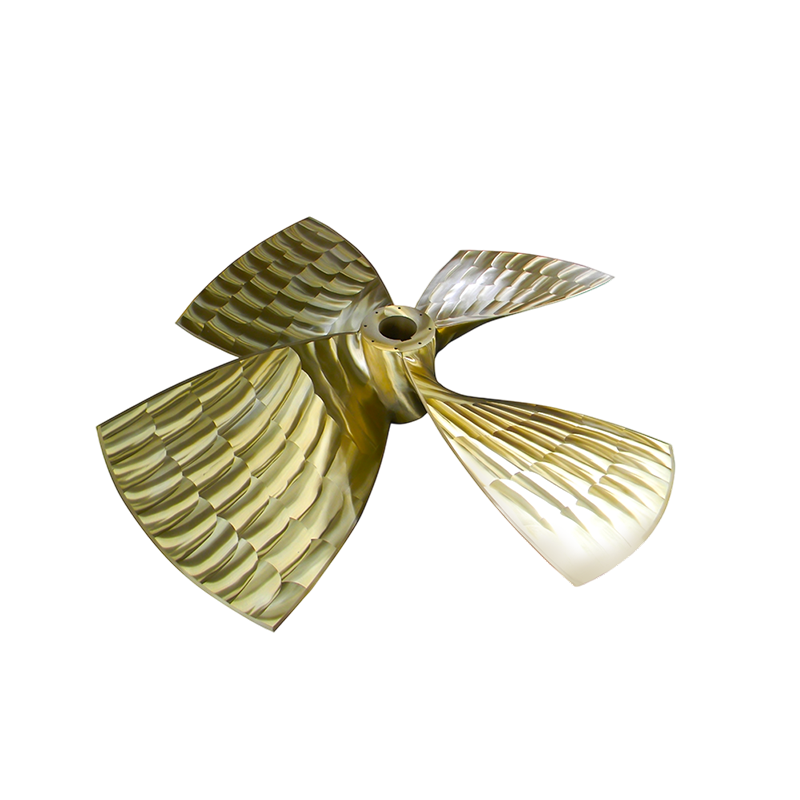
In industrial equipment—especially systems involving rotational motion and power transmission, such as conveyor belts, precision machinery, and automated production lines—CPP hubs act as critical connecting and supporting components. Their quality directly influences equipment stability, operational efficiency, and maintenance costs. High-quality CPP hubs stand out in harsh industrial environments, thanks to integrated advantages in performance, durability, and adaptability. Below is a detailed breakdown of their core strengths.
How Do High-Quality CPP Hubs Ensure Stable Power Transmission?
Skipping the focus on stable power transmission and opting for low-quality CPP hubs is a common oversight, but it can lead to frequent equipment disruptions. High-quality CPP hubs achieve reliable power transmission through precision design and structural optimization.
First, they feature tight fit accuracy with matching components (e.g., shafts and gears). Advanced manufacturing processes—such as computer-aided machining (CAM)—control dimensional tolerances within micron-level ranges, eliminating gaps between the hub and connected parts. This prevents power loss caused by "slip" during rotation and avoids vibration from uneven force distribution.
Second, their structural rigidity is significantly enhanced. The hub body often incorporates reinforced rib structures or one-piece molding, which distributes torque evenly across the entire component when transmitting power. Unlike low-quality hubs that deform under load, high-quality alternatives maintain structural integrity even in high-torque scenarios (e.g., heavy-duty conveyor systems), ensuring power is delivered to execution units (like rollers or blades) stably and efficiently.
This stability directly improves product quality: for example, in printing or coating equipment, consistent rotational speed from the CPP hub prevents material offset or uneven thickness in finished products.
Why Do High-Quality CPP Hubs Have Longer Service Lives in Industrial Environments?
Industrial sites are typically exposed to dust, moisture, chemical corrosion, and continuous mechanical wear—factors that accelerate component aging. High-quality CPP hubs extend their service life through careful material selection and protective design.
In terms of materials, they often use high-strength alloy metals or modified engineering plastics with inherent wear and corrosion resistance. For instance, alloy-based hubs undergo surface hardening treatments (e.g., carburizing or nitriding) to boost hardness and wear resistance, while plastic-based hubs adopt corrosion-resistant polymers (with chemical stability similar to that of polypropylene in CPP films) to withstand acid/alkali splashes in food processing or chemical production.
Additionally, they integrate sealed and lubrication-optimized designs. Specialized sealing rings (e.g., O-rings or lip seals) prevent dust and liquid ingress, while pre-lubricated precision bearings reduce internal friction. This dual protection minimizes wear between moving parts: tests show that high-quality CPP hubs can operate continuously for 3–5 years under standard industrial conditions, compared to just 1–2 years for low-quality alternatives. Their long service life directly reduces equipment downtime caused by component replacement.
How Do High-Quality CPP Hubs Adapt to Diverse Industrial Working Conditions?
Industrial equipment operates under varied conditions—from high-temperature baking lines (80–120°C) to low-temperature cold storage (-20°C), and from light-load precision machinery (e.g., electronic assembly lines) to heavy-load mining equipment. High-quality CPP hubs demonstrate strong environmental adaptability.
For temperature resistance, their materials are selected for broad thermal stability. Metal hubs use heat-resistant alloys (e.g., stainless steel 316) that retain mechanical properties without brittleness at low temperatures or softening at high temperatures. Plastic-based hubs, meanwhile, adopt high-melting-point modified resins (avoiding the thermal deformation issues of ordinary plastics), making them suitable for both high-temperature drying equipment and cold-chain conveyor systems.
In terms of load adaptability, they offer graded design options. Manufacturers adjust material thickness and structural stress points based on equipment load requirements (light, medium, heavy-duty). For example, heavy-duty hubs use thicker alloy bodies and reinforced flange connections to withstand loads exceeding 10,000 N, while lightweight precision hubs prioritize compact design without sacrificing strength—ideal for electronic assembly equipment where space is limited.
This versatility eliminates the need for customizing hubs for specific equipment, reducing procurement complexity and inventory costs for enterprises.
How Do High-Quality CPP Hubs Reduce Overall Equipment Operating Costs?
While high-quality CPP hubs have higher initial procurement costs, their total cost of ownership (TCO) is significantly lower due to multiple cost-saving advantages.
First, reduced maintenance costs. Their long service life and stable performance minimize the frequency of disassembly and replacement. Unlike low-quality hubs that require monthly inspections and quarterly replacements, high-quality ones only need annual routine maintenance—cutting labor and spare parts expenses by 60% or more.
Second, lower energy consumption. The precision fit and low-friction design reduce power loss during transmission. For example, in a production line with 10+ CPP hubs, replacing low-quality with high-quality ones can reduce overall equipment energy consumption by 5–8%—a substantial saving for enterprises with 24/7 operation.
Third, avoidance of failure-related losses. Equipment breakdowns caused by hub failure (e.g., sudden shutdowns due to hub deformation) often lead to production interruptions and defective products. High-quality CPP hubs, with their reliable performance, reduce such failure risks by over 90%, avoiding losses from unplanned downtime and scrap.
How Do High-Quality CPP Hubs Support Equipment Upgrades and Compatibility?
As industrial automation advances, equipment often requires upgrades (e.g., increased speed or load) or integration with new components. High-quality CPP hubs accommodate these changes through modular design.
They feature standardized interface dimensions that comply with international industrial standards (e.g., ISO or DIN), ensuring compatibility with new shafts, motors, or transmission modules during upgrades. For example, replacing an old motor in a packaging line does not require replacing the entire hub—only adapting the connecting interface, which saves upgrade costs.
Moreover, their modular structure allows for functional expansion. Some high-quality hubs reserve mounting positions for sensors (e.g., speed or temperature detectors), enabling real-time monitoring of rotational status when integrating with intelligent control systems. This supports the transformation of traditional equipment into smart, data-driven systems—aligning with the needs of Industry 4.0.
In summary, high-quality CPP hubs are not just ordinary mechanical components but "core stabilizers" of industrial equipment. Their advantages in stable transmission, long durability, environmental adaptability, cost efficiency, and compatibility make them indispensable for improving production efficiency, reducing operational risks, and enhancing equipment competitiveness. For enterprises, investing in high-quality CPP hubs is a cost-effective strategy to achieve sustainable industrial operations.



 English
  中文简体
中文简体  русский
  Español
  عربى
عربى  Français
  Português
  Deutsch
  Türk
Türk