


 English
  中文简体
中文简体  русский
  Español
  عربى
عربى  Français
  Português
  Deutsch
  Türk
Türk
JINYE
JINYE
JINYE
JINYE
JINYE
JINYE
JINYE
JINYE
JINYE
JINYE
JINYE
JINYE
JINYE
JINYE
JINYE
JINYE

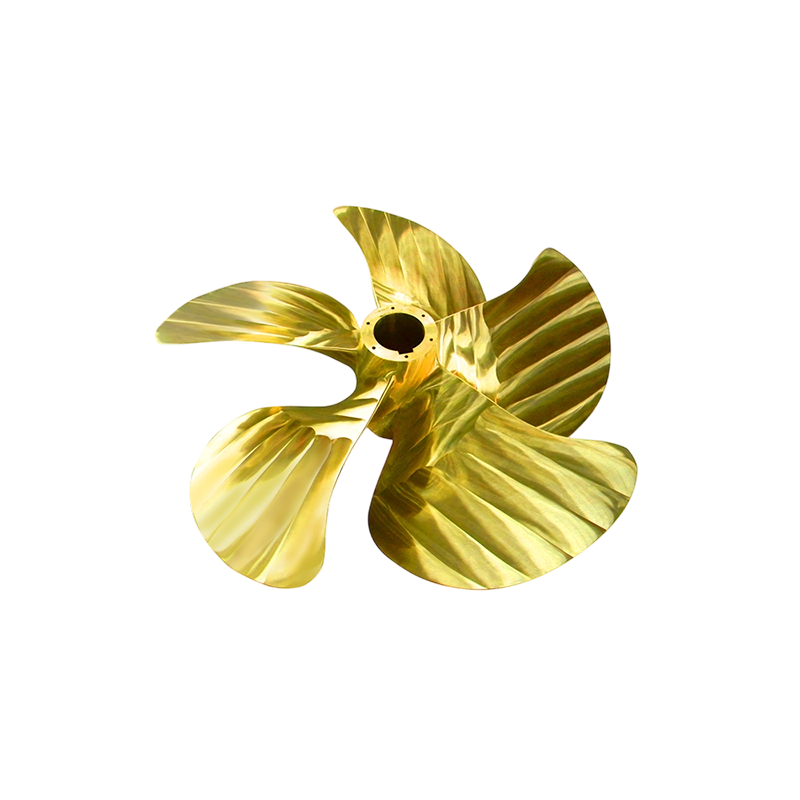
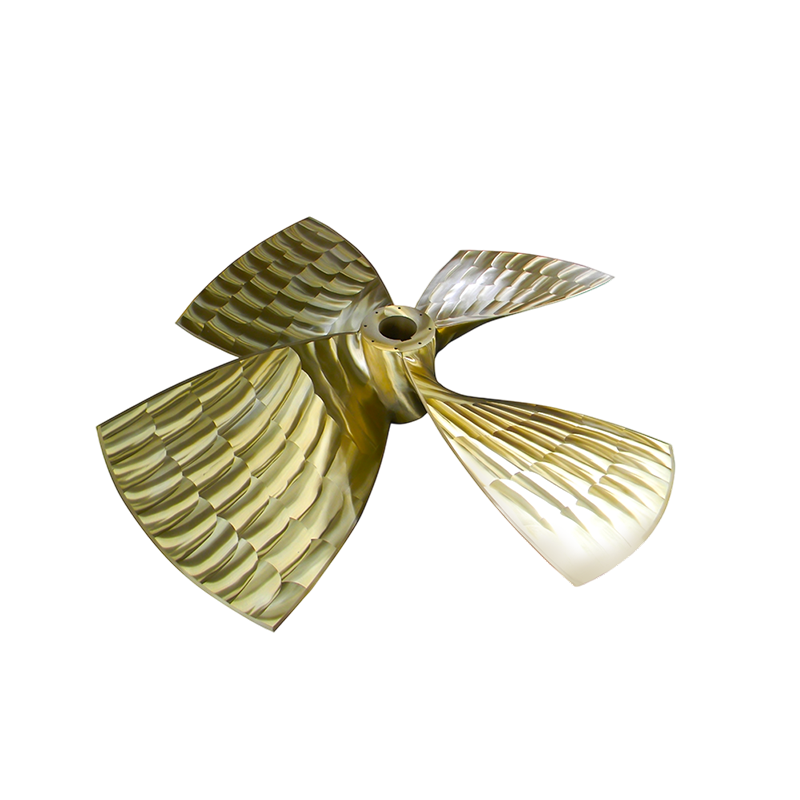
What is a FPP Fixed Pitch Propeller?
In the aviation and marine fields, the power transmission system is the core determinant of vehicle performance, and the FPP Fixed Pitch Propeller is one of the most widely used and oldest propulsion components.
Whether in light sport aircraft (LSAs) or small to medium-sized vessels, FPP Fixed Pitch Propellers occupy an important position due to their unique structure and high reliability.
I. Definition and Structure of a FPP Fixed Pitch Propeller
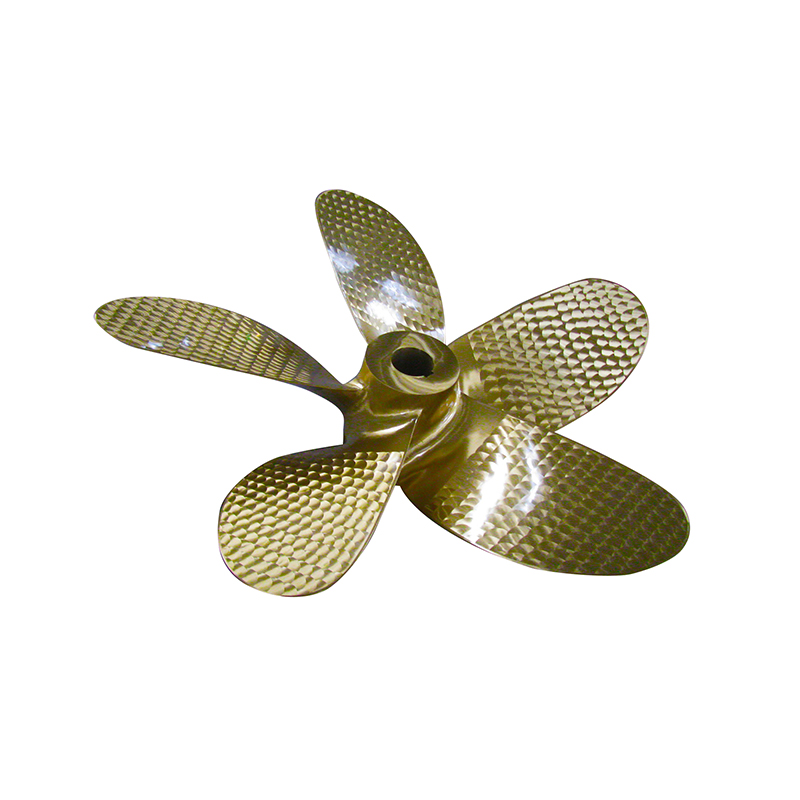
A FPP Fixed Pitch Propeller is a propeller in which the installation angle (i.e., pitch angle) of the blades relative to the hub remains constant after manufacturing.
Structural Characteristics: Because it does not require complex pitch-changing mechanisms (such as hydraulic or electric adjustment devices), this type of propeller is usually cast or machined from a single piece of material (such as wood, aluminum alloy, or composite materials).
II. How Does It Work?
The working principle of a FPP Fixed Pitch Propeller is based on Bernoulli's principle and Newton's third law. When the engine drives the blades to rotate, the airfoil profile of the blades generates lift (i.e., thrust or pull).
Because the pitch angle is fixed, the efficiency of this propeller typically peaks only at specific flight or sailing speeds:
Fine pitch (climb propeller): Smaller pitch angle, good takeoff and climb performance, but limited cruise speed.
Large pitch (cruise propeller): Larger pitch angle, high cruise efficiency and fuel economy, but weaker takeoff thrust.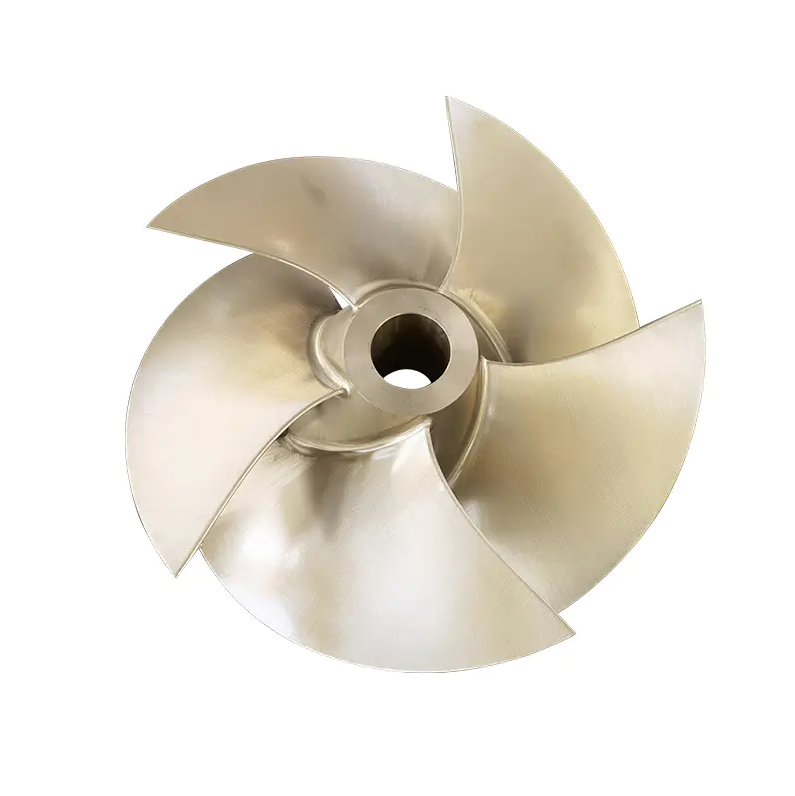
III. Advantages of Fixed Pitch Propellers
Why are fixed pitch propellers still the mainstream choice in today's highly automated world?
Low cost: Relatively simple manufacturing process, no complex internal components, and procurement costs are far lower than constant speed propellers (variable pitch propellers).
Simple maintenance: No hydraulic seals or electronic actuators, virtually no risk of mechanical failure, and long maintenance intervals.
Lightweight: Compact structure, effectively reducing the empty weight of aircraft or ships, especially important for small vehicles.
Intuitive operation: The pilot only needs to control the engine speed (RPM) via the throttle, without the need for additional propeller angle adjustments, simplifying the operating logic.
IV. Limitations
While reliable, the "unchanging" nature of FPP Fixed Pitch Propellers leads to performance trade-offs:
Efficiency is limited: Unlike variable-pitch propellers, they cannot maintain optimal efficiency across all phases, including takeoff, climb, and cruise.
Lack of reverse thrust: Most FPP Fixed Pitch Propellers cannot achieve reverse pitch, resulting in mediocre performance when shortening landing distances or during emergency ship stops.
V. Application Areas
Currently, FPP Fixed Pitch Propellers are widely used in the following areas:
General Aviation: Trainer aircraft such as the Cessna 172 and Robinson helicopters (tail rotor), and private aircraft.
Recreational Sailing: Small motorboats, auxiliary power for sailboats, and leisure yachts.
Unmanned Aerial Vehicles (UAVs): Consumer-grade multi-rotor UAVs almost entirely employ fixed-pitch designs, using algorithms to adjust motor speeds to compensate for performance issues.
FPP Fixed Pitch Propellers represent "simple yet sophisticated" in power engineering. They achieve an excellent balance between cost, weight, and performance. Although it has been gradually replaced by variable pitch technology in large commercial aircraft and high-performance ships, it remains an irreplaceable propulsion core in the fields of basic transportation and entertainment vehicles.
PREV:How does a controllable pitch propeller (CPP) work?
NEXT:What is a Controllable Pitch Propeller?
NEXT:What is a Controllable Pitch Propeller?
Interested in working together or need more info?
Related products
Get in Touch Now!
We're Here to Assist with
All Your Requirements
© Copyright Zhenjiang Jinye Propeller Co.,Ltd. All Rights Reserved. China Marine Copper Propeller Manufacturers Custom Marine Propeller Factory
