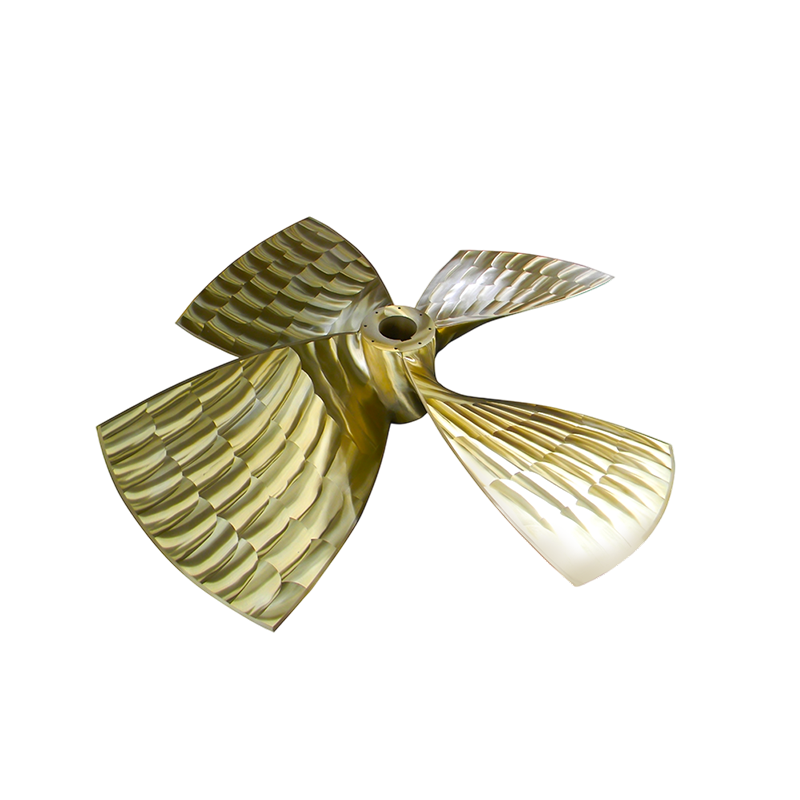
What Exactly is a Propeller Boss Cap Fin?
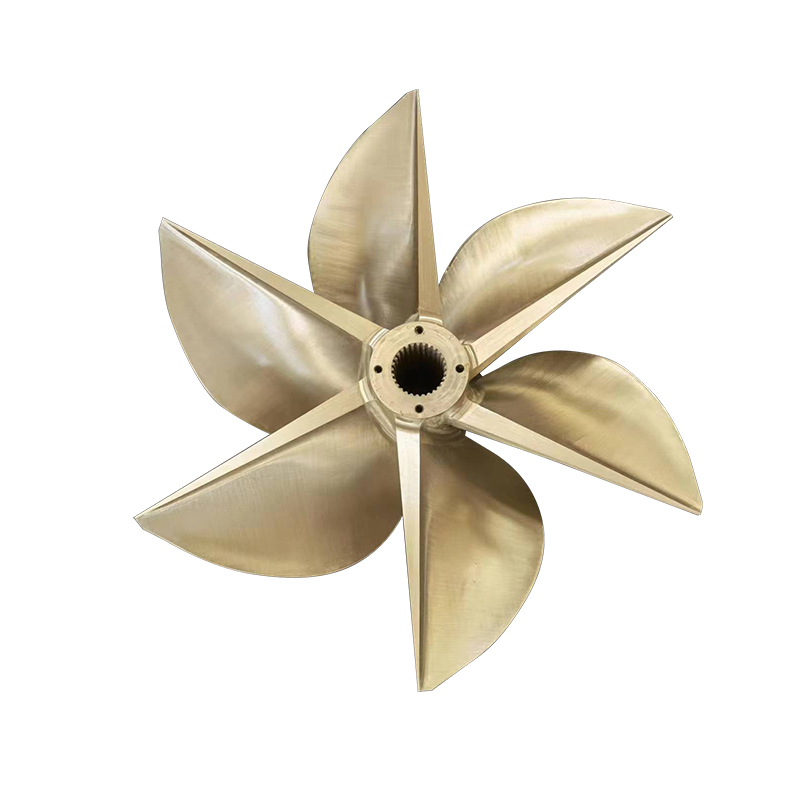
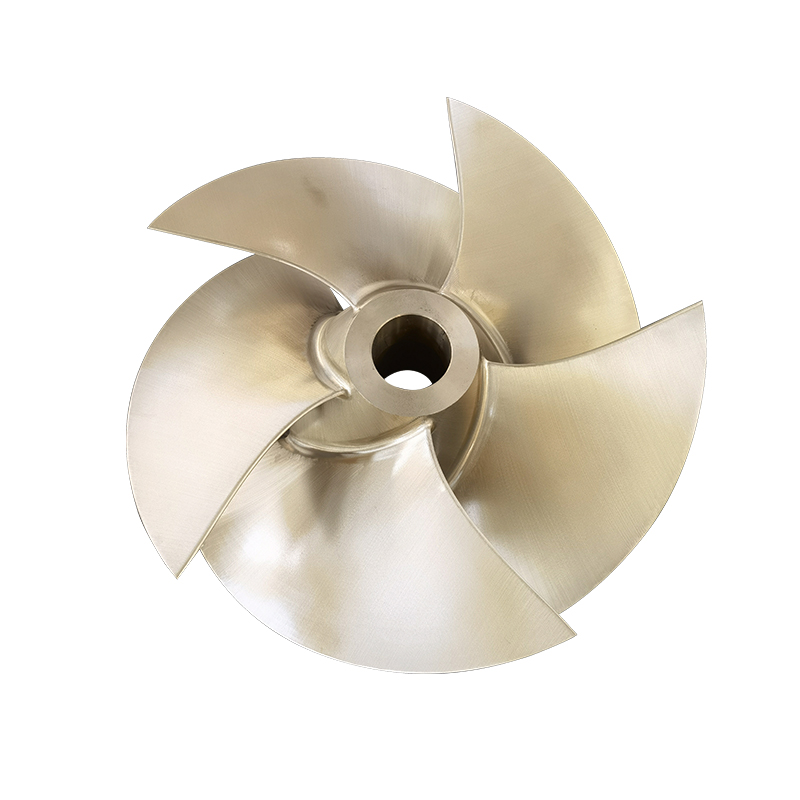
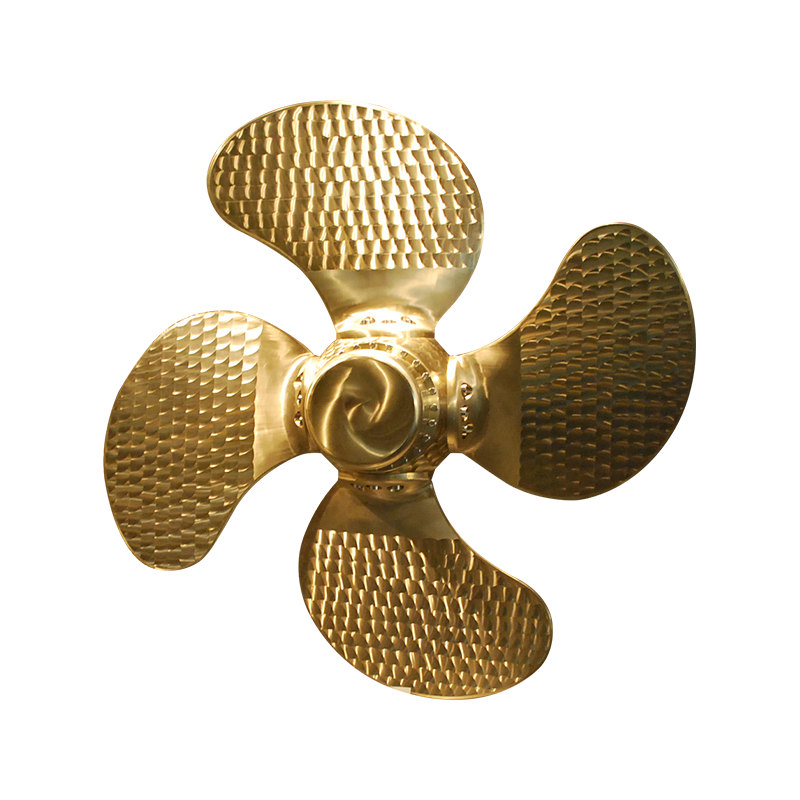
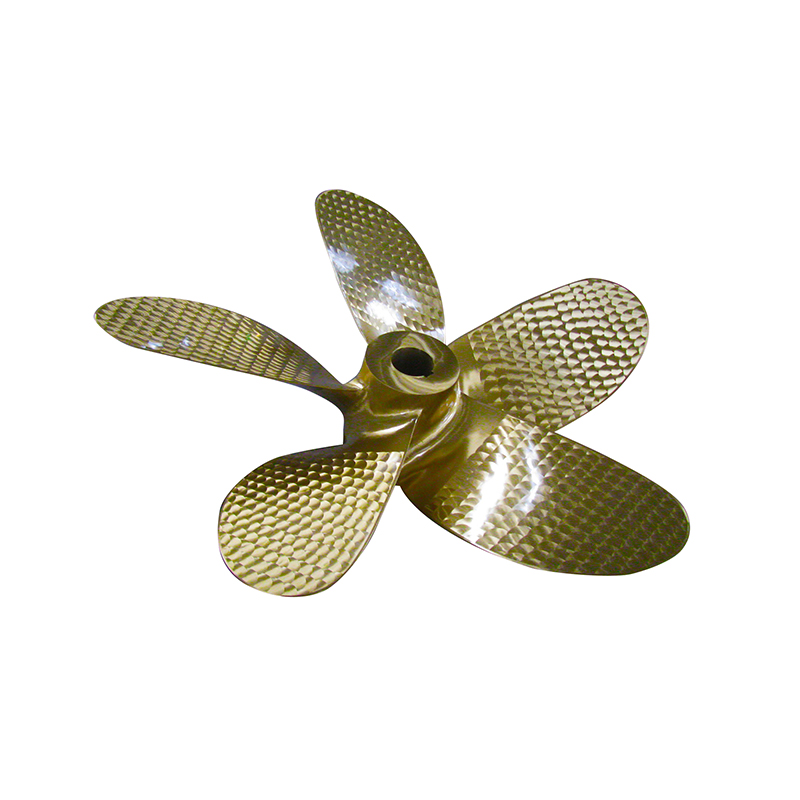
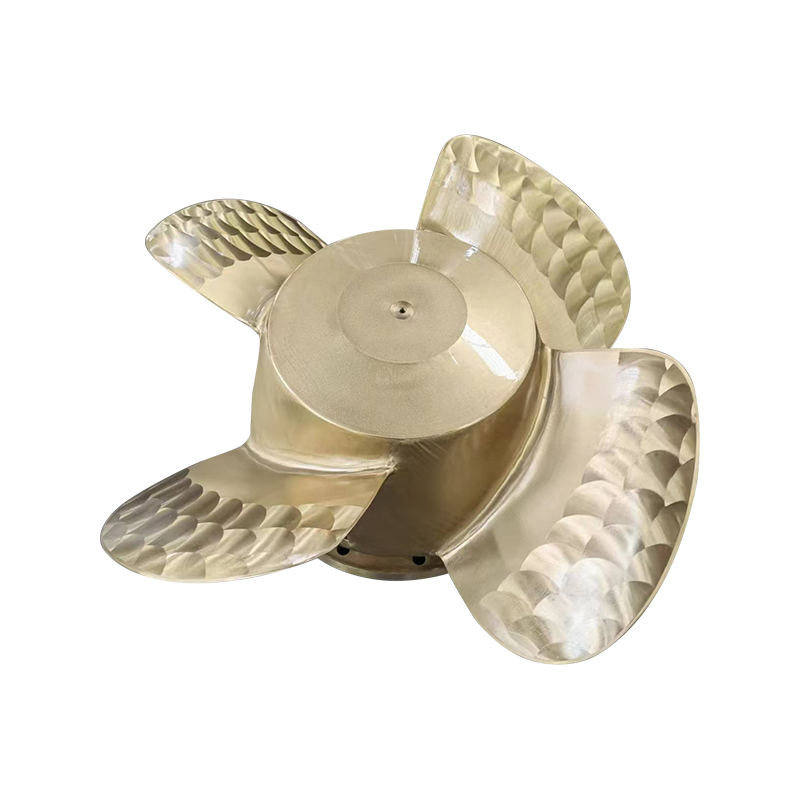
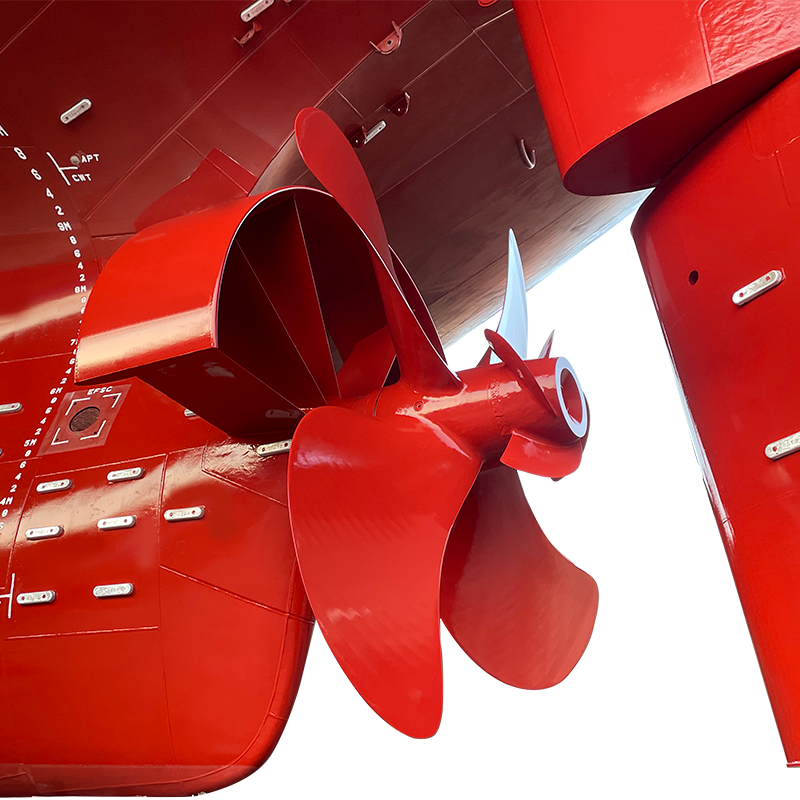
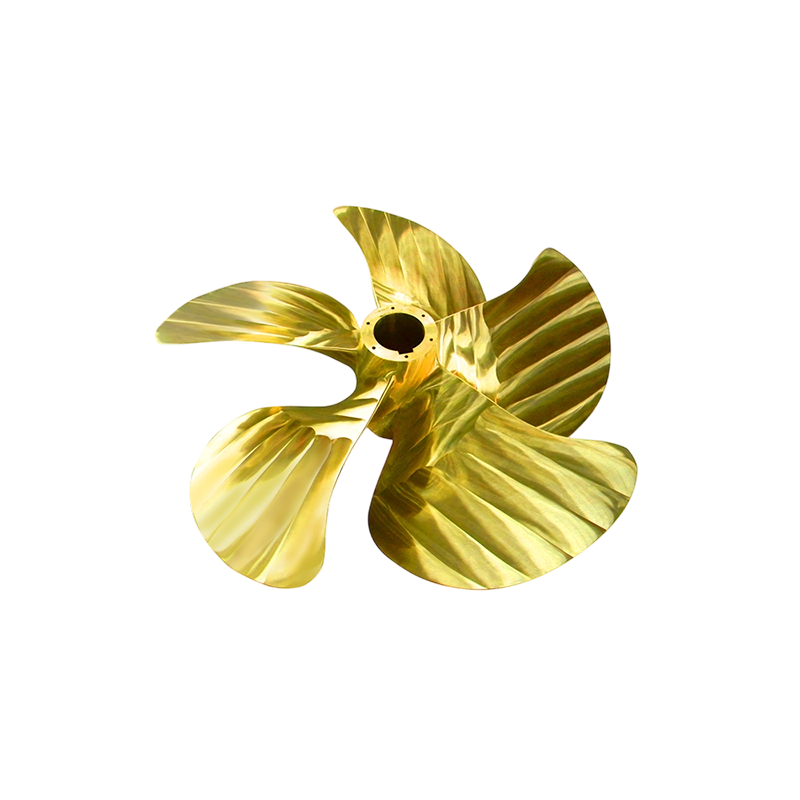
A propeller boss cap fin, often abbreviated as PBCF, is a specialized hydrodynamic device installed on the boss (the central hub) of a ship's propeller. Visually, it consists of several fin-like structures arranged radially around the propeller boss, extending outward in a way that aligns with the flow of water generated by the propeller’s rotation. Unlike the propeller blades themselves, which are designed primarily to push water backward and generate thrust, the boss cap fin is a supplementary component that targets the energy losses associated with the propeller’s operation. Its size and shape are tailored to fit the specific dimensions of the propeller boss, ensuring it integrates seamlessly with the existing propeller system without disrupting its core functionality.
How Does It Improve Ship Energy Efficiency?
The core mechanism by which a propeller boss cap fin boosts energy efficiency lies in its ability to reduce wasted energy in the water flow around the propeller. When a ship’s propeller rotates, it creates a swirling current known as a "vortex" around the propeller boss. This vortex is a significant source of energy loss—instead of contributing to the ship’s forward motion, the energy used to create the vortex is dissipated as turbulence. The boss cap fin works by counteracting this vortex: its fin structures redirect the swirling water, converting the turbulent, circular flow into a more linear one that aligns with the ship’s direction of travel.
To put it simply, imagine stirring a cup of water with a spoon—the water swirls around the spoon’s handle (similar to the propeller boss). If you attach small fins to the handle, they would disrupt that circular swirl and push the water in a straighter line. In a ship, this redirection means less energy is wasted on turbulence and more is channeled into propelling the vessel forward. Studies indicate that this reduction in vortex-related energy loss can lead to a measurable improvement in propulsive efficiency, typically translating to lower fuel consumption for the ship—an essential benefit in an era where maritime operations seek to cut both costs and environmental impact.
What Are the Key Considerations During Installation?
Installing a propeller boss cap fin is a precision-driven process that requires careful attention to multiple factors to ensure optimal performance. First, the installation environment is critical. Most installations take place when the ship is in dry dock, as this allows full access to the propeller and eliminates the challenges of underwater work. The dry dock must be equipped to support the ship’s weight and provide a stable workspace for technicians, with proper lighting and safety measures in place to handle the large, heavy components of the propeller system.
Second, the installation process itself follows a strict sequence. Before installing the fin, the propeller boss must be thoroughly cleaned and inspected to remove any marine growth, rust, or debris—these contaminants can prevent proper adhesion and alignment of the fin. Next, the fin is positioned according to precise engineering specifications, often using laser alignment tools to ensure it is centered on the boss and angled correctly relative to the propeller blades. Once positioned, the fin is secured using high-strength fasteners or bonding agents designed to withstand the harsh marine environment, including constant water pressure, corrosion, and the vibrations of the rotating propeller.
Finally, installation accuracy is non-negotiable. Even a small misalignment—such as a fin being off by just a few degrees—can reduce its effectiveness, or worse, create additional turbulence that negates any efficiency gains. After installation, technicians conduct a series of checks, including visual inspections and rotational tests, to confirm that the fin is properly secured and aligned before the ship returns to water.
What Factors Need to Be Considered for Adaptation?
Adapting a propeller boss cap fin to a specific ship is not a one-size-fits-all process; several key factors must be evaluated to ensure compatibility and maximum efficiency. First, ship type and purpose play a critical role. A large cargo vessel, for example, has different propulsion needs than a small passenger ferry—cargo ships typically operate at slower, more constant speeds, while ferries may accelerate and decelerate frequently. The design of the boss cap fin (such as the number of fins, their length, and angle) must be adjusted to match these operational patterns.
Second, existing propeller parameters are essential. The fin’s design must complement the propeller’s diameter, blade count, and rotation speed. If the propeller has a large diameter, for instance, the fin may need to be longer to effectively target the vortex; if the propeller rotates at high speeds, the fin’s shape may need to be more streamlined to avoid creating excess drag. Engineers often use computational fluid dynamics (CFD) simulations to model how different fin designs will interact with a specific propeller, ensuring the final adaptation is optimized.
Third, navigational conditions cannot be overlooked. Ships that operate in shallow waters, for example, may face different flow dynamics than those sailing in deep oceans. Shallow water can increase turbulence around the propeller, so the boss cap fin may need a modified design to account for this. Similarly, ships that encounter rough seas frequently may require a more durable fin structure to withstand the additional stress from wave action.
What Does the Future Hold for Propeller Boss Cap Fins?
As the maritime industry continues to prioritize sustainability and fuel efficiency, the role of propeller boss cap fins is likely to expand. One key trend is the integration of advanced materials—such as lightweight, corrosion-resistant alloys or composite materials—that can reduce the fin’s weight while increasing its durability. Lighter fins put less strain on the propeller system, further improving efficiency and extending the lifespan of both the fin and the propeller.
Another area of development is the use of smart design technologies. With advancements in AI and CFD, engineers can create more precise, customized fin designs that adapt to real-time operational data. For example, a fin could be designed to adjust its angle slightly based on the ship’s speed or sea conditions, maximizing efficiency in all scenarios. Additionally, as ships become more electrified, the integration of boss cap fins with electric propulsion systems may open new opportunities to optimize overall energy use, combining the fin’s hydrodynamic benefits with the efficiency of electric motors.
Beyond individual ship applications, propeller boss cap fins also align with global environmental goals, such as the International Maritime Organization’s (IMO) target to reduce greenhouse gas emissions from shipping by at least 50% by 2050 (compared to 2008 levels). By providing a cost-effective, low-maintenance way to cut fuel consumption, boss cap fins offer a practical solution for ship operators looking to meet these targets without investing in expensive, large-scale overhauls of their propulsion systems. In the years ahead, they are likely to become a standard component in new ship builds and a common retrofitting option for existing vessels—solidifying their role as a key tool in sustainable maritime operations.



 English
  中文简体
中文简体  русский
  Español
  عربى
عربى  Français
  Português
  Deutsch
  Türk
Türk