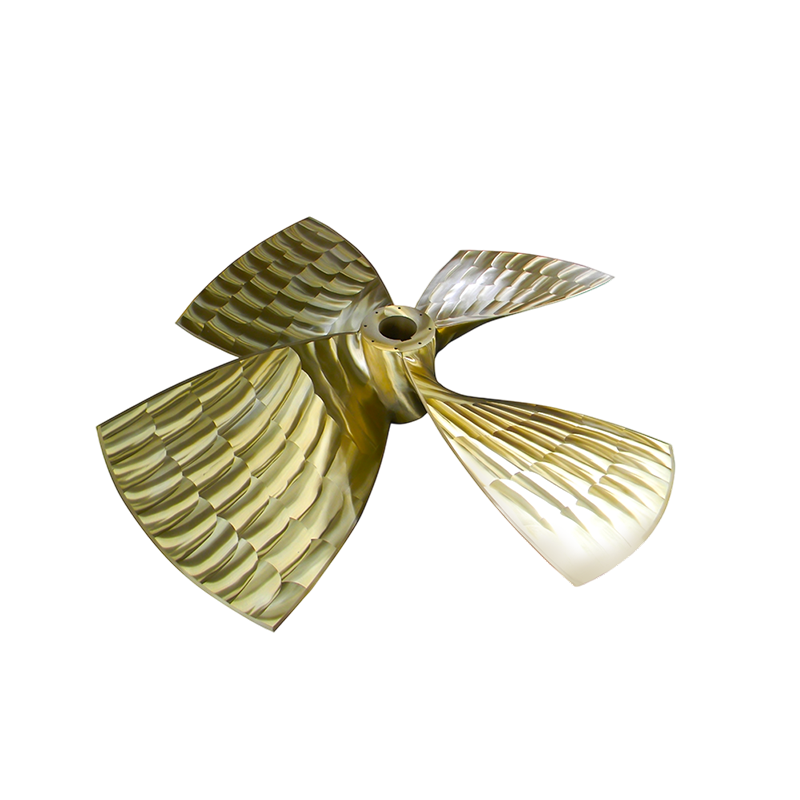
The Science Behind Propeller Hub Vortex Energy Loss
In the pursuit of maritime decarbonization and operational cost reduction, shipowners are increasingly turning to Propeller Energy Saving Devices. One of the most effective yet elegantly simple solutions is the Hub Vortex Absorbed Fins (HAVF). To understand its value, one must first look at the physics of a rotating propeller. As water leaves the propeller blades, it doesn't just push backward; it creates a high-velocity rotating "hub vortex." This vortex represents significant kinetic energy that is essentially wasted in the wake of the vessel, contributing to drag and reducing overall propulsion efficiency.
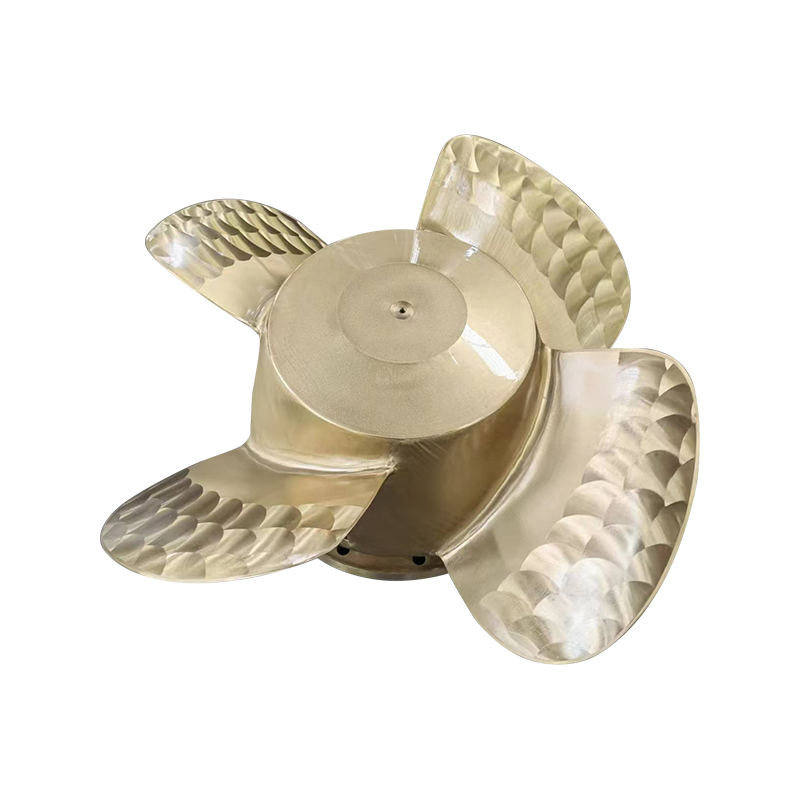
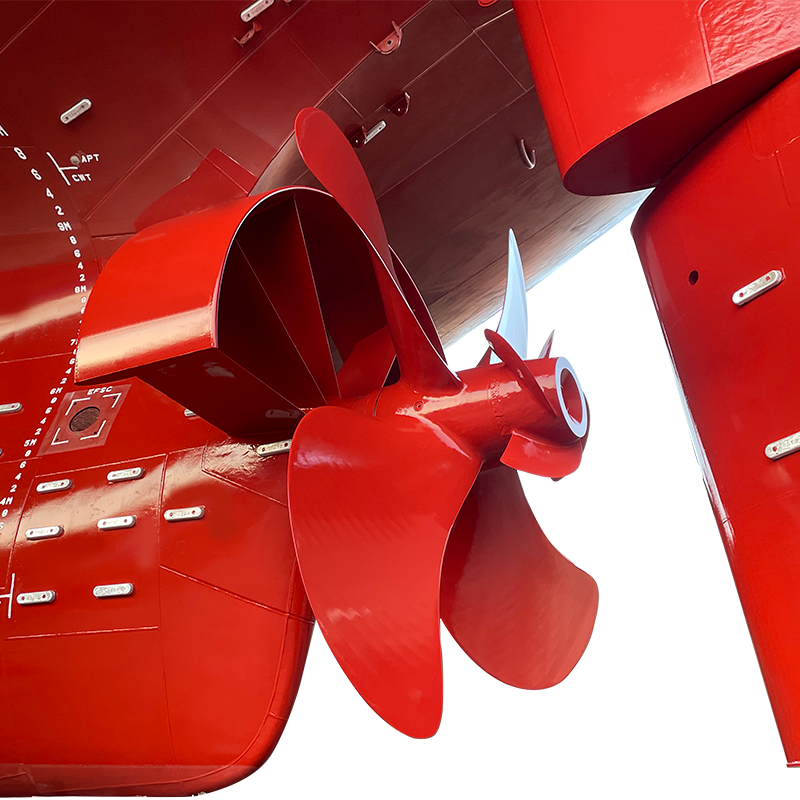
The Hub Vortex Absorbed Fins, developed by specialists like Zhenjiang Jinye Propeller Co.,Ltd., act as flow guide devices. Typically installed behind the propeller or integrated near the rudder blade, these fins utilize a unique airfoil structure to intercept and neutralize the rotating wake. By transforming turbulent vortex energy into useful forward thrust, HAVF technology serves as a critical upgrade for modern green shipping initiatives.
Core Functions and Quantifiable Energy Savings
The implementation of Hub Vortex Absorbed Fins provides immediate and measurable benefits to ship performance. Data from numerous sea trials indicates that by suppressing the propeller wake rotation, these devices can save between 2% and 5% of energy. For a large container ship or a long-haul tanker, a 3% reduction in fuel consumption can translate to hundreds of thousands of dollars in annual savings.
Performance Comparison: Standard Hub vs. HAVF Integration
| Metric |
Standard Propeller Hub |
Hub with Absorbed Fins (HAVF) |
| Propulsion Efficiency |
Baseline |
+2% to +5% Increase |
| Vortex Cavitation |
Moderate/High |
Significantly Weakened |
| Vibration & Noise |
Standard Level |
Reduced by 10-15% |
| Rudder Component Life |
Normal Wear |
Extended Service Life |
Structural Reliability and Fluid Dynamics Optimization
A key reason why Zhenjiang Jinye Propeller Co.,Ltd. is recognized as a professional China Hub Vortex Absorbed Fins suppliers is the precision of their airfoil engineering. These fins are designed to be lightweight yet robust, manufactured from high-grade marine copper alloys or stainless steel to match the propeller's material properties. The HAVF system is safe and practical; it has no moving parts, meaning the risk of mechanical failure is virtually zero.
Technical Advantages of HAVF Installation:
- Cavitation Control: By weakening the hub vortex, the fins effectively reduce vortex cavitation, which is a primary cause of surface erosion on the propeller hub and the leading edge of the rudder.
- Enhanced Stability: The reduction in turbulence leads to lower hull vibration, which improves crew comfort and protects sensitive onboard electronic equipment from micro-vibration damage.
- Simple Integration: The modular and light structure allows for convenient installation during scheduled dry-docking without requiring extensive modifications to the existing propeller shaft or rudder assembly.
Economic Impact and Environmental Responsibility
In today’s regulatory climate, characterized by the IMO's Carbon Intensity Indicator (CII) and EEXI requirements, every percentage of fuel saved is vital. The Hub Vortex Absorbed Fins (HAVF) provide a low-investment, high-return solution for energy-saving upgrades. Beyond the direct fuel savings, the reduction in the impact of vortices on the rudder extends the maintenance intervals for rudder bearings and pintles, further lowering the Total Cost of Ownership (TCO).
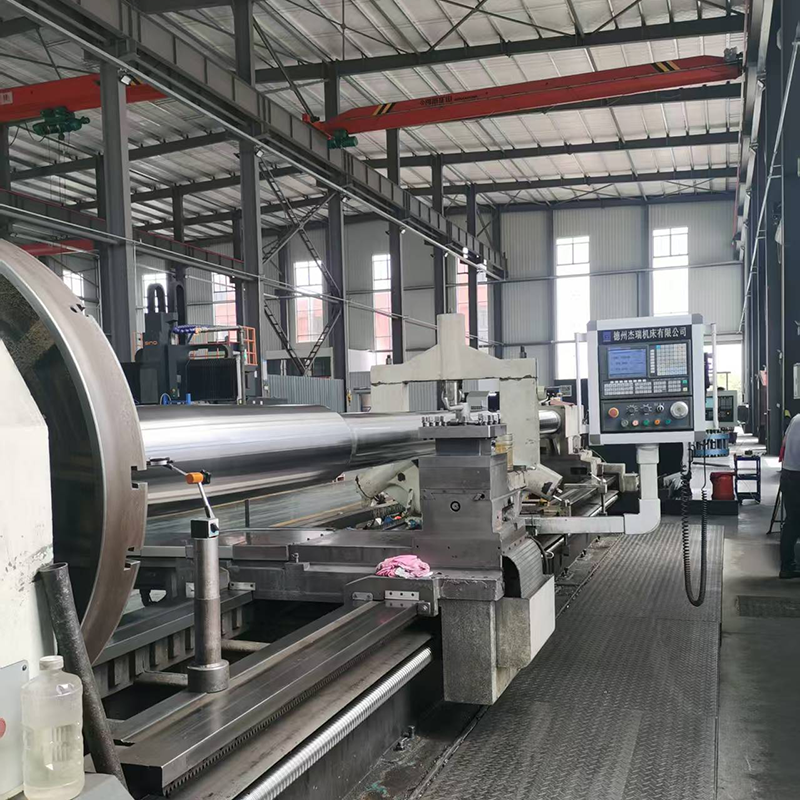
As a leading hub vortex absorbed fins (HAVF) company, Zhenjiang Jinye Propeller Co.,Ltd. leverages over 20,000 square meters of production expertise to deliver custom-engineered fins tailored to specific vessel types. Whether for a bulk carrier or a high-speed ferry, the fluid dynamics optimization provided by HAVF ensures that the ship operates at its theoretical maximum efficiency.
Zhenjiang Jinye Propeller Co.,Ltd.: Expertise in Marine Accessories
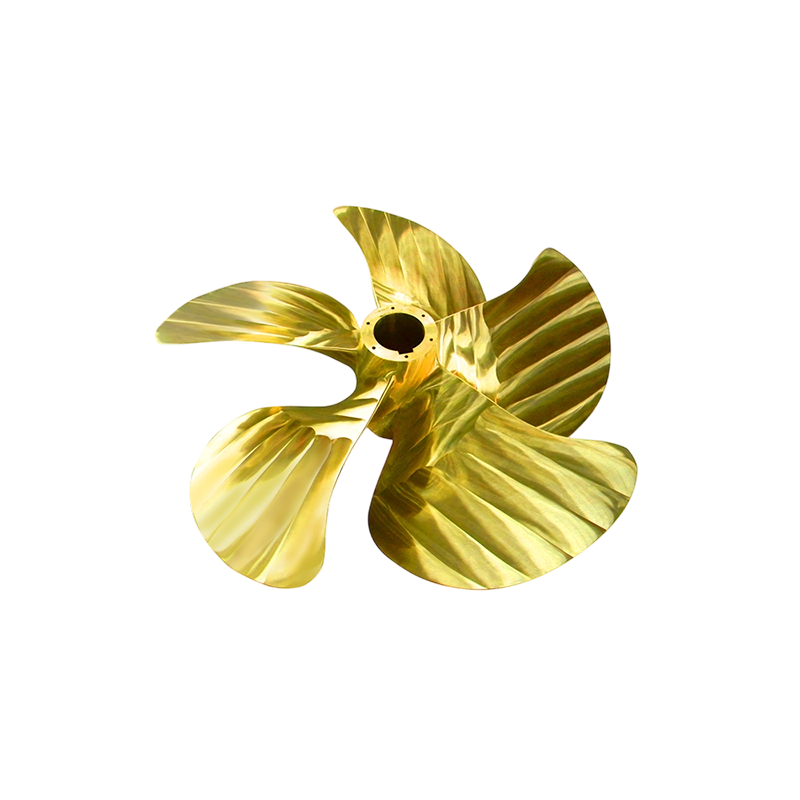
Established in 2005 and situated in the Jin Kou Science and Technology Industrial Park, Zhenjiang Jinye Propeller Co.,Ltd. has spent nearly two decades perfecting marine propulsion attachments. Our product portfolio—including fixed-pitch propellers, controllable pitch propellers, and hub vortex absorbed fins—is built on a foundation of precision manufacturing and material excellence. By choosing an experienced supplier, shipyards and owners are guaranteed components that comply with international classification society standards, ensuring safety and performance on the high seas.
Frequently Asked Questions (FAQ)
How much fuel can Hub Vortex Absorbed Fins really save?
Depending on the ship's hull form and propeller design, HAVF typically provides an energy saving of 2% to 5%. The savings are most noticeable on vessels with high hub loads and significant vortex turbulence.
Is the installation process complicated for existing ships?
No. Hub Vortex Absorbed Fins are designed for easy installation. They can usually be retrofitted during a standard dry-docking period by bolting or welding the fin structure to the propeller cap or rudder arrangement without major structural changes.
Does HAVF affect the ship's maneuverability?
On the contrary, by smoothing the water flow towards the rudder, HAVF can actually improve rudder response and reduce the "buffeting" effect caused by turbulent propeller wake, leading to better navigation stability.
Are these fins durable enough for harsh marine environments?
Yes. Our Hub Vortex Absorbed Fins are made from specialized marine alloys that are highly resistant to corrosion and impact, ensuring they last for the duration of the propeller's service life with minimal maintenance.



 English
  中文简体
中文简体  русский
  Español
  عربى
عربى  Français
  Português
  Deutsch
  Türk
Türk